'Spreading deepfakes, deleted PM Modi's video': Why Meta AI should be banned in India for interfering in Indian economy and democracy

&imwidth=600&imheight=450&format=webp&quality=medium "'Spreading deepfakes, deleted PM Modi's video': Why Meta AI should be banned in India for interfering in Indian economy and democracy")
'Banished genuine accounts, deleted PM Modi's video': Why Meta AI should be banned in India
Meta's automated systems spread AI deepfakes of Prime Minister Modi and Union ministers during the CJP protests, destroyed legitimate businesses through wrongful bans, approved advertisements for child sexual abuse material, and blocked the Prime Minister's own post without explanation. India's government has summoned Meta, its safe harbour protection is under threat, and the question being asked is no longer how to fix Meta's AI — but whether it should be permitted to operate in India at all.
In a single month, Meta's automated systems distributed fabricated videos of India's Prime Minister to millions of Indians, erased the livelihoods of legitimate business owners without explanation, ran paid advertisements for child sexual abuse material, and blocked the Prime Minister's own announcement from Indian viewers. Meta has explained none of it.
India is now asking a question it has not seriously asked of any foreign platform before: on whose authority does this company operate here at all?
The Deepfakes Meta's Systems Carried To Millions
During the Cockroach Janta Party protests that convulsed Delhi through July, fabricated AI videos of India's most senior leaders spread across Meta's platforms.
One purported to show Union Minister Piyush Goyal advocating violent action against CJP supporters. Another appeared to show BJP MP Nishikant Dubey declaring that protesters would be denied government and private-sector jobs, with their families exposed to legal action. Both were fake — AI-manipulated fabrications, confirmed as such by independent fact-checkers and by the Press Information Bureau, which debunked AI-generated videos of Prime Minister Modi and Goyal and attributed the campaign to Pakistani propaganda operations.
Goyal filed a police complaint, stating his remarks outside Parliament had been maliciously altered using artificial intelligence. An FIR was registered at Delhi's Chanakyapuri police station. Delhi Police said they identified and blocked more than 400 Pakistan-linked social media handles involved in what they described as a coordinated misinformation campaign built on AI-generated content and deepfakes.
Trending Stories
)
)
)
&im=FitAndFill=(700,400))
)
)
)
)
)
&im=FitAndFill=(700,400))
)
)
)
)
)
)
)
)
)
)
&im=FitAndFill=(700,400))
)
)
)
&im=FitAndFill=(700,400))
)
)
)
)
)
)
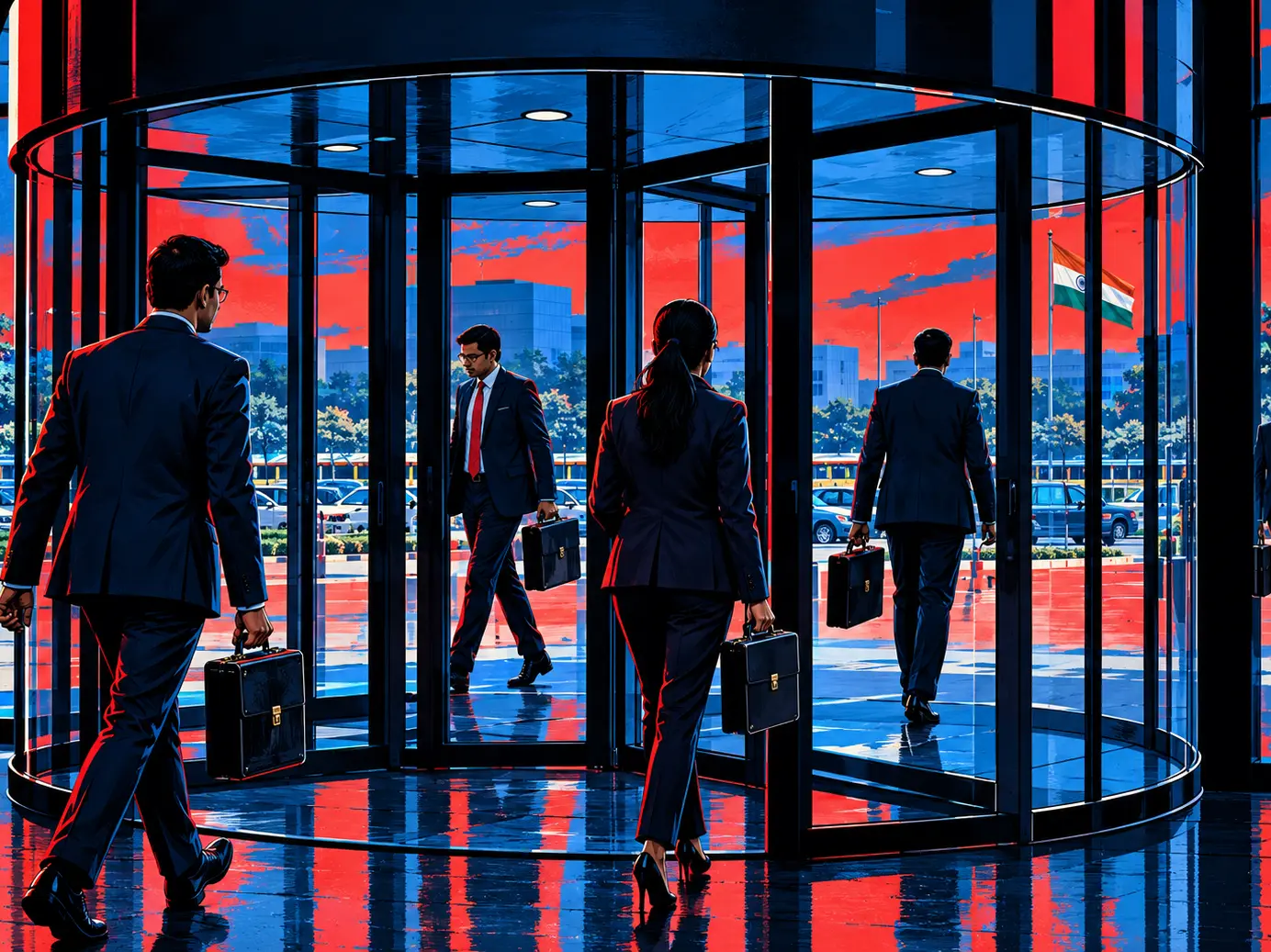)
&im=FitAndFill=(700,400))
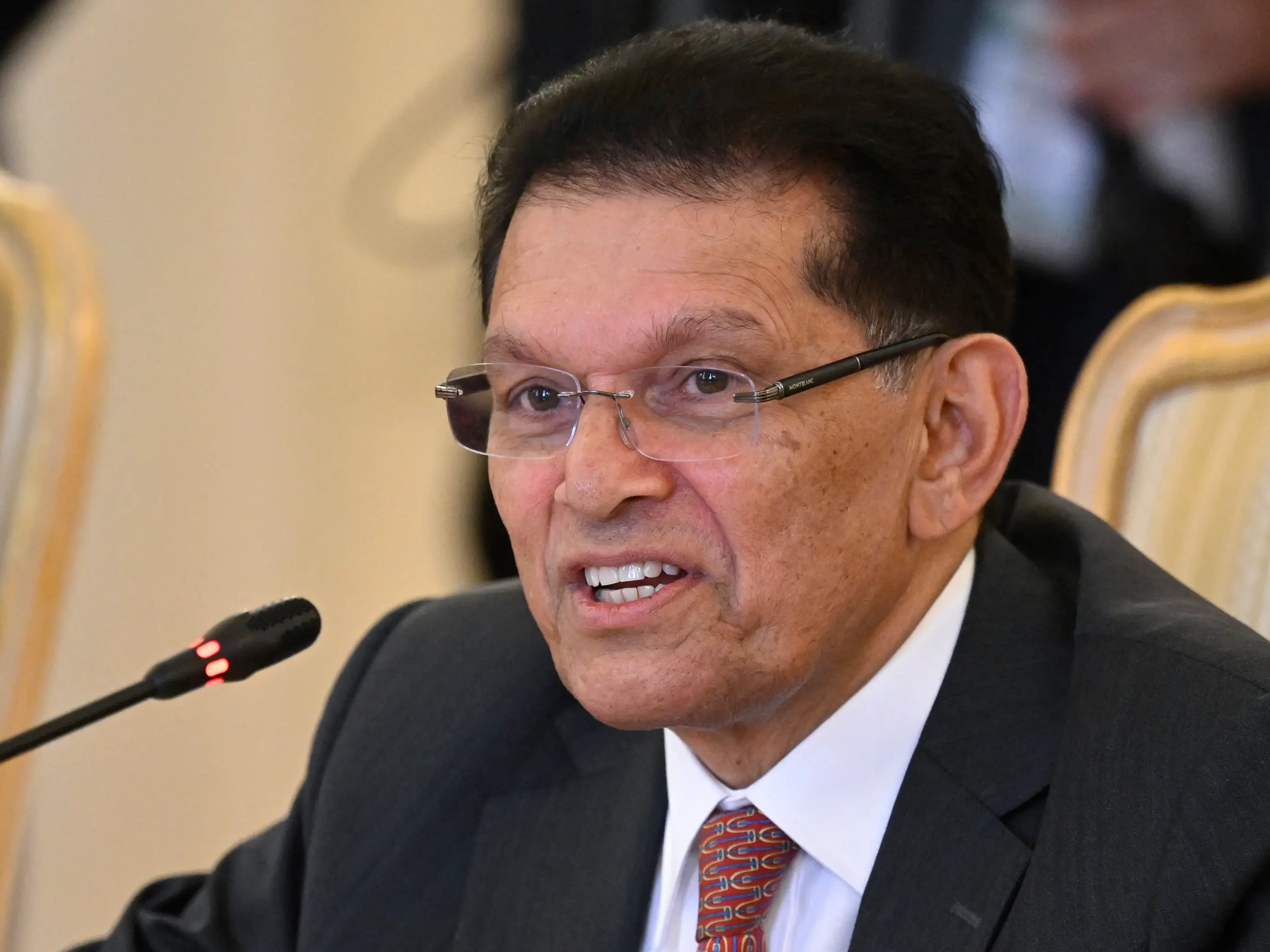)
These videos did not spread by accident. They spread because recommendation systems built by Meta pushed them into Indian feeds during a period of acute national tension — at a moment when a fabricated video of a Union Minister calling for violence against students could have triggered exactly that. Meta's AI, which the company insists is sophisticated enough to moderate content at scale, could not distinguish a deepfake of India's Commerce Minister from a real one.
The Businesses It Destroyed
While Meta's systems failed to catch fabrications of national leaders, they were ruthlessly efficient at removing people who had done nothing wrong.
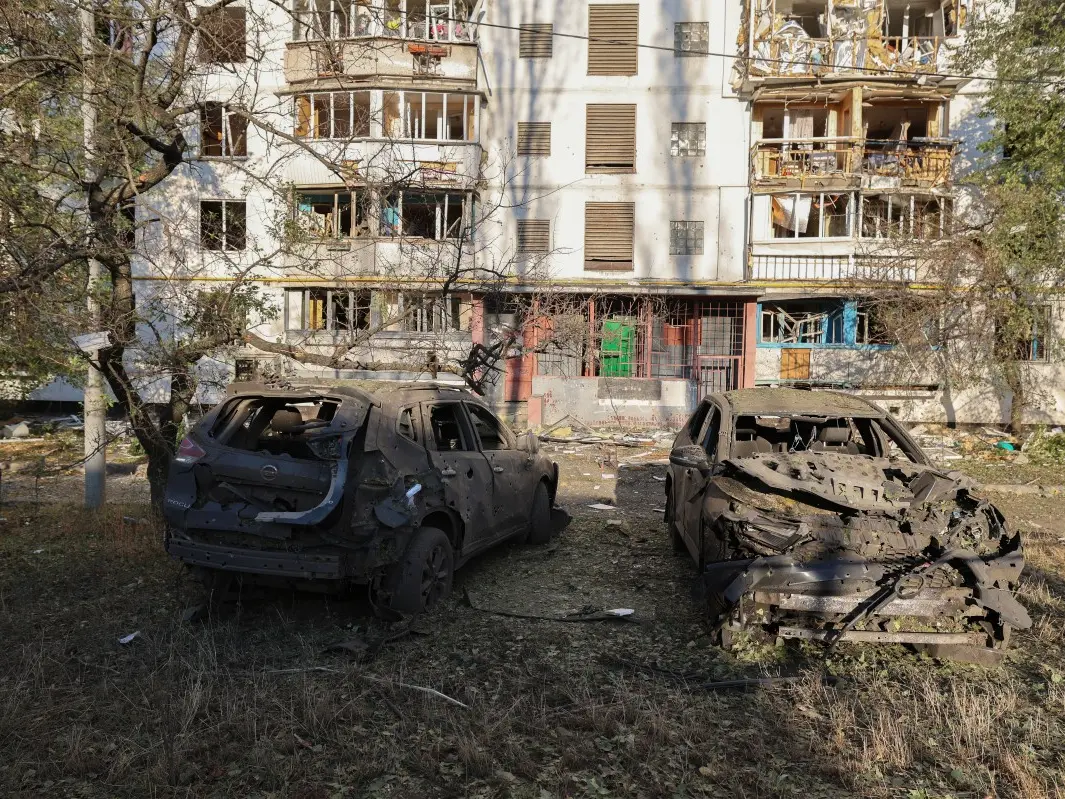
Meta says it removed more than 10 million accounts in a crackdown targeting bots and fake engagement. A New York Times investigation this month documented what that meant in practice: business owners whose livelihoods disappeared overnight, accounts disabled under vague headings such as ‘fraud and deception’ with no specific violating post ever identified, and appeals rejected within days in terms making clear no further review was possible.
The design is the problem. In March 2026, Meta handed greater responsibility to AI systems both for judging violations and for deciding appeals against those judgements — then laid off thousands of the staff who had done that work. The result is a closed loop: the same automated system that destroys a business also adjudicates its plea for reinstatement.
Meta's own Oversight Board, reviewing account deactivations, identified systemic concerns over due process, proportionality and transparency, found that users are not told which rule they broke or what recourse exists, and recommended Meta disclose what role AI plays in these decisions — a recommendation that only exists because Meta does not currently disclose it. The Board also found that Meta Verified, which businesses pay for precisely to obtain support, failed to provide meaningful assistance to users whose accounts were disabled.
For Indian content creators and small businesses that built their customer base on Instagram and Facebook, an unexplained automated ban is not an inconvenience. It is the end of a business, with no appeal that a human being will ever read.
The Advertisements It Approved
In July, a BBC Eye investigation found that Instagram was serving paid advertisements promoting child sexual abuse material in India. A test account was reportedly served around 30 distinct paid ads using explicit search terms, redirecting users to Telegram channels selling illegal material for as little as ₹99.
The mechanism matters. Meta's advertisement review is conducted primarily by AI, examining an ad's images, text, targeting and destination links. When the system is confident an ad complies, it runs — with no human reviewing it at any point. A human sees an advertisement only if the machine itself is uncertain.
The Ministry of Electronics and Information Technology summoned Meta's officials. Union IT Minister Ashwini Vaishnaw directed the ministry to seek an explanation. MeitY ordered Instagram to disable all such content and demanded a detailed response within seven days, warning that failure could threaten Meta's safe harbour protection under Section 79 of the IT Act. Meta's response was that it does not ‘knowingly’ target such advertising, and that ‘no system is perfect.’ Forbes reported on July 13 that such advertisements remained active on Instagram after the controversy had already broken.
And Then It Blocked The Prime Minister
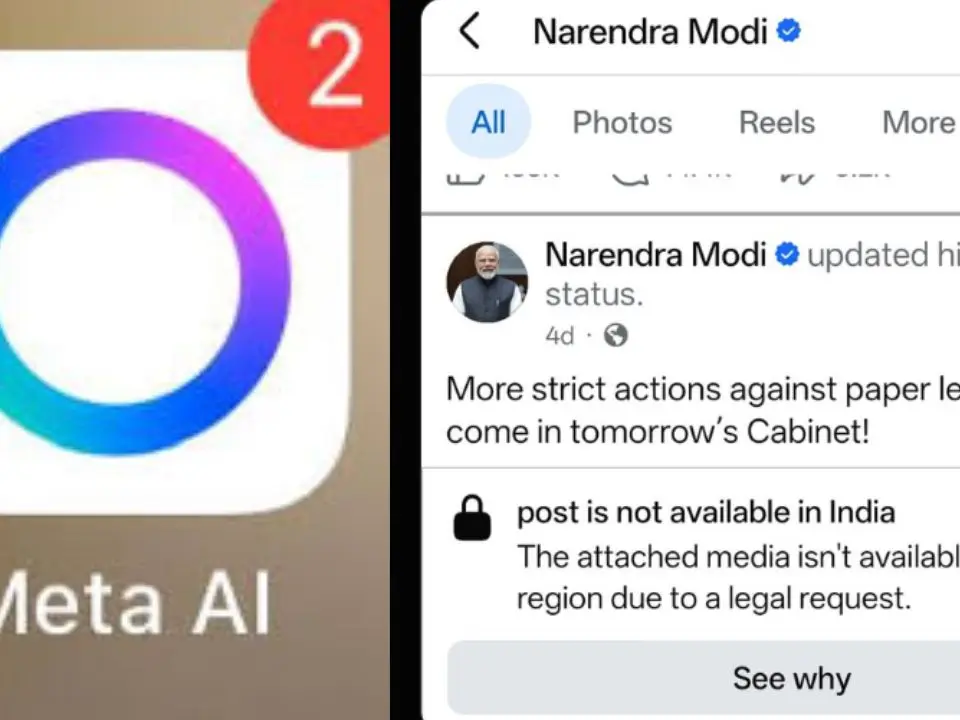
On Facebook, Prime Minister Narendra Modi's post announcing action on the NEET paper leak — ‘More strict actions against paper leaks to come in tomorrow’s Cabinet!' — is unavailable to users in India. Meta's entire explanation is one sentence: ‘The attached media isn’t available in your region due to a legal request.'
No authority is named. No statute is cited. No case number appears. The same message on Instagram set a world record, crossing 303 million views in 24 hours and overtaking the previous mark held by YouTuber IShowSpeed. On one Meta platform it is the most-viewed reel in history. On the other, Indians cannot see it.
Priti Gandhi, the BJP's IT and social media national in-charge for the party's seven Morchas and an official spokesperson for Maharashtra BJP, put the question directly to the company: ‘The Prime Minister of the world’s largest democracy uploads his first direct selfie video to connect with India's youth… and Facebook restricts it??? Who gave Meta the authority to decide what millions of Indians should or should not see??? This isn't just content moderation. It raises serious questions about your political bias, transparency & accountability. Respond!!!'
Meta has not responded.
The Opacity Is Itself The Offence
Meta will say, correctly, that it often acts on legal requests from Indian authorities. Protest-related content was geo-blocked in India in July under Section 69A of the IT Act, and Delhi Police wrote to platforms seeking removal of hundreds of posts linked to the agitation, alleging they carried AI-generated abusive content and misinformation.
But that defence collapses into the accusation. If Meta is merely executing lawful orders, it can say so — name the provision, cite the order, tell Indian citizens which authority decided what they may see. It does not. It publishes four words and leaves 800 million Indian users to guess. The company has built a system in which neither the government's decisions nor Meta's own are visible to the people affected by them, and that ambiguity serves Meta alone.
The Case For Action
Assemble the record. An AI moderation system that cannot identify a deepfake of the Commerce Minister but can permanently erase a legitimate small business on a false positive. An advertising system that approves child sexual abuse material without a human ever seeing it. A recommendation engine that pushed fabricated videos of the Prime Minister into Indian feeds during a national crisis. An appeals process where the machine that convicts also hears the appeal. And a company that answers to a formal government summons with the observation that no system is perfect.
Section 79 of the IT Act grants platforms immunity from liability for user content — but only while they discharge their due diligence obligations. That is a conditional privilege, not a right, and India's government has already put Meta on formal notice that the condition is in question.
No one elected Meta. No one in India granted it the authority to decide which of the Prime Minister's words its citizens may read, or to end a business built over a decade with an automated notice and no appeal. India has every sovereign right to ask whether a company that has failed this comprehensively should retain the legal protections that let it operate here — and, if the answer is no, to act on it.
