SC adjourns hearing on Delhi protest, metro-train curbs pleas to October 15

&imwidth=600&imheight=450&format=webp&quality=medium "SC adjourns hearing on Delhi protest, metro-train curbs pleas to October 15")
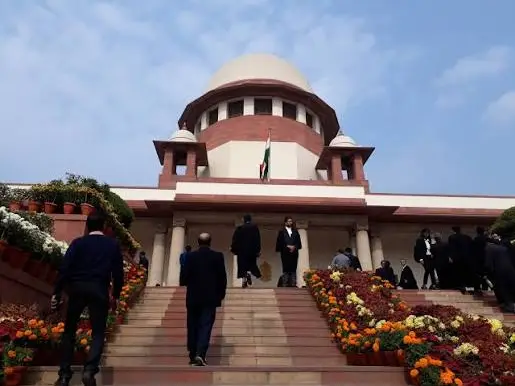
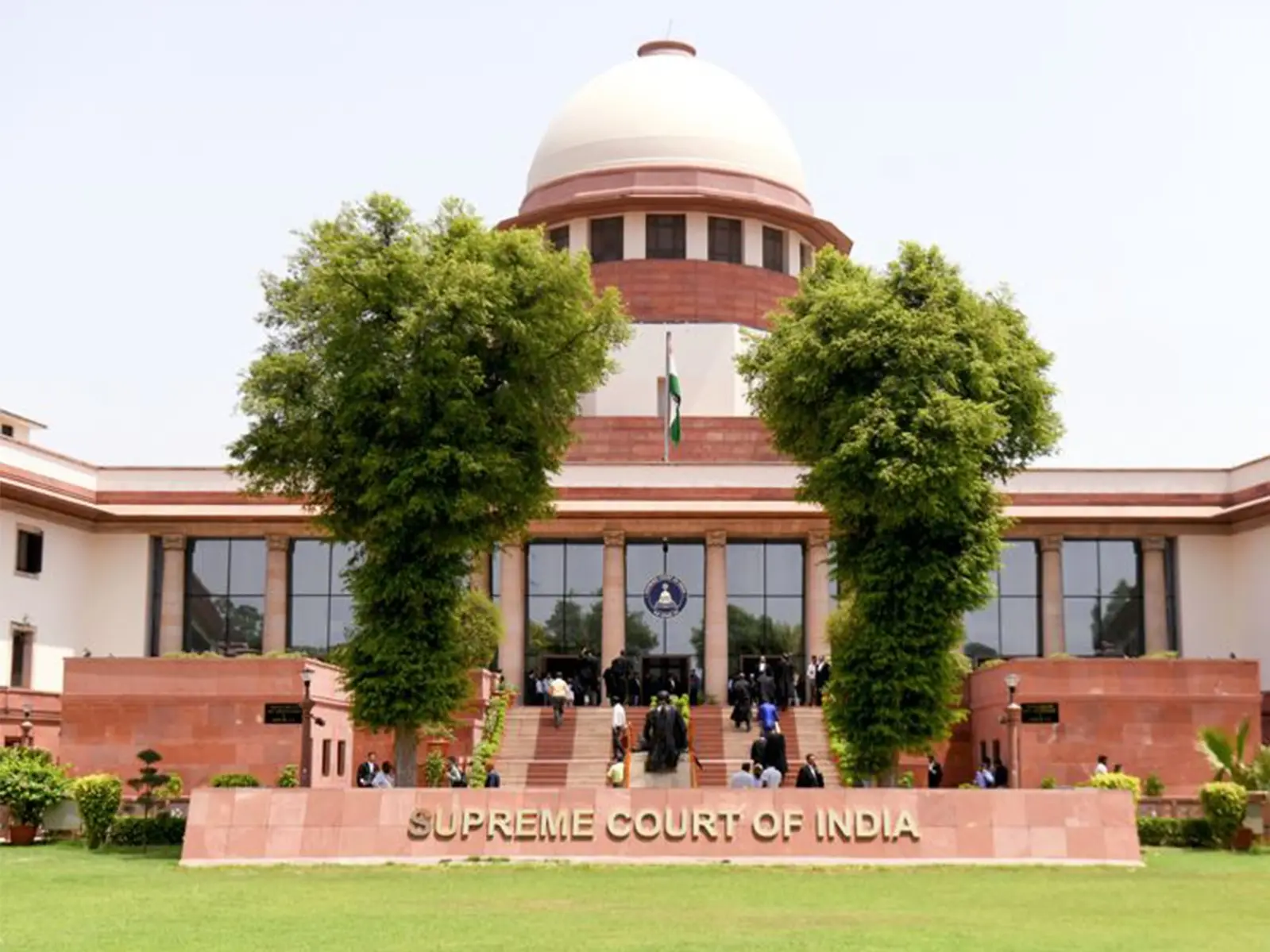
Representative image. Photograph: (Wikimedia Commons)
A contempt petition filed by the Freedom Speech Collective alleges that police assaulted journalists in violation of the Court’s October 10 order directing that media personnel covering the protests not be harassed.
The Supreme Court on Tuesday (October 13) directed a senior Delhi Police officer to remain present in court to explain the alleged assault on women journalists during the recent protests in Delhi. The case has been observed by Chief Justice of India Surya Kant after Senior Advocate Indira Jaising mentioned a petition registered by the Network of Women in Media, India (NWMI). These women sought safeguards for journalists covering protests, especially women journalists.
“We'd like some senior officer to remain present here and explain,” the CJI said, and added that the police would have to justify the accusation. Advocate Jaising notified the Court about the advance notice given which has been given to the Solicitor General. The CJI assured that the petition would be listed for hearing on Thursday along with the matter connected with the alleged police action.
Senior Advocate Gopal Sankaranarayanan brought up a contempt petition filed by the Freedom Speech Collective, which alleges that police assaulted journalists in violation of the Court’s October 10 order directing that media personnel covering the protests not be harassed.
Also read: From Jantar Mantar to Lafayette Square: Where the world protests, and how close it gets to power
Writ petition filed
Separately, the NWMI (Network of Women in Media, India) has filed a writ petition seeking directions to safeguard journalists’ safety and dignity while covering protests and public events. The petition argues that the existing inquiry into alleged police excesses fails to specifically address concerns around journalists’ access to protest sites, their detention or forcible removal, and the protections needed for independent reporting and newsgathering.
Trending Stories
&imwidth=280&imheight=210&format=webp&quality=medium)
&im=FitAndFill=(700,400)&imwidth=280&imheight=210&format=webp&quality=medium)
&imwidth=280&imheight=210&format=webp&quality=medium)
&imwidth=280&imheight=210&format=webp&quality=medium)
&imwidth=280&imheight=210&format=webp&quality=medium)
&imwidth=280&imheight=210&format=webp&quality=medium)
&imwidth=280&imheight=210&format=webp&quality=medium)
&imwidth=280&imheight=210&format=webp&quality=medium)
&imwidth=280&imheight=210&format=webp&quality=medium)
&imwidth=280&imheight=210&format=webp&quality=medium)
&imwidth=280&imheight=210&format=webp&quality=medium)
&imwidth=280&imheight=210&format=webp&quality=medium)
&imwidth=280&imheight=210&format=webp&quality=medium)
&im=FitAndFill=(700,400)&imwidth=280&imheight=210&format=webp&quality=medium)
&imwidth=280&imheight=210&format=webp&quality=medium)
&imwidth=280&imheight=210&format=webp&quality=medium)
&imwidth=280&imheight=210&format=webp&quality=medium)
&imwidth=280&imheight=210&format=webp&quality=medium)
&imwidth=280&imheight=210&format=webp&quality=medium)
&imwidth=280&imheight=210&format=webp&quality=medium)
&im=FitAndFill=(700,400)&imwidth=280&imheight=210&format=webp&quality=medium)
&imwidth=280&imheight=210&format=webp&quality=medium)
&imwidth=280&imheight=210&format=webp&quality=medium)
&imwidth=280&imheight=210&format=webp&quality=medium)
&imwidth=280&imheight=210&format=webp&quality=medium)
&imwidth=280&imheight=210&format=webp&quality=medium)
&imwidth=280&imheight=210&format=webp&quality=medium)
&imwidth=280&imheight=210&format=webp&quality=medium)
&imwidth=280&imheight=210&format=webp&quality=medium)
&imwidth=280&imheight=210&format=webp&quality=medium)
&imwidth=280&imheight=210&format=webp&quality=medium)
&imwidth=280&imheight=210&format=webp&quality=medium)
It calls on the Union of India to ensure that women journalists engaged in genuine newsgathering or reporting are not subjected to physical handling, intimidation, arbitrary detention or forcible removal simply because they were present at or near a protest, public gathering, crowd-control operation, or other event of public significance.

