Republic Day 2026: Why the president unfurls tricolour on 26 January and PM hoists it on 15 August? Know the reason

&imwidth=600&imheight=450&format=webp&quality=medium "Republic Day 2026: Why the president unfurls tricolour on 26 January and PM hoists it on 15 August? Know the reason")
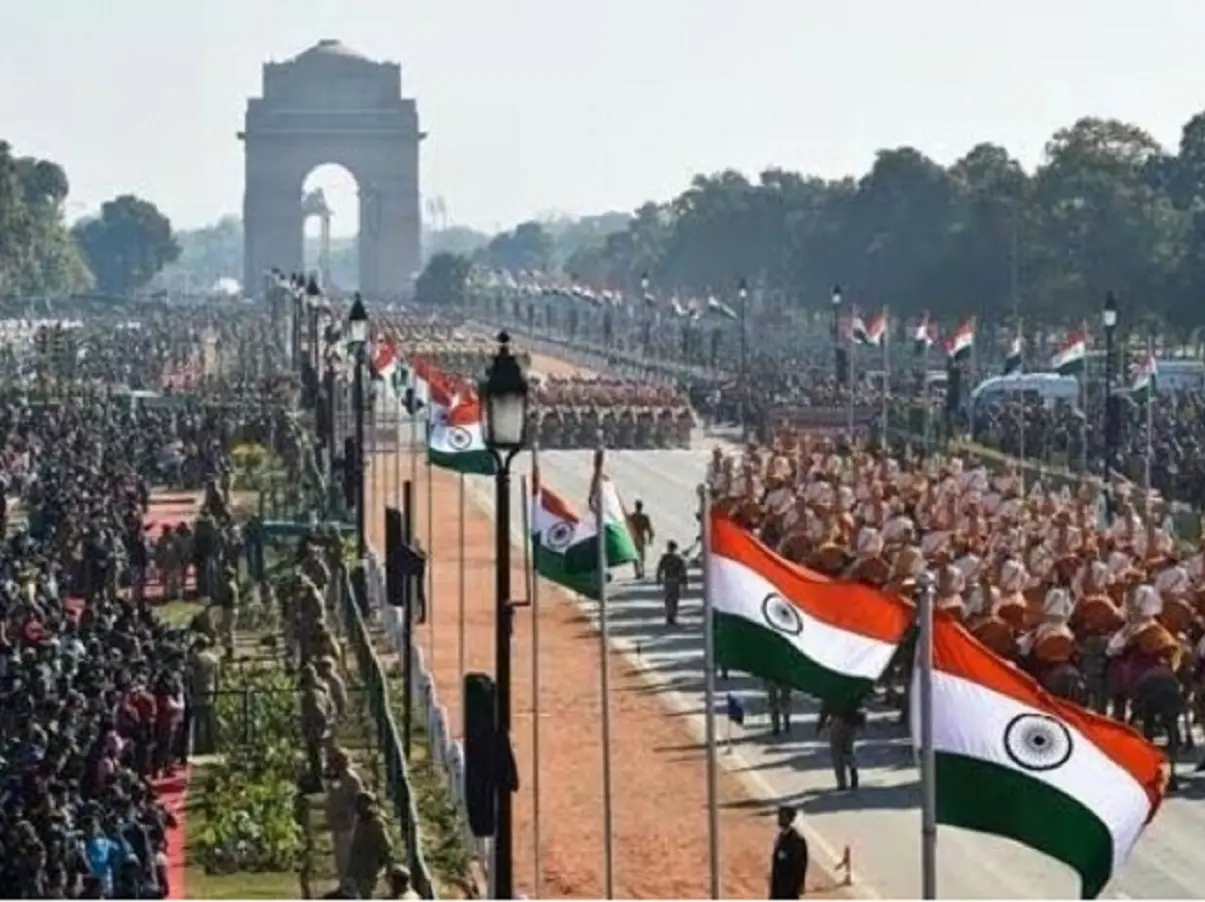
A grand parade featuring military and cultural displays follows after the president unfurls the tricolour on Republic Day. Photograph: (PTI)
The flag hoisting involves pulling the flag upward from the pole’s base, honouring the sacrifices of countless unsung selfless freedom fighters. The unfurling of the tricolour also has significance, as the flag is bundled at the top, wrapped in flowers.
India celebrates two national days, Independence Day on 15 August and Republic Day on 26 January, but the ceremonies on these two days are commanded by different constitutional authorities. The prime minister hoists the national flag on Independence Day, but on Republic Day, the president unfurls it. The difference in ceremonies and the authorities commanding them is rooted in India’s history, constitutional structure, and democratic values.
India gained freedom from British colonial rule on 15 August 1947, and Independence Day celebrates this historic transfer of power after the freedom struggle of the people fighting oppression. As per convention, the prime minister hoists the national flag on Independence Day from the Red Fort in Delhi. The PM is the head of government and represents the people of the country. The hoisting of flag, on Independence Day, signifies that the political power now rests with the representatives chosen by citizens.
August 15 was a hard-won freedom of the people, who had made many sacrifices for it, and that’s why the prime minister, elected by the people, hoists the tricolour.
The flag hoisting involves pulling the flag upward from the pole’s base, honouring the sacrifices of countless unsung selfless freedom fighters.
The Red Fort, as the venue of the ceremony, is in itself a powerful symbol of sovereignty and self-rule.
But January 26 is about India, the Republic, and is the day the people gave themselves the Constitution, promising justice, liberty, and equality, and that promise is upheld by the president, the constitutional head of the country.
Trending Stories
&imwidth=280&imheight=210&format=webp&quality=medium)
&imwidth=280&imheight=210&format=webp&quality=medium)
&imwidth=280&imheight=210&format=webp&quality=medium)
&imwidth=280&imheight=210&format=webp&quality=medium)
&imwidth=280&imheight=210&format=webp&quality=medium)
&imwidth=280&imheight=210&format=webp&quality=medium)
&imwidth=280&imheight=210&format=webp&quality=medium)
&imwidth=280&imheight=210&format=webp&quality=medium)
&imwidth=280&imheight=210&format=webp&quality=medium)
&imwidth=280&imheight=210&format=webp&quality=medium)
&imwidth=280&imheight=210&format=webp&quality=medium)
&imwidth=280&imheight=210&format=webp&quality=medium)
&imwidth=280&imheight=210&format=webp&quality=medium)
&imwidth=280&imheight=210&format=webp&quality=medium)
&imwidth=280&imheight=210&format=webp&quality=medium)
&imwidth=280&imheight=210&format=webp&quality=medium)
&imwidth=280&imheight=210&format=webp&quality=medium)
&imwidth=280&imheight=210&format=webp&quality=medium)
&imwidth=280&imheight=210&format=webp&quality=medium)
&imwidth=280&imheight=210&format=webp&quality=medium)
&imwidth=280&imheight=210&format=webp&quality=medium)
&imwidth=280&imheight=210&format=webp&quality=medium)
&imwidth=280&imheight=210&format=webp&quality=medium)
&imwidth=280&imheight=210&format=webp&quality=medium)
&imwidth=280&imheight=210&format=webp&quality=medium)
&imwidth=280&imheight=210&format=webp&quality=medium)
&im=FitAndFill=(700,400)&imwidth=280&imheight=210&format=webp&quality=medium)
&im=FitAndFill=(700,400)&imwidth=280&imheight=210&format=webp&quality=medium)
&imwidth=280&imheight=210&format=webp&quality=medium)
&imwidth=280&imheight=210&format=webp&quality=medium)
&imwidth=280&imheight=210&format=webp&quality=medium)
&imwidth=280&imheight=210&format=webp&quality=medium)
&imwidth=280&imheight=210&format=webp&quality=medium)
&imwidth=280&imheight=210&format=webp&quality=medium)
Republic Day celebrates the supremacy of the Constitution and the rule of law. On this day, the President of India unfurls the national flag on Kartavya Path in New Delhi as the head of state, the guardian of the Constitution, and the supreme commander of the armed forces.
The president leads the Republic Day ceremony, emphasising that the nation is governed according to constitutional principles rather than the authority of any individual or government.
The unfurling of the tricolour also has significance, as the flag is bundled at the top, wrapped in flowers. The President of India pulls a cord, and the petals spill in the air as the flag, already aloft, unfurls, symbolising that the democratic ideals of justice, liberty, and equality are for all.
In principle, the hoisting of the flag by the prime minister on Independence Day highlights democratic governance and popular leadership, and the unfurling by the president on Republic Day underlines constitutional authority and the republic’s foundational values. The two traditions reflect the balance between democracy and constitutionalism in India.