Punjab floods: Health department warns of epidemic risk as waters recede

&imwidth=600&imheight=450&format=webp&quality=medium "Punjab floods: Health department warns of epidemic risk as waters recede")
Punjab floods: Health department warns of epidemic risk as waters recede Photograph: (ANI)
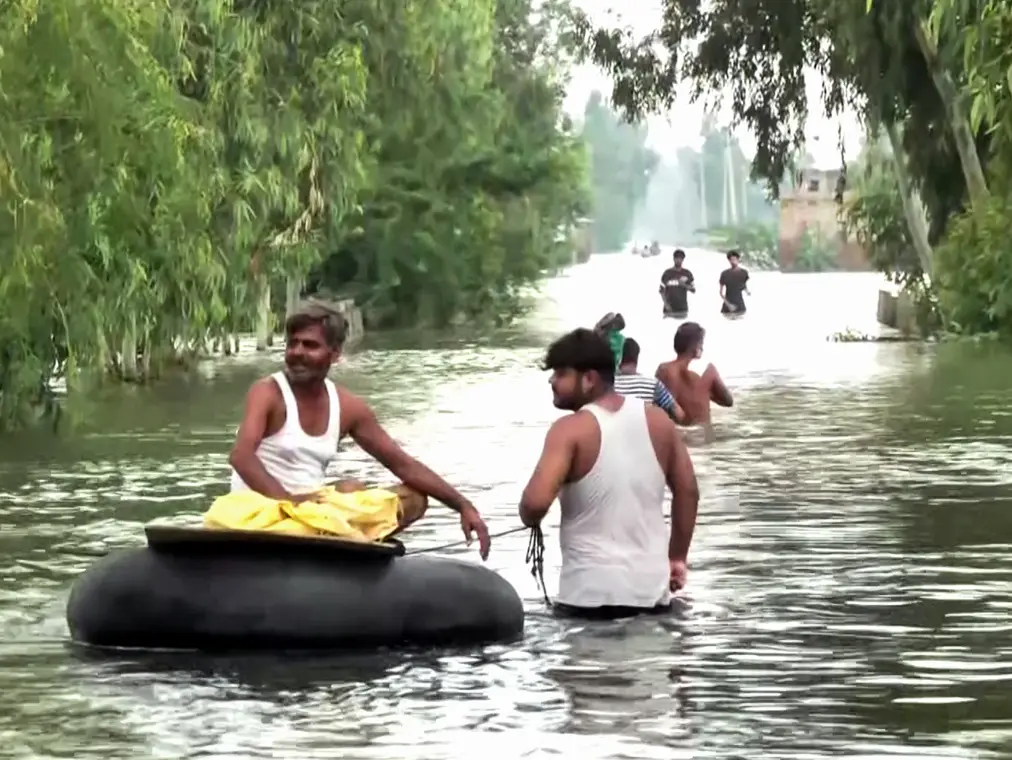
Punjab faces post-flood health risks as unsafe water and stagnant pools fuel fears of cholera, dengue, diarrhoea, hepatitis, and snakebites
As floodwaters recede in Punjab, officials warn that a bigger challenge now is disease outbreaks, with unsafe water and poor sanitation raising risks. The state health department has also issued an alert over the same. Authorities said stagnant floodwater, contaminated food, and disrupted hygiene facilities have created ideal conditions for the spread of waterborne and foodborne illnesses such as cholera, typhoid, diarrhoea, hepatitis A and E, as well as skin infections.
“Traditional water sources have been polluted,” the advisory said, pointing to contamination of wells, handpumps, and pipelines by sewage overflow, decomposed animal carcasses, and industrial effluents from upstream. Doctors have urged residents to drink only boiled water. Water should be brought to a rolling boil and left to cool on its own. Adding ice must be avoided,” the advisory said, stressing that vulnerable groups like infants, the elderly, and immunocompromised people should be given priority if boiling water for all is not feasible.
Health experts are equally worried about vector-borne diseases such as dengue and malaria, since stagnant water left behind by the floods is a breeding ground for mosquitoes. The government has directed local authorities, including panchayat officials and village heads, to ensure proper drainage and carry out spraying drives to curb mosquito larvae.
Also Read: At least one dead, several injured after fire erupts in 24-storey Mumbai residential building
Trending Stories
)
)
)
)
)
)
)
)
)
)
)
)
)
)
)
)
)
)
)
)
)
)
)
)
)
)
)
&im=FitAndFill=(700,400))
)
)
)
)
)
)
The health department has already started medical camps in affected areas, distributing chlorine tablets and conducting house-to-house health checks through teams of ASHA workers and community health officers. Punjab’s health minister Dr Balbir said that anti-snake venom has been stocked across health centres, as snakebite cases often rise during floods. “People must not panic. They should immediately visit the nearest government centre or call our helpline 104 for help,” he said. He further said that water sample testing has been scaled up in the affected districts to ensure that residents have access to safe drinking water.
Punjab death toll now at 48
The devastating floods in Punjab have claimed two more lives, pushing the death toll to 48, officials said on Sunday (September 7). The disaster has also damaged crops spread across 1.76 lakh hectares. Meanwhile, education minister Harjot Bains announced that all schools, colleges, and universities in the state will reopen from September 8. He clarified that if any institution is still affected by floodwaters, the decision on its closure will be taken by the concerned deputy commissioner. The floods, the worst the state has faced in more than three decades, had earlier forced the shutdown of educational institutions across Punjab.

