
&imwidth=800&imheight=600&format=webp&quality=medium "Pasta in Tihar Jail: Bizarre inside-prison demand of American terror accused Matthew VanDyke")
From inmates demanding special meals to criminals using drones to smuggle narcotics, across the world, prisons are battling challenges that go far beyond locked cells and high walls. In New Delhi's Tihar Jail, American national Matthew Vandyke has asked a special NIA court to let him cook his own food inside prison. Arrested in March 2026 in a terror conspiracy case, Vandyke says he cannot eat the jail's "spicy, oily and greasy" meals. He wants permission for his family to provide an induction cooker, cooking stove, olive oil, pasta and other essentials.
Vandyke claims he has lost 14 kilograms during three months in judicial custody after remaining on a prolonged hunger strike. According to his plea, he has been on a hunger strike since May 6 because he could not cope with the food served in jail. The NIA has accused Vandyke and six Ukrainian nationals of illegally entering Mizoram, crossing into Myanmar and training ethnic armed groups linked to organisations targeting both India and Myanmar's military.

At the same time, a new report from Britain's prison inspector has revealed a very different prison crisis. Criminal gangs are increasingly using drones to deliver drugs directly into jails, fuelling a thriving black market behind bars. The report says inmates can order cocaine, ketamine, cannabis, steroids and even lifestyle drugs.
Smugglers exploit broken windows, sneak in keys and glue to remove and refit window panes, and even disguise drug packages as rubbish bags to avoid detection. The findings show nearly 40 per cent of prisoners believe drugs are easy to obtain inside prison.
The report blames overcrowding, boredom, and inmates spending up to 22 hours a day locked in their cells for driving demand. Exposing how prison systems globally are struggling with challenges both inside and outside their walls.
Trending Stories
&im=FitAndFill=(700,400))
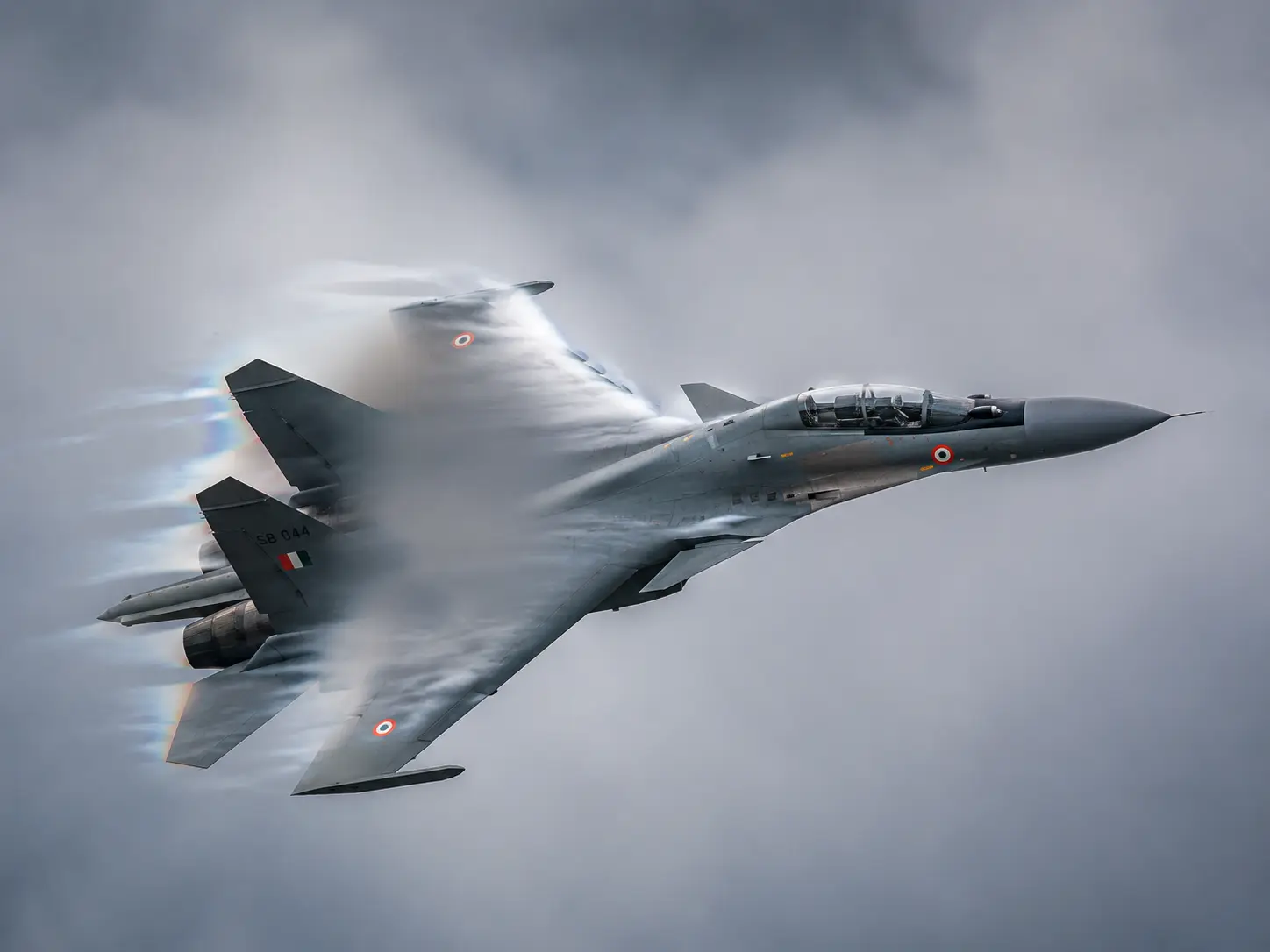
How fast can the Sukhoi Su-30 fighter jet really fly?
)
Did China ask its people 'not to respond to aliens'? Origin of bizarre claim on social media
)
MS Dhoni-CSK Fallout? Report claims failed stake sale talks triggered rift
)
Scientists reveal the SAFEST COUNTRY when catastrophe strikes the planet
)
Serial killer on the loose in South Korea's Jeju Island? Fourth body found in three days as more than a dozen people go missing
)
2/3rd of glacier detached, collapsed: ISRO satellite images reveal what triggered Nepal floods
)
Trump once again claims without him there would be ‘no Israel right now’
)
Foreign espionage attacks against German companies surge to 37%, Bitkom report reveals
)
Blake Lively wins partial legal fee from Justin Baldoni after $8M request
)
Why is Pakistan deploying Turkish Bayraktar TB2 drones near India border?
)
'OH MY GOD! We've found other agents!': Investigators discover not one or two, almost 700 OpenAI AI agents went rogue, hacked Hugging Face
)
Lunar eclipse 2026: India timings, places to see and more. August Blood moon factsheet
)
RSS chief Mohan Bhagwat on global outreach tour
)
Both pilots killed as training aircraft crashes in Lucknow – What we know
)
16-year-old charged with preparing terror attack on kindergarten in Norway
&im=FitAndFill=(700,400))
How the S-400 protects itself from enemy attacks
)
Nepal floods: Over 165 dead, 400 missing; US, India, China, World Bank mobilise aid
)
India's multi-layered watch: The new surveillance war
)
5 doomsday planes spotted in US skies hours after CIA director's secret trip to Russia
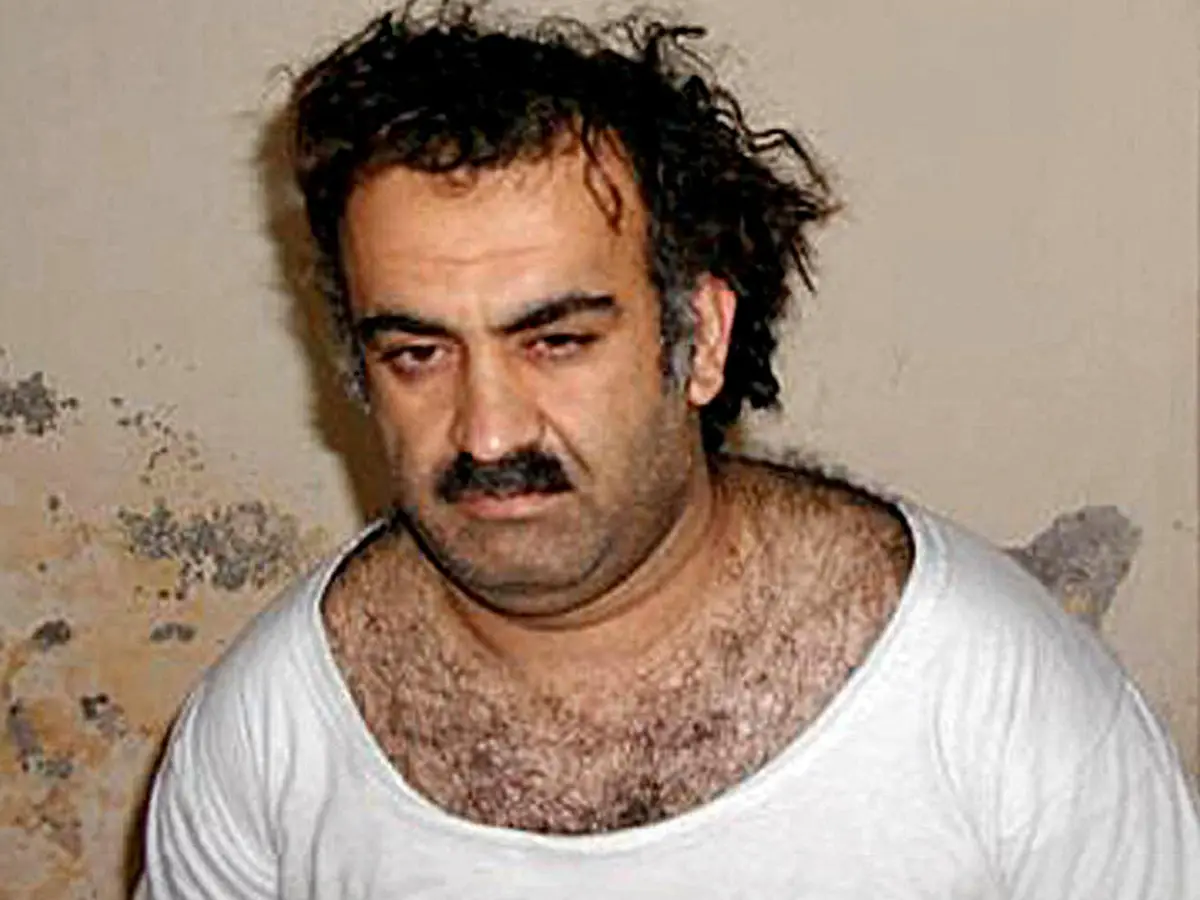)
9/11 mastermind Khalid Sheikh Mohammed to finally face trial in 2028, nearly 27 years after horrific attacks
)
Islamabad hospital fire: What we know about one of the biggest facility that housed Imran Khan
)
Workers run for life while filming Nepal flash flood: Scary new visuals emerge from Rasuwa
)
Russian military planes enter South Korean air defence zone amid rising tensions with North Korea: What's happening
)
Ron Weasley Is Back! Rupert Grint set to return to Harry Potter universe on Broadway
)
400-year-old 'vampire' grave in Poland reveals non-existent genetic lineage
)
Dolly Parton, global icon and queen of country music, dies at 80
)
Nepal flash floods: Kailash Mansarovar yatra affected, close to 400 pilgrims out of contact
)
'If he is dead, they're putting on a pretty good show': Trump casts fresh doubt over Mojtaba Khamenei's fate
)
Man arrested near US Capitol with guillotine in pickup truck: What happened?
&im=FitAndFill=(700,400))
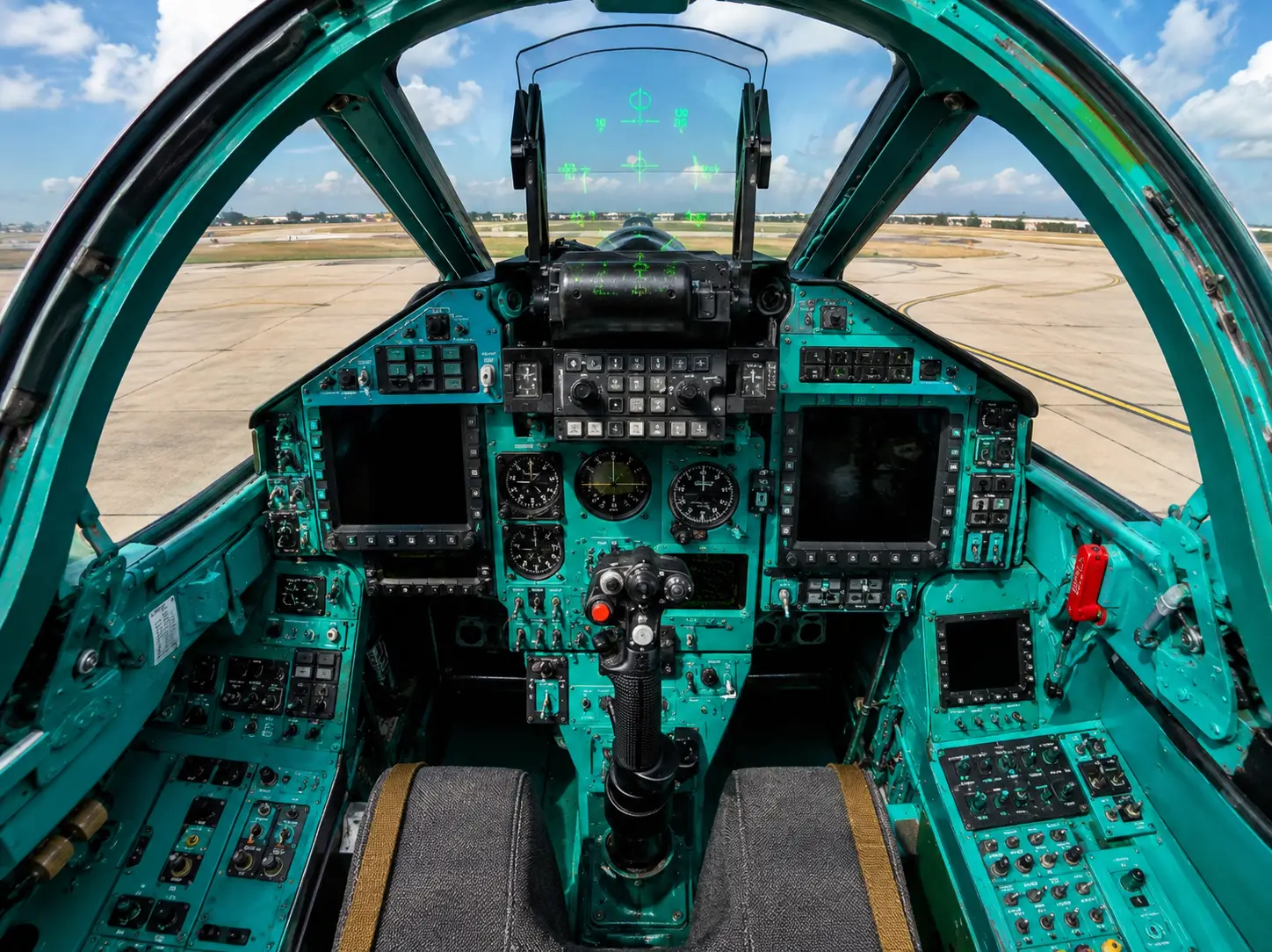
Why the Su-30MKI cockpit is painted bright turquoise green

