Opinion: Why India and Canada need to look beyond Khalistan

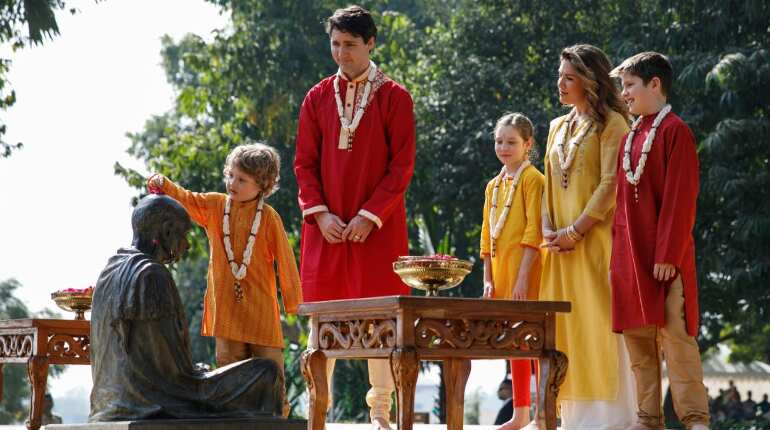
Trudeau
While Trudeau needs to curb the anti-India and pro-Khalistan activities in his regime, Modi also must understand the might of Punjabi community settled in Canada.
India and Canada had historically enjoyed good relationships. On 15th August 1947, when India got Independence, many shop owners in Canada displayed banners on their establishments to celebrate this. Over the years, Canada became one of the biggest hubs of Indian community abroad, particularly the Punjabis.
However, on 18th May 2017, when Mr Tejinder Singh Dhillon, a retired CRPF officer reached Vancouver Airport along with his wife, he was stopped by the immigration officials on the pretext that he belongs to a country which has indulged in “Terrorism, Systematic or gross human rights violation, or Genocide”. This diatribe was targeted towards suppression of the Khalistan movement by the Indian Government. Both were interrogated for over 12 hours by junior officials who used derogatory language and, finally, told them to leave the country even after a friend and ruling Liberal Party politician Surender Purewal intervened. This was an unexpected move but the seeds were sown much earlier.
In November 2015, when the Liberal Party government under Juatin Trudeau took over, he appointed four hardliner Sikh as ministers in the government, which included Harjit Singh Sajjan as Defence Minister and Amarjit Sohi as Minister of Infrastructure. All four of these ministers have been known to be sympathetic to the Khalistan movement.

Another incident made the pro-Khalistan sentiment of the current government further evident when on 30th April 2017, PM Trudeau attended a Khalsa Day Celebration in Toronto where Khalistan Flags were openly hoisted and banners with photographs of known terrorists like Bhindrawale were displayed. Not only this, in the event, Mr Trudeau even felicitated some of the people who were known as notorious Khalistan supporters.
India’s reaction is obvious. No country will accept that its perpetrators are felicitated by the head of state of another PM and the effect is seen over the visit of Mr Trudeau to India. Unlike his hug diplomacy, Mr Modi did not break the protocol and went to receive him at the tarmac. None of the senior ministers were also present and the minister sent to receive him was Mr Gajendra Singh Shekhawat, Minister of State for Agriculture and Farmer’s Welfare. Protocol-wise he is much junior to receive the head of state of a country like Canada. The second message was indirectly conveyed when he visited Taj Mahal at Agra and the visit was totally ignored by Chief Minister Yogi Aditya Nath. And further to add, none of the ministers is accompanying him during his Gujarat Visit.
Earlier in April 2017, when Harjit Singh Sajjan, the Defence Minister of Canada visited India and then to his hometown in Hoshiarpur, he was not accompanied by any central or state minister. It was widely accepted that this was not liked by the Punjab CM Amarinder Singh who had been openly accusing the ministers in Trudeau cabinet for their wholehearted support to Khalistan separatists. The Canadian reaction was also immediate when Amarinder Singh was denied meeting with Punjabis in Toronto and Vancouver.
)
Putin's United Russia party wins 355 seats in Duma election; 4 other parties cross threshold to enter parliament
)
Delhi Air pollution: Strict crackdown on waste burning
)
‘0% chance’: Nvidia CEO Jensen Huang dismisses AI extinction fears by 2030
)
Samay Raina-Mukesh Chhabra controversy explained: What happened over girlfriend joke on India's Got Latent?
)
Trump's helipad event overshadowed by audio failure as major TV networks suspend pool coverage
)
Russia-Ukraine war: Russian strikes knock out three of Ukraine's largest steel plants
)
'Needs time away from the international scene': England white-ball captain Brook on pacer Brydon Carse's future
)
Glitch in the matrix caught on camera: Woman vanishes after talking to reporter
)
Anti-AI activists storm summit, say 'incompetent' leaders are leading us into a disaster - 'We need a vote'
)
Samsung raises Galaxy S26 prices by Rs 20,000: Here’s what each model now costs
)
IIT Bombay tensions ease after three-hour open house; director’s assurances pacify students
)
J&K Assembly Session begins amid chaos: BJP, ruling alliance clash as statehood demand dominates
)
Shah Rukh Khan visits Lalbaugcha Raja with wife Gauri Khan and daughter Suhana
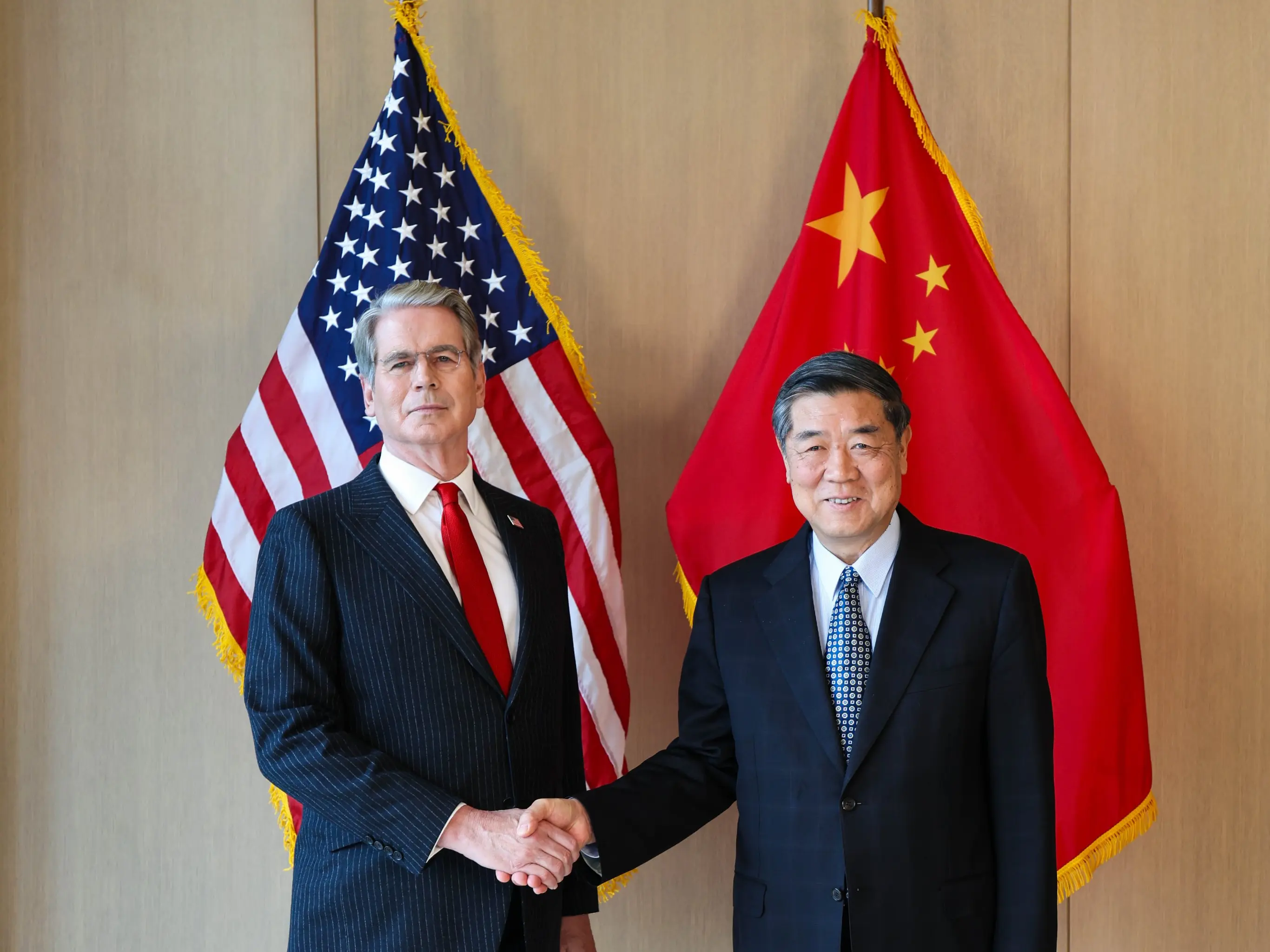)
Bessent meets China’s He Lifeng to prepare for Trump-Xi summit
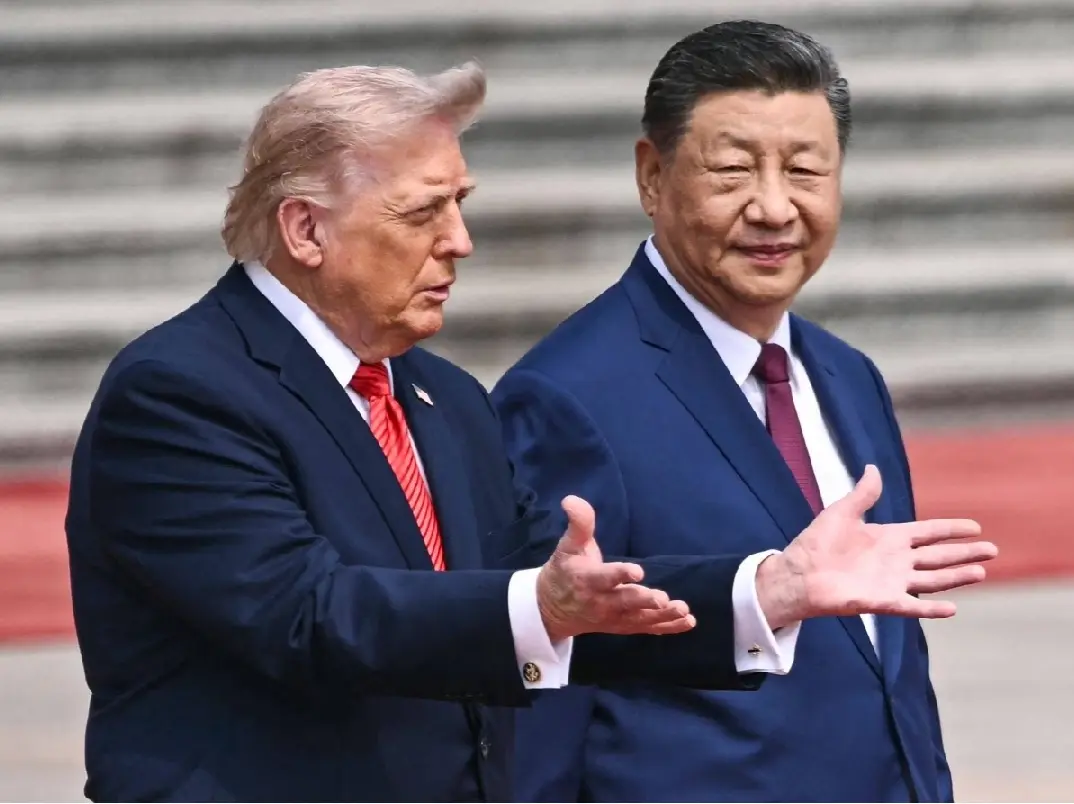)
US and China vie for AI dominance as calls grow for regulation | Gravitas
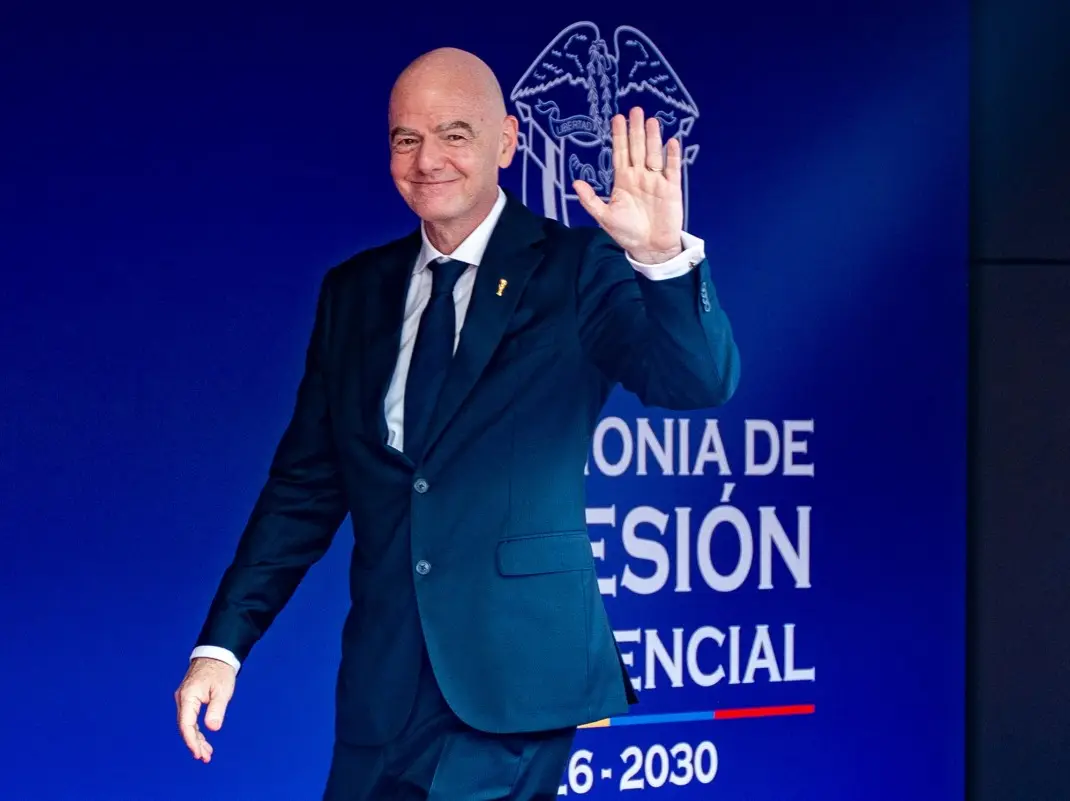)
FIFA chief Infantino wants to reform governing body with consultation from federations
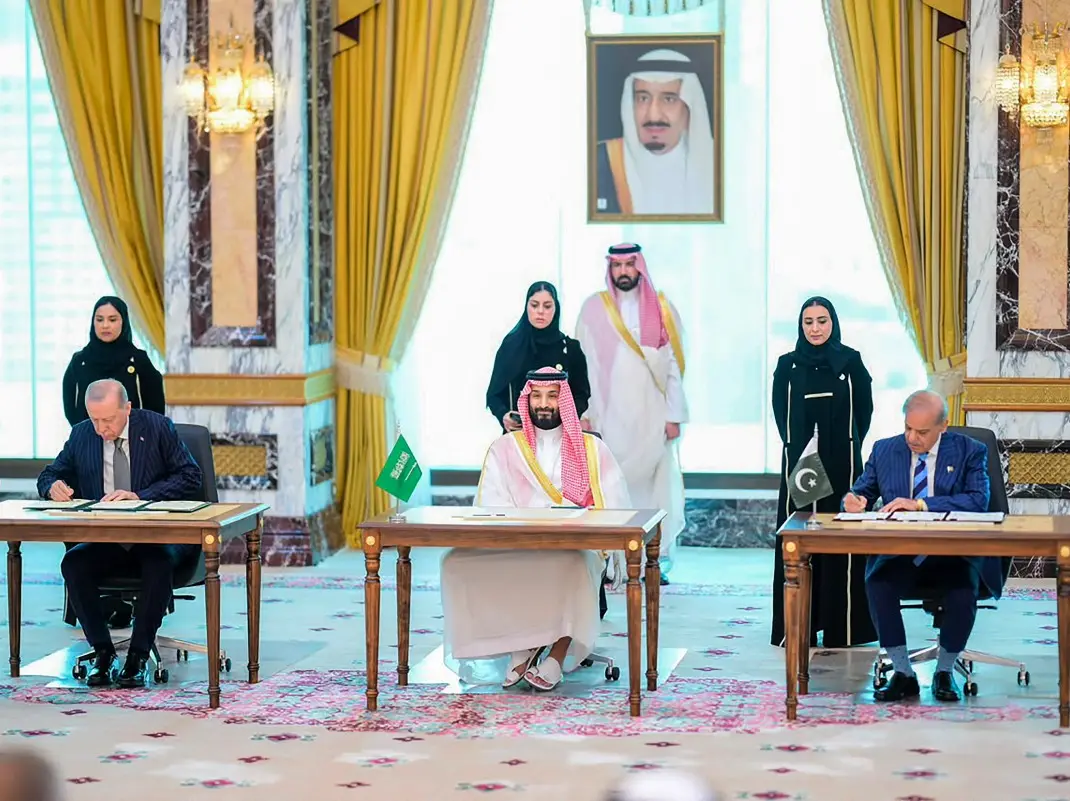)
The Verdict | The Mecca Agreement is under scrutiny as Houthis attack Saudis
)
India at UNGA81: Jaishankar warns global order under 'growing stress', pushes for ‘reformed multilateralism’
)
Saudi Arabia exits China-led mBridge digital currency platform amid Saudi-Houthi conflict
)
'Lot of things to learn from experienced players': Jayasuriya backs Rohit, Virat for 2027 ODI World Cup
)
$110 billion Warner Bros merger: Paramount reaches settlement with 12 US states
)
Mahabharat actor Saurav Gurjar arrested in Hyderabad, sent to 14-day judicial custody in sexual exploitation case
&im=FitAndFill=(700,400))
New OTT releases this week (September 21-27, 2026): Shaque: Trust No One, Hunkkaar, Don’t Be Shy- 5 new titles coming to Netflix, Prime Video and more
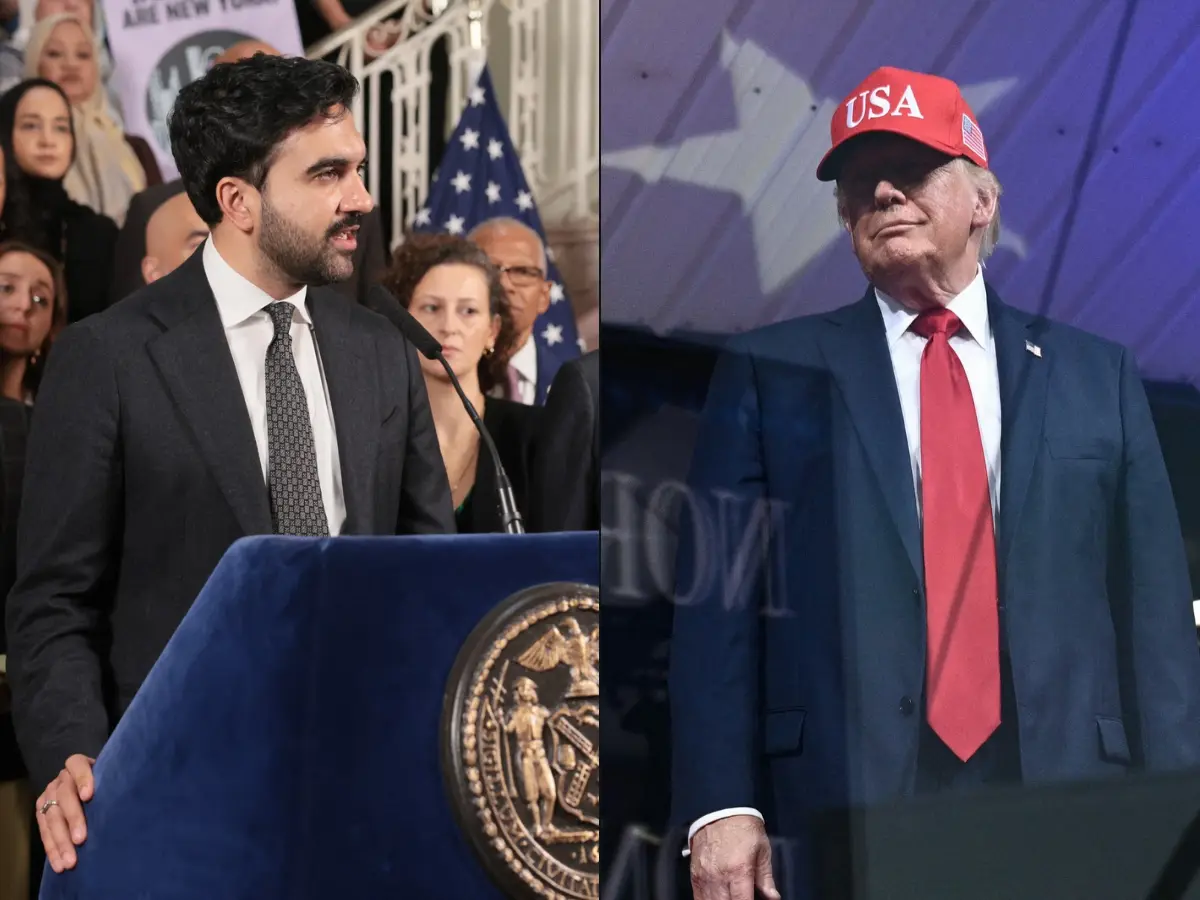)
From ‘communist’ to ‘great mayor’: Trump praises Mamdani after New York meeting, discusses immigration and housing
)
Report: Zelensky meets CIA chief Ratcliffe at Shannon airport, weeks after his secret Moscow trip
)
WATCH | Mysterious lights over Tehran caught on video. Drone, aircraft or something else?
)
How Zaheer Khan came to be CSK's head coach of IPL 2027
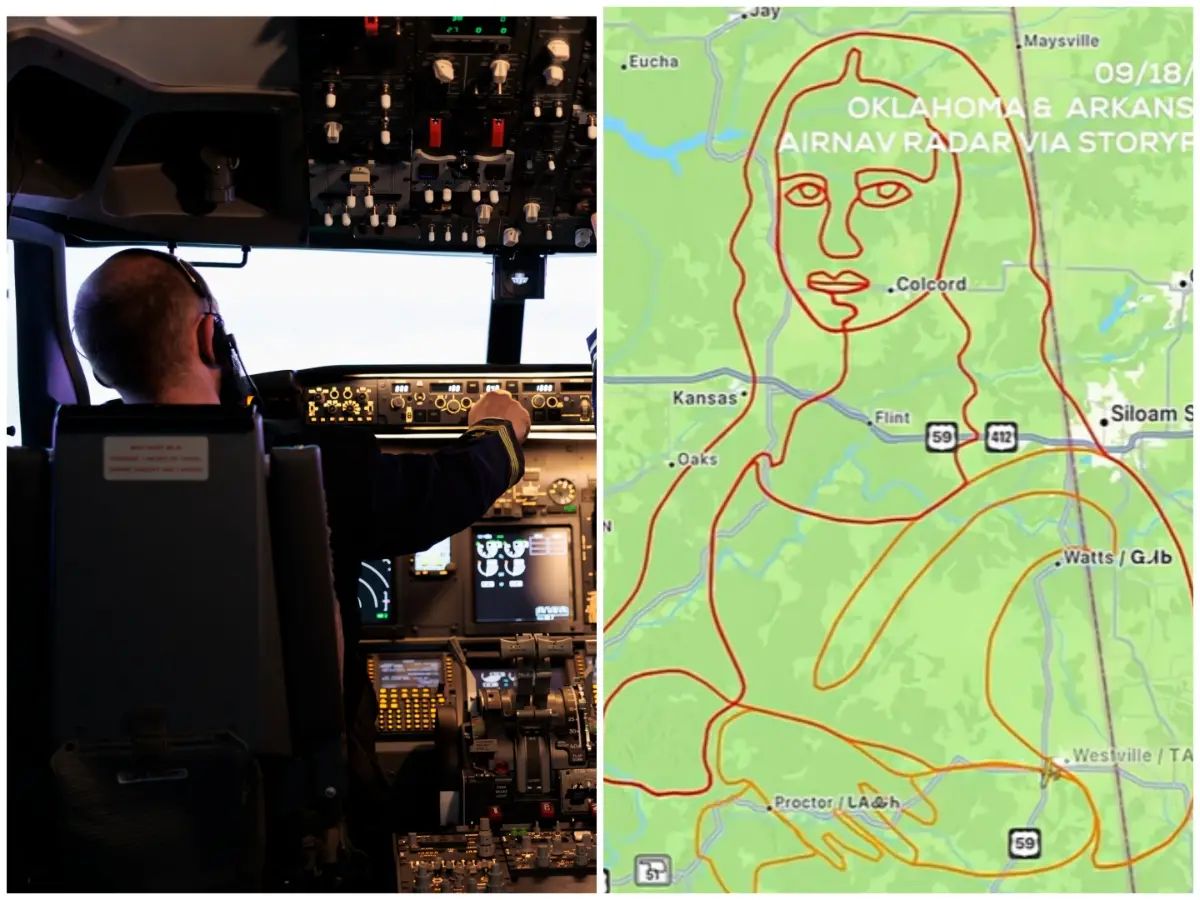)
Pilot recreates Mona Lisa in sky over Oklahoma and Arkansas in four-hour flight: VIDEO
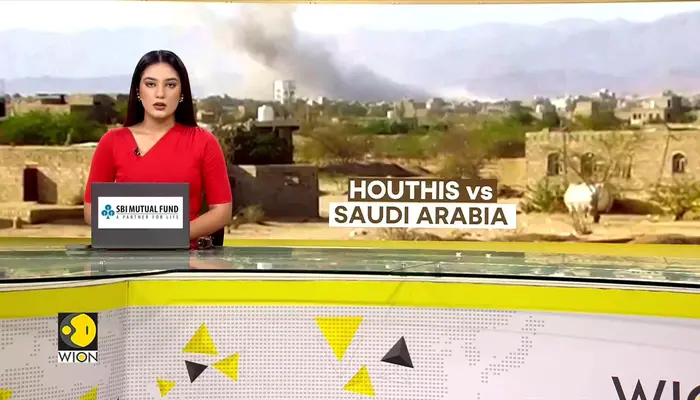)
UK PM Burnham agrees to 'defensive' military support for Saudi Arabia against Houthis
)
Jailer 2: Vidya Balan joins Rajinikanth's upcoming film as Kantha | Watch
)
Microsoft executive called AI training the ‘largest theft of labour in human history’
)
IIT Bombay student death: CCTV footage becomes key evidence as police reconstruct Sahil Wakode's final hours
)
40-foot waves crash into cruise ship in dangerous stretch near Antarctica. Watch
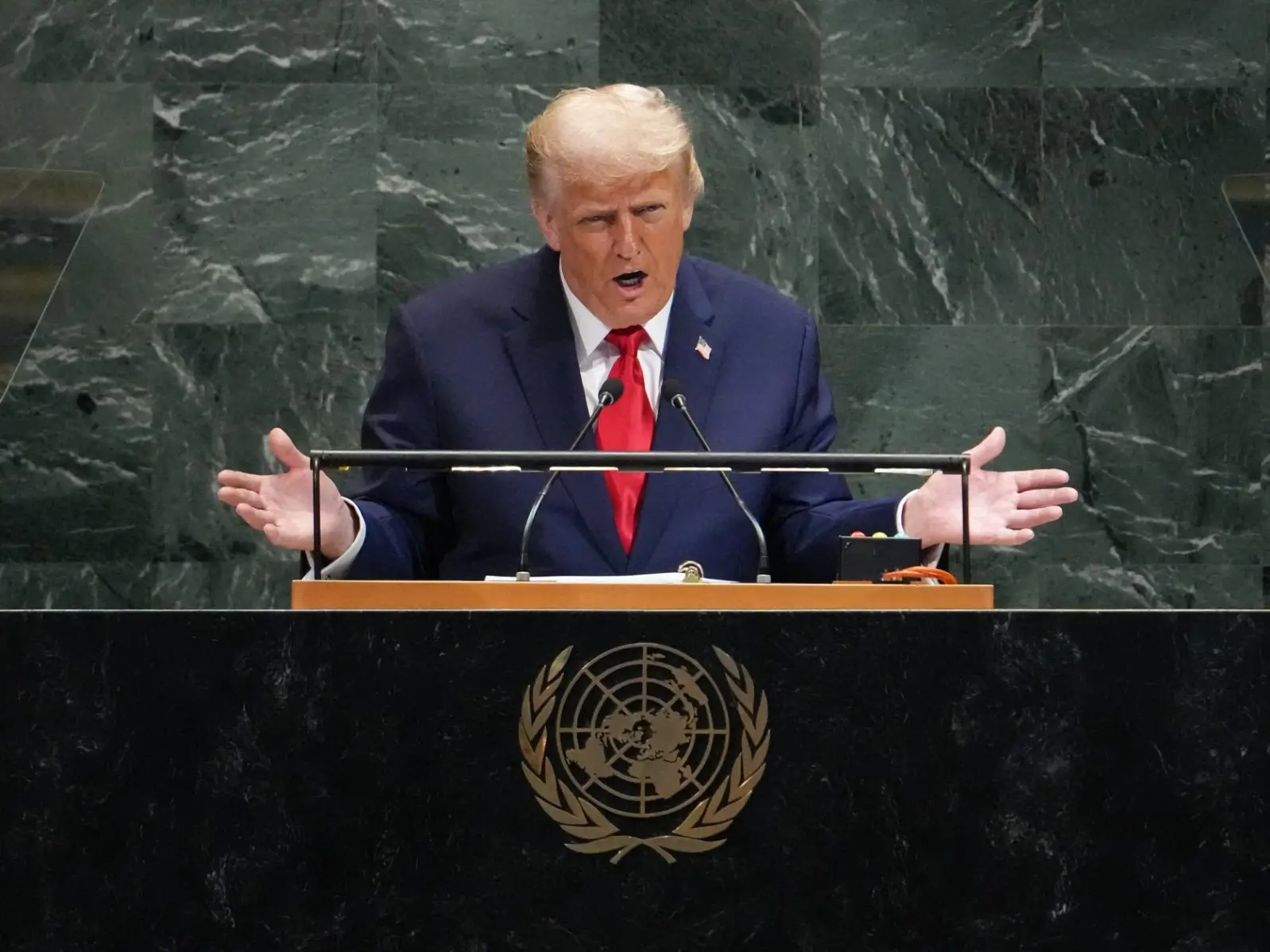)
US-Iran war, peace deals and more: What to expect from Trump's UNGA 2026 speech
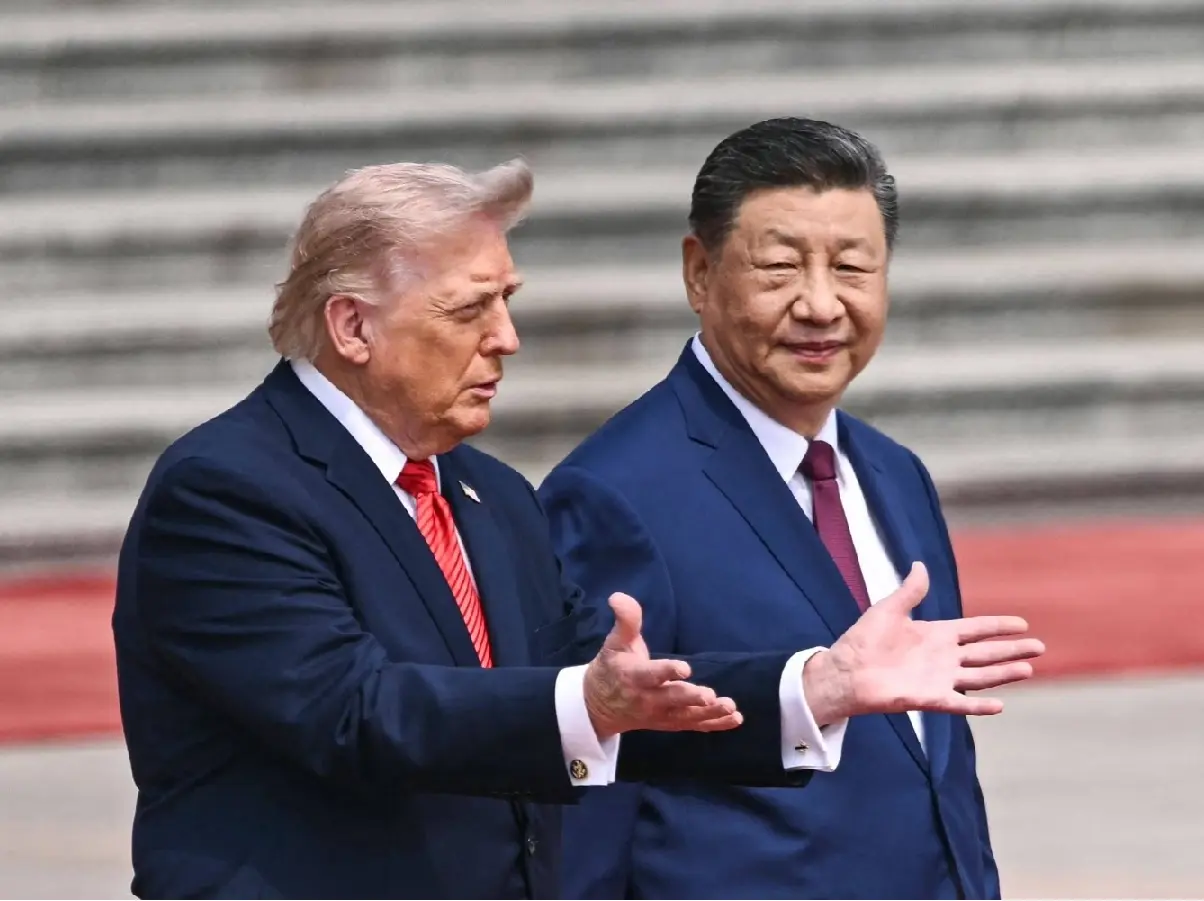)
Explainer: Why rare-earth export licences and Board of Trade are US priorities ahead of Trump-Xi summit
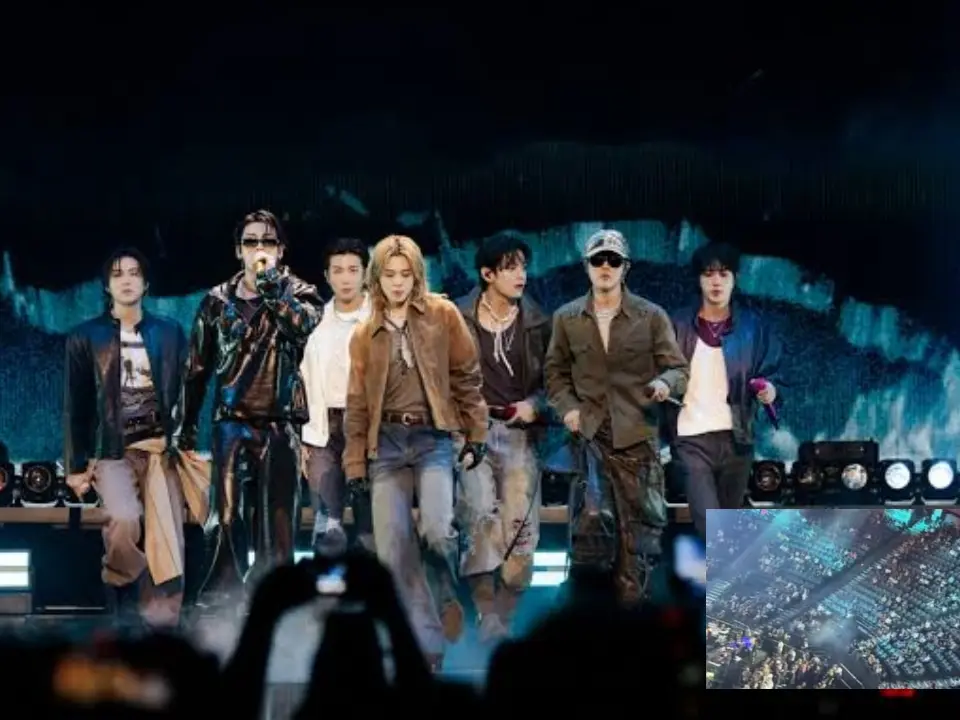)
BTS fans mock iHeartRadio’s day 2 turnout after short set controversy
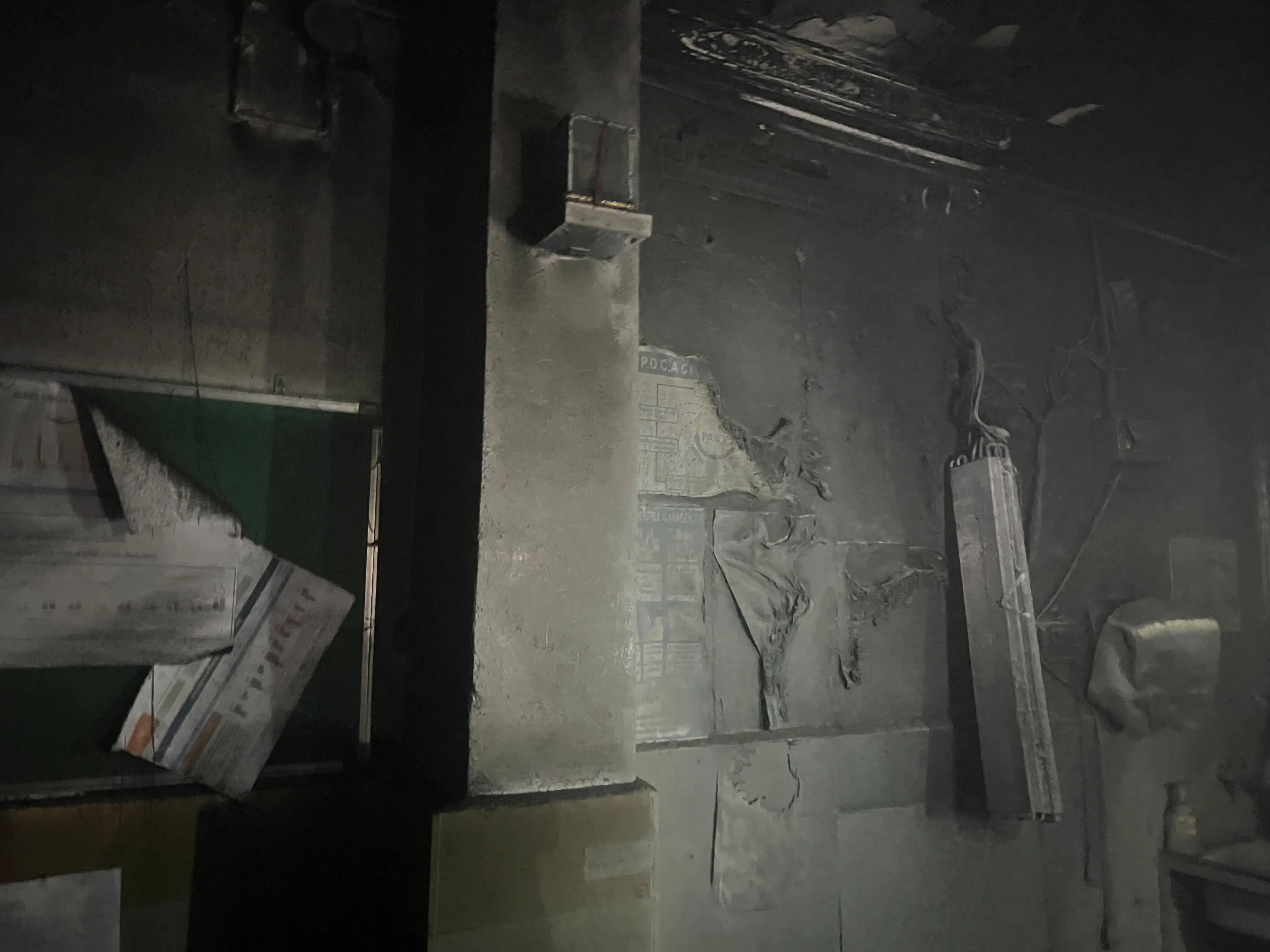)
Two infants die after fire breaks out at RIMS newborn care unit in Telangana's Adilabad
India wants to convey its message loud and clear, we would not like you to harbour the elements deemed dangerous for the sovereignty of the nation. Canada and Punjab in India had been inseparable for so many decades. More than 3.5% of the Canadian population comes from Punjab and, over the last so many decades, Punjabis have contributed significantly to the development of the North American country. Their role in the future of Canada is also clearly visible to the global community and this is the reason that despite all odds, Trudeau visited India to take the first step towards re-defining the relationship.
Both the countries have a long way to go especially in the fields of nuclear energy, bilateral trade which is still hovering around 6-7 Billion US $ annually. There is a large scope in the field of bilateral cooperation in defence, agriculture, industries, IT and renewable energy on which both countries can mutually progress. Khalistan had been an issue of the past and claimed more than 21,000 lives. This needs to be buried forever which can be done by the strong will of both the leaders.
On one hand, while Trudeau needs to curb the anti-India and pro-Khalistan activities in his regime, Modi also must understand the might of Punjabi community settled in Canada. Petty incidents like the ones mentioned above can sometimes derail the process and it is the responsibility of both leaders to get this moving.
(Disclaimer: The opinions expressed above are the personal views of the author and do not reflect the views of ZMCL)