Opinion: Remembering Gandhi and 125 years of Satyagraha

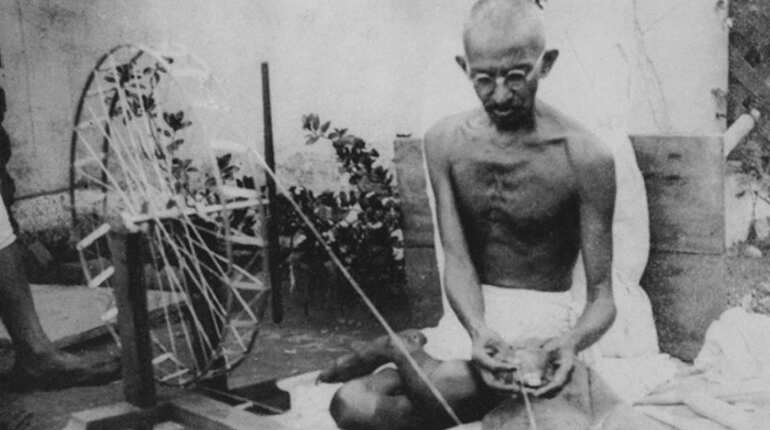
Mahatma Gandhi
Gandhi should be remembered for his idea of India which was not to build an exclusive cultural identity.
How does one remember Mohandas Karamchand Gandhi? For becoming the leading light of fight against the British? For his writings? For lending the concept of non-violence in the sphere of political action or simply for his compassionate view on how people can live together? I would remember Gandhi on 125th year of Satyagraha for the last reason.
Gandhi's exercise of freedom struggle was both external and internal at the same time. It was different from violent struggles where the object was to target the colonial power through any means so as to force them out of India.
Gandhi on the other hand embarked on self-transformation through public campaign. Making of salt was an act of defiance but it never concluded in violence. Non-violent protest was part of character building process whereby power of protest flew from moral outrage than possibility of physical harm. It never allowed violence to create a vicious circle which was witnessed in many colonised nations which continued way after they had won independence.

Freedom was not an achievement for Gandhi. It was a desire to create Ram Rajya for millions of people who were divided by caste and religion and united by poverty. The idea was not to build Ram Rajya which would exclude people. It was all inclusive. It tried not to create a sense of other to unite the rest. It is for this reason when Nehru and Patel were busy grappling the reign of power, the dejected old man was busy trudging through the riot hit areas of the sub-continent. The sub-continent was partitioned but Gandhi never allowed his grief to turn into bigotry. He ensured that Congress doesn't indulge in it. Gandhi could not control organisations like RSS but he never went after them like a rogue policeman.
Gandhi should be remembered for his idea of India which was not to build an exclusive cultural identity. His idea of India had space for every religion. He did not hunt for internal enemy. Gandhi's struggle was both collective practice and individual practice in honesty, intellectual development, discipline, ecological sustainability and socio-religious tolerance. Today India is caught in the same debate which dominated political narrative before Gandhi was assassinated. Who does India belong to? Who has the first right to India? Who can stay in India and who should leave? Will Hindus have their say in the country? It is for this reason that Gandhi's satyagraha should be remembered.
It was simply against discrimination and segregation. It united people in campaign which became a nation. His campaign united colour and race and created space for citizens. His Satyagraha even neutralised patriarchy by allowing women full participation in public life. It is for this reason that Gandhi's Satyagraha should be remembered.
&imwidth=180&imheight=135&format=webp&quality=medium)
Selma Blair’s team responds to flight incident, says actress ‘did not intend to harm anyone’
&imwidth=180&imheight=135&format=webp&quality=medium)
Did Trump just fire Katie Zacharia as his new press secretary? Here’s what he said
&imwidth=180&imheight=135&format=webp&quality=medium)
Trump invokes national interest to waive new Russia sanctions, tariffs; India gets relief from 100% tariff threat
&imwidth=180&imheight=135&format=webp&quality=medium)
BCCI names India’s ODI squad for New Zealand tour, Gill and Iyer to share captaincy
&imwidth=180&imheight=135&format=webp&quality=medium)
India’s naval priorities: Ex-Navy Chief calls for third aircraft carrier, more warships and submarines
&imwidth=180&imheight=135&format=webp&quality=medium)
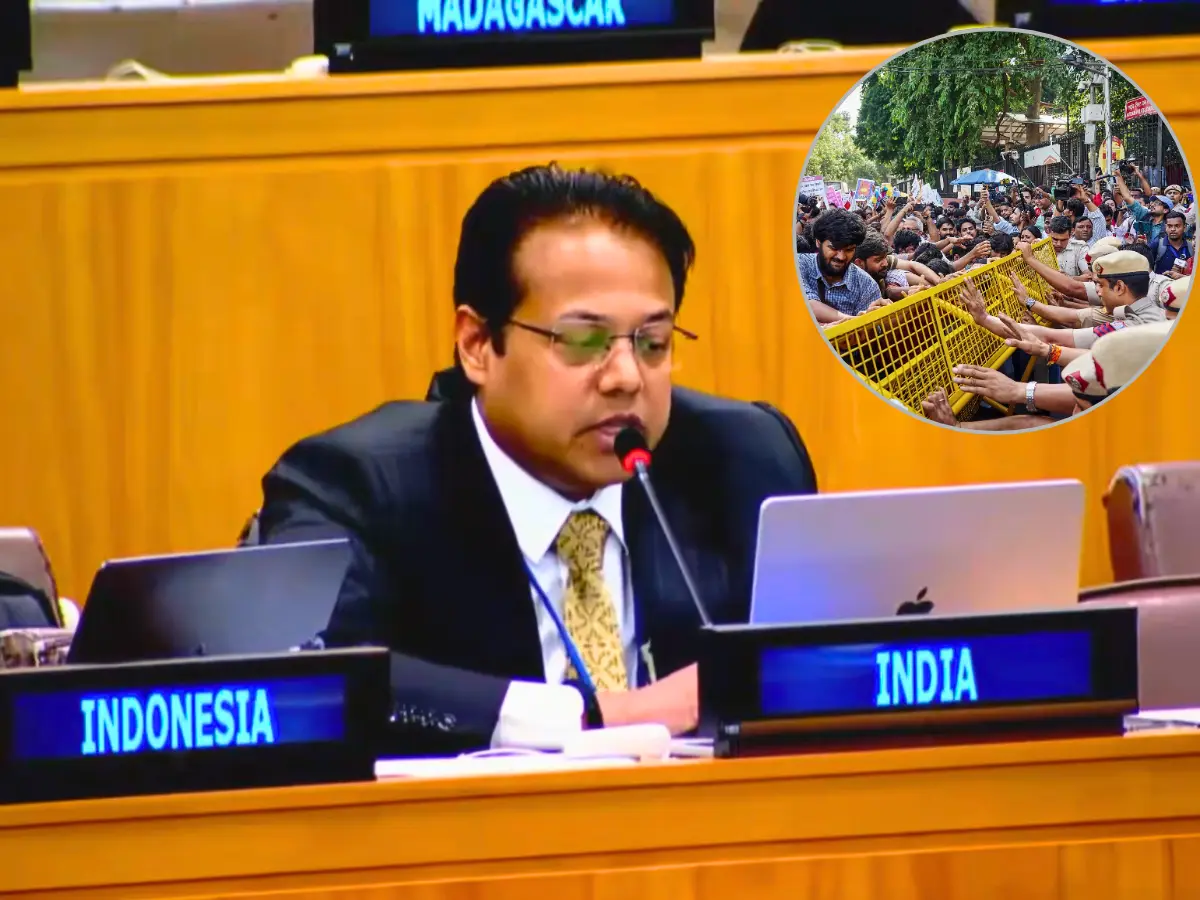
'Reason UN has lost credibility': Amid SIR protests India hits out at report alleging 'youth repression'
&imwidth=180&imheight=135&format=webp&quality=medium)
US midterms 2026: Ken Paxton may have Elon Musk to thank if he wins the Texas Senate race. Here's why
&imwidth=180&imheight=135&format=webp&quality=medium)
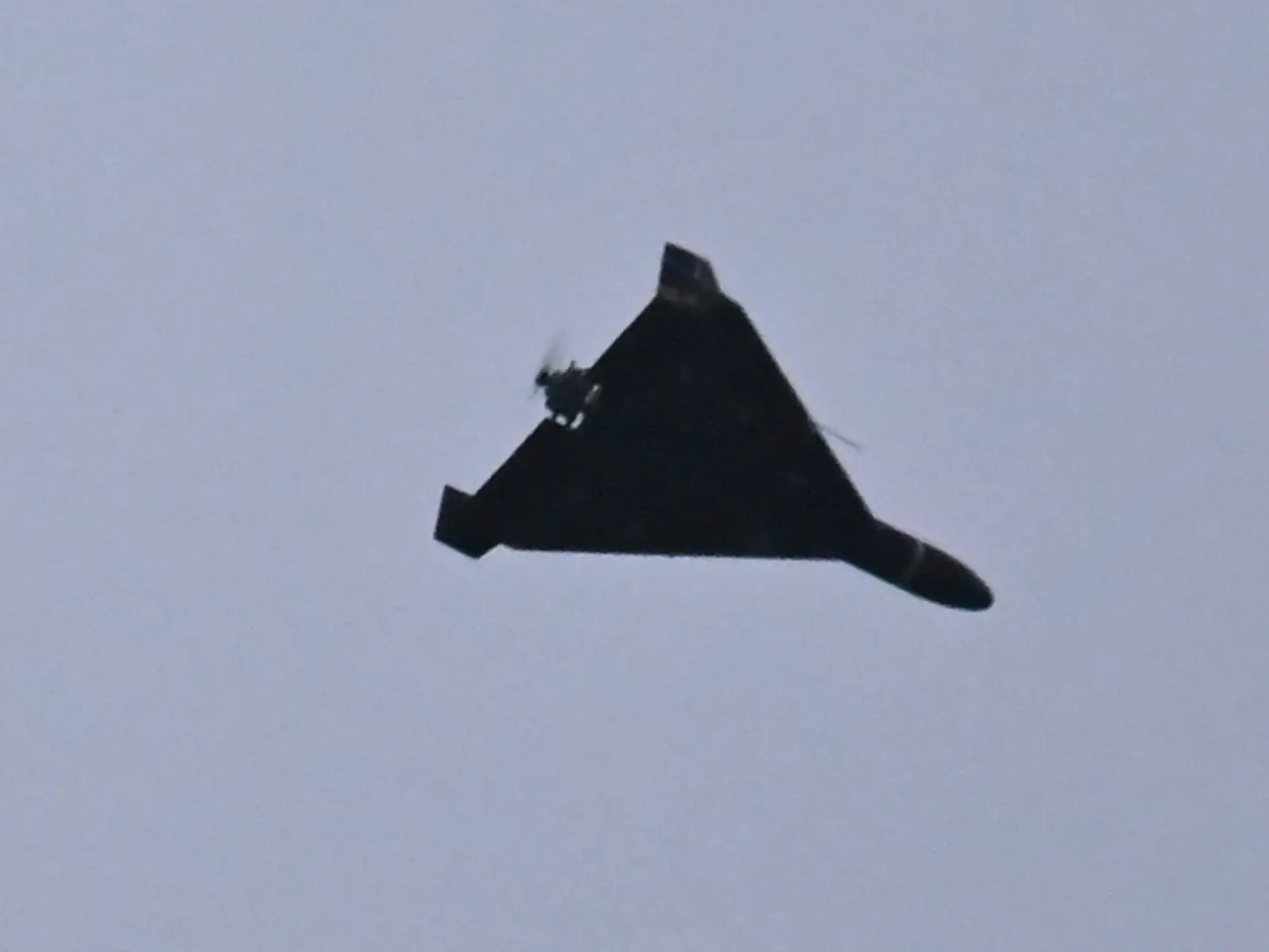
Israel examines Russia's Shahed-type drones sent by Ukraine to combat Iran | Gravitas
&imwidth=180&imheight=135&format=webp&quality=medium)
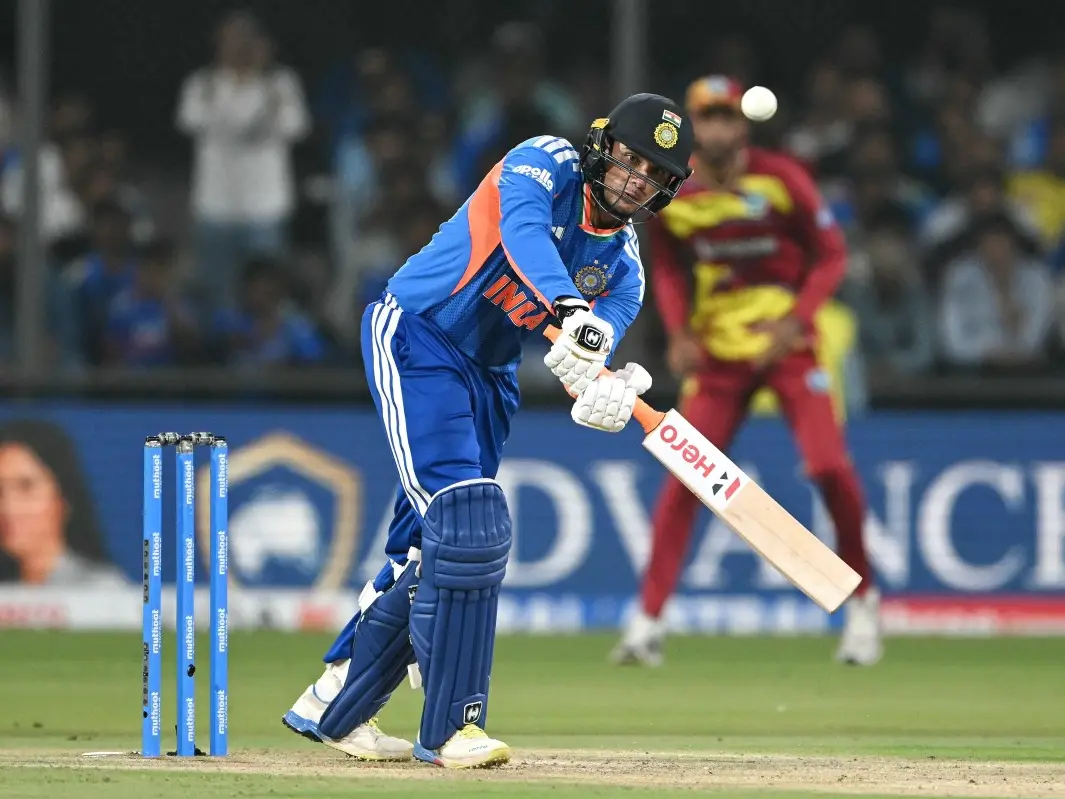
Abhishek Sharma sets all-time record for most T20I sixes in a year
&imwidth=180&imheight=135&format=webp&quality=medium)
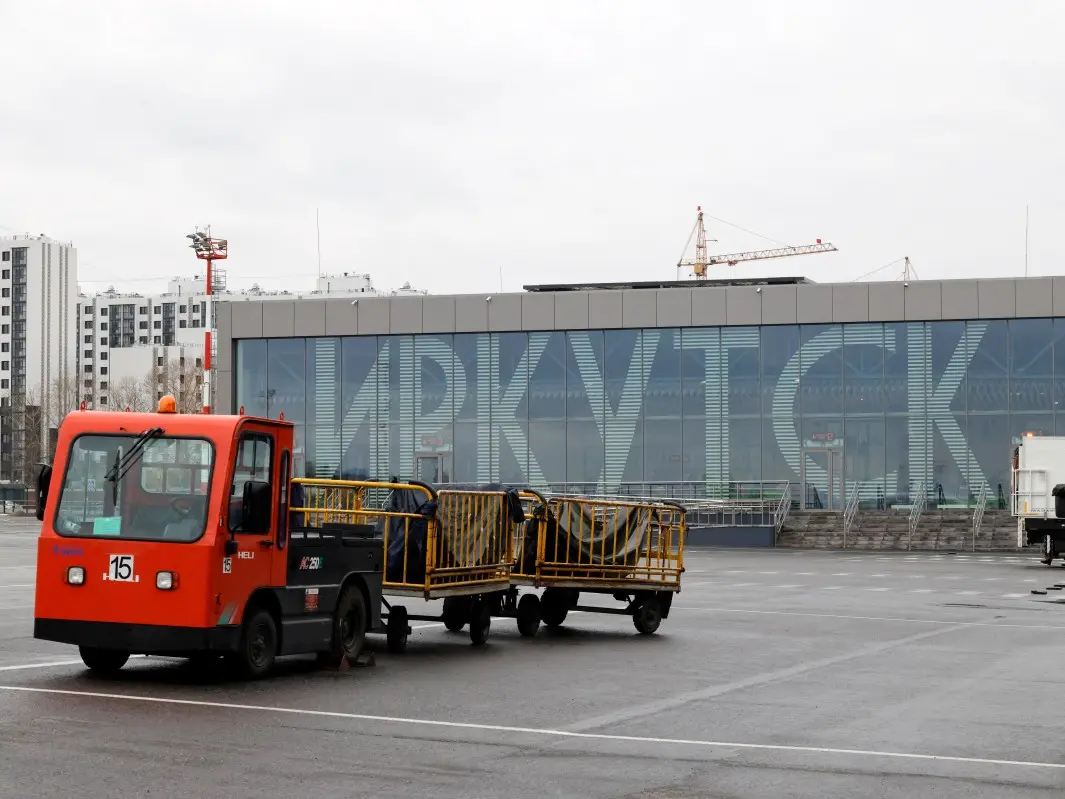
Ukraine drone strike disrupts 22 Russian airports, over 200 flights
&imwidth=180&imheight=135&format=webp&quality=medium)
Vijay Deverakonda and Rashmika Mandanna's Ranabaali X Review: Netizens call it history-rich but overstuffed
&imwidth=180&imheight=135&format=webp&quality=medium)
‘My president, I mean my husband’: Trump's new press secretary Katie Zacharia's first briefing goes off the rails in 14 minutes
&imwidth=180&imheight=135&format=webp&quality=medium)
US midterms 2026: Alexandria Ocasio-Cortez donates $1 million to Abdul El-Sayed’s as Michigan race heats up
&im=FitAndFill=(700,400)&imwidth=180&imheight=135&format=webp&quality=medium)
Inside Tesla's Roadster: 10 features of Elon Musk's 'flying car' that push the limits of electric vehicles | In Pics
&imwidth=180&imheight=135&format=webp&quality=medium)
'We are not sitting in ivory towers, we are aware': SC issues notice to Rahul Gandhi, Akhilesh Yadav

Not Khan but Pal: Why did Imran Khan choose his mother's surname over his father's? Family tree explained
&imwidth=180&imheight=135&format=webp&quality=medium)
Gravitas | Iran threatens to hit key bridges in 7 countries if US resumes strikes
&imwidth=180&imheight=135&format=webp&quality=medium)
US budget deficit nears $2 trn as tariff refunds rise; debt crosses $40 trn
&imwidth=180&imheight=135&format=webp&quality=medium)
A secret code, a midnight escape and 300 deaths: The Russian officer who turned on Putin
&imwidth=180&imheight=135&format=webp&quality=medium)
Here’s who is eyeing the White House press secretary role after Katie Zacharia’s exit
&imwidth=180&imheight=135&format=webp&quality=medium)
IND-W vs ZIM-W, 1st T20I: Deepti Sharma, Niki Prasad shine as India beat Zimbabwe by four wickets
&im=FitAndFill=(700,400)&imwidth=180&imheight=135&format=webp&quality=medium)
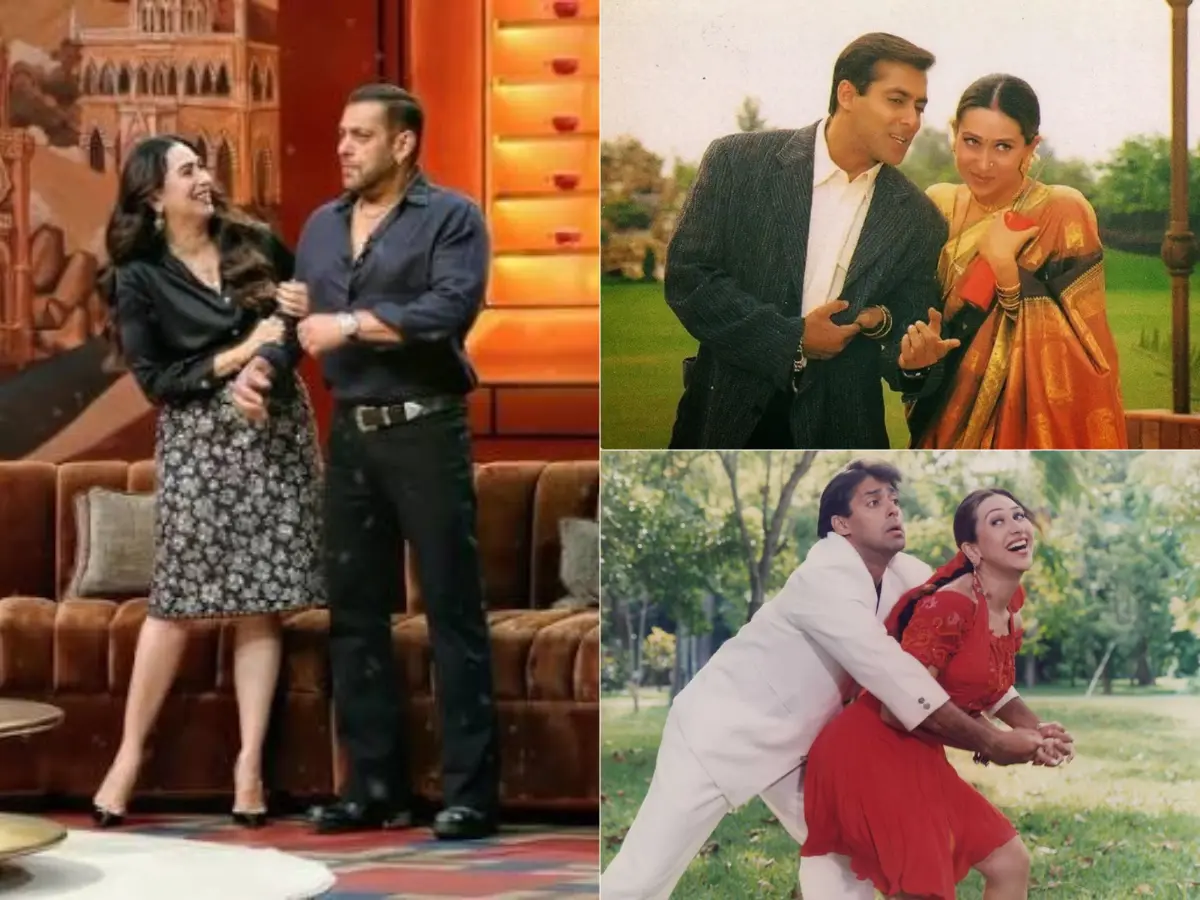
Salman Khan-Karisma Kapoor reunion at Koffee with Karan season 9 sparks nostalgia: A look at their most loved films
&imwidth=180&imheight=135&format=webp&quality=medium)
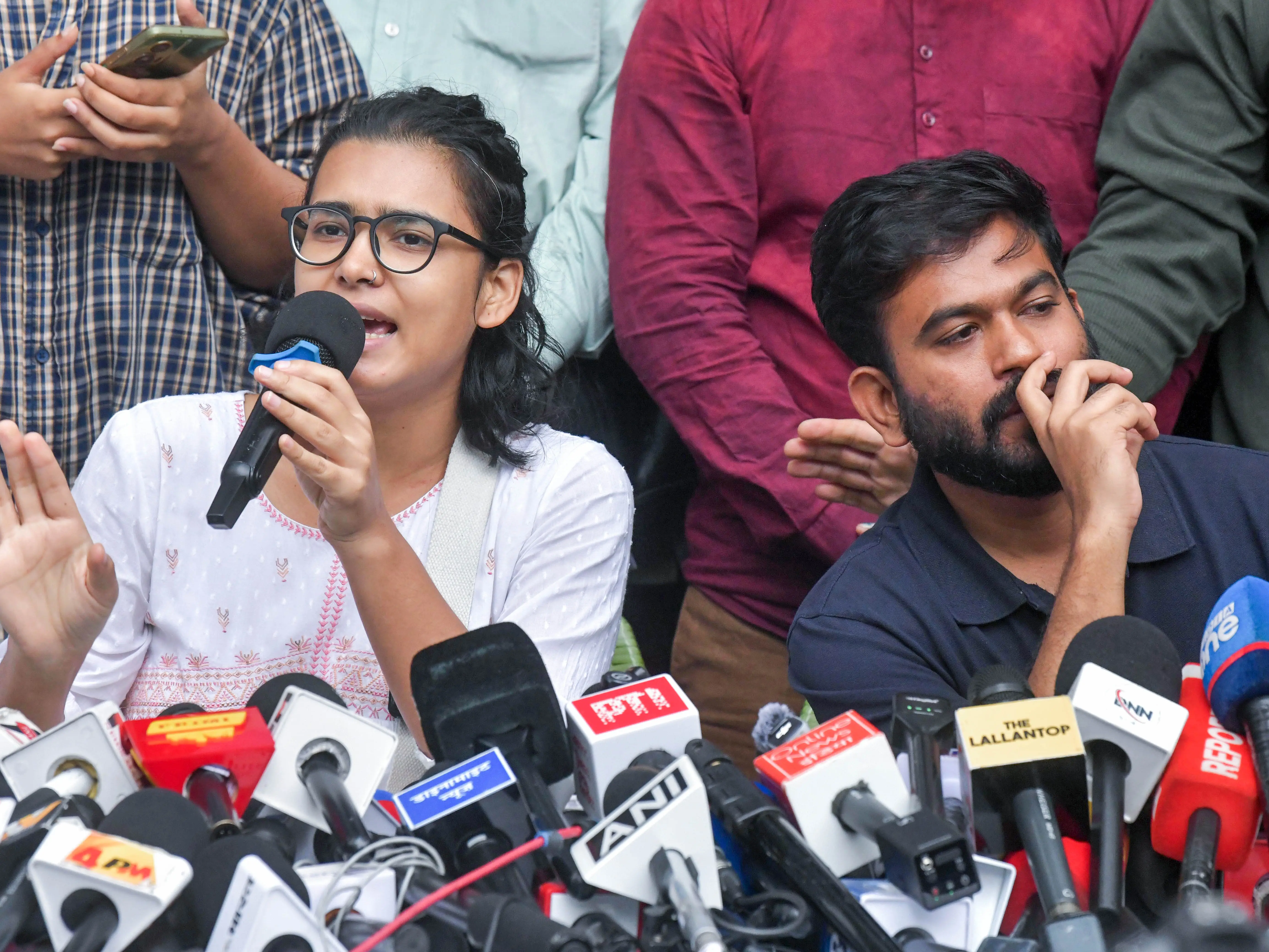
India's Gen Z rebellion: Can the 'Lehra Do Tiranga' movement reshape the political order? | The Verdict
&imwidth=180&imheight=135&format=webp&quality=medium)
After ODIs, T20Is and Tests, cricket set to introduce a new format: All you need to know
&imwidth=180&imheight=135&format=webp&quality=medium)
China responds to Trump's Press Secretary Katie Zacharia after toilet remark: 'Visit China more often'
&imwidth=180&imheight=135&format=webp&quality=medium)
CJP's Tiranga march: People hit streets of Delhi again, reiterate call for Gyanesh Kumar's resignation
&imwidth=180&imheight=135&format=webp&quality=medium)
Starlink says 'ready to connect India with high-speed internet' amid Reliance row
&im=FitAndFill=(700,400)&imwidth=180&imheight=135&format=webp&quality=medium)
Who left the White House podium the fastest? Press secretaries with the shortest stints
&imwidth=180&imheight=135&format=webp&quality=medium)
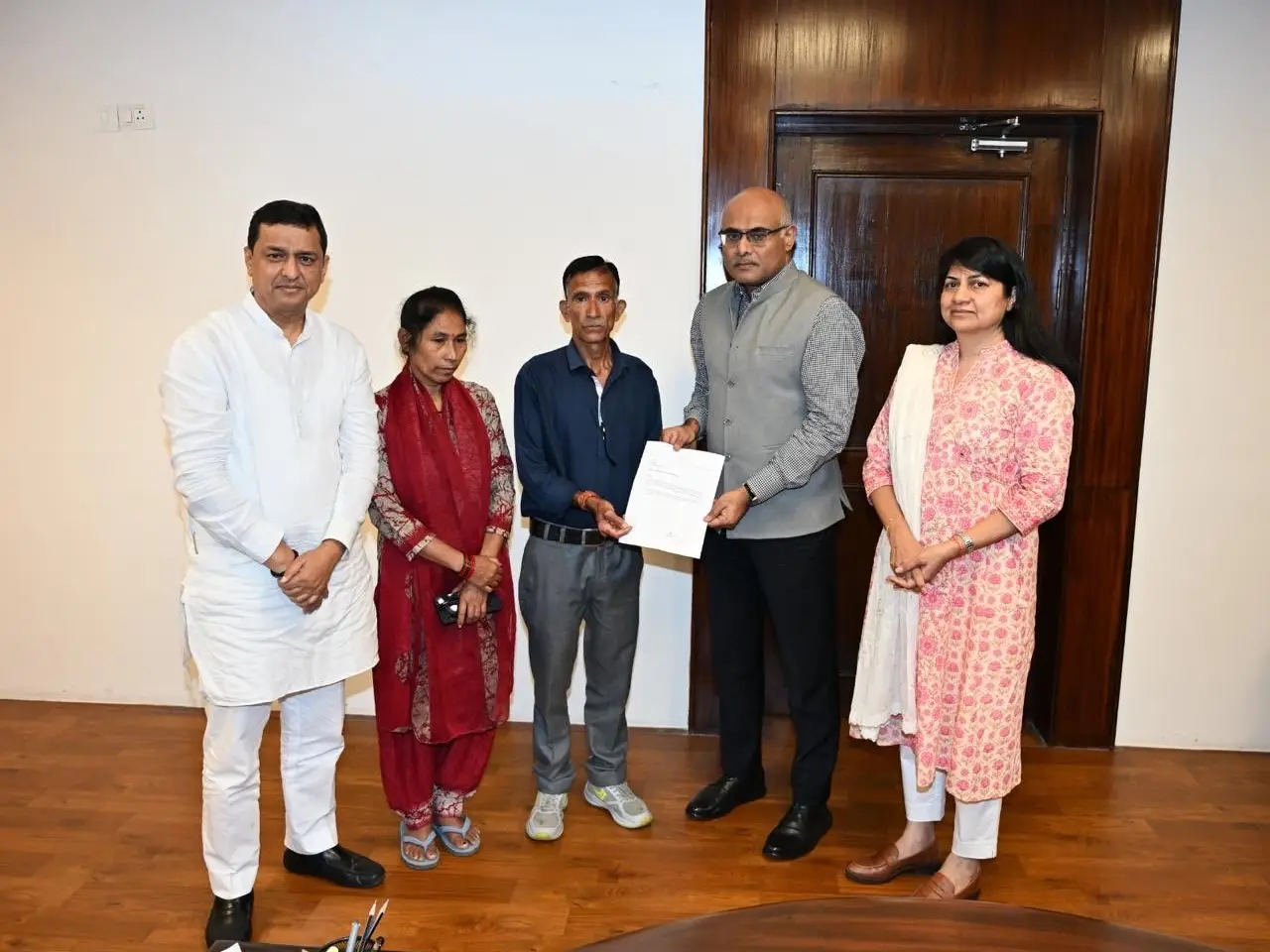
Ankita Bhandari murder case: Parents meet CBI, seek impartial investigation
&imwidth=180&imheight=135&format=webp&quality=medium)
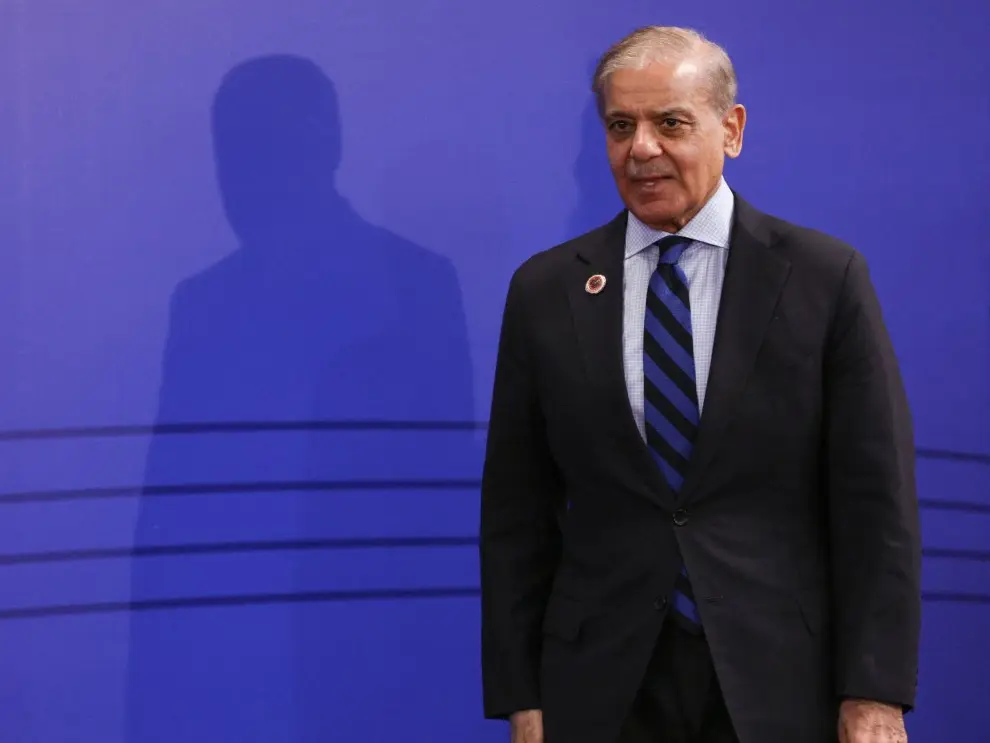
Pakistan to head IMF, World Bank boards after 74 years amid persistent economic crisis
&im=FitAndFill=(700,400)&imwidth=180&imheight=135&format=webp&quality=medium)
New Friday OTT releases (October 16, 2026): DC, Sacrifice, Aasha- 6 new movies and TV shows coming on Netflix, Zee 5, Prime Video and more
&imwidth=180&imheight=135&format=webp&quality=medium)
Group's fibre-optic drones pose new challenge for Israel
&imwidth=180&imheight=135&format=webp&quality=medium)
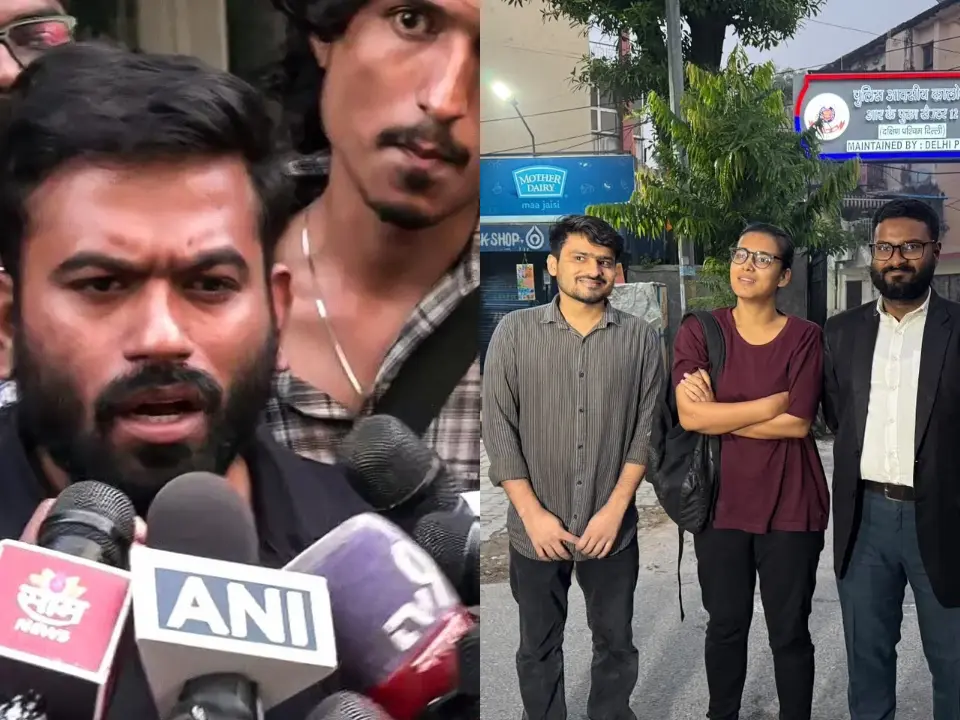
Delhi police places CJP's Abhijeet Dipke under preventive arrest over breach of peace, AISA Chief Neha Bora released
&imwidth=180&imheight=135&format=webp&quality=medium)
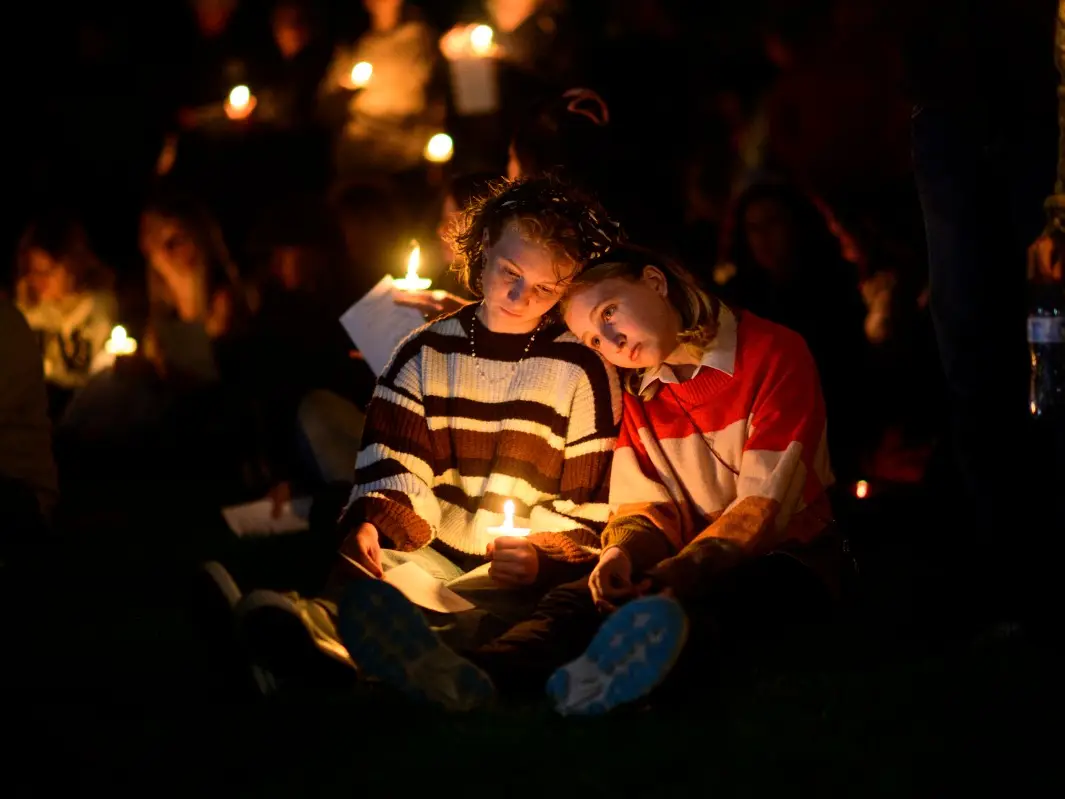
Oregon school shooting: 16-year-old shooter identified, used shotgun bought by mother; Trump praises bystander who shot gunman as 'great hero'
&imwidth=180&imheight=135&format=webp&quality=medium)
US midterms 2026: Dan Sullivan’s ‘gotcha’ attempt backfires against Mary Peltola in fiery Alaska Senate debate
&imwidth=180&imheight=135&format=webp&quality=medium)
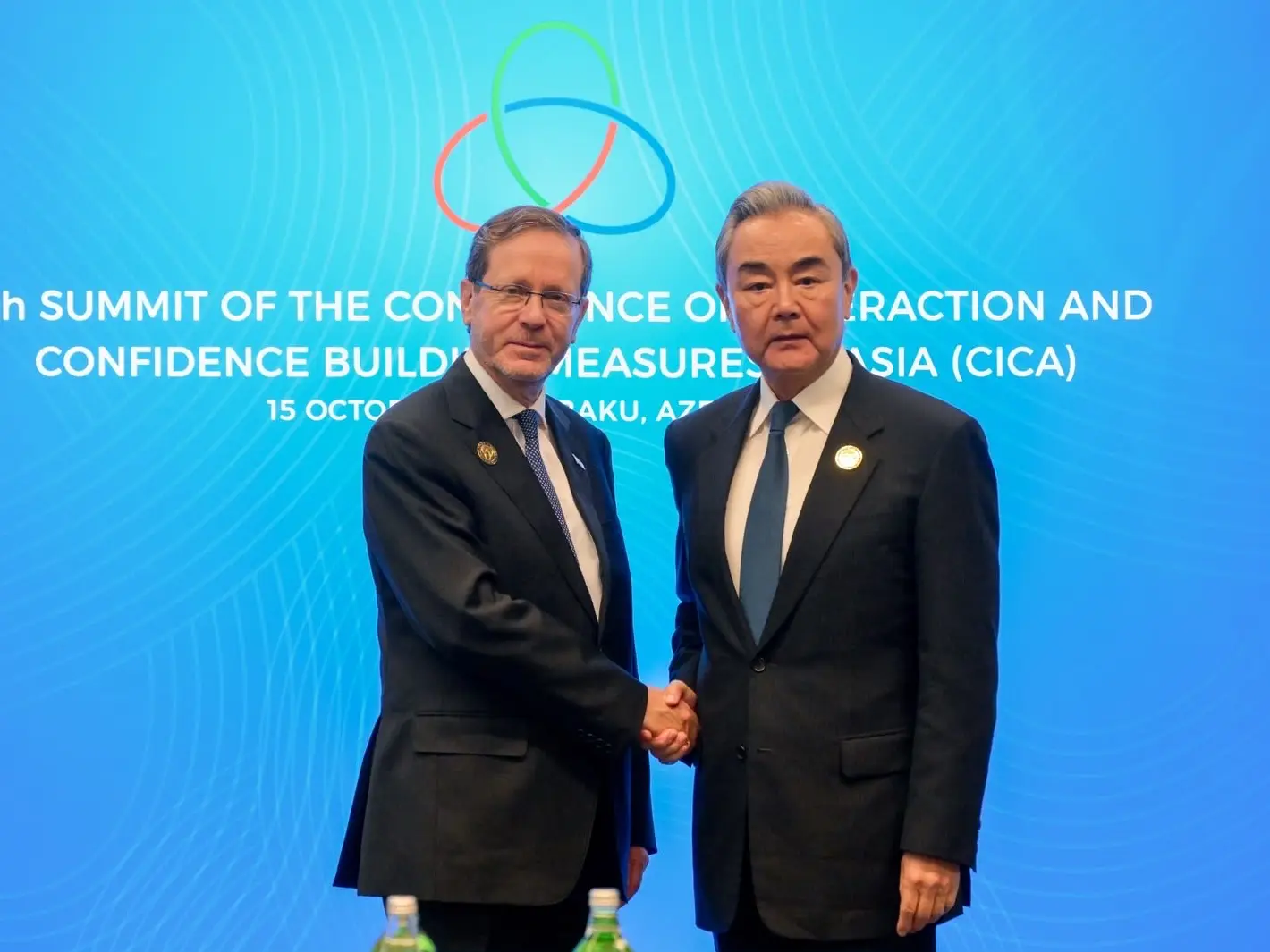
China tells Israel to stop West Bank settlements, calls Palestine issue ‘historic injustice’
Lastly, the biggest lesson of Satyagraha and non-violence is that inner demons have to be dealt first because he made all of us realise that those who hunt outer demons and enemies perpetrate worst crimes against humanity. His Satyagraha stood against all these virtues which today are busy making India strong and confident nation.
Gandhi's assassination brought post-Partition madness to halt. The guilt of assassination prevented violence to escalate further. To there is no Gandhi. So it becomes incumbent upon everyone that they pause and recollect as to what was happening on the eve of Partition. It would calm us all.
(Disclaimer: The opinions expressed above are the personal views of the author and do not reflect the views of ZMCL)