No 'dry day' on Holi as liquor shops to remain open in Delhi; to be shut on these days in March

&imwidth=600&imheight=450&format=webp&quality=medium "No 'dry day' on Holi as liquor shops to remain open in Delhi; to be shut on these days in March")
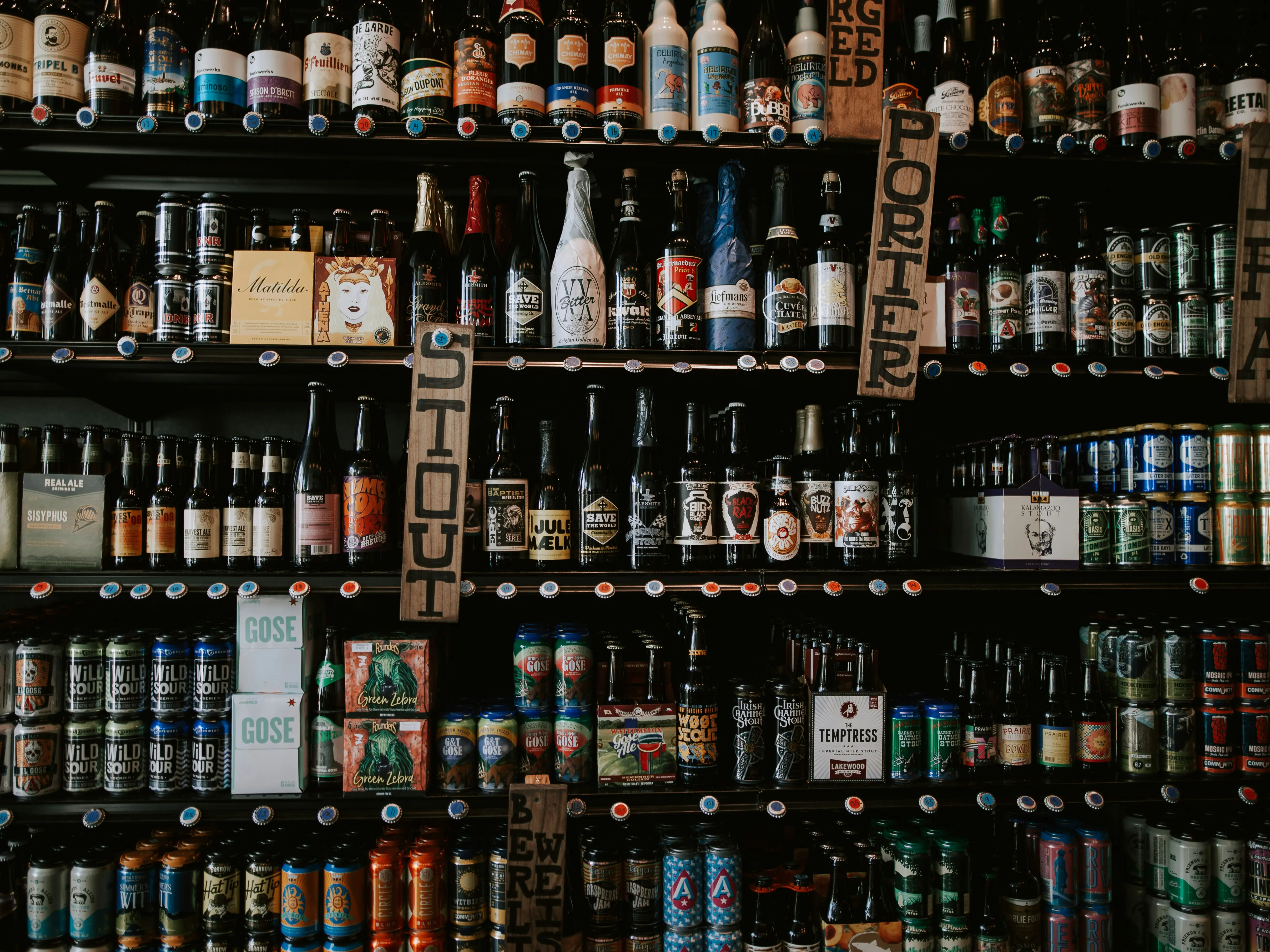
For representative purpose only Photograph: (Unsplash)
March 2026 will see five dry days across India, including Holi and Ram Navami, with Delhi notably removing Holi from its restricted list
March is set to be a festive month in India, marked by major celebrations such as Holi and Ram Navami. However, those planning to celebrate with alcohol should be aware that several of these occasions are observed as dry days in many parts of the country.
What are dry days?
Dry days are specific dates when the sale of alcohol is prohibited. On these days, liquor shops remain closed, and restaurants, bars, hotels, and clubs are not allowed to serve alcoholic beverages.
Dry days in March 2026
There will be five dry days in March 2026 due to significant religious and national observances:
- March 4 (Wednesday): Holi
- March 21 (Friday): Eid-ul-Fitr
- March 23 (Monday): Shaheed Diwas (Maharashtra only)
- March 26 (Friday): Ram Navami
- March 31 (Tuesday): Mahavir Jayanti
Trending Stories
&imwidth=280&imheight=210&format=webp&quality=medium)
&imwidth=280&imheight=210&format=webp&quality=medium)
&imwidth=280&imheight=210&format=webp&quality=medium)
&imwidth=280&imheight=210&format=webp&quality=medium)
&imwidth=280&imheight=210&format=webp&quality=medium)
&imwidth=280&imheight=210&format=webp&quality=medium)
&imwidth=280&imheight=210&format=webp&quality=medium)
&imwidth=280&imheight=210&format=webp&quality=medium)
&imwidth=280&imheight=210&format=webp&quality=medium)
&imwidth=280&imheight=210&format=webp&quality=medium)
&imwidth=280&imheight=210&format=webp&quality=medium)
&imwidth=280&imheight=210&format=webp&quality=medium)
&imwidth=280&imheight=210&format=webp&quality=medium)
&imwidth=280&imheight=210&format=webp&quality=medium)
&imwidth=280&imheight=210&format=webp&quality=medium)
&imwidth=280&imheight=210&format=webp&quality=medium)
&imwidth=280&imheight=210&format=webp&quality=medium)
&imwidth=280&imheight=210&format=webp&quality=medium)
&imwidth=280&imheight=210&format=webp&quality=medium)
&imwidth=280&imheight=210&format=webp&quality=medium)
&imwidth=280&imheight=210&format=webp&quality=medium)
&imwidth=280&imheight=210&format=webp&quality=medium)
&imwidth=280&imheight=210&format=webp&quality=medium)
&imwidth=280&imheight=210&format=webp&quality=medium)
&imwidth=280&imheight=210&format=webp&quality=medium)
&imwidth=280&imheight=210&format=webp&quality=medium)
&im=FitAndFill=(700,400)&imwidth=280&imheight=210&format=webp&quality=medium)
&im=FitAndFill=(700,400)&imwidth=280&imheight=210&format=webp&quality=medium)
&imwidth=280&imheight=210&format=webp&quality=medium)
&imwidth=280&imheight=210&format=webp&quality=medium)
&imwidth=280&imheight=210&format=webp&quality=medium)
&imwidth=280&imheight=210&format=webp&quality=medium)
&imwidth=280&imheight=210&format=webp&quality=medium)
&imwidth=280&imheight=210&format=webp&quality=medium)
Other common dry days in India
In addition to these dates, several major festivals and national events are typically observed as dry days across various states. These often include Diwali, Holi, Gandhi Jayanti, Ambedkar Jayanti, and Christmas. Dry days may also be imposed during municipal, state assembly, or general elections, when authorities temporarily ban liquor sales to maintain law and order.
Holi and Delhi’s policy shift
Historically, Holi has been observed as a dry day in Delhi to prevent disturbances during the celebrations. The only major exception came in 2022 under the Aam Aadmi Party (AAP) government’s excise policy, which reduced the annual number of dry days to three. After that period, Delhi reverted to its traditional list of restricted days. However, a recent January directive removed Holi from the dry day list once again.
Notably, the BJP, which currently administers Delhi and has now excluded Holi from the dry days list, had earlier criticized the AAP government for implementing a similar reduction in 2022. The move marks a significant shift in political stance.

