
&imwidth=800&imheight=600&format=webp&quality=medium "New Zealand Parliament clears India trade deal, 95% of exports to get tariff cuts")
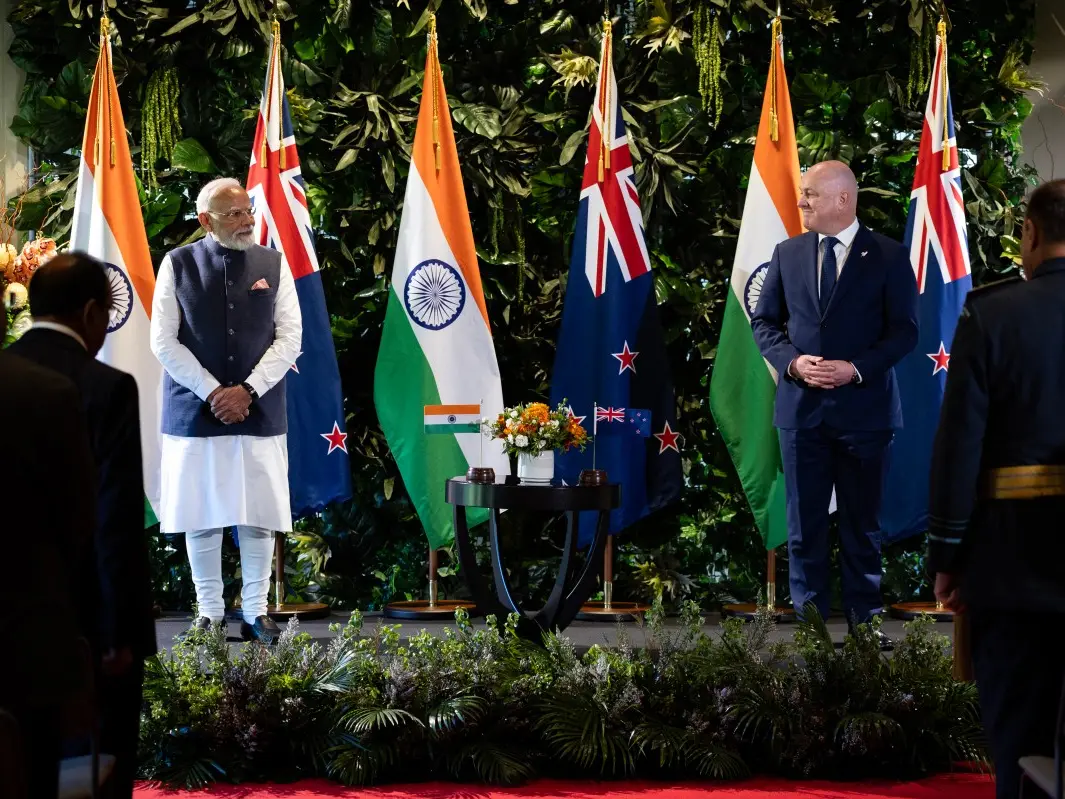
New Zealand on Wednesday (Sep 16) passed legislation establishing a free trade agreement with India. Under the FDA, tariffs on about 95 per cent of New Zealand's exports to India would be eliminated or reduced significantly reduced.
The bill passed by 93 votes to 29, with support from the opposition Labour Party as well as the ruling National Party. The agreement, signed by India and New Zealand on April 27, is aimed at expanding trade and investment between the two countries.
Which products will see reduced tariffs?

Under the deal, tariffs on about 95 per cent of New Zealand’s current exports to India will eventually be eliminated or reduced significantly. New Zealand’s trade ministry said 57 per cent of its exports will become duty-free from the first day of implementation.
"For exporters, the benefits are immediate and substantial," New Zealand Trade Minister Todd McClay said.
"We expect this high-quality agreement to enter into force this year, delivering on our promise to complete a free trade agreement with India this term."
Trending Stories
)
'Now Trump is copying us': Shivakumar links US $5,000 plan to Congress guarantees
)
Ex-India all-rounder Yuvraj Singh wants India to avoid 'massive changes' before ODI World Cup 2027
)
Delhi schools receive bomb threats in Punjabi, security checks find nothing suspicious
&im=FitAndFill=(700,400))
New OTT releases this week (September 14-20, 2026): Lust Stories 3, Waiting Hai, Irumudi- 5 new titles coming on Netflix, Prime Video and more
)
Saudi Arabia discovers 110 million tonnes of Uranium-rich ore in Madinah region
)
India’s imports from Russia jump 57% in five months; China remains top import source
)
Who is Kalyan Bainsla, accused in the Gurugram hit-and-run case involving woman biker?
)
Top military commanders from US, Israel, and 7 Arab nations held secret meeting on Iran War
)
800 million years old - Scientists discover 'fingerprints' of supercontinent Gondwana in ancient rocks
)
Bitter Zelensky snubs Trump for playing politics with Ukraine war | Gravitas
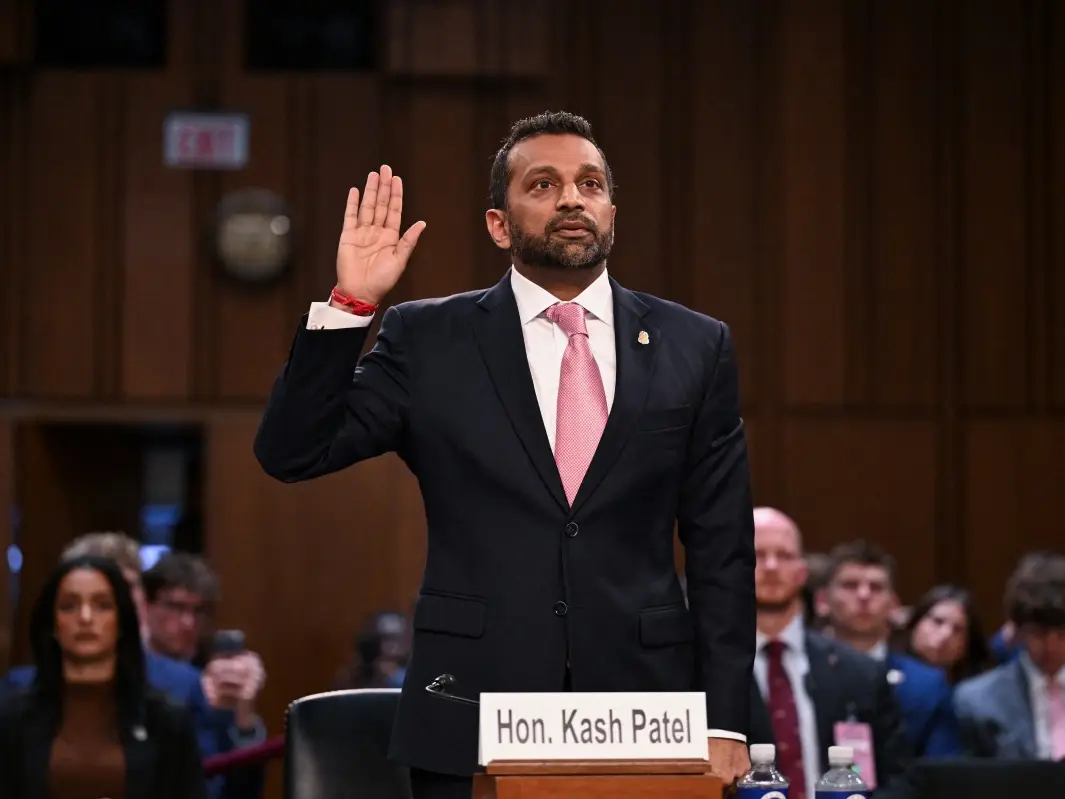)
'Like a thug you are using agency to go after..': Kash Patel grilled by Senate Democrats over FBI firings, journalist investigations and hiring policy
)
'Definitely feel bad for yourself': Kuldeep Yadav opens up on India Test snubs
)
Messi set to play in farewell match on October 6 in Argentina vs Benin friendly
)
Trump's name cannot return to Kennedy Center, US judge rules
)
West Bengal IPS officer Bushra Bano transferred after objections to ‘Assalamualaikum’, ‘Inshallah’
)
Saudi Arabia accuses Houthis of drone attack on Mecca, first-ever red alert in Islam's holiest site sparks panic
)
‘US military task force aiding Saudi Arabia forces with intel, planning support’: Official
)
Ed Sheeran’s US tour loses all support acts after Macklemore’s removal | Controversy explained
)
Putin-linked Russian oligarch, Melania links: Why Trump skipped his son’s Bahamas wedding bash?
)
Spanish officer sent home from NATO base over affair with 'Russian spy' | Gravitas
)
China's property crisis deepens as investment plunges nearly 20%
)
'She married her brother': Ilhan Omar faces criminal probe over immigration fraud claims
)
OpenAI boss Sam Altman repeats AI 'slow down' call, says world 'right to be afraid'
)
Trump's Iran war faces fresh House rebuke; 7 Republicans join Democrats in push to end conflict ahead of midterms
)
Saudi turns to Israel for intelligence help as Houthi attacks intensify: Report
)
US Treasury yields cross 5% as Scott Bessent warns of ‘global issues’ impacting bonds
)
Los Angeles helicopter crash: At least three dead, several injured; NTSB to investigate
)
Sydney Sweeney defends provocative ad choice, the internet is still not impressed
)
‘Kill all in the name of...’: FBI arrests 21-year-old over alleged ISIS-inspired mass-casualty attack plot
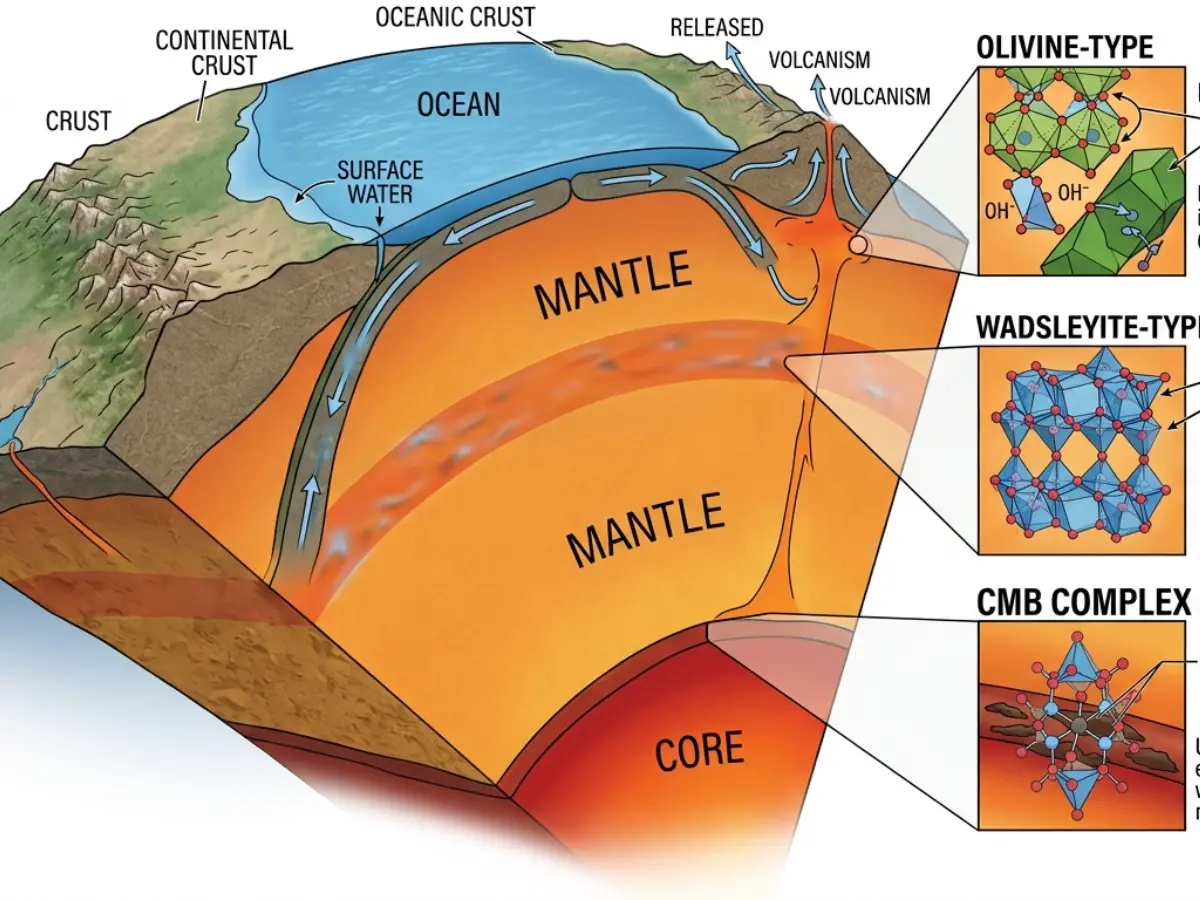)
Water equivalent to two Pacific Oceans could be stashed 2,900 km inside Earth
)
Space mines, lasers & robotic arms: Lt Gen Pannu decodes US disclosure of weapons in space
)
US fires up to 70 interceptors against Iran attack on Jordan, putting supplies under pressure
)
1,200 Indian and US troops begin high-altitude and desert drills
What does India get in return?
The agreement provides duty-free access in New Zealand for 100 per cent of Indian exports, covering all tariff lines. India has offered New Zealand market access across 70.03 per cent of its tariff lines, covering around 95 per cent of bilateral trade. Nearly 30 per cent of tariff lines remain excluded, including sensitive areas such as dairy and several agricultural products.
New Zealand will immediately eliminate duties on 30 per cent of the tariff lines covered by its concessions to India, while additional tariffs will be phased out over three, five, seven, or 10 years.
Products benefiting from the agreement include wood, wool, sheep meat, and raw hides. Other goods, including wine, pharmaceuticals, polymers, and selected aluminium, iron, and steel products, will receive tariff reductions. Quotas will apply to some products such as Mānuka honey, apples, kiwifruit, and albumins.
$20 billion investment commitment
Wellington has also committed to investing $20 billion in India over the next 15 years, with the agreement covering cooperation in areas including agriculture, manufacturing, infrastructure, technology, research and innovation, and renewable energy.
The pact is also expected to open opportunities for Indian labour-intensive sectors such as textiles and apparel, leather and footwear, gems and jewellery, engineering goods and processed foods.
New Zealand has made commitments across 118 service sectors and offered Most-Favoured Nation treatment in 139 sectors, according to the Indian government's summary of the agreement.
Also read | ‘Kill all in the name of...’: FBI arrests 21-year-old over alleged ISIS-inspired mass-casualty attack plot
Visa pathways for Indian professionals and students
The FTA includes a Temporary Employment Entry visa pathway for up to 5,000 skilled Indians, with stays of up to three years in specified occupations.
A Working Holiday Visa arrangement will allow 1,000 young Indians a year to travel to New Zealand for up to 12 months.
The agreement also contains provisions covering student mobility and post-study work rights.
What happens next?
New Zealand Prime Minister Christopher Luxon welcomed the parliamentary vote, saying the agreement would give New Zealand businesses greater access to India’s large consumer market.
"People told me a Free Trade Agreement with India wasn’t possible. Well, today that deal passed its final vote in Parliament. It’s happening," Luxon said in a post on X.
Indian Commerce Secretary Rajesh Agrawal said the agreement could potentially become operational in October. The pact will formally take effect once both countries complete their respective ratification procedures.

