New H-1B rules are set to release on July 8. What are controversial provisions that could hit Indians?

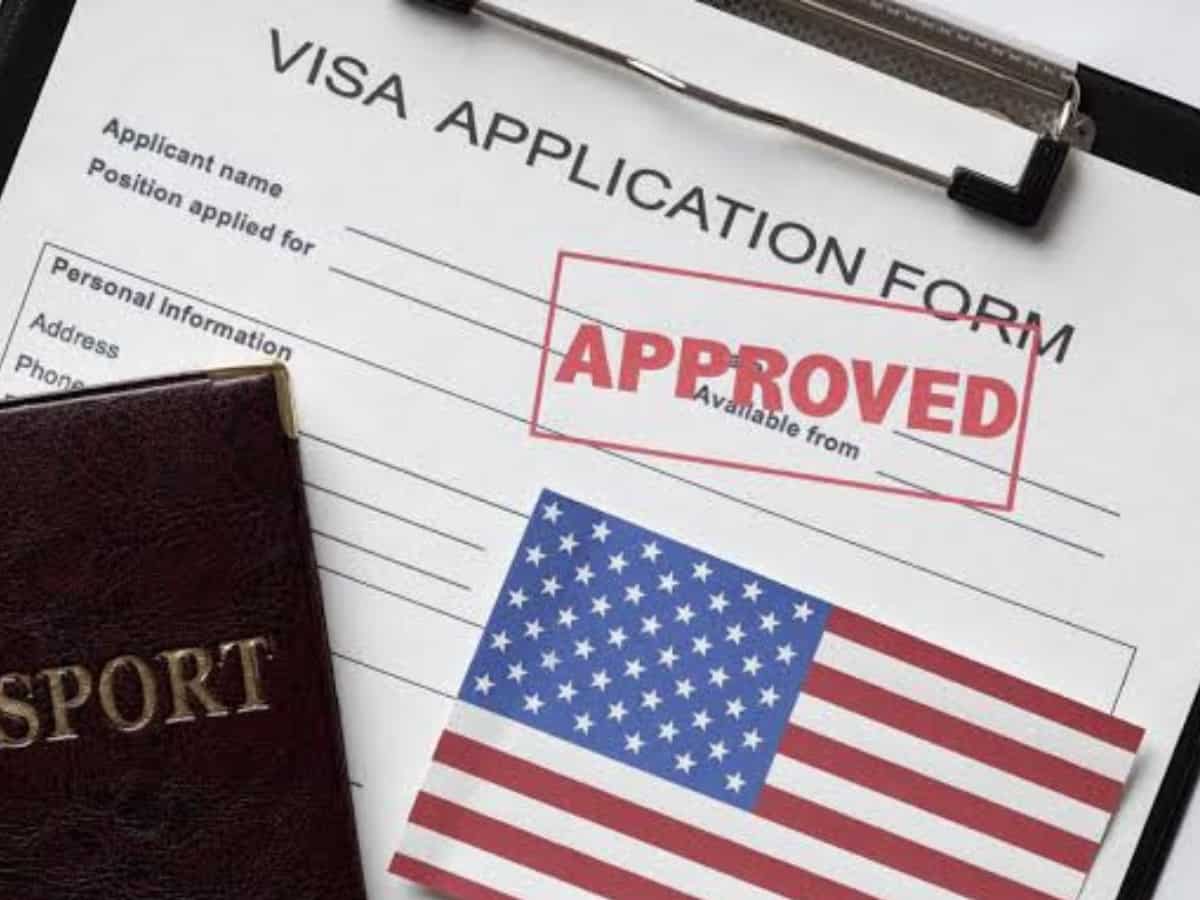
New H-1B visa rules
The US Citizenship and Immigration Services (USCIS) is set to announce new rules for H-1B visas which can have radical implications on employers and professionals, particularly Indians. The new rules are expected to be published on July 8 and will be open for public comment for a period of time before visa changes are legalised.
H-1B is the primary visa route taken by Indian IT firms to send their software engineering professionals to work in the US. Indians have traditionally been the largest number of H-1B visa takers.
The proposed rule would mandate a $4,000 fee to extend an H-1B visa and a $4,500 fee to extend an L-1 visa. This is part of the 9/11 Response and Biometric Entry-Exit Fee, which currently applies only to initial visa petitions and changes of employers.

Also Read |Pakistan: Ahmadi community members suffer arrests, vandalism for animal sacrifice on Eid-ul Adha
The proposed rule was introduced by USCIS on October 23 last year and is currently in a comment period that will last for 60 days. It may be finalised by the Biden administration at the end of this year or even after the upcoming election, according to Forbes.
What are proposed changes in H-1B visa programme that could affect Indians?
)
‘Kill all in the name of...’: FBI arrests 21-year-old over alleged ISIS-inspired mass-casualty attack plot
)
'She married her brother': Ilhan Omar faces criminal probe over immigration fraud claims
)
Bitter Zelensky snubs Trump for playing politics with Ukraine war | Gravitas
)
US fires up to 70 interceptors against Iran attack on Jordan, putting supplies under pressure
)
India’s imports from Russia jump 57% in five months; China remains top import source
)
‘US military task force aiding Saudi Arabia forces with intel, planning support’: Official
)
OpenAI boss Sam Altman repeats AI 'slow down' call, says world 'right to be afraid'
)
Top military commanders from US, Israel, and 7 Arab nations held secret meeting on Iran War
)
Sydney Sweeney defends provocative ad choice, the internet is still not impressed
)
'Definitely feel bad for yourself': Kuldeep Yadav opens up on India Test snubs
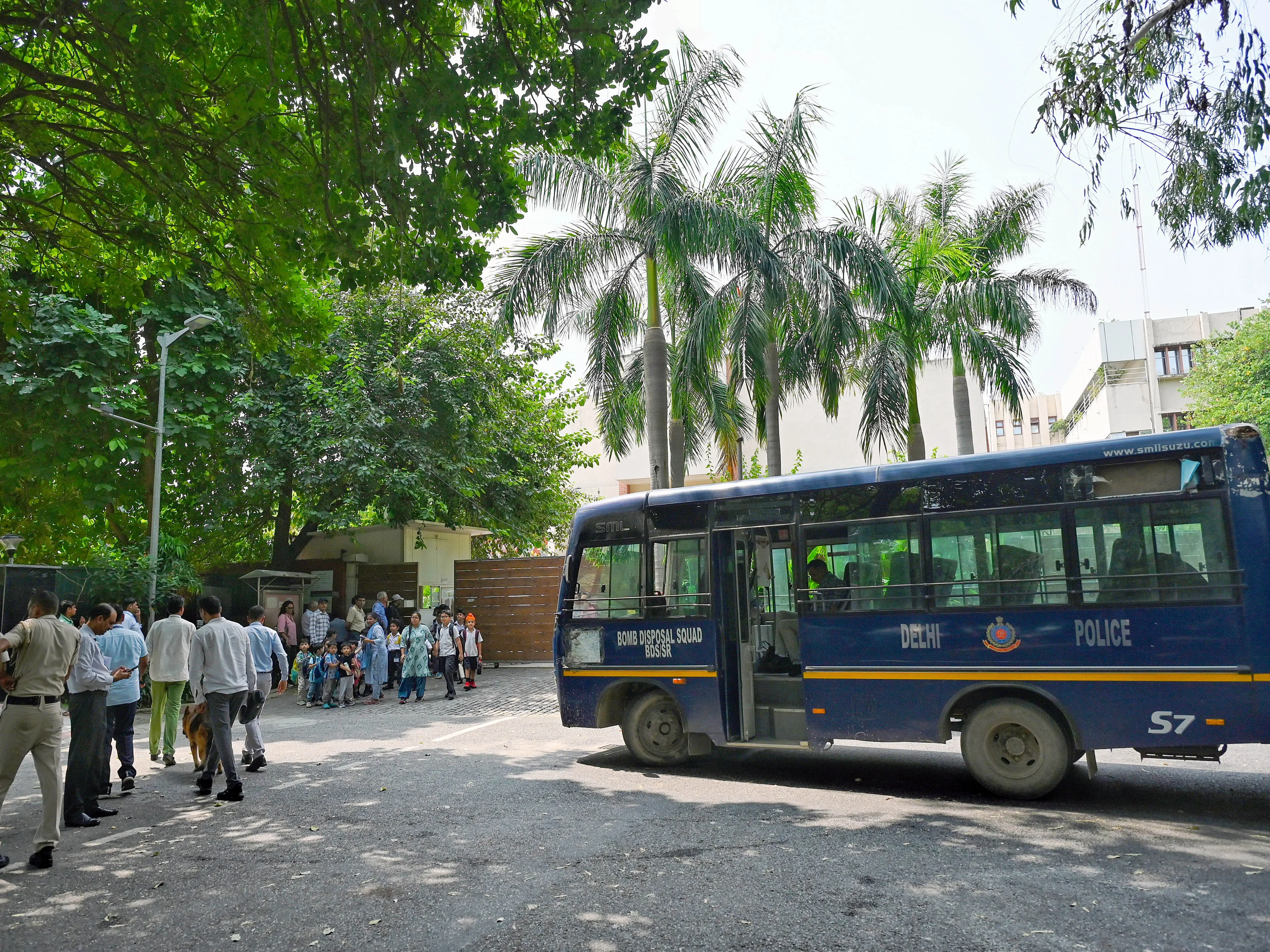)
Delhi schools receive bomb threats in Punjabi, security checks find nothing suspicious
)
Ex-India all-rounder Yuvraj Singh wants India to avoid 'massive changes' before ODI World Cup 2027
)
Ed Sheeran’s US tour loses all support acts after Macklemore’s removal | Controversy explained
)
China's property crisis deepens as investment plunges nearly 20%
)
Messi set to play in farewell match on October 6 in Argentina vs Benin friendly
)
800 million years old - Scientists discover 'fingerprints' of supercontinent Gondwana in ancient rocks
)
Putin-linked Russian oligarch, Melania links: Why Trump skipped his son’s Bahamas wedding bash?
)
Saudi turns to Israel for intelligence help as Houthi attacks intensify: Report
)
Trump's name cannot return to Kennedy Center, US judge rules
)
1,200 Indian and US troops begin high-altitude and desert drills
)
Water equivalent to two Pacific Oceans could be stashed 2,900 km inside Earth
&im=FitAndFill=(700,400))
New OTT releases this week (September 14-20, 2026): Lust Stories 3, Waiting Hai, Irumudi- 5 new titles coming on Netflix, Prime Video and more
)
Trump's Iran war faces fresh House rebuke; 7 Republicans join Democrats in push to end conflict ahead of midterms
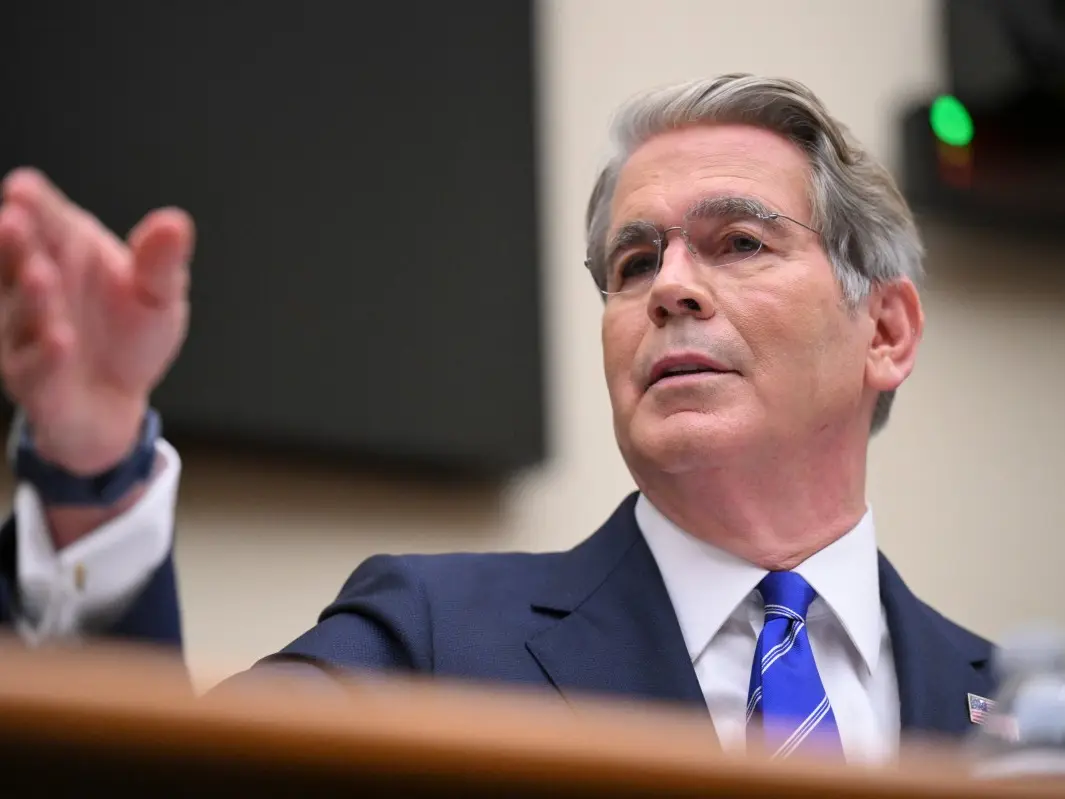)
US Treasury yields cross 5% as Scott Bessent warns of ‘global issues’ impacting bonds
)
Who is Kalyan Bainsla, accused in the Gurugram hit-and-run case involving woman biker?
)
Saudi Arabia discovers 110 million tonnes of Uranium-rich ore in Madinah region
)
'Now Trump is copying us': Shivakumar links US $5,000 plan to Congress guarantees
)
Elephants hide behind trees, stage surprise attack on poachers targeting rhinos in South Africa
)
Los Angeles helicopter crash: At least three dead, several injured; NTSB to investigate
)
West Bengal IPS officer Bushra Bano transferred after objections to ‘Assalamualaikum’, ‘Inshallah’
)
Spanish officer sent home from NATO base over affair with 'Russian spy' | Gravitas
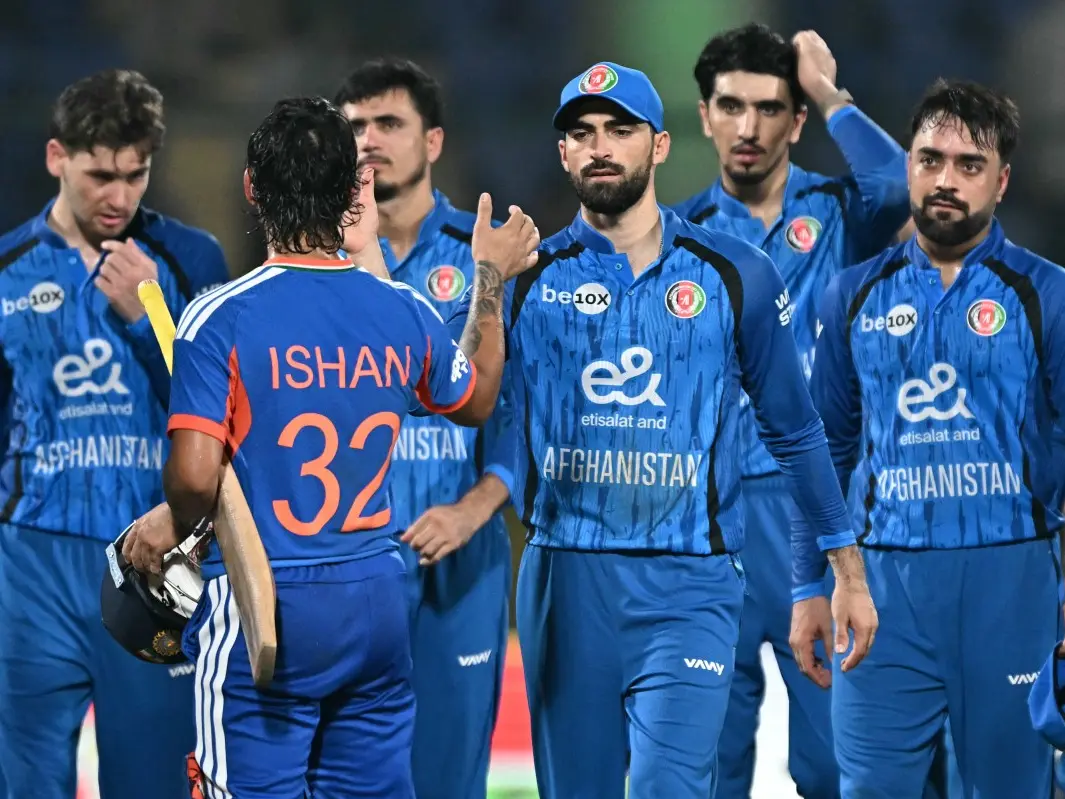)
IND vs AFG, 2nd T20I: Reddy, Samson shine as India defeat Afghanistan by 7 wickets to clinch series
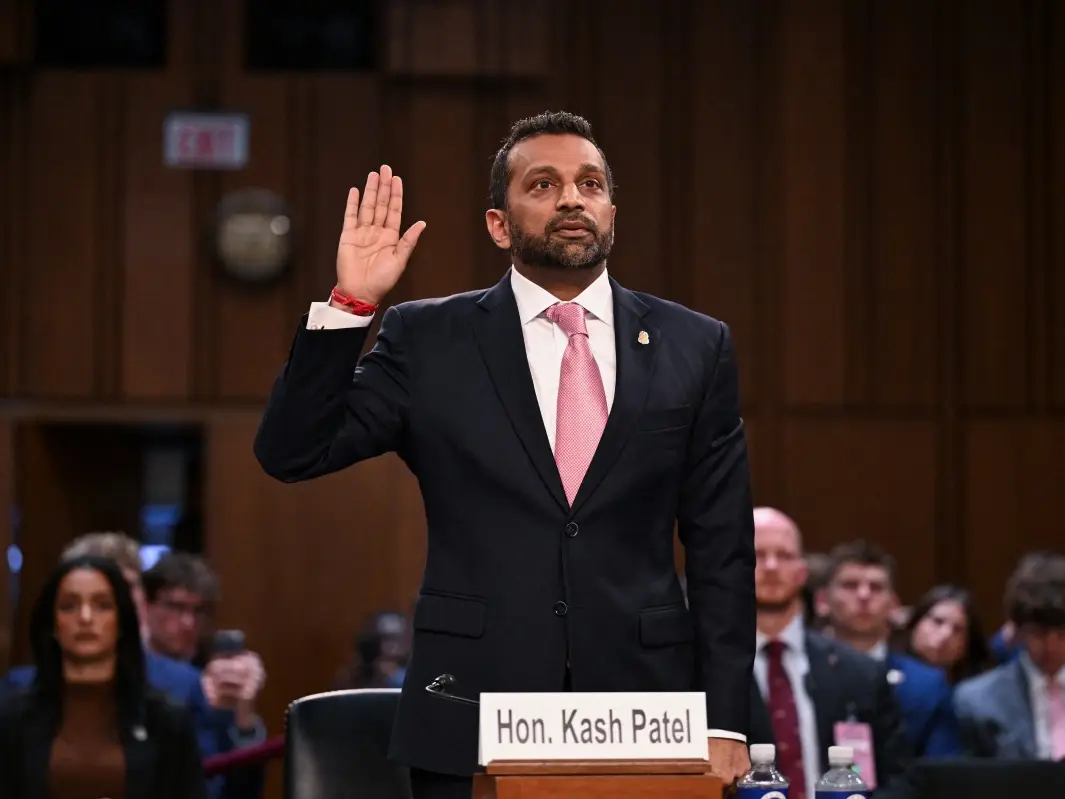)
'Like a thug you are using agency to go after..': Kash Patel grilled by Senate Democrats over FBI firings, journalist investigations and hiring policy
Many Indian H-1B visa holders and prospective applicants could be affected when proposed changes in the visas used by thousands from the country to live and work in the US are notified.
One controversial provision that critics are talking about is that the new rules would restrict positions eligible for H-1B visas by redefining speciality occupations.
It restricts job descriptions to those requiring specific degrees 'closely related to' the job with reference to “directly related specific speciality”.
In other words, it replicates a Trump-era rule that was blocked by courts for potentially excluding many skilled foreign professionals.
The Forbes report also highlights that most of the specialised professionals in the US do not have a degree "directly related" to a specific profession of speciality, which will restrict a lot more people in the new visa rules.
Also Read |Russian court sends US soldier to jail for 'stealing' $112 from girlfriend
Another disputed provision will likely affect individuals with degrees in business administration, as they would now be categorised as people with 'a general degree' insufficient for speciality occupation status.
This could be a big challenge for international MBA students aiming for H-1B status, and could reduce the number of international students enrolling in MBA programmes at US universities.
Further to redefining educational qualifications, the United States Department of Homeland Security (DHS) also plans to impose a hefty fee on employers for the extension of H-1B and L-1 visas.
At present, employers with over 50 employees over 50 per cent of the employees are on H-1B or L-1 visas are levied a fee.
Also Read |Chinese 'underground bankers' launder Sinaloa drug money US Los Angeles
The H-1B visa allows American employers to hire skilled workers from abroad for specialised roles that cannot be filled locally. Similarly, the L-1 visa enables employees to transfer from a company in their home country to a related US branch, affiliate, subsidiary, or parent company.
As per a USCIS report, Indians hold the highest number of H-1B visas, and the new provisions in visa rule could hit them the most.
Companies with a significant number of visa extensions may face substantial financial burdens, potentially leading them to reassess their hiring strategies and approach to extending employment for foreign workers.
(With inputs from agencies)