MV Harbour Phoenix case: 10 Indian sailors to come home after 10 months in Iran detention

&imwidth=600&imheight=450&format=webp&quality=medium "MV Harbour Phoenix case: 10 Indian sailors to come home after 10 months in Iran detention")
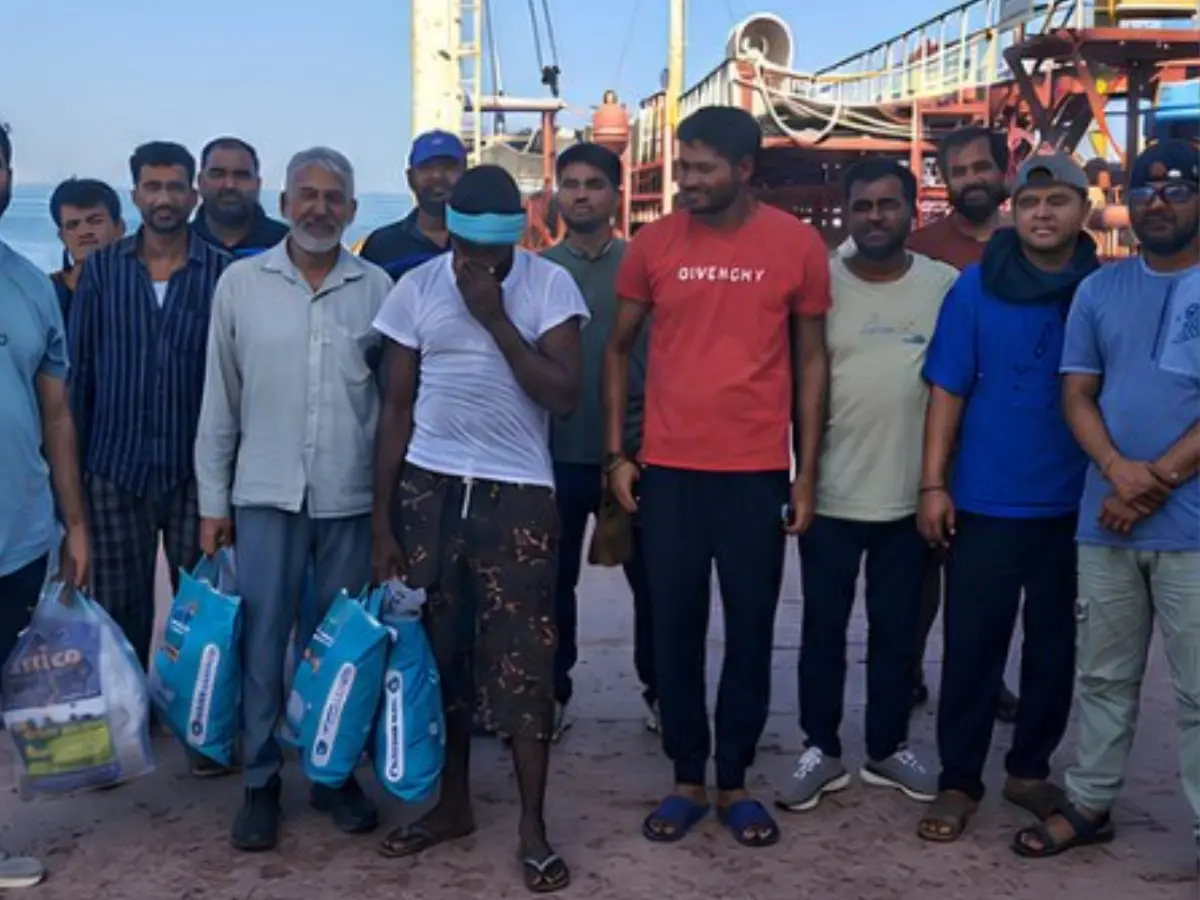
Months after detention in Iran, 10 Indian sailors finally set to return home Photograph: (X/dgshipping_IN)
Ten Indian sailors detained in Iran for months after their oil tanker was intercepted near Jask Port have finally been released. How did India secure their release? Scroll down to read more.
Ten Indian sailors detained in Iran since July 2025 have finally been released after what Indian authorities described as months of "sustained diplomatic engagement" involving multiple ministries and officials. The sailors were crew members aboard the MV Harbour Phoenix, a Palau-flagged oil tanker that was intercepted near Iran’s Jask Port last year. Following the interception, the Indian nationals were detained and later imprisoned in Iran.
Also read | 'Pakistan will face consequences': India delivers sharp warning at UN over cross-border terrorism
Indian sailors freed after months in Iranian detention
Announcing the development late Tuesday (May 26), India's Directorate General of Shipping on X said all 10 sailors had now been released safely and reunited. "The seafarers have now been released and reunited safely," the statement said.
Authorities added that arrangements are currently being made to bring the crew members back to India at the earliest. Indian officials did not publicly disclose the precise allegations or circumstances that led to the detention of the crew.
The case had remained sensitive for months, especially given the rising tensions in West Asia and Iran’s repeated crackdowns on vessels operating in Gulf waters.
Trending Stories
&imwidth=280&imheight=210&format=webp&quality=medium)
&imwidth=280&imheight=210&format=webp&quality=medium)
&imwidth=280&imheight=210&format=webp&quality=medium)
&imwidth=280&imheight=210&format=webp&quality=medium)
&imwidth=280&imheight=210&format=webp&quality=medium)
&imwidth=280&imheight=210&format=webp&quality=medium)
&imwidth=280&imheight=210&format=webp&quality=medium)
&imwidth=280&imheight=210&format=webp&quality=medium)
&imwidth=280&imheight=210&format=webp&quality=medium)
&imwidth=280&imheight=210&format=webp&quality=medium)
&imwidth=280&imheight=210&format=webp&quality=medium)
&imwidth=280&imheight=210&format=webp&quality=medium)
&imwidth=280&imheight=210&format=webp&quality=medium)
&imwidth=280&imheight=210&format=webp&quality=medium)
&imwidth=280&imheight=210&format=webp&quality=medium)
&imwidth=280&imheight=210&format=webp&quality=medium)
&imwidth=280&imheight=210&format=webp&quality=medium)
&imwidth=280&imheight=210&format=webp&quality=medium)
&imwidth=280&imheight=210&format=webp&quality=medium)
&imwidth=280&imheight=210&format=webp&quality=medium)
&imwidth=280&imheight=210&format=webp&quality=medium)
&imwidth=280&imheight=210&format=webp&quality=medium)
&imwidth=280&imheight=210&format=webp&quality=medium)
&imwidth=280&imheight=210&format=webp&quality=medium)
&imwidth=280&imheight=210&format=webp&quality=medium)
&imwidth=280&imheight=210&format=webp&quality=medium)
&im=FitAndFill=(700,400)&imwidth=280&imheight=210&format=webp&quality=medium)
&im=FitAndFill=(700,400)&imwidth=280&imheight=210&format=webp&quality=medium)
&imwidth=280&imheight=210&format=webp&quality=medium)
&imwidth=280&imheight=210&format=webp&quality=medium)
&imwidth=280&imheight=210&format=webp&quality=medium)
&imwidth=280&imheight=210&format=webp&quality=medium)
&imwidth=280&imheight=210&format=webp&quality=medium)
Sustained diplomatic engagement
The Directorate General of Shipping said the release became possible through coordinated efforts involving the Ministry of Ports, Shipping and Waterways, the Ministry of External Affairs, the Indian Embassy in Tehran, the vessel's managers and other stakeholders.
The development comes at a time when maritime tensions across the Gulf region remain extremely high. Iran has intensified restrictions around the Strait of Hormuz after the United States and Israel launched military operations against Tehran-backed targets earlier this year. The strait remains one of the world’s most critical energy routes, carrying nearly one-fifth of global oil and LNG shipments.

