Karnataka unveils Sustainable Data Centre Policy for efficient water, power use

&imwidth=600&imheight=450&format=webp&quality=medium "Karnataka unveils Sustainable Data Centre Policy for efficient water, power use")
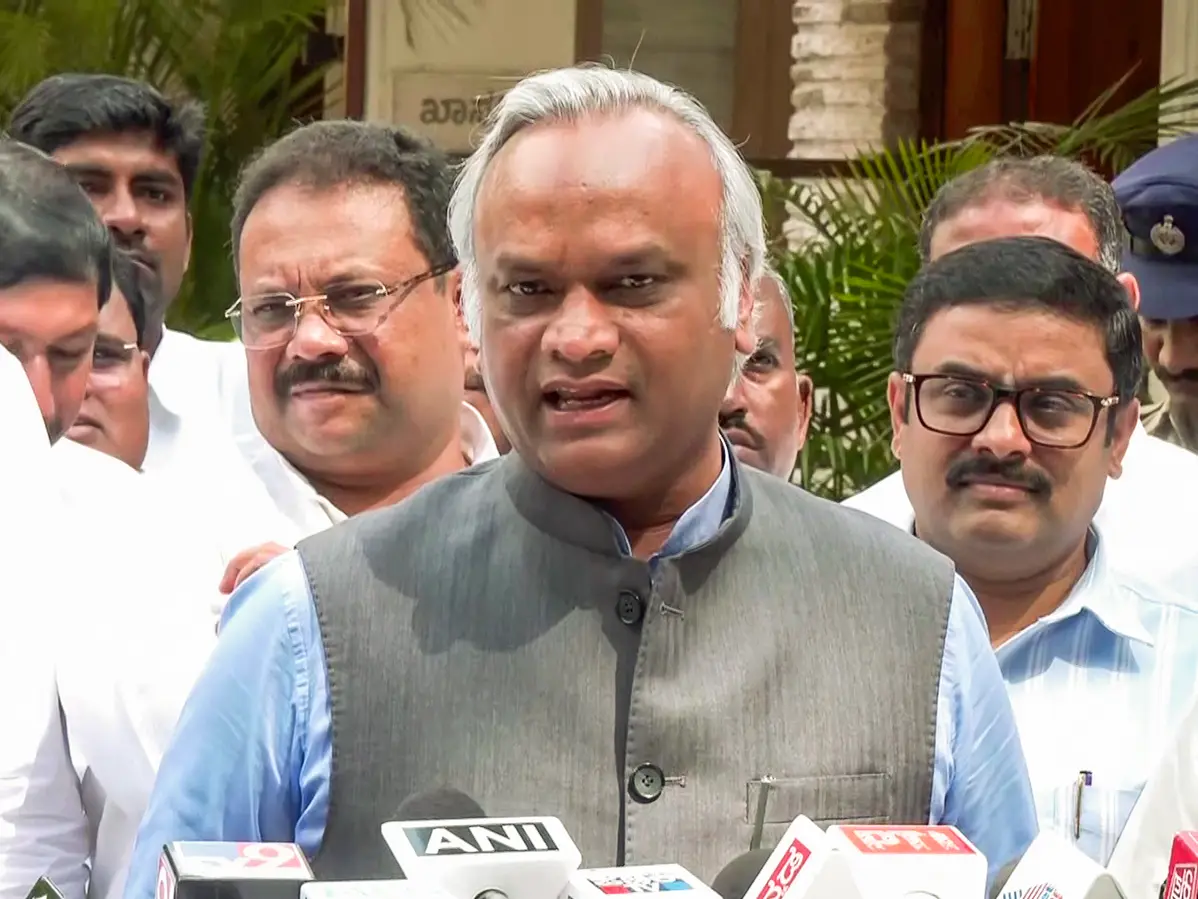
Priyank Kharge Photograph: (ANI)
This Sustainable Data Centre policy is being unveiled at a time when there are growing debates over the water and power consumption, heat-generation, noise-generation pertaining to data centers and their larger environmental impact
The government in the southern Indian state of Karnataka has approved its Sustainable Data Centre Policy 2026–2031, a five-year policy framework designed to establish the state as a globally competitive, sustainable and well-connected destination for Data Centre investments. According to the Government, the policy seeks to strengthen Karnataka’s digital infrastructure backbone at a time when the rapid growth of artificial intelligence, cloud computing, IoT, 5G, Global Capability Centres (GCCs), FinTech and other emerging technologies is driving unprecedented demand for computing capacity.
This Sustainable Data Centre policy is being unveiled at a time when there are growing debates over the water and power consumption, heat-generation, noise-generation pertaining to data centers and their larger environmental impact. Commenting on the need for a Sustainable Data Centre policy, Karnataka's IT and E-Governance Minister Priyank Kharge emphasized that Karnataka was among the early states to recognise the importance of data centres and create a policy framework to support their growth.
"But the technology landscape has changed significantly, particularly with the rapid growth of AI, and we have also become more conscious of the environmental footprint of this infrastructure. The Sustainable Data Centre Policy is therefore an important course correction, one that allows us to continue attracting the data infrastructure that the digital economy needs, while making sustainability, energy efficiency and responsible use of water central to how we plan and develop this sector.”
'Creating opportunities beyond Bengaluru'
The state Government's policy brings together investment facilitation, digital infrastructure, sustainability and ecosystem development, with a focus on attracting domestic and international investments across the data centre value chain. Further, it seeks to expand data centre infrastructure beyond Bengaluru, strengthening emerging regional digital corridors and supporting Karnataka’s broader beyond Bengaluru vision.
“Our objective is not simply to add more capacity, but to build the right capacity, in the right locations and with the right infrastructure. This means greater use of renewable energy, newer cooling technologies, better water management and stronger connectivity, while also creating opportunities beyond Bengaluru. Karnataka has the technology ecosystem and talent to lead India’s next phase of digital infrastructure, and this policy is designed to ensure that this growth is both globally competitive and sustainable,” minister Priyank Kharge added.
Trending Stories
)
)
)
)
)
)
&im=FitAndFill=(700,400))
)
)
&im=FitAndFill=(700,400))
)
)
)
)
)
)
)
)
)
)
)
)
)
)
)
)
)
)
)
)
)
)
)
)
&im=FitAndFill=(700,400))
&im=FitAndFill=(700,400))
)
&im=FitAndFill=(700,400))
)
)
)
)
Key features and policy implementation roadmap
The Karnataka government has envisaged a ₹1,300.45 crore revised budget framework for implementation of the five-year policy and plans to have 1 GW cumulative Data Centre IT load by 2031, with an ambition to account for 10–12% of India’s AI-ready Data Centre capacity.
While the state would take efforts to attract investment across the Data Centre ecosystem, including Data Centre Units, Data Centre Parks, Data Centre Operators, Edge Data Centres, cable landing stations and allied infrastructure, there would be an emphasis on renewable energy adoption, energy efficiency, advanced cooling, water management, carbon emission mitigation, and monitoring of Power Usage Effectiveness (PUE) and Water Usage Effectiveness (WUE).
The government would undertake Data Centre Resource Heat Mapping to enable evidence-based planning around water and energy availability and support sustainable site selection. Further, it would offer support for Data Centre development beyond Bengaluru, including emerging regional corridors, helping create a more distributed digital infrastructure ecosystem across the State. Performance-linked sustainability incentives would be provided to encourage efficient power and water usage and the adoption of sustainable operating practices.
