ISRO technology being sold cheaply to private firms, Parliamentary panel finds

&imwidth=600&imheight=450&format=webp&quality=medium "ISRO technology being sold cheaply to private firms, Parliamentary panel finds")
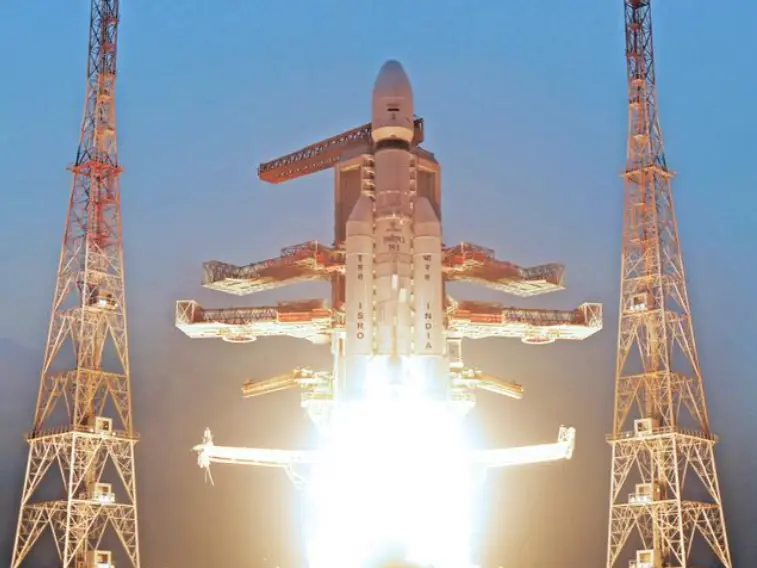
Representative image of an ISRO rocket launch Photograph: (ISRO)
The technologies were transferred at disproportionately low prices, and it included those related to satellites, rockets, chemicals, advanced materials, sub-components that go into high-end systems
An Indian Parliamentary panel has exposed that high-end technology developed by government organisations such as national space agency ISRO and related entities, are being transferred to private firms at undervalued rates. In the words of the panel, the technologies were transferred at disproportionately low prices, and it included those related to satellites, rockets, chemicals, advanced materials, sub-components that go into high-end systems.
"It has been observed that technologies are often transferred to private players at undervalued rates, allowing these partners to earn significant profits while the originating institutes receive only a marginal share of the value created," said a report from the Parliamentary Standing on Science and Technology. The committee was reviewing the high-profile Department of Space (DoS), which operates under the direct watch of the Indian Prime Minister's Office.
In response to the queries from the Parliamentary committee, the DoS said that ISRO's commercial arm NewSpace India Limited (NSIL) has been transferring various technologies developed at ISRO or the larger DoS. NSIL has signed 100 Technology Transfer Agreements for transferring 61 technologies developed by Government entities to Indian Industry. According to the data shared in the Parliamentary report, almost 70 of the 100 technologies were transferred at less than Rs.10 lakh each. Of these 70, many were transferred at a cost lesser than Rs.5 lakh each and some were transferred for as less at Rs.6,000, while a handful were transferred at no cost.
"TheCommittee expresses concern over the transfer of technologies in the space sector at disproportionately low prices relative to their commercial potential. Furthermore, there is no credible mechanism to verify whether the benefits of low-cost technology transfers are being passed on to the intended target users for whom the technologies were developed. In view of this, the Committee recommends that the Department of Space should consider adopting a more competitive and market-aligned pricing framework for technology transfer," the Parliamentary panel said.
The panel said that technology licensing fees should appropriately reflect the true commercial value, uniqueness, and societal impact of technologies developed through public funding. To ensure transparency and accountability, the Committee further recommends that all technology transfer agreements be subject to periodic third-party audits, said the 40-member committee comprising Parliamentarians from India's ruling coalition, various opposition parties.
The Department of Space said that it is moving towards a more competitive and market-aligned pricing framework for technology transfer. To this end, IN-SPACE(India's space regulator) has constituted a Standing Committee comprising members from the Department of Space, ISRO Headquarters, IN-SPACE, NSIL, and the respective ISRO centre that developed the technology.
Trending Stories
&imwidth=280&imheight=210&format=webp&quality=medium)
&imwidth=280&imheight=210&format=webp&quality=medium)
&imwidth=280&imheight=210&format=webp&quality=medium)
&imwidth=280&imheight=210&format=webp&quality=medium)
&imwidth=280&imheight=210&format=webp&quality=medium)
&imwidth=280&imheight=210&format=webp&quality=medium)
&imwidth=280&imheight=210&format=webp&quality=medium)
&imwidth=280&imheight=210&format=webp&quality=medium)
&imwidth=280&imheight=210&format=webp&quality=medium)
&imwidth=280&imheight=210&format=webp&quality=medium)
&imwidth=280&imheight=210&format=webp&quality=medium)
&imwidth=280&imheight=210&format=webp&quality=medium)
&imwidth=280&imheight=210&format=webp&quality=medium)
&imwidth=280&imheight=210&format=webp&quality=medium)
&imwidth=280&imheight=210&format=webp&quality=medium)
&imwidth=280&imheight=210&format=webp&quality=medium)
&imwidth=280&imheight=210&format=webp&quality=medium)
&imwidth=280&imheight=210&format=webp&quality=medium)
&imwidth=280&imheight=210&format=webp&quality=medium)
&imwidth=280&imheight=210&format=webp&quality=medium)
&imwidth=280&imheight=210&format=webp&quality=medium)
&imwidth=280&imheight=210&format=webp&quality=medium)
&imwidth=280&imheight=210&format=webp&quality=medium)
&imwidth=280&imheight=210&format=webp&quality=medium)
&imwidth=280&imheight=210&format=webp&quality=medium)
&imwidth=280&imheight=210&format=webp&quality=medium)
&im=FitAndFill=(700,400)&imwidth=280&imheight=210&format=webp&quality=medium)
&imwidth=280&imheight=210&format=webp&quality=medium)
&imwidth=280&imheight=210&format=webp&quality=medium)
&imwidth=280&imheight=210&format=webp&quality=medium)
&imwidth=280&imheight=210&format=webp&quality=medium)
&imwidth=280&imheight=210&format=webp&quality=medium)
&imwidth=280&imheight=210&format=webp&quality=medium)
&imwidth=280&imheight=210&format=webp&quality=medium)
&imwidth=280&imheight=210&format=webp&quality=medium)
&imwidth=280&imheight=210&format=webp&quality=medium)
This Committee evaluates technology transfer fees holistically, taking into account factors such as technology development costs, market potential, the number of industries capable of assimilating the technology, and possible spin-off applications, to arrive at a fair and appropriate pricing for each transfer, it was mentioned.
