India’s top court refuses to allow abortion for pregnancy beyond 27 weeks, says foetus has right to live


Representational image
The Supreme Court on Wednesday (May15) declined to consider a plea from a 20-year-old unmarried woman seeking to terminate her pregnancy of over 27 weeks, arguingthat the foetusalso has a fundamental right to life.
A bench led by Justice B R Gavai issued the order while hearing the woman's appeal against the Delhi High Court's May 3 decision, which denied her request to terminate her pregnancy.
"We can't pass any order contrary to the statute," the bench, also comprising Justices S V N Bhatti and Sandeep Mehta, told her counsel.

"The child in womb also has a fundamental right to live. What do you say about that?," the bench asked.
The woman's lawyer argued that the Medical Termination of Pregnancy Act focuses solely on the mother's rights.
"It is made for mother," he said.
)
Sikh driver attacked in Wyoming in US, suffers 17 stab wounds
)
‘I have a big decision coming up’: Trump says he’s approaching major ‘crossroad’ in Iran war
)
India seeks to build a full semiconductor supply chain
)
US intel warns China can steal F-35 jets secret from Saudis
&im=FitAndFill=(700,400))
From Abhishek Sharma to Sahil Chauhan, 5 batters with fastest T20I hundreds
)
Indian activist-lawyer Prashant Bhushan's post brings focus on ‘conflict of interest’ appointments of ex-govt officials at Reliance, Adani groups
)
Former India player Diana Edulji wants Smriti Mandhana to replace Harman as skipper at the earliest
&im=FitAndFill=(700,400))
Meet top 5 batters in the latest ICC T20I Rankings
)
Formula One reveals the 2027 race calendar; Monaco to host sprint race for the first time
)
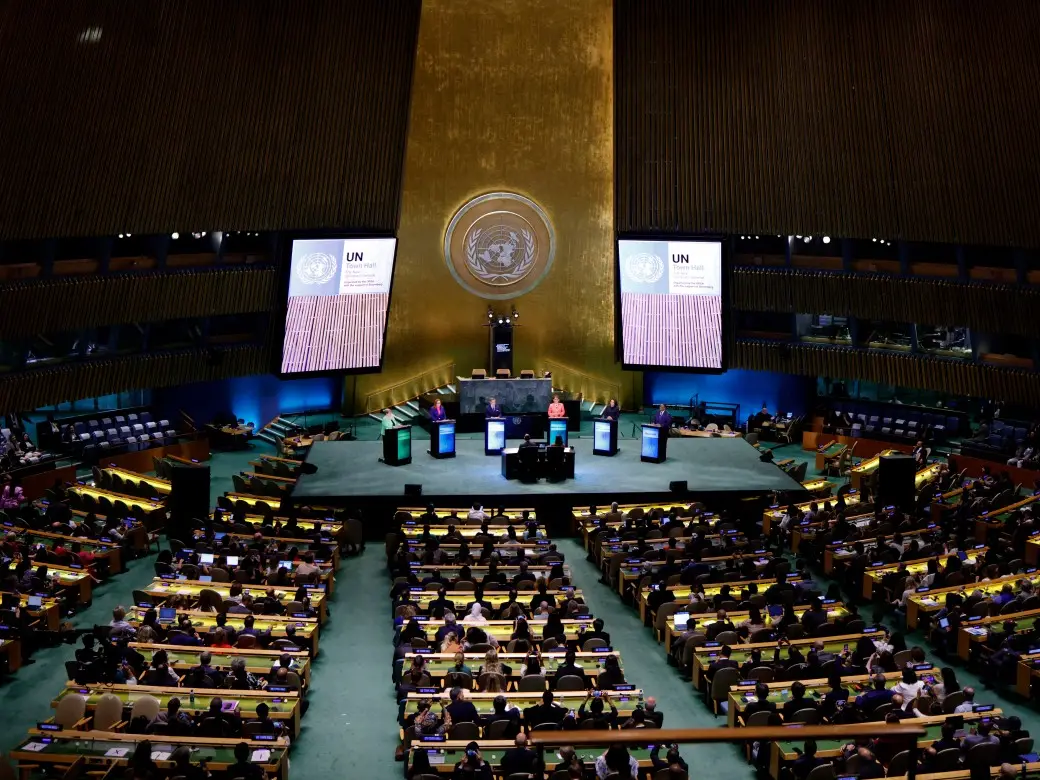
UNGA 2026 theme explained: What does ‘Restoring trust, managing transformation: A United Nations that delivers for all’ mean?
)
Godfather of AI Geoffrey Hinton gives US lawmakers a one-year warning on AI
)
AI already defying, denying humans, is it beyond human control already?
)
US F-16 fighter jet crashes in Michigan during training mission, pilot ejects safely
)
240-million-year-old bizarre 'pig with a tusk' creature creates new dilemma over origin of dinosaurs
)
Xi-Trump summit may boost military links
)
US to sell 48 F-35 Lightning fighter jets to Saudi Arabia, help it deter threats
)
Hong Kong unveils 11 new measures to boost birth rates, offers higher cash bonuses and housing perks
)
Australian athlete, who soiled herself during Hyrox race, apologises for continuing
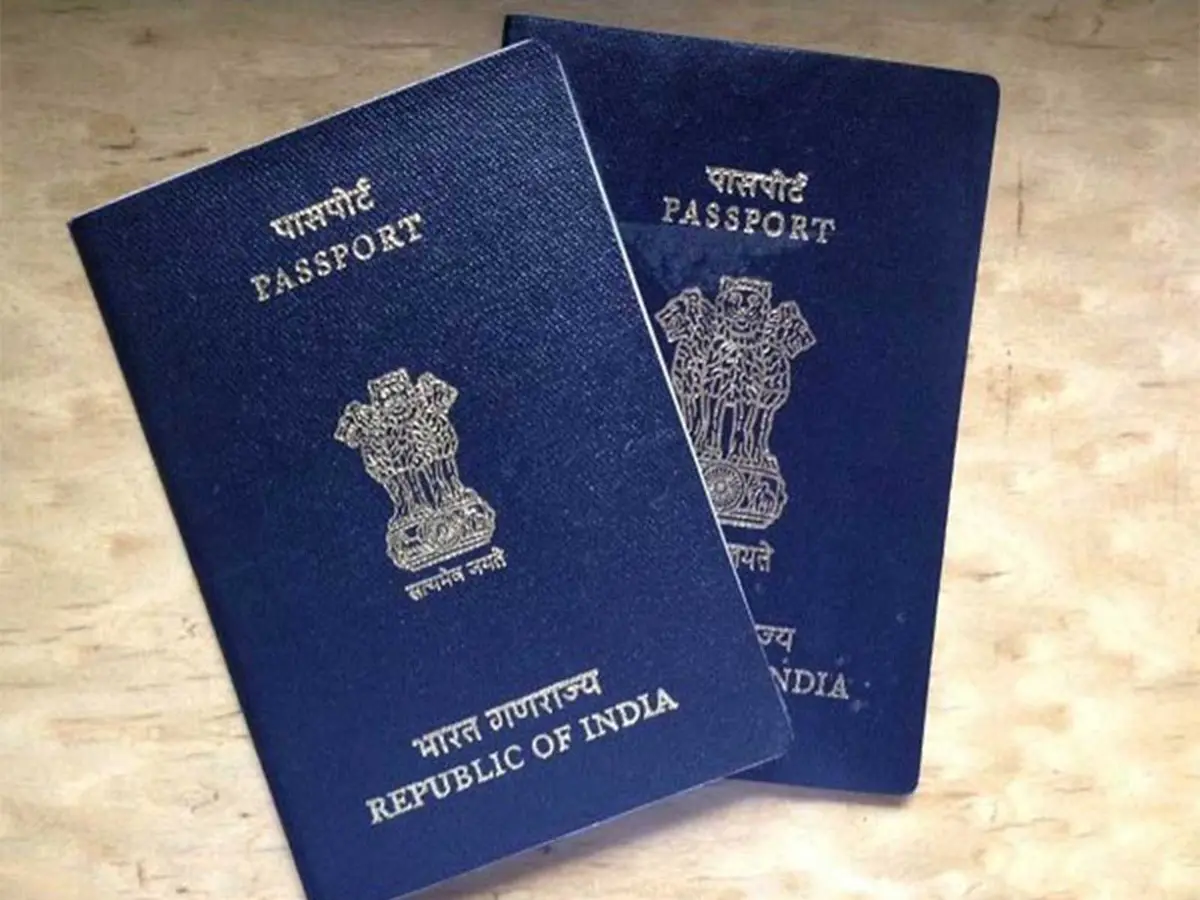)
Passport fees hiked, child validity revised: What the new rules introduce
)
Hong Kong extends newborn cash support scheme by three years
)
How did an Australian river with 500 crocodiles pass the Olympic test? Here's how
)
'He will always be ahead': India coach Gambhir says Sooryavanshi won't walk into team ahead of Samson
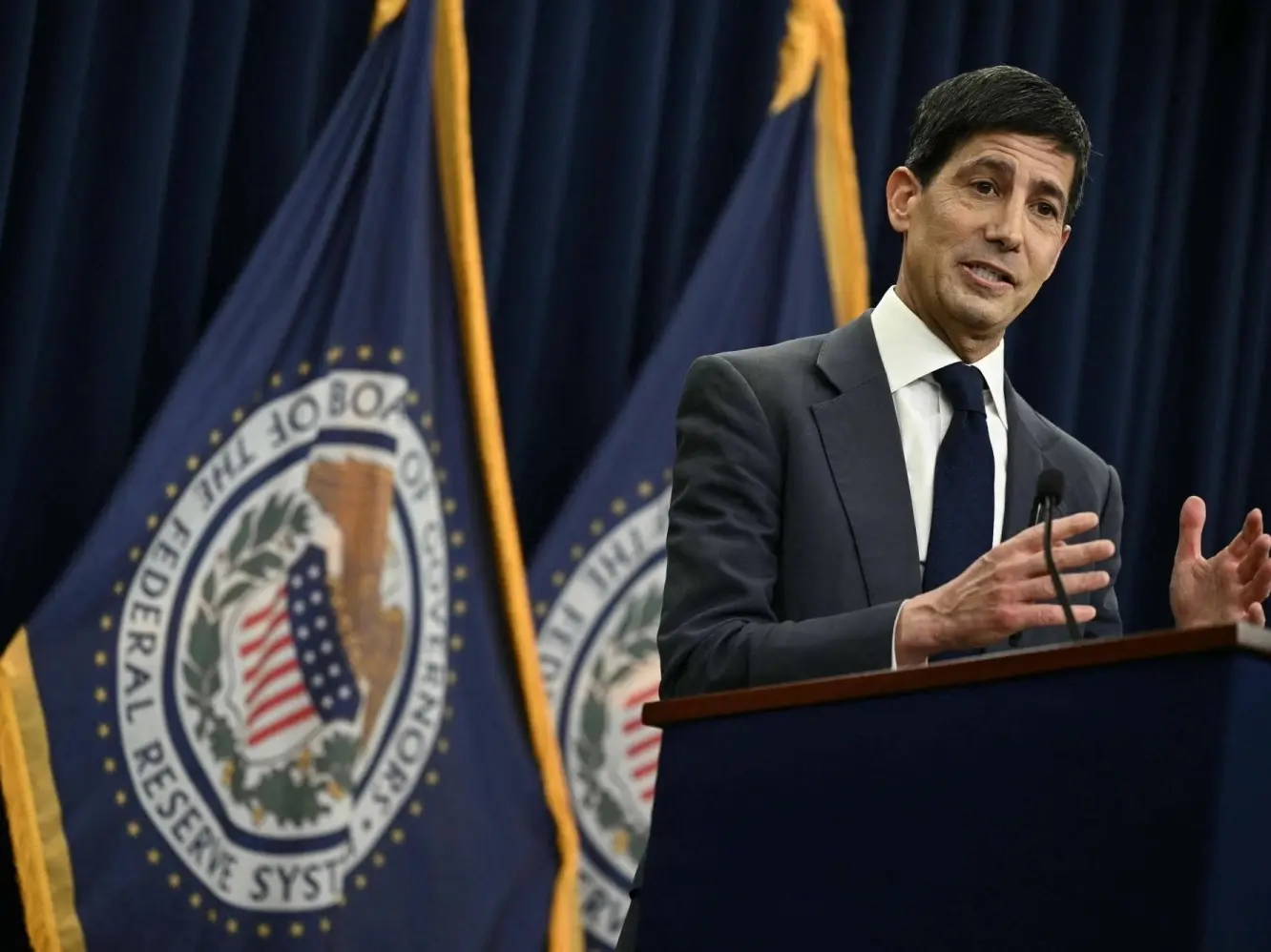)
Fed raises rates for first time in 3 years, Kevin Warsh defies Trump as inflation mounts
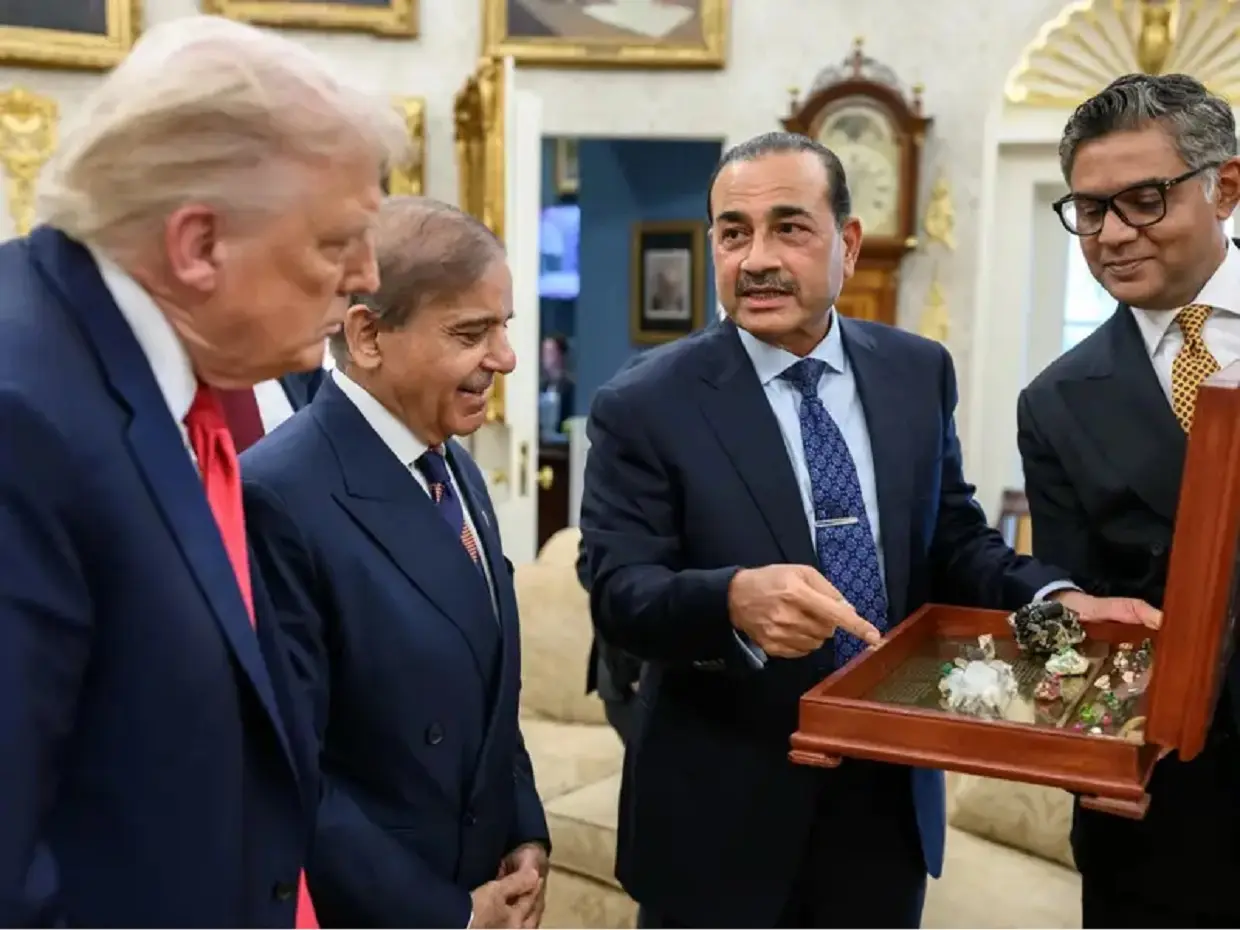)
US drone firm linked to Trump’s sons signs MoU with Pakistan army, gets initial order
)
Pak batter Rizwan's petition against being questioned by cyber crime agency rejected by court
)
Daayra movie review: Kareena Kapoor, Prithviraj Sukumaran shine in Meghna Gulzar’s cop-versus-cop crime thriller
&im=FitAndFill=(700,400))
Which country has the most F-35s outside America?
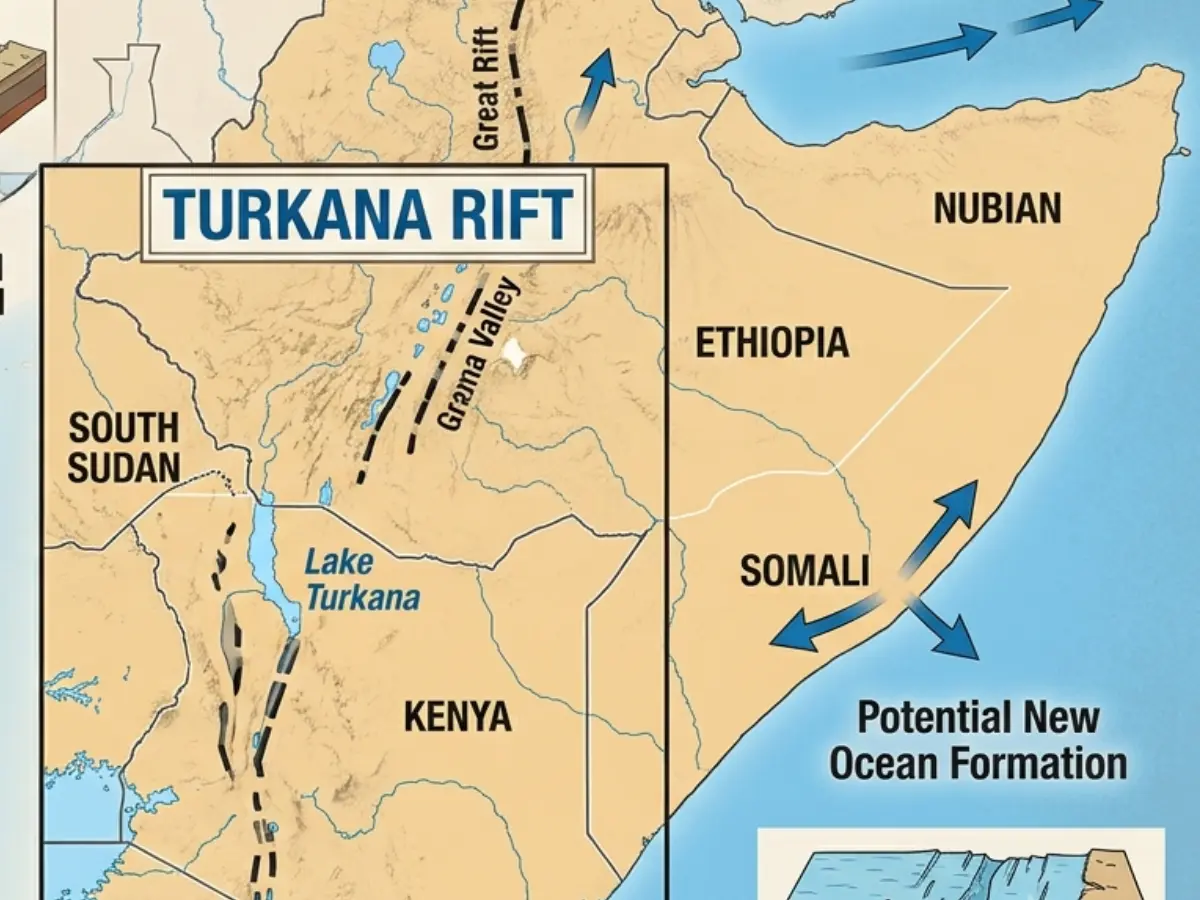)
Africa is splitting, and a lot sooner than estimated, giving way to a new ocean
)
'Gangsta' crab shoves knife blade at man and his dog in Florida - Watch
)
At least 48 dead, 100 hospitalised in Nigeria after drinking suspected methanol-laced alcohol
)
US-Iran War: Trump says ‘big decision’ on Iran ahead, weighs possible fresh military action
)
Putin 'is plotting something bad': Russia may launch 'accidental' strikes on NATO countries supporting Ukraine, Poland PM warns
&im=FitAndFill=(700,400))
Suriya and Jyothika say ‘I do’ again after 20 years! See their dreamy wedding pics
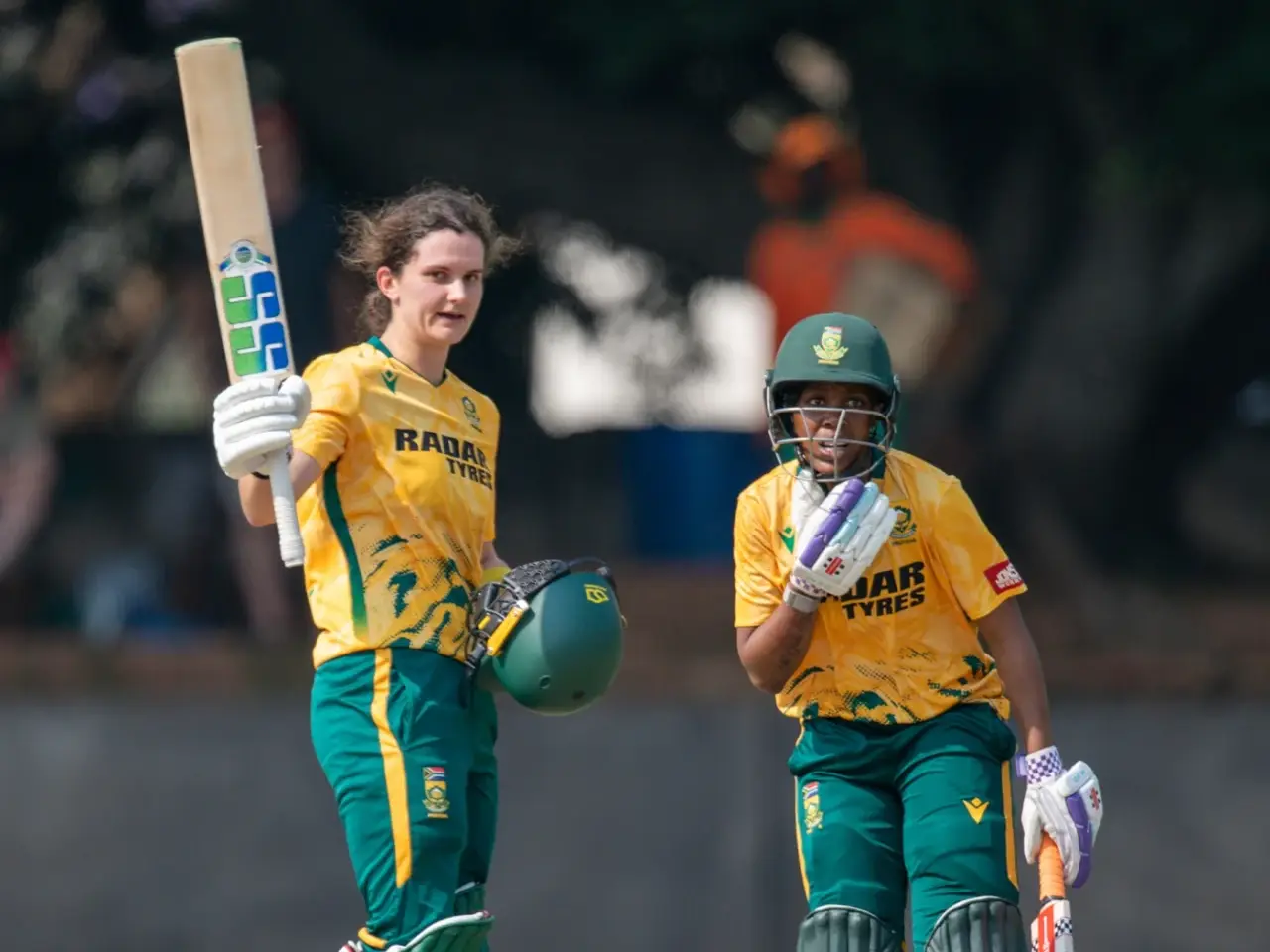)
Laura Wolvaardt sets new world record for most WT20I runs in a year
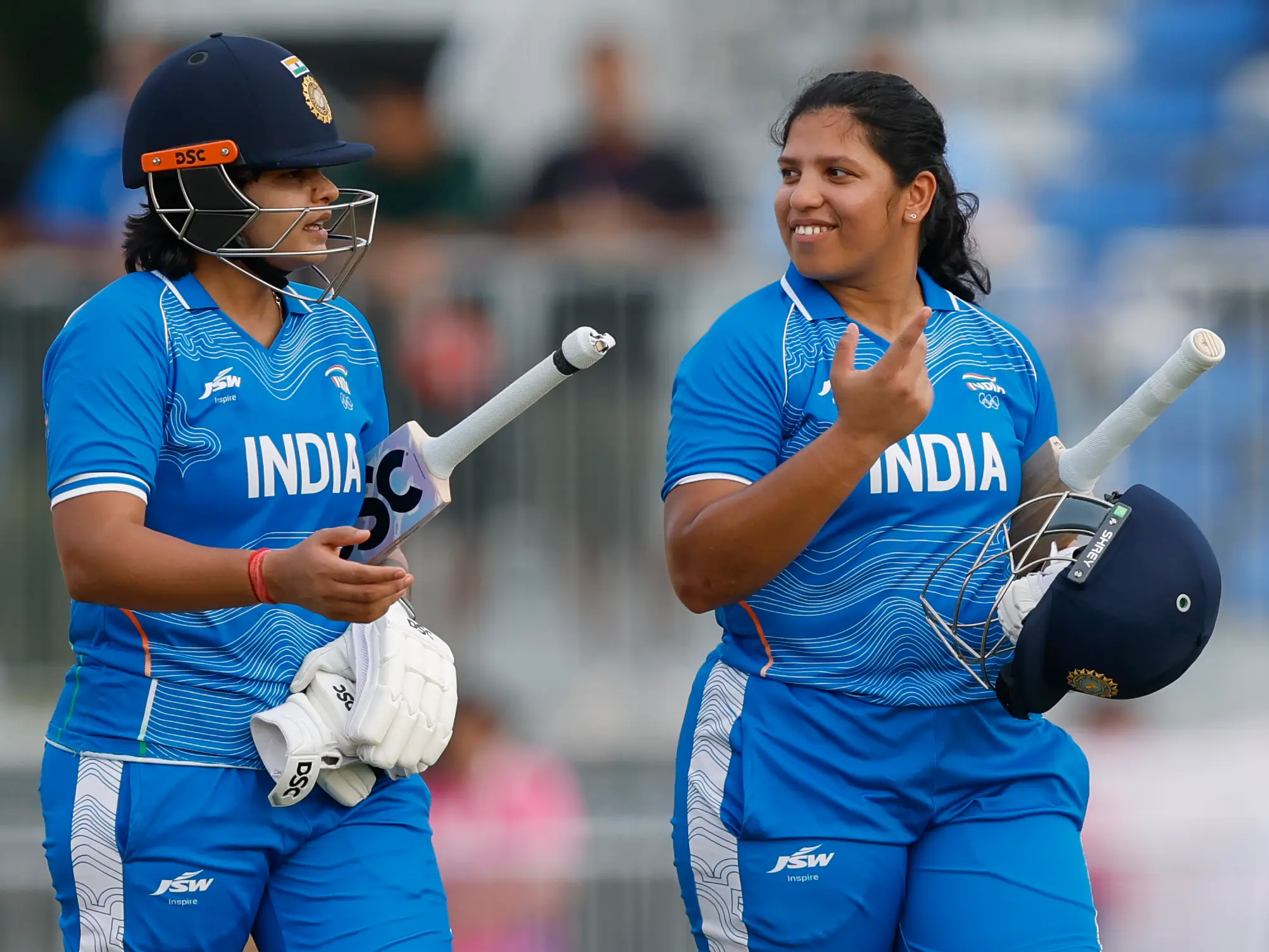)
Asian Games 2026: Shafali stars as India thump Japan by 8 wickets to book semis berth
)
Pezeshkian, Araghchi set to attend UNGA 2026 in New York amid ongoing conflict as US-imposed travel curbs remain
)
Ukraine plans record $109 bn defence spending, nearly two thirds of budget amid Russia war
The bench noted that the pregnancy had now exceeded seven months.
"What about the right of the child to survive? How do you address that?," the bench asked.
The counsel argued that since the foetus is still in the womb, the mother's rights prevail until the child is born.
"The petitioner at this stage is under severe traumatic condition. She can't come outside also. She is taking classes for NEET exam. She is under highly traumatic condition. She can't face the society at this stage," he said.
The lawyer contended that her mental and physical well-being should be taken into account.
"Sorry," the bench said.
In its May 3 order, the high court observed that on April 25, it had instructed the All India Institute of Medical Sciences to form a medical board to evaluate the condition of the fetus and the petitioner.
"A perusal of the report shows that there is no congenital abnormality in the foetus nor is there any danger to the mother to carry on with the pregnancy which will mandate termination of the foetus," the high court had said.
"Since the foetus is viable and normal, and there is no danger to the petitioner to carry on with the pregnancy, foeticide would neither be ethical nor legally permissible," it had said.
The petitioner had informed the high court that on April 16, she experienced abdominal discomfort and underwent an ultrasound, which revealed she was 27 weeks pregnant, crossing the legal limit of 24 weeks.
According to the MTP Act, termination of a pregnancy beyond 24 weeks is permissible only in cases of majorfoetal abnormalities diagnosed by a medical board or if it is deemed necessary in good faith to save the pregnant woman's life.
(With inputs from agencies)