'India’s non-alcoholic drinks market to reach Rs 1.47 trillion by 2030': Report

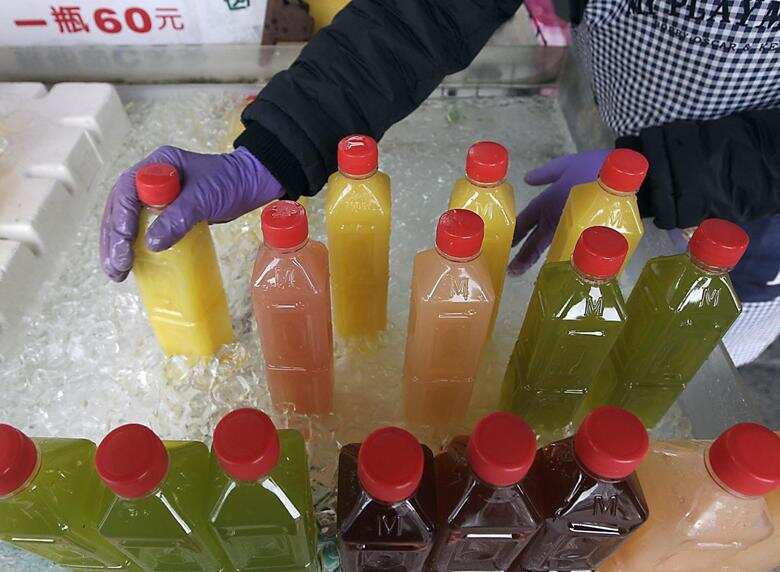
India’s non-alcoholic beverages market
India's non-alcoholic beverages market is expected to grow to Rs 1.47 trillion by 2030 at a compound annual growth rate (CAGR) of 8.7 per cent, from around Rs 671 billion in 2019, the Indian Council for Research on International Economic Relations (Icrier) said in a detailed analysis.
More than 60% of the global market was made up of carbonated soft drinks (CSDs), ready-to-drink teas (RTDs), energy drinks, and sports drinks. The most popular beverages among Indians are carbonated beverages, bottled water, and fruit beverages and juices.
According to the report, the government should focus on increasing farmers' revenue through the use of fruit pulp/puree/juices, as well as look into taxation on fruit-based beverages and juices. To encourage the expansion of the Indian juice/beverage business and farmers, the paper proposes lowering the tax on fruit pulp/puree-based commodities from 12 percent to 5%.

"While India is the world's greatest producer of numerous raw materials required in the production of non-alcoholic beverages, roughly 25-30 percent of the fruits and vegetables grown in the country are still lost in the supply chain," according to Deepak Mishra, director and chief executive of Icrier.
Watch | Gravitas: Is there less Coca-Cola in your can?
“We are far behind other developing countries in exports of beverages. For example, in 2020, we were the 59th global exporter of fruit and vegetable juices, while Brazil ranked first. With the PLI scheme and other incentives, there is scope to enhance the domestic manufacturing capacity and exports.”
&im=FitAndFill=(700,400)&imwidth=180&imheight=135&format=webp&quality=medium)
What is the real meaning behind Pete Hegseth's tattoos?
&imwidth=180&imheight=135&format=webp&quality=medium)
India-US ties: Marco Rubio seeks India's oil & energy co-operation Ad Ad options Learn more
&imwidth=180&imheight=135&format=webp&quality=medium)
Man marries off wife of 17 years to her lover in Uttar Pradesh
&imwidth=180&imheight=135&format=webp&quality=medium)
Boeing 737 MAX10 gets FAA certification, deliveries expected to begin in 2027
&imwidth=180&imheight=135&format=webp&quality=medium)
Shastri backs Shami comeback; lauds Bhuvi and warns Bumrah on format workload ahead of World Cup
&imwidth=180&imheight=135&format=webp&quality=medium)
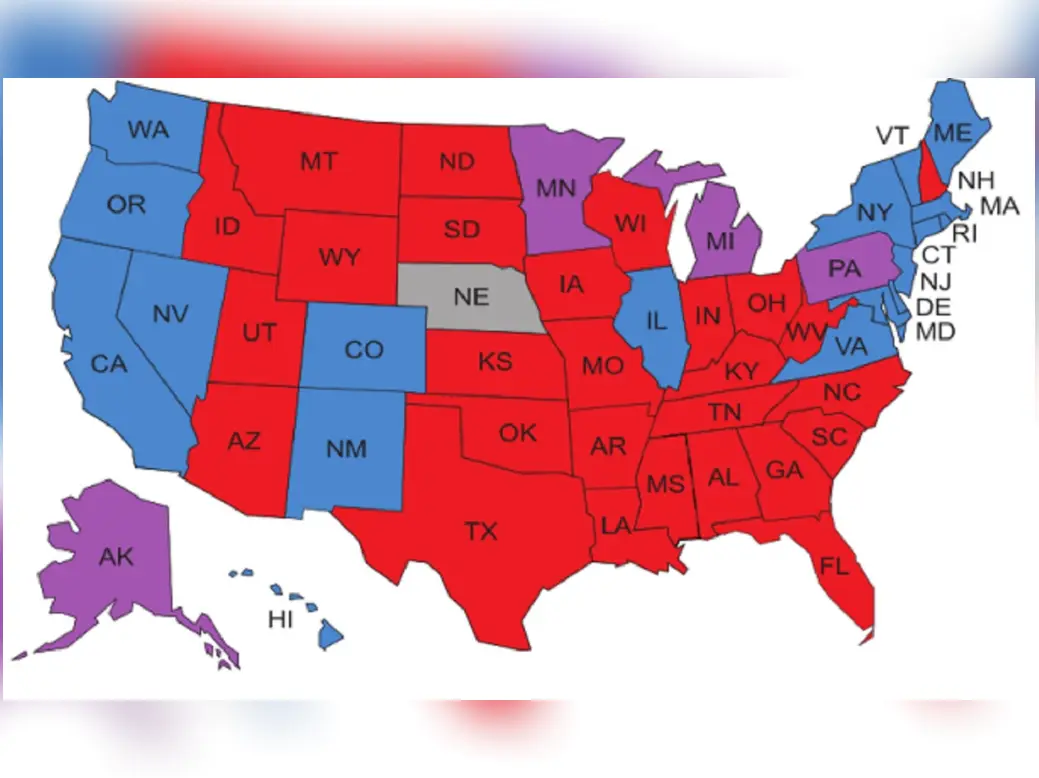
US midterms 2026: Red seats once deemed safe now appear shaky as Republicans spend big on ads
&imwidth=180&imheight=135&format=webp&quality=medium)
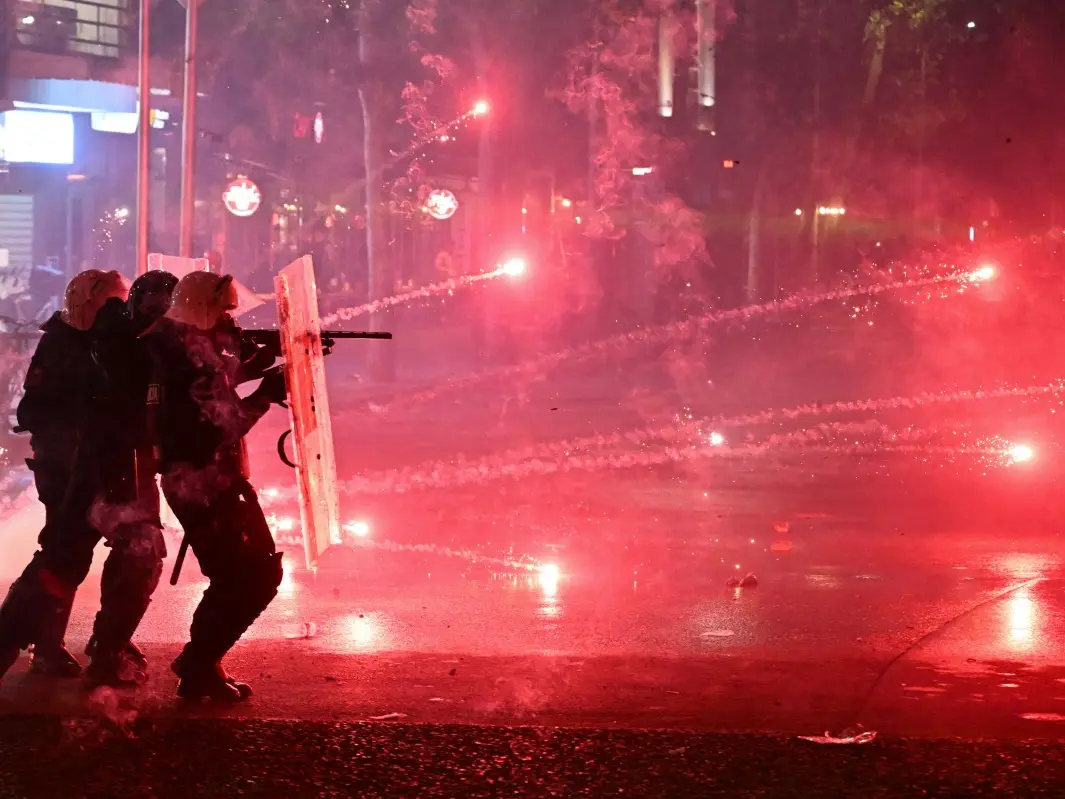
WATCH | Albania protesters set Supreme Court on fire as anti-Rama riots escalate
&imwidth=180&imheight=135&format=webp&quality=medium)
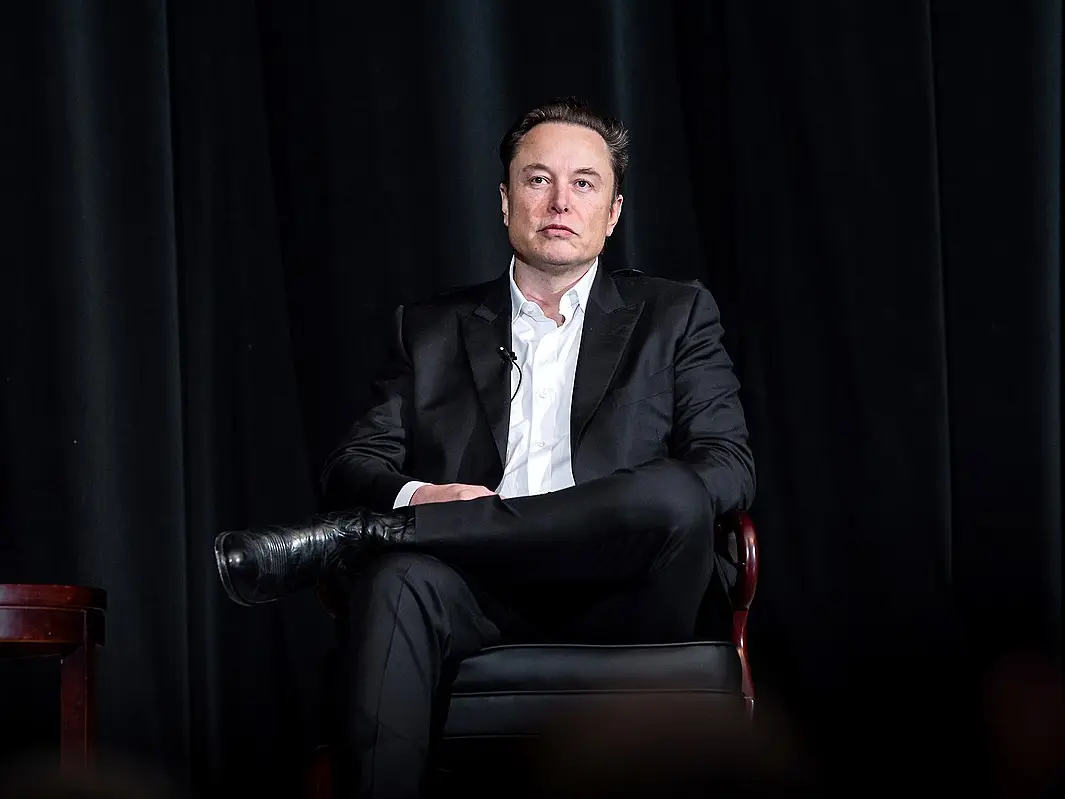
'Tap dancing through a minefield': Musk backs SpaceX-Tesla merger as AI boom fuels rocket firm's first profit
&imwidth=180&imheight=135&format=webp&quality=medium)
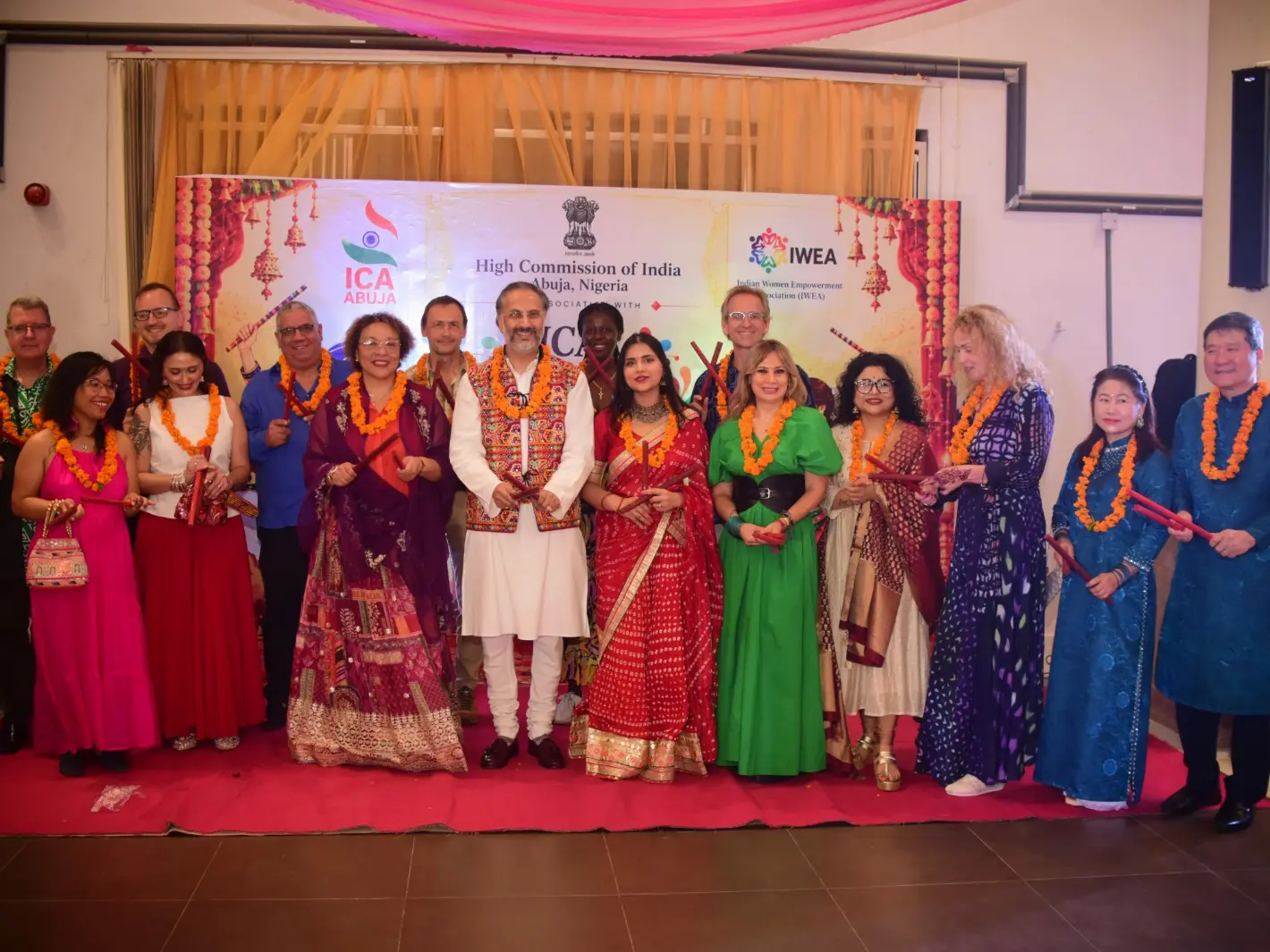
Dandiya Nite ’26: Indian High Commissioner hails diaspora as bridge between India and Nigeria
&imwidth=180&imheight=135&format=webp&quality=medium)
Trump says Ilhan Omar 'could go to jail' amid federal probe, calls Somalia a 's***house'
&imwidth=180&imheight=135&format=webp&quality=medium)
Punjab CM Bhagwant Mann allegedly detained for three hours at Delhi airport, fined ₹50,000: AAP
&imwidth=180&imheight=135&format=webp&quality=medium)
What the Mecca Joint Defence Agreement says about withdrawal and military support. Read full text of the pact here
&imwidth=180&imheight=135&format=webp&quality=medium)
Musk ordered Starlink restrictions that caught Ukraine off guard amid escalating tensions: Report
&imwidth=180&imheight=135&format=webp&quality=medium)
India vs New Zealand T20I Series 2026: Complete schedule, match timings, squads and live streaming details
&imwidth=180&imheight=135&format=webp&quality=medium)
Trump calls Le Pen France’s ‘conservative voice’ after riots, but holds back on endorsement
&imwidth=180&imheight=135&format=webp&quality=medium)
Trump considers removing White House press corps to restore historic indoor swimming pool
&imwidth=180&imheight=135&format=webp&quality=medium)
Ukrainian soldier rescued by a drone chopped off own leg while hiding for 491 days
&imwidth=180&imheight=135&format=webp&quality=medium)
US-Iran war | Tehran: Must end port blockade, oil sanctions and regional attacks
&im=FitAndFill=(700,400)&imwidth=180&imheight=135&format=webp&quality=medium)
Priyanka Chopra to Shilpa Shetty: 6 Bollywood actresses and their fitness secrets
&imwidth=180&imheight=135&format=webp&quality=medium)
'US will never part with niche technology' former IAF assistant chief on India's fighter jet ambitions
&imwidth=180&imheight=135&format=webp&quality=medium)
Pujara says 'Samson and Vaibhav cannot be in Playing XI' for India on NZ tour
&imwidth=180&imheight=135&format=webp&quality=medium)
'What's wrong with you? Are you a sick person?': Trump at it again as he snaps at reporters, faces backlash
&imwidth=180&imheight=135&format=webp&quality=medium)
Over 100 US lawmakers urge FBI to probe foiled Hindu temple shooting as hate crime
&im=FitAndFill=(700,400)&imwidth=180&imheight=135&format=webp&quality=medium)
New OTT releases this week (October 19-25, 2026): Gajab Raat to Chaar Yaar-8 titles to watch during Dussehra week on Netflix, Prime Video and more
&imwidth=180&imheight=135&format=webp&quality=medium)
Ukrainian drone airlifts wounded soldier in what is likely a world first
&imwidth=180&imheight=135&format=webp&quality=medium)
Trump says he wants Zelensky to 'make a deal' with Russia, asks Putin to release American prisoner Stephen Hubbard
&imwidth=180&imheight=135&format=webp&quality=medium)
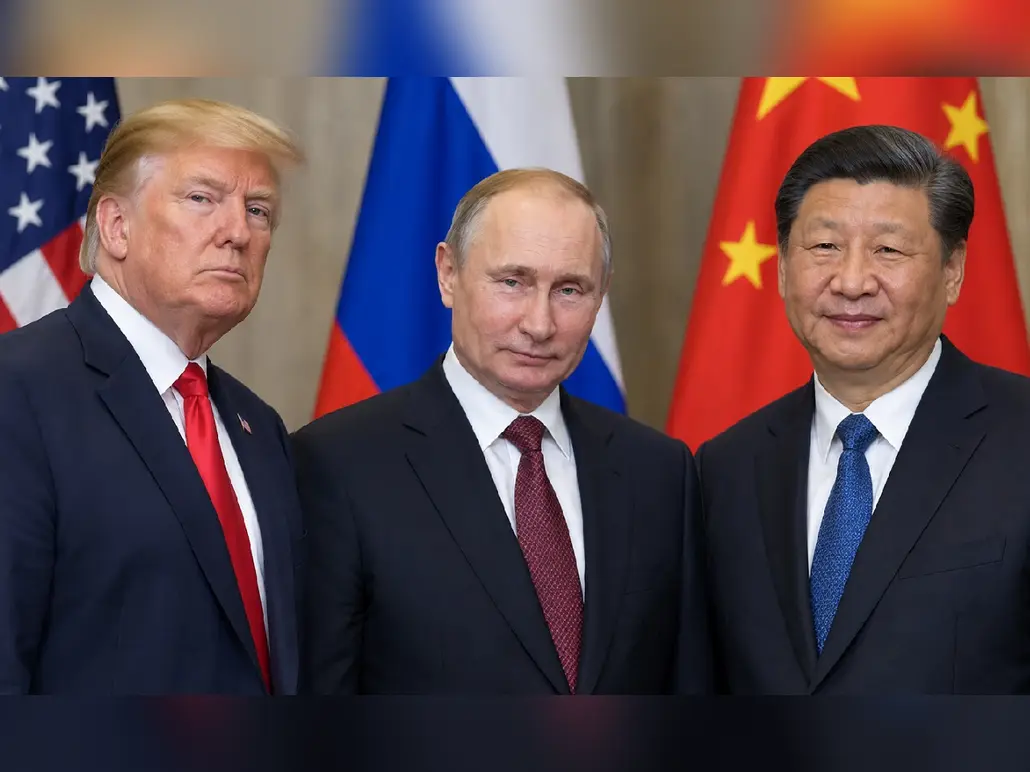
The Verdict | Trump, Putin and Xi: A superpower triangle that could reshape global diplomacy
&imwidth=180&imheight=135&format=webp&quality=medium)
India moves to buy 10,000 more AI chips for a national compute pool open to startups
&imwidth=180&imheight=135&format=webp&quality=medium)
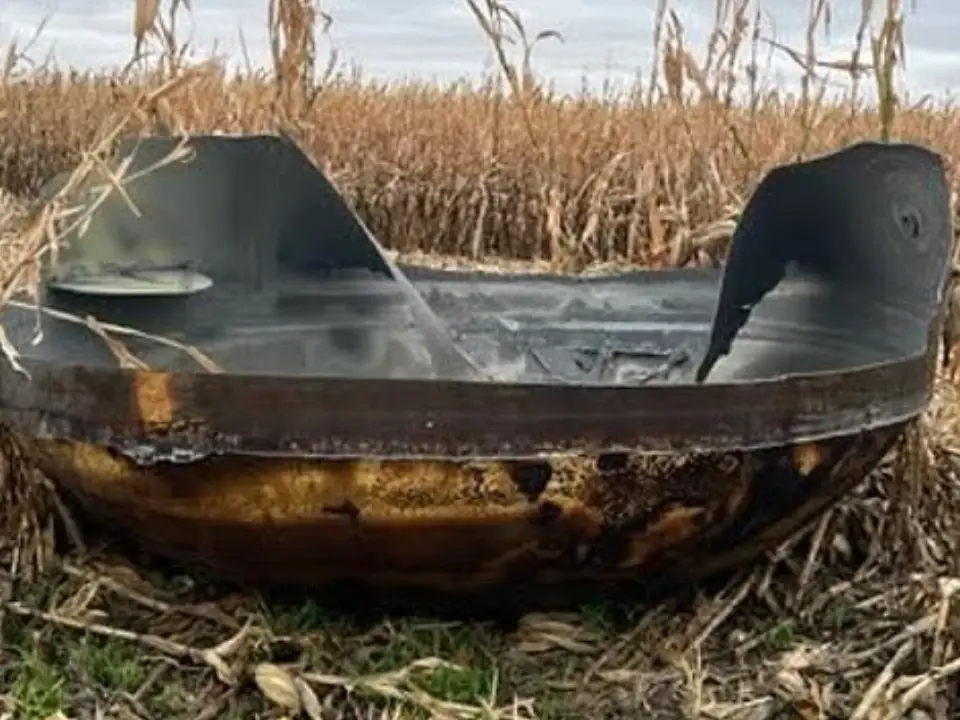
'They are not even telling us' - Mysterious metallic object discovered in Minnesota field
&imwidth=180&imheight=135&format=webp&quality=medium)
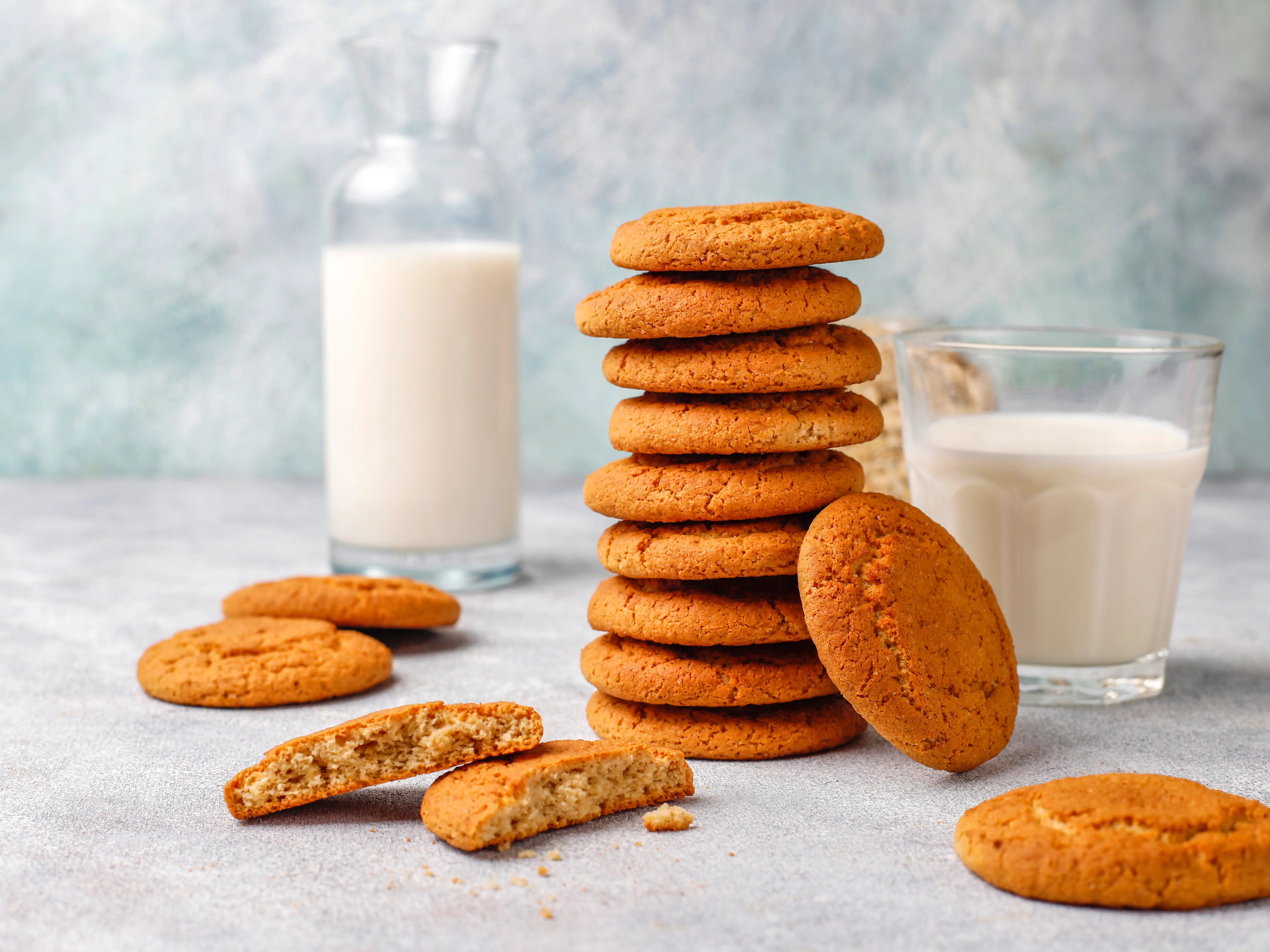
Cattle-feed bran in biscuits, detergent in milk: FSSAI acts against 3 companies
&imwidth=180&imheight=135&format=webp&quality=medium)
US midterms 2026: With Republicans spending big, Bloomberg opens his wallet for Democrats. Here's how much he is pouring
&imwidth=180&imheight=135&format=webp&quality=medium)
Iran rejects US talks until demands are met, rules out moving enriched uranium out of the country
&imwidth=180&imheight=135&format=webp&quality=medium)
Feds obtain DNA evidence that could prove Ilhan Omar married her brother: Report
&imwidth=180&imheight=135&format=webp&quality=medium)
Ramayana advance booking: Ranbir Kapoor, Yash's film cross $500K ahead of Diwali release
Nutrition-based taxes
Furthermore, the paper suggests that taxes in the Union Budget for 2023-24 be set in such a way that they encourage people to consume healthily. Nutritional taxes should be implemented.
Carbonated sugar-based drinks, for example, may be subject to the highest GST rate of 28%, but carbonated fruit juices with no added sugar or mineral water should be taxed at the lowest rate.
The FSSAI product regulations must be aligned with the product definitions in the GST tax slabs, as moderate taxation can lead to increased revenue collection, increased investment in R&D and product innovation, reduced supply chain wastages, increased farmer income, and India becoming one of the leading global beverage hubs.
WATCH WION LIVE HERE
You can now write for wionews.com and be a part of the community. Share your stories and opinions with us here.