Indian NSA Doval Ajit Doval meets Chinese VP Han Zheng, discusses strengthening peace in border areas

&imwidth=600&imheight=450&format=webp&quality=medium "Indian NSA Doval Ajit Doval meets Chinese VP Han Zheng, discusses strengthening peace in border areas")
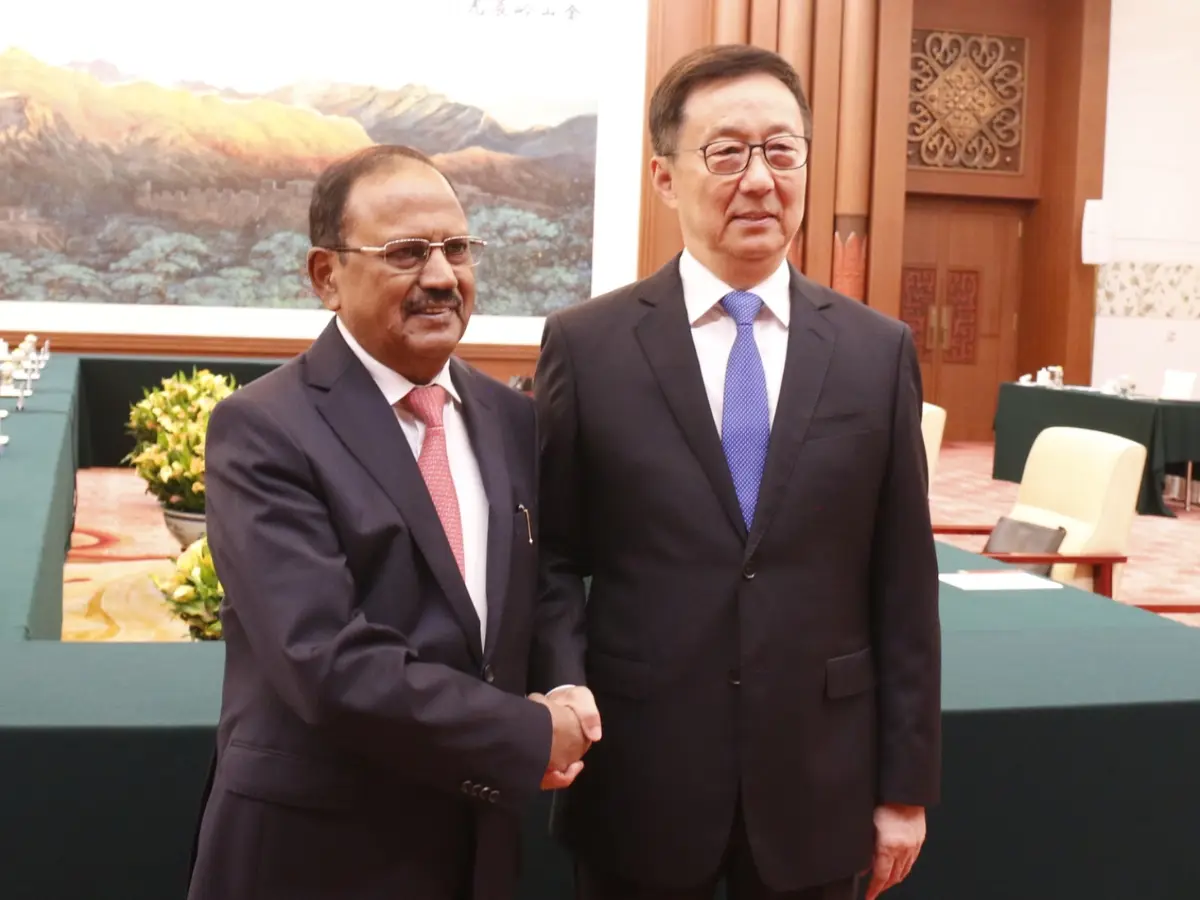
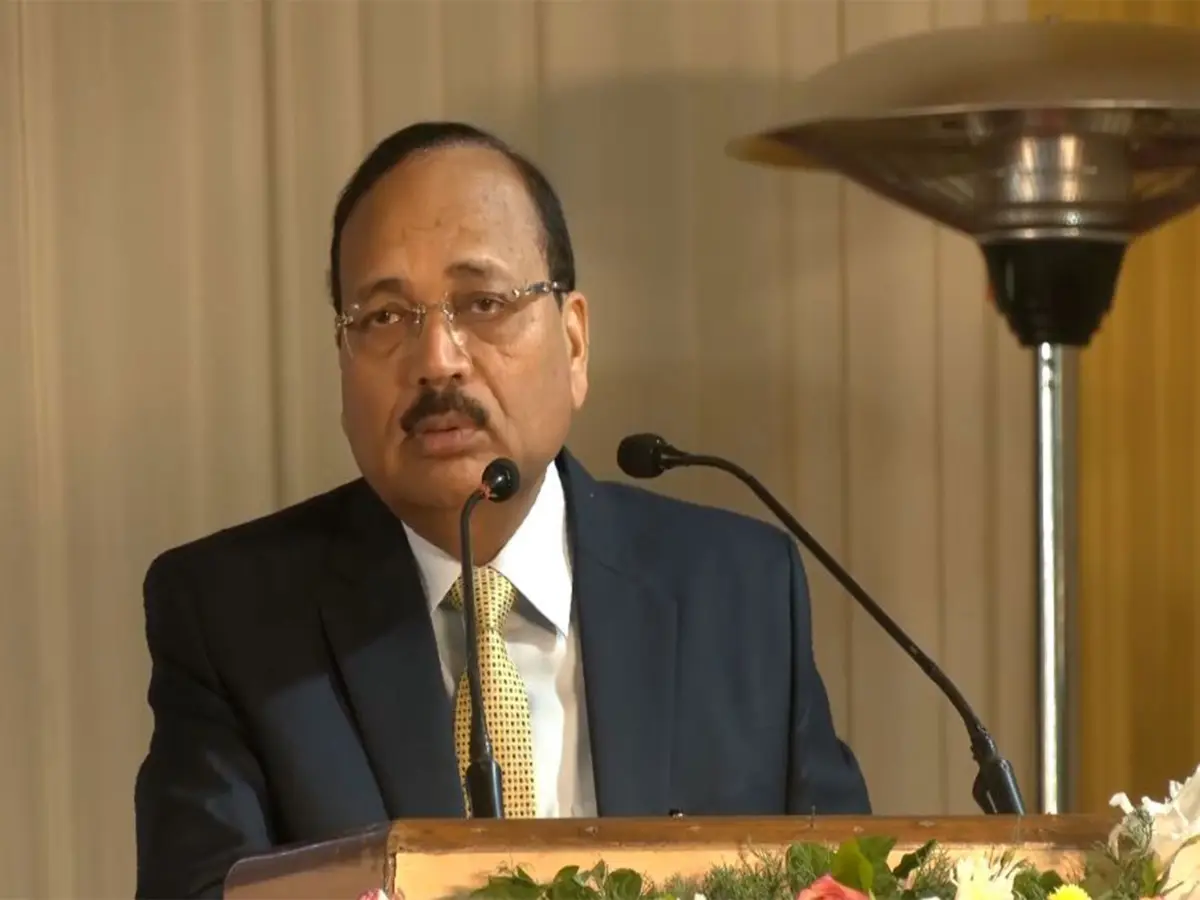
NSA Ajit Doval met Chinese Vice President Han Zheng Photograph: (ANI)
NSA Ajit Doval met Chinese Vice President Han Zheng in Beijing ahead of the 25th round of India-China border talks with Wang Yi. They discussed maintaining peace along the border and strengthening bilateral ties amid efforts by New Delhi and Beijing to normalise relations.
National Security Advisor (NSA) Ajit Doval, who is on a two-day visit to China, met China's Vice President Han Zheng on Tuesday (Aug 25). They held a bilateral meeting and discussed on promoting peace and stability across the border areas while also aiming to further strengthen the bilateral partnership. The meeting between the leaders comes ahead of the 25th round of border talks scheduled to take place later on Tuesday between NSA Doval and Chinese Foreign Minister Wang Yi.
Sharing the details of the meeting in a post on X, the Embassy of India in China said, "On 25 August, NSA and Special Representative on the India-China Boundary Question, Ajit Doval called on Han Zheng, Vice President of the People's Republic of China." As per the Indian Embassy, prior to the 25th Round of the Special Representative talks on the India-China border later on Tuesday, NSA and VP Han discussed ways to strengthen peace and tranquility in the border areas. They also held discussions on further improving bilateral relations across economic, political and multilateral fora, in accordance with the consensus reached between the leaders of the two countries.
The meeting slated to take place later today between NSA Doval and Chinese Foreign Minister Wang Yi would come shortly after they met in June in India on the sidelines of the BRICS National Security Advisers' meeting in New Delhi. The talks, described by India's Ministry of External Affairs as "constructive and forward-looking," mark another step in the ongoing effort to recalibrate the bilateral relationship between the two Asian giants. The Ministry of External Affairs Spokesperson Randhir Jaiswal had then said, "The two sides reviewed recent developments in bilateral relations and noted progress towards gradual normalisation. NSA underlined that stable, predictable and constructive bilateral relations contribute to building trust and better understanding between the two sides. The discussions were constructive and forward-looking."
India-China border issues
Trending Stories
&imwidth=280&imheight=210&format=webp&quality=medium)
&im=FitAndFill=(700,400)&imwidth=280&imheight=210&format=webp&quality=medium)
&im=FitAndFill=(700,400)&imwidth=280&imheight=210&format=webp&quality=medium)
&imwidth=280&imheight=210&format=webp&quality=medium)
&imwidth=280&imheight=210&format=webp&quality=medium)
&imwidth=280&imheight=210&format=webp&quality=medium)
&imwidth=280&imheight=210&format=webp&quality=medium)
&imwidth=280&imheight=210&format=webp&quality=medium)
&imwidth=280&imheight=210&format=webp&quality=medium)
&imwidth=280&imheight=210&format=webp&quality=medium)
&imwidth=280&imheight=210&format=webp&quality=medium)
&imwidth=280&imheight=210&format=webp&quality=medium)
&imwidth=280&imheight=210&format=webp&quality=medium)
&imwidth=280&imheight=210&format=webp&quality=medium)
&imwidth=280&imheight=210&format=webp&quality=medium)
&imwidth=280&imheight=210&format=webp&quality=medium)
&imwidth=280&imheight=210&format=webp&quality=medium)
&imwidth=280&imheight=210&format=webp&quality=medium)
&imwidth=280&imheight=210&format=webp&quality=medium)
&imwidth=280&imheight=210&format=webp&quality=medium)
&imwidth=280&imheight=210&format=webp&quality=medium)
&imwidth=280&imheight=210&format=webp&quality=medium)
&imwidth=280&imheight=210&format=webp&quality=medium)
&im=FitAndFill=(700,400)&imwidth=280&imheight=210&format=webp&quality=medium)
&imwidth=280&imheight=210&format=webp&quality=medium)
&imwidth=280&imheight=210&format=webp&quality=medium)
&imwidth=280&imheight=210&format=webp&quality=medium)
&imwidth=280&imheight=210&format=webp&quality=medium)
&imwidth=280&imheight=210&format=webp&quality=medium)
&imwidth=280&imheight=210&format=webp&quality=medium)
&imwidth=280&imheight=210&format=webp&quality=medium)
&imwidth=280&imheight=210&format=webp&quality=medium)
&imwidth=280&imheight=210&format=webp&quality=medium)
&imwidth=280&imheight=210&format=webp&quality=medium)
The visit of Doval comes amid reported clash of Indian and Chinese troops in the Arunachal Pradesh sector of the Line of Actual Control (LAC). External affairs minister S Jaishankar recently said that the state of the border will determine the course of the overall India-China relationship. “I think we went through a particularly bad patch between the summer of 2020 and the autumn of 2024, and that was primarily an outcome of the situation in the border areas,” Jaishankar said, referring to a military face-off in the Ladakh sector of the LAC that lasted more than four years and took bilateral ties to a six-decade low. After the two sides reached an understanding on ending the face-off in Ladakh in October 2024, Xi and Modi met in Russia and agreed on measures to normalise ties and address the border dispute. Steps were taken to revive the Kailash Mansarovar Yatra, direct flights and ease of visa restrictions for Chinese nationals.
At the last round of Special Representatives’ talks in New Delhi a year ago, the two sides reiterated the “importance of maintaining peace and tranquillity” on the border to promote the overall development of ties. According to an Indian readout issued at the time, the Special Representatives agreed on the need for a “political perspective” while working on a fair, reasonable and mutually acceptable framework for settling the boundary question in line with the Agreement on Political Parameters and Guiding Principles for Settlement of the India-China Boundary Question of 2005.
They also agreed to set up an expert group under the Working Mechanism for Consultation and Coordination (WMCC) on India-China Border Affairs to “explore early harvest in boundary delimitation”, and a working group under the WMCC to advance effective border management. They further agreed to create general-level mechanisms in the eastern and middle sectors of the border, in addition to the existing general-level mechanism in the western sector.

