&imwidth=800&imheight=600&format=webp&quality=medium "Indian airlines flag shutdown risk as jet fuel prices surge, seek urgent support")
Amid ongoing disruption in fuel supplies linked to the West Asia conflict, India’s airline industry has urged the government to step in urgently as rising jet fuel prices begin to squeeze operations and weaken financial stability.
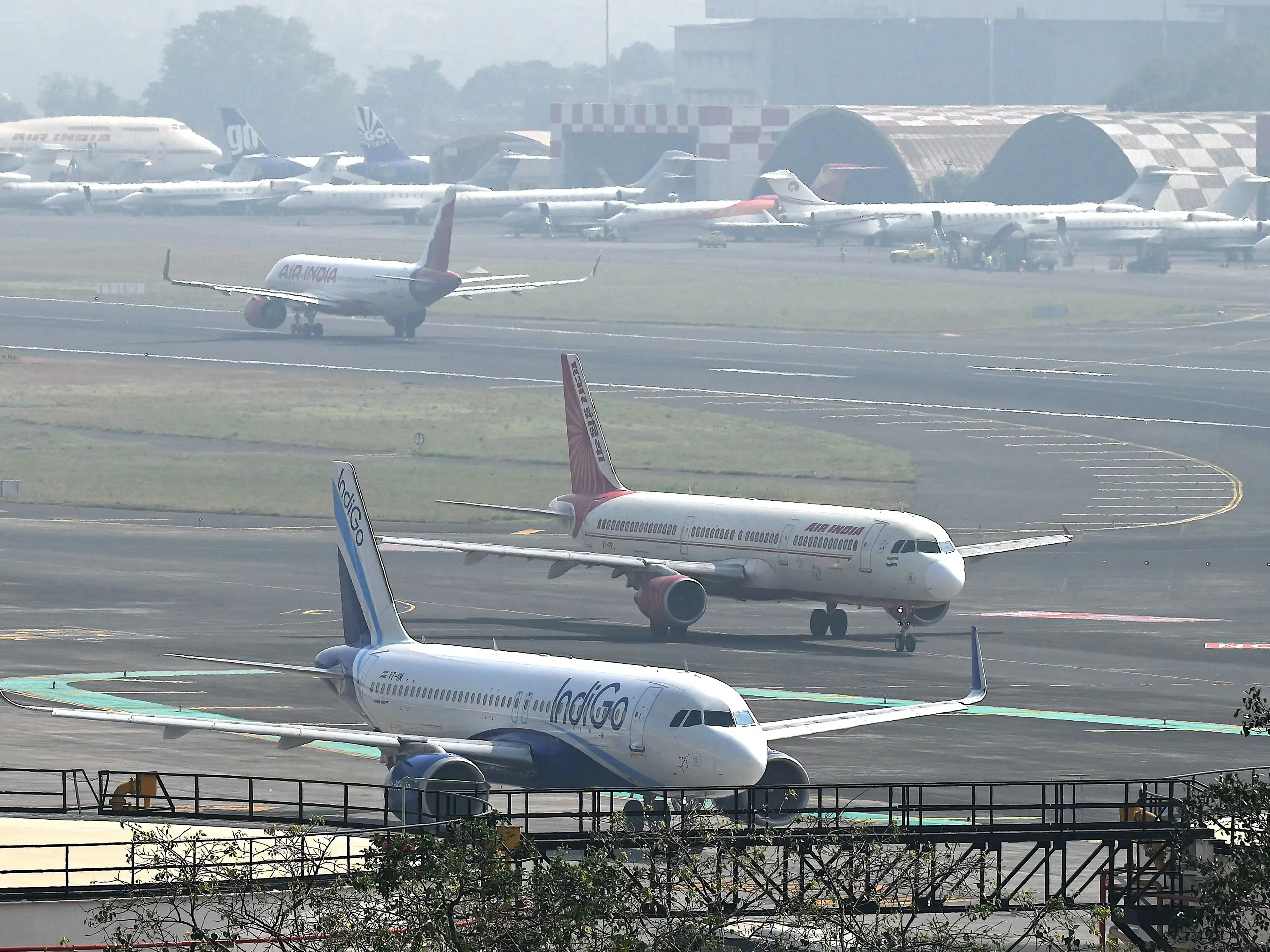
In a letter to the Civil Aviation Ministry, the Federation of Indian Airlines (FIA), which represents major carriers including Air India, IndiGo and SpiceJet, said the sector is under “extreme stress” due to a sharp increase in aviation turbine fuel (ATF) prices. The body warned that the current cost environment is making several routes commercially unviable and may force airlines to reassess capacity if prices remain elevated for a longer period.
ATF prices have recently crossed the Rs 2 lakh per kilolitre mark, tracking the surge in global crude oil triggered by tensions in West Asia. Fuel costs, which usually account for around 30–40% of an airline’s total expenditure, have now risen to nearly 55–60% of operating costs, according to industry estimates. This shift has significantly eroded profit margins across carriers.

The FIA highlighted that airlines are finding it increasingly difficult to absorb the rising costs, especially on international routes where pricing flexibility remains limited. It added that sustained high fuel prices are also tightening cash flows, increasing financial pressure on already stretched balance sheets.
In its appeal, the industry body has sought both immediate relief and long-term structural reforms. As an urgent measure, it has requested the government to temporarily remove the 11% excise duty on ATF and encourage states to cut value-added tax, which in some regions can go up to 25%.
Trending Stories
)
Why asking questions could be more important than memorising answers
)
BRICS Summit 2026: Iran's Pezeshkian praises PM Modi at BRICS
)
Osama Bin Laden ‘planned’ to target India, CIA reveals dozens of declassified documents
)
'Iran won't surrender': Pezeshkian sends blunt message to US while attending BRICS Summit in India
)
BRICS Summit 2026: Global leaders of BRICS nations attend main open session
)
PM Modi and China's Xi offered to help resolve Russia-Ukraine war: Kremlin
)
Why dehydration is the hidden cause of travel fatigue on long flights
&im=FitAndFill=(700,400))
Meet top 5 batters fastest to 3000 runs in T20Is
)
Top 5 places to visit in Goa beyond its famous beaches
)
'He is popular...': Malaysian PM Anwar Ibrahim's praise for PM Modi during bilateral meeting | WATCH
)
BRICS Summit 2026: PM Modi, Xi reach key consensus on ties, China to assume BRICS chairmanship in 2027
)
BRICS Summit 2026: Consensus on joint declaration, diplomatic win for India
)
Trump says Canada eager to reach a deal, it could come ‘fairly soon’ if Ottawa treats US farmers better
)
‘Partners, not rivals’: Xi outlines four point plan for stronger India-China ties
&im=FitAndFill=(700,400))
Why Chinese PL-15 air-to-air missiles use dual-pulse motors compared to European interceptors
)
Could staying indoors all day affect your health?
)
BRICS Summit 2026: PM Modi addresses Day 2 of 18th BRICS summit
)
Who is the smiling man beside Modi, Putin and Xi at BRICS Summit 2026?
)
800 million years old - Scientists discover 'fingerprints' of supercontinent Gondwana in ancient rocks
)
Why going digital does not always mean becoming more efficient
&im=FitAndFill=(700,400))
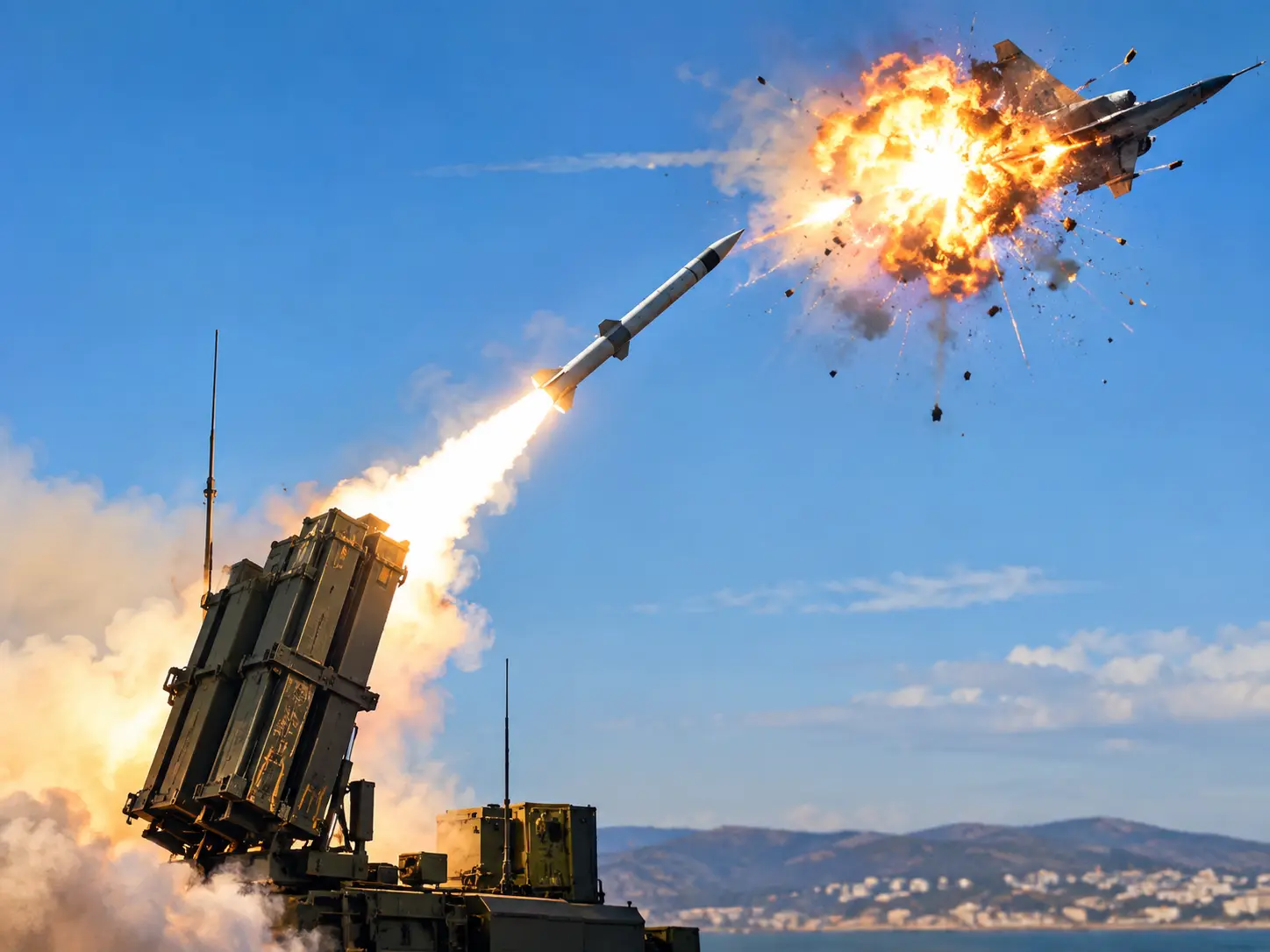
Why do air defence missiles explode near their target instead of hitting it?
)
War is making Russia stronger? How Ukraine is shaping Moscow’s next generation of weapons
)
From severe mobility problems to recovery: Madhuri the elephant’s journey of wildlife care
)
BRICS Summit day 1: New Delhi declaration adopted with full consensus, big diplomatic win for India
)
Did Iran President Pezeshkian touch feet of Hindu spiritual leader at Delhi event as shown in viral video?
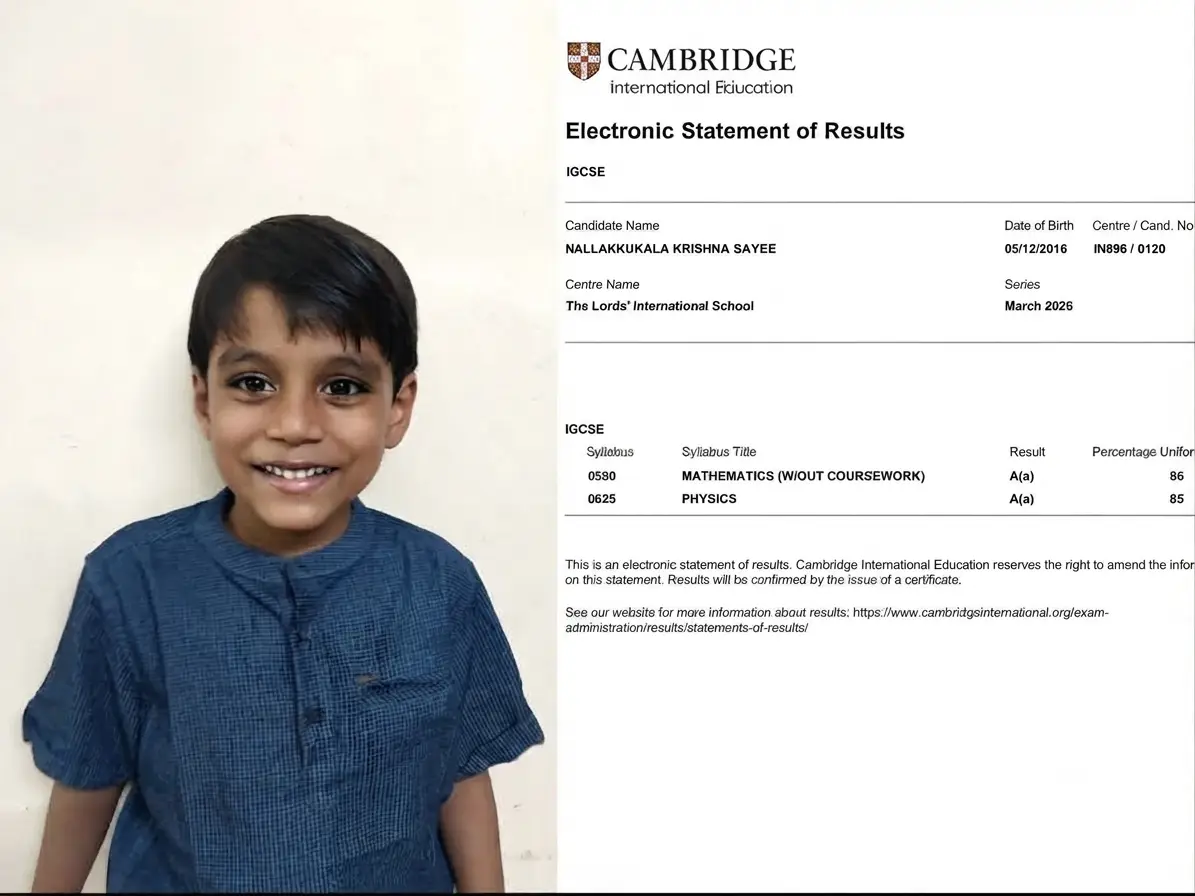)
9-year-old Chennai prodigy clears Cambridge IGCSE grade 10 exams
)
Why does your body need time to adjust after a long journey?
)
BRICS Summit 2026: PM Modi to hold bilateral with leaders of seven countries
)
Ramanathaswamy temple takes centre stage as PM Modi welcomes world leaders at BRICS
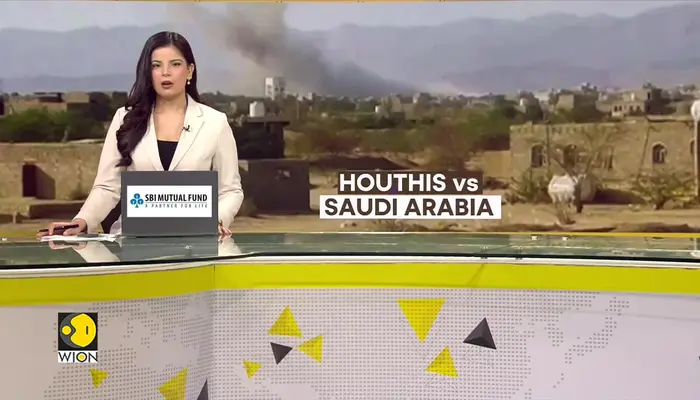)
Houthis launch cross-border strike on Saudi Arabia as Yemen war escalates
)
BRICS Summit 2026: Chinese president Xi Jinping departs from New Delhi after attending BRICS summit
)
Why does your skin need protection from UV rays?
)
How does the loss of forests affect the way wildlife lives and moves?
)
IND vs AFG, 1st T20I: When and where to watch live streaming in India?
)
Why do wild animals need quiet places to survive?
)
Bigg Boss 20: Qazi Touqeer gets a special ‘rockstar’ moment from Salman Khan
)
Humans may lose control of AI: Anthropic CEO calls for slowdown, Altman, Musk back him
On the structural side, airlines have called for a more stable and transparent pricing framework for aviation fuel. They argue that volatility in refining margins and global “crack spreads” is keeping ATF prices high even when crude oil softens, creating a mismatch that disrupts planning and budgeting.
The FIA also pointed out that India’s relatively high fuel taxation places domestic carriers at a disadvantage compared to global competitors, particularly on international routes where competition is intense.
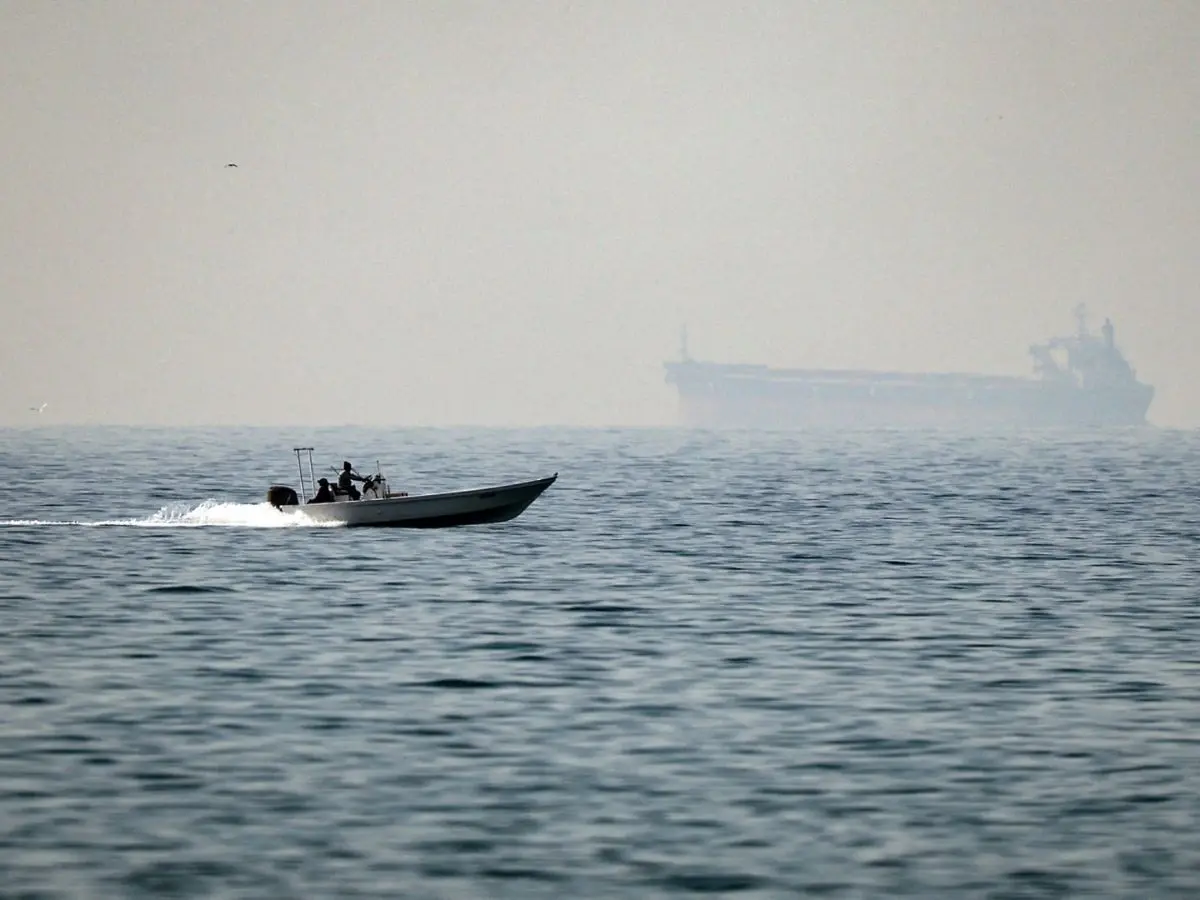
The current surge has been driven by geopolitical instability in West Asia, with concerns over supply routes such as the Strait of Hormuz adding further uncertainty to global oil markets. Airlines say this external shock is directly translating into higher operating costs.
If the trend continues, the industry has warned of possible fare increases, route rationalisation and capacity cuts. While airlines have so far absorbed part of the burden, executives say there is limited scope to continue doing so without affecting operations.
For passengers, the impact is likely to surface gradually through higher ticket prices and reduced frequency on less profitable routes.