'132,890 cubic metres of LNG’: ADNOC tanker crosses Strait of Hormuz for first time since Iran war, appears near India

Marine tracking data, on Monday, showed the tanker appearing off India’s west coast after weeks without signal, suggesting it had navigated the strategically critical waterway amid heightened tensions.
Rare LNG transit through a restricted maritime corridor
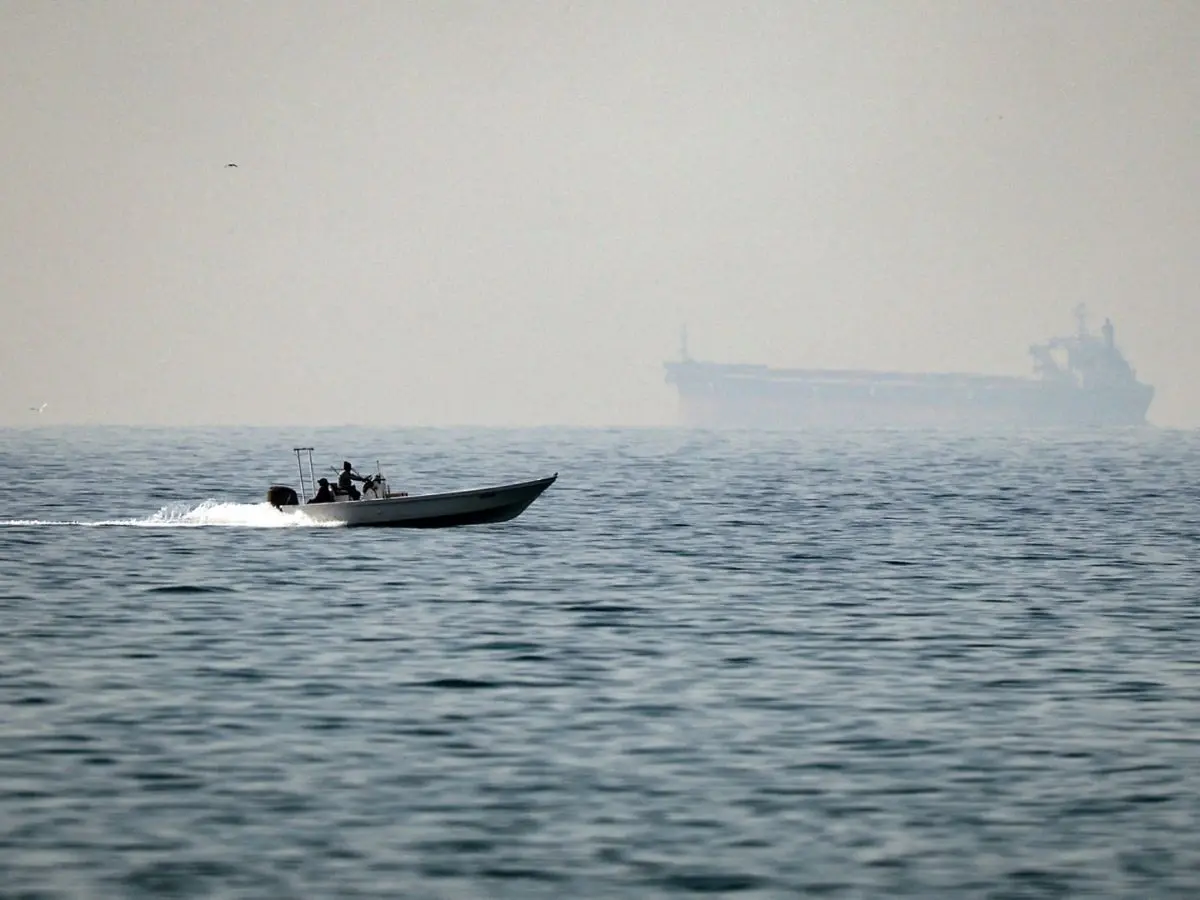
A liquefied natural gas (LNG) tanker managed by Abu Dhabi National Oil Company (ADNOC) has reportedly crossed the Strait of Hormuz, marking the first confirmed passage of a fully loaded LNG vessel since the outbreak of the Iran war in late February. Marine tracking data, on Monday, showed the tanker appearing off India’s west coast after weeks without signal, suggesting it had navigated the strategically critical waterway amid heightened tensions.
Voyage tracked after weeks of signal silence
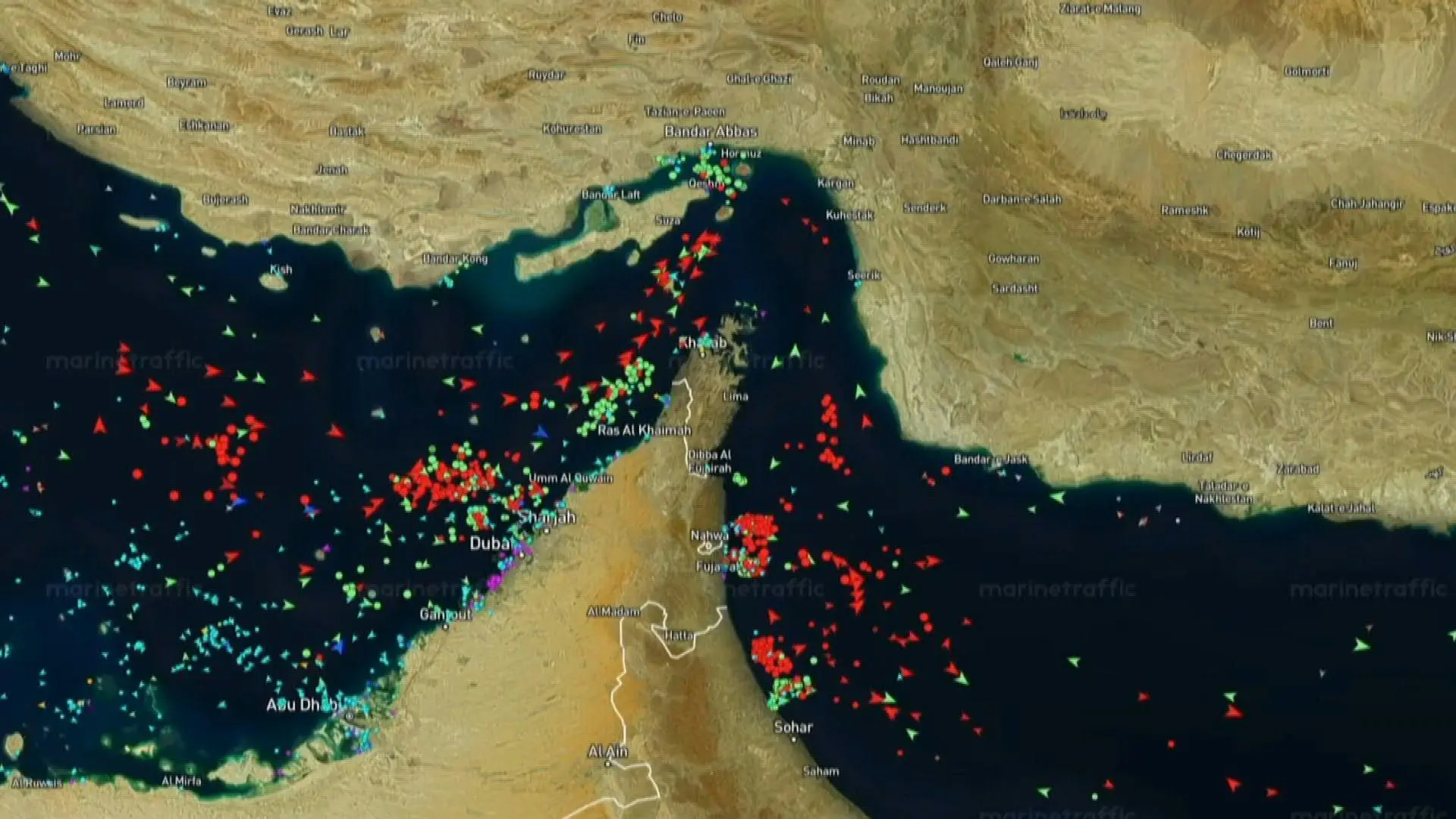
The vessel, identified as Mubaraz, was carrying around 132,890 cubic metres of LNG, according to data from Kpler analysed by AFP. It had loaded its cargo at Das Island in the United Arab Emirates on March 2 before leaving the Gulf later that month. The tanker then switched off its Automatic Identification System (AIS) transponder for nearly a month, reappearing in tracking systems only when it surfaced near India on Monday.
Uncertainty over exact timing of crossing
Analysts quoted by AFP say the precise timing of the crossing remains unclear. “It could be the case that the vessel managed to cross the strait during the weekend of 18–19 April, when multiple vessels attempted to cross the strait, including seven LNG tankers, however this is not yet confirmed,” Kpler analyst Charles Costerousse said. The use of AIS silence reflects a broader pattern of vessels attempting to reduce visibility while transiting high-risk waters.
Limited traffic underscores disruption
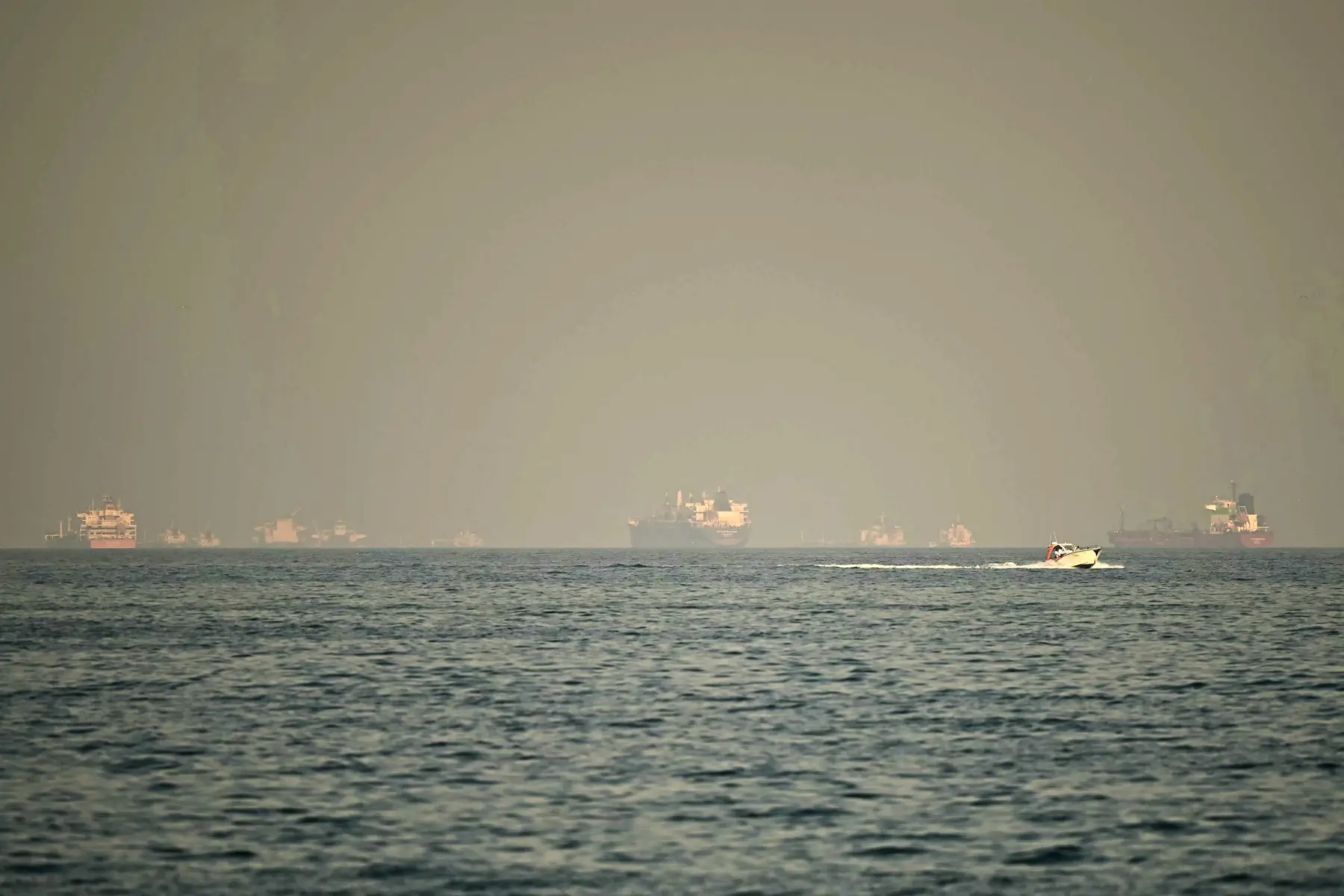
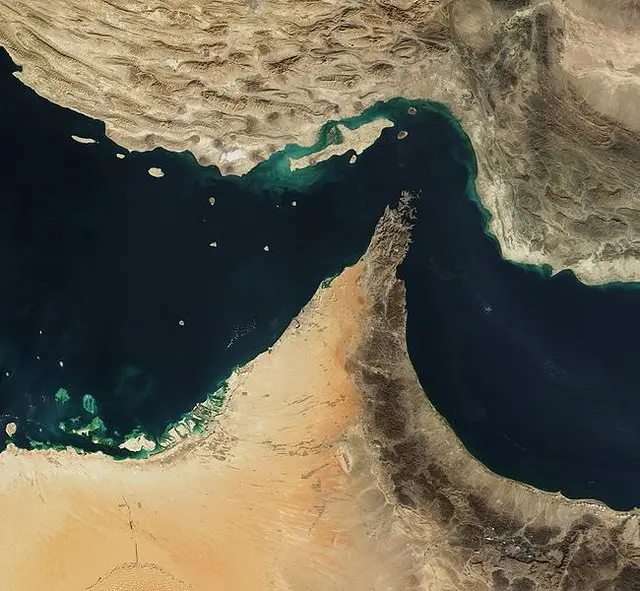
Since early March, traffic through the Strait of Hormuz has been sharply curtailed due to the escalating conflict and restrictions imposed in the region. Reuters reported that, if confirmed, the ADNOC-managed vessel would be the first loaded LNG tanker to make the crossing since February 28. Previous passages have been limited, with the Sohar LNG crossing earlier in a largely empty state and only a handful of vessels attempting transit.
Energy flows under strain
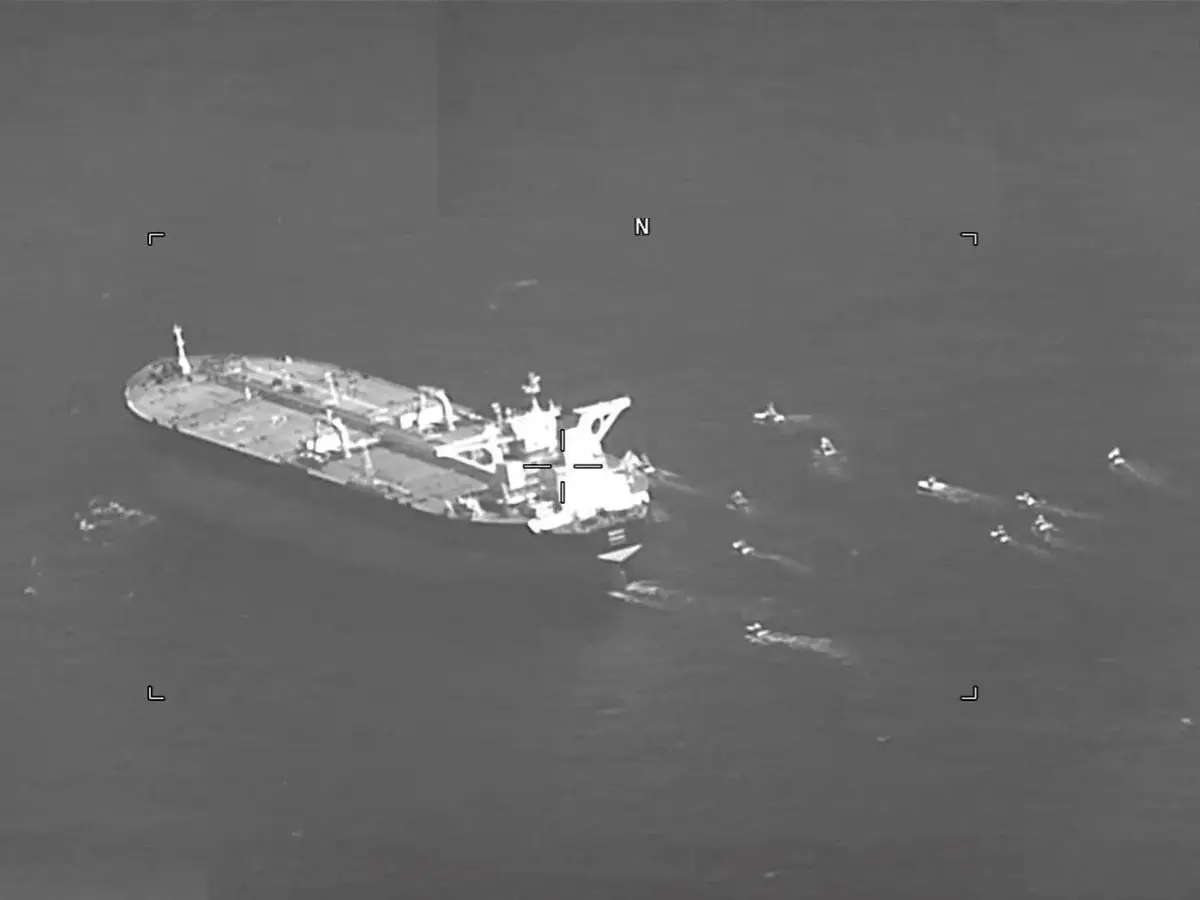
The disruption has significantly affected global LNG markets. Around 20 per cent of the world’s LNG trade typically passes through the strait in peacetime, making it a vital energy corridor. Qatar, one of the largest LNG exporters, has been particularly exposed to the disruption, with several tankers reportedly unable to complete crossings in April.
Geopolitical tensions drive maritime risk
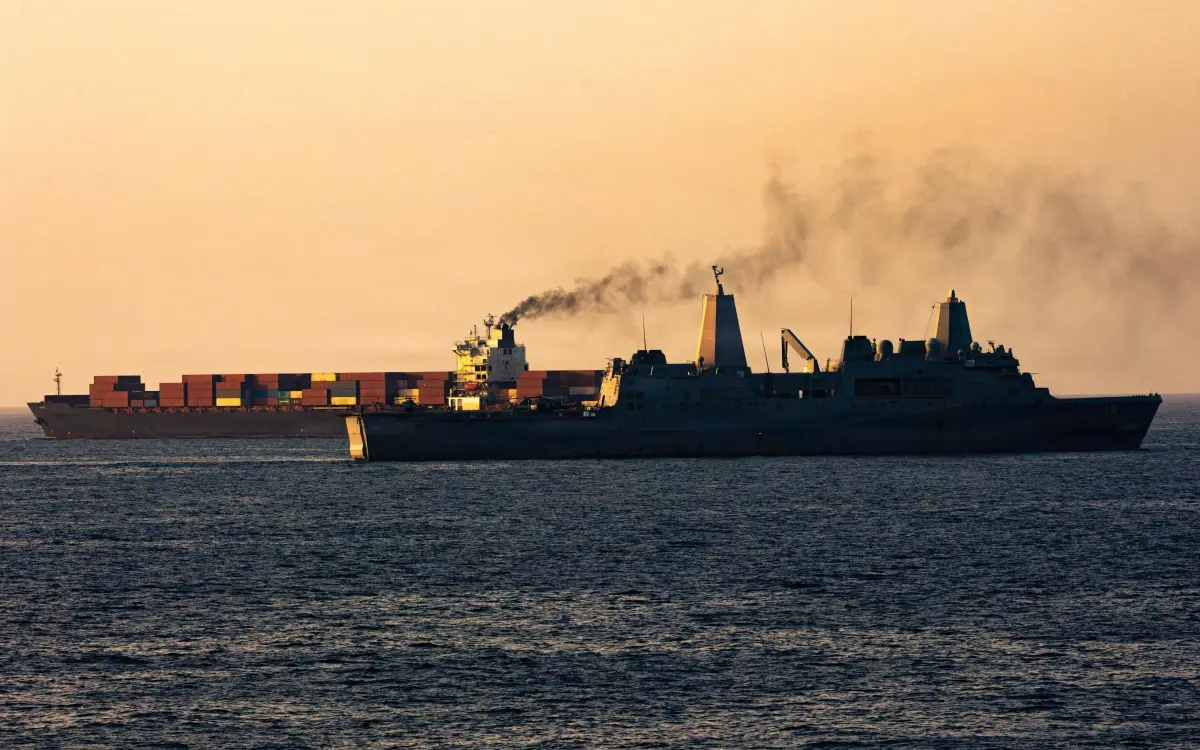
The passage comes amid an intensifying standoff between the United States and Iran, with uncertainty over diplomatic efforts and the status of a fragile ceasefire. The strategic waterway has emerged as a focal point of the conflict, with threats ranging from naval mines to direct attacks on vessels, raising concerns over maritime security.

Market impact and strategic significance
Oil prices have reacted to the instability, reflecting fears of prolonged disruption to energy supplies. The successful transit of a fully loaded LNG tanker highlights both the risks and the resilience of global shipping routes, even as the Strait of Hormuz remains one of the most closely watched chokepoints in international trade.
)
)
)
)
)