India seeks tougher action from US tech giants on fake news

Facebook, Google, Twitter
IndianofficialshaveheldheateddiscussionswithGoogle,TwitterandFacebookfor not proactively removing what they described as fake news on their platforms, sources told Reuters, the government's latest altercation with Big Tech.
Theofficials, from the Ministry of InformationandBroadcasting (I&B), strongly criticised the companiesandsaid their inaction on fake news was forcing theIndiangovernment to order content takedowns, which in turn drew international criticism that authorities were suppressing free expression, two sources said.
Also read |20 YouTube channels, two websites taken down under IT Act for ‘anti-India’ propaganda: Report

The sources, who were familiar with the proceedings at the virtual meeting on Monday, described the conversation as tenseandheated, signalling a new low in ties between American tech giantsandPrime Minister Narendra Modi's administration.
Theofficialsdid not issue an ultimatum to the companies at the meeting, the sources said. The government has been tightening tech sector regulations, but wants companies to do more on content moderation.
The meeting was a follow-up to the I&B ministry's use of "emergency powers" in DecemberandJanuary to order the blocking of 55 channels onGoogle's YouTube platform,andsomeTwitterandFacebookaccount.
)
Mushtaq Khan dies at 56: When Welcome actor opened up about his salary for iconic role Ballu
)
Hawaii braces for Hurricane Nolo: NOAA warns of flash flooding and mudslides
)
Bangkok declares flood disaster as heavy rain submerges roads and homes
)
US Supreme Court backs Trump administration's use of SAVE database to check voter citizenship
)
Outrage erupts after 3-year-old is married to 60-year-old man in Pakistan, link to her sister's murder being probed
)
Donald Trump shares image of Xi's arrival in Washington, carries signs of AI
)
Pakistan deploys over 20,000 security personnel as PTI vows march for Imran Khan's release
)
Anthropic says Claude found a new gene-editing enzyme but science isn't confirmed
)
Farhan, who went viral for AK47 celebration vs India in Asia Cup, hopes to lead Pakistan beyond Asian Games
)
Prince Harry offers rare glimpse into Archie and Lilibet’s life after UK move
)
OpenAI AI Agents hacked 4 websites before Hugging Face, researchers reveal
&im=FitAndFill=(700,400))
New Friday OTT releases (September 25, 2026): Don’t Be Shy, Hunkkaar: The Roar, Mango Pachcha- 6 movies and TV shows on Netflix, Prime Video and more
)
Asian Games 2026: India face Afghanistan in quarterfinal on Sep 28; Pakistan clash with Hong Kong
)
‘Attack on Mecca a red line for Pakistan’: Shehbaz Sharif warns Houthis at UN
)
Death toll rises to 64 in Indonesia's Java Sea ferry incident; 71 still missing
)
‘I rejected it’: Trump confirms turning down Iran’s proposal to reopen Hormuz, claims Tehran is losing ‘badly’
)
Nigeria Navy moves to boost oil security, tackle crude theft and infrastructure threats
)
Indian diplomat Petal Gahlot raises deteriorating situation in Pakistan-occupied Kashmir in right of reply at UN
)
'Countries far from conflict are penalised': Jaishankar calls for Gulf peace, seafarer safety at UN
)
Scientists detect first radio signals directly from faraway planet
)
‘It is all possible’: Putin weighs next steps on Ukraine talks, rules out Europe conflict
)
Global community 'absent' in Gulf crisis: Saudi at UN calls for freedom of navigation, pre war status for Hormuz
)
The Paradise: Nani reacts to mixed reviews from critics and audience; ‘I have also learnt from the flaws’
)
Trump rejects Iran's 7-day ceasefire proposal as US weighs renewed bombing after midterms: Report
)
Gaza's war turned environmental damage into second crisis
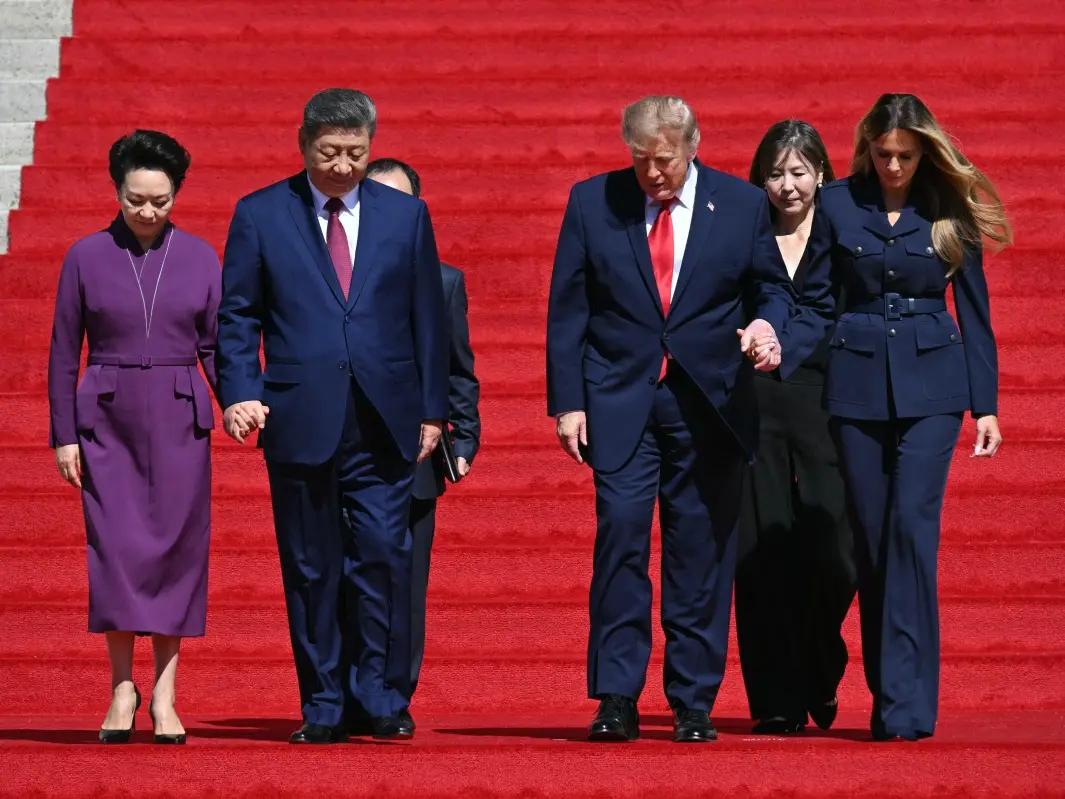)
Trump-Xi summit wrap: Big pageantry, Iran talks, few major developments and more meetings planned
)
'What kind of confession is this?': Pakistan PM Shehbaz Sharif’s 'terrorists would be roaming New York' remark goes viral, raises alarm online. Watch
)
Manchester City found guilty: Premier League delivers its verdict on the FFP charges
)
Myanmar training camp case: US national, 6 Ukrainians allowed to meet their families abroad
)
'FIRST LOOK from inside Noah’s Ark': Researchers share video from inside mysterious mound in Turkey
)
Cindy Crawford’s son Presley Gerber cremated as death probe continues
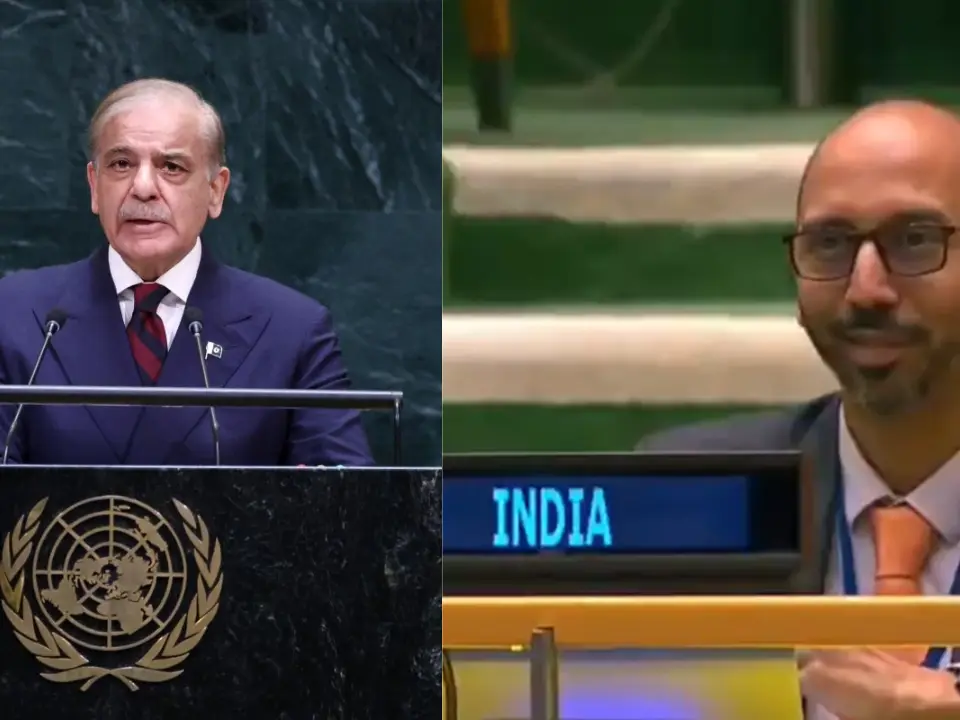)
WATCH | As Shehbaz Sharif claims Pakistan’s ‘victory’ during 2025 conflict, Indian diplomat R Srinivas laughs at UN
)
'A terrorist country is asking me that question?': Jaishankar hits back at Pakistani journalist at UN; flags attacks on commercial shipping
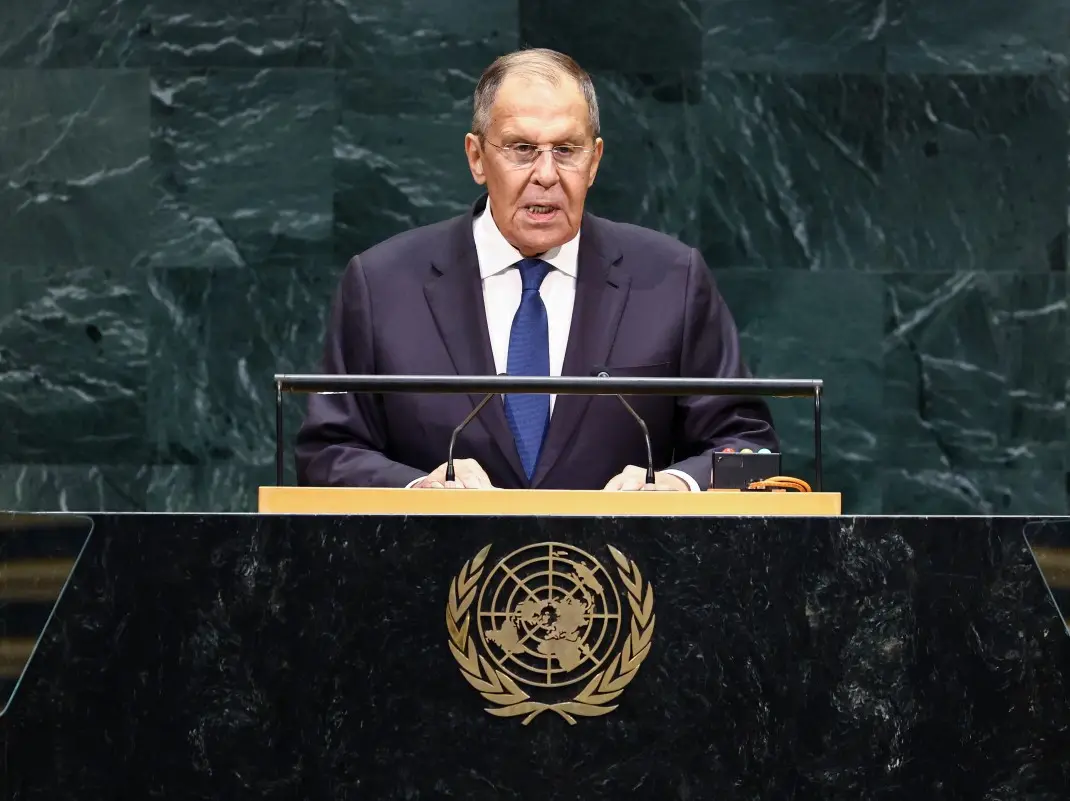)
Russia will achieve Ukraine war aims; Europe doing everything to block peace talks: Lavrov at UN
)
‘Serial practitioner of terrorism’: Jaishankar calls out Pakistan’s ‘state-sponsored’ terror at UNGA
)
US court backs Pentagon's decision to exclude Anthropic over Claude AI restrictions
The government had said the channels were promoting "fake news" or "anti-India" contentandthat the disinformation was being spread by accounts based in neighbouring Pakistan.
The I&B ministry did not respond to a request for comment on the meeting, which was also attended byIndiancontent-sharing platforms ShareChatandKoo, whichhavemillions of users in the country.
Facebook, now known as Meta,TwitterandShareChat declined to comment.
Without commenting on the meeting, Alphabet Inc'sGooglesaid in a statement it reviews government’s requestsand“where appropriate, we restrict or remove content in keeping with local laws.” Koo said it complies with local lawsandhas strong content moderation practices in place.
In its transparency reports,Twitterhas said theIndiangovernment makes among the highest number of requests to remove content from its platform. Technology website Comparitech in October said India made 97,631 content removal requests in 2020, the second-highest in the world after Russia, mostly toFacebookandGoogle.
Strained ties
During the meeting, senior tech executives told theofficialsthat they take adequate measures to remove or curb the spread of misinformation on their platforms andact on legally-valid content removal requests, said the sources.
TheofficialstoldGoogleto review its internal guidelines to remove fake content automatically, said the sources.
Theofficialsalso said the government was disappointed that big social media platforms, includingFacebookandTwitter, weren't detectingandremoving such content on their own.
Instead, the government was forced to order takedowns, opening it to criticismanddamaging its public image, theofficialssaid during the meeting, according to the sources.
Executives fromGoogletold the I&Bofficialsthat one way to resolve that was for the ministry to avoid making takedown decisions public. The firms could work with the governmentandact on the alleged fake content, which could be a win-win for both sides,Googlesaid, according to one of the sources.
The idea was summarily rejected by the governmentofficials, who said the takedowns also publicise how the companies weren't doing enough to tackle fake news on their own, the person said.
Watch |Gravitas: Spotify reportedly loses USD 4 billion in market value
While ordering takedowns of certain online accounts in January, the government said it was doing so to "secure the overall information environment in India", adding that such fake content was on "sensitive subjects" such as theIndianArmy, India's foreign relationsandlocal state elections.
Digital rights advocates say such government orders curb free speechandset a worrying precedent.
"Detailed takedown orders are not made public by the government," said Apar Gupta, the executive director at Internet Freedom Foundation, adding that the basis for the action was not explained.
This allowed authorities to censor content even if it does not violate public order or the security of the state, he said.

