&imwidth=800&imheight=600&format=webp&quality=medium "India's $2 billion drone push: Why batteries could be biggest winner in defence-tech boom")
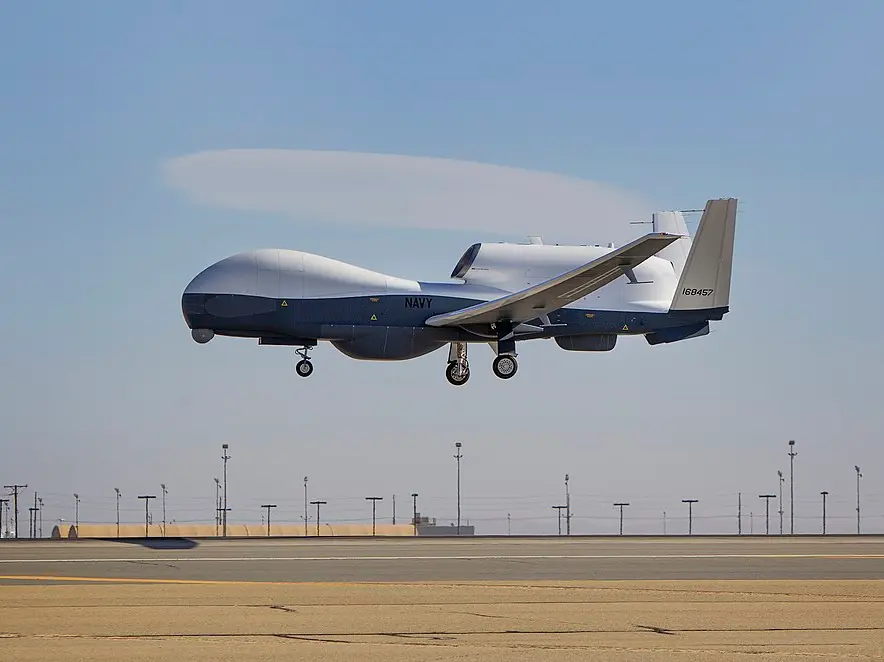
India's defence system is going through a massive paradigm shift as it is likely to order over $2 billion worth of military drones from domestic firms, marking the biggest such purchase. The move comes after global and regional conflicts have boosted demand for high-tech defence equipment. The proposal is at an advanced stage, with deliveries expected to be completed within the next 18 to 24 months.
While mainstream attention on defence deals is completely on high-profile drone manufacturers and aircraft startups, the true rush is taking place quietly in the components used to manufacture this technology. Among all critical components, battery technology is becoming the strategic winner in advancing defence technology. The proposed acquisition also includes energy storage systems, battery management technologies and testing infrastructure.
An expert indicated that batteries are emerging as a key player in the modern drone operations, directly influencing flight timing, payload capacity, operational reliability and mission readiness. "India's planned $2 billion drone procurement is not just a boost for drone manufacturers—it is a catalyst for the entire defence technology supply chain. Batteries are emerging as one of the most critical technologies in modern unmanned systems because they directly determine flight endurance, mission reliability, payload capability, and operational readiness. As drones become integral to surveillance, logistics, precision strike, and autonomous operations, the demand for high-performance, safe, and mission-critical energy systems will grow exponentially," Kajal Shah, Co-founder & CEO, Dreamfly Innovations.

"For India to build a truly self-reliant drone ecosystem, the country must also develop indigenous capabilities in advanced battery systems, battery management electronics, testing infrastructure, and energy storage technologies. We believe the next phase of India's defence-tech growth will be driven by companies that can deliver reliable energy platforms capable of meeting military-grade performance standards at scale," She added.
Other experts also observed that India's focus on self-reliance in defence manufacturing is increasingly moving beyond platforms and hardware to include the technology that powers the drones, missiles or components used in aircraft. Highlighting the importance of this critical equipment in defence applications, Saurabh Markandeya, Co-founder and CTO of Dreamfly Innovations, said, "Every major shift in defence technology has been enabled by advancements in energy systems. Today's drone revolution is no different. While drones often capture the headlines, batteries are the invisible technology that powers every mission. Whether it is a surveillance drone operating in high-altitude environments, a logistics platform carrying critical supplies, or a tactical system deployed in demanding battlefield conditions, performance ultimately depends on the quality and reliability of the energy system onboard."
Experts also believe that the demand for high-performance batteries capable of performing under any conditions will continue to rise as drones become central to surveillance, logistics, reconnaissance and tactical operations. The decision of the government to make deals with Indian manufacturers is also likely to benefit the domestic clean-energy and battery ecosystem, making the country self-reliance on this sector.
Trending Stories
)
The Royals enter the Doctor Who universe: King Charles and Queen Camilla beam into Commonwealth Games in TARDIS
)
Commonwealth Games 2026: Gurindervir Singh crashes out of men's 100m heats despite record-breaking season
)
'Agitation cannot justify lathi-charge': CJI Surya Kant's BIG response to police brutality against protesting students
)
India avoids higher US tariff, secures lower 10% rate. Here's how
)
Hidden in British archives: Scientists decode 200-year-old Indian scroll that helped sailors cross one of the world's toughest seas
)
He predicted COVID-19 and 2008 economic crisis, was labeled fearmonger. Now he has another dire warning
)
'House raided, father picked up': UP man Mohd Junaid alleges crackdown after CJP protest; Police deny claims
)
Trump's latest rant is about a 'massive television outage' that never happened
)
Putin rambles in TV speech after cancelling Navy Day parade fearing an attack by Ukraine
)
RSS backed Jantar Mantar student protest? Mohan Bhagwat's 'question authority' remark resurfaces
)
ChatGPT invoked God, told pastor not to worry about his symptoms. Then pulmonary embolism hit
)
NEET Protests riddled with misinformation? Delhi Police blocks 480 Pakistan-based handles spreading 'fake news' since Operation Sindoor
)
Delhi Police issues BIG statement on viral 'don't leave national capital without permission' notice | FACT CHECK
)
'They’re afraid right now...': Netanyahu reacts for first time after Mamdani threatens arrest over ICC warrant
)
Trump says Iranian school bombing photos could be AI-generated - 'I don’t think...'
)
Google ends Play Services Support, likely to stop these Android phones from downloading apps & games
&im=FitAndFill=(700,400))
New OTT releases this week (July 27-August 2, 2026): The Devil Wears Prada 2, Batman, Demon Slayer- 5 titles coming on Netflix, Prime Video and more
)
Spain: Fresh wildfires break out in Valencia
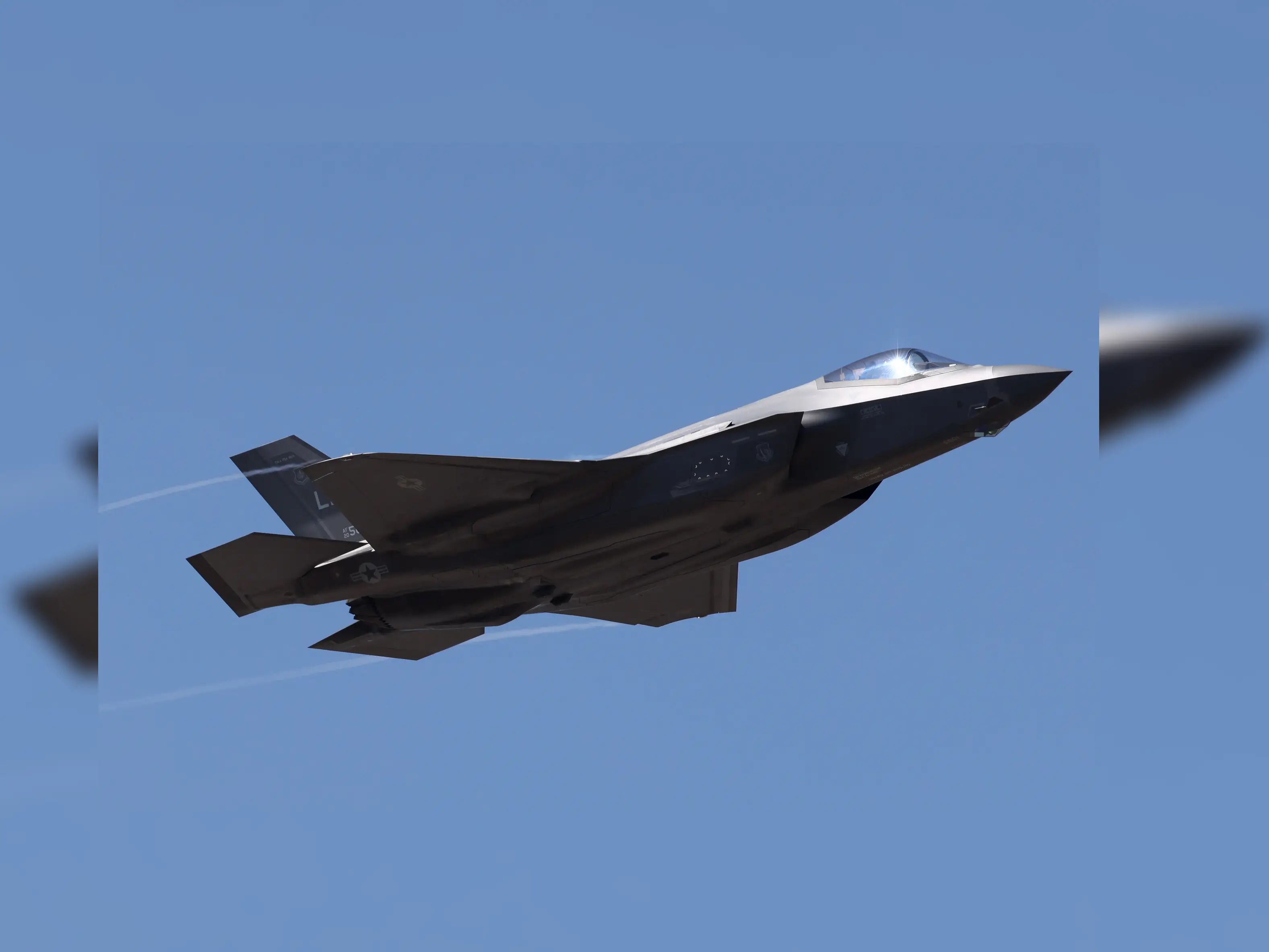)
US says Turkey still barred from F-35 program until it gives up Russian S-400 system: Report
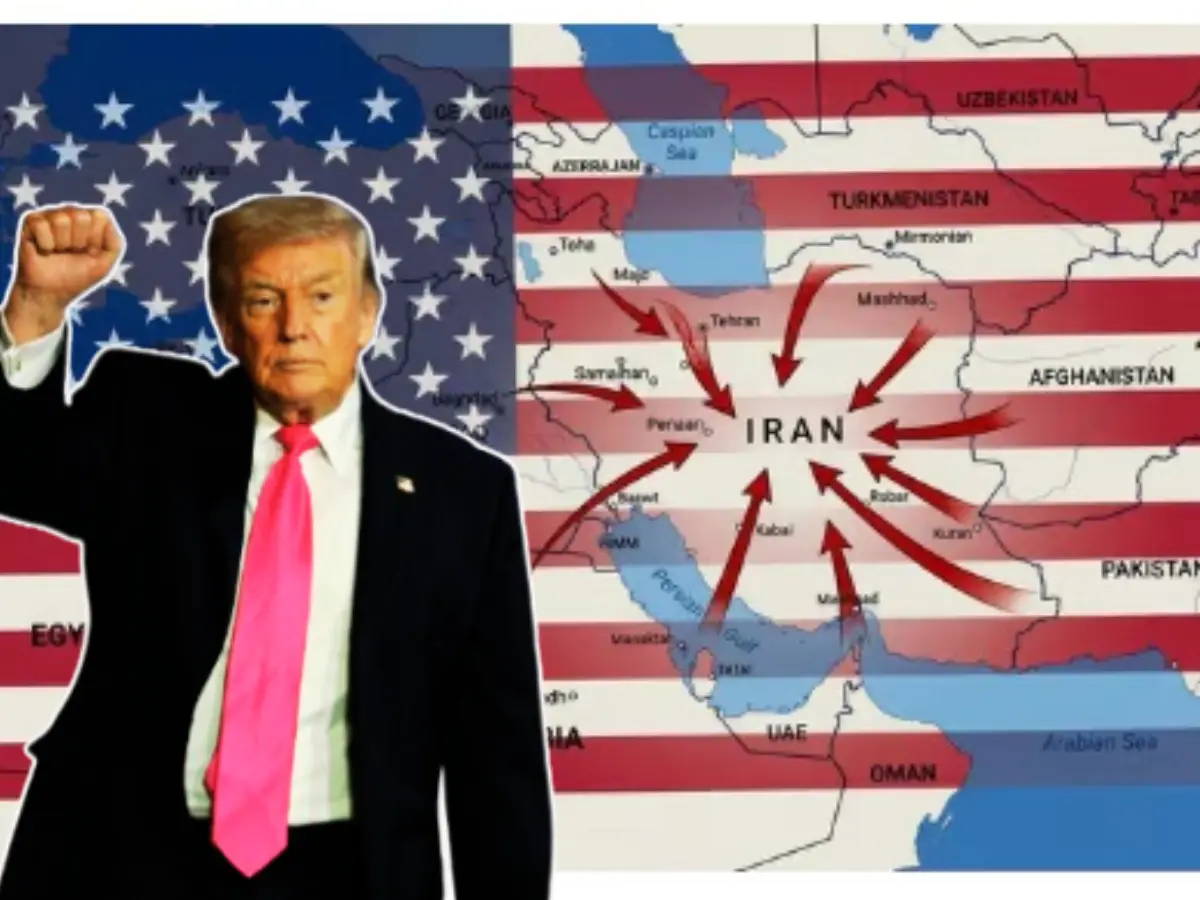)
Will Iran war last months or even years? Here's what new poll shows about what most Americans think
)
Bihar wants 'backless Saturday’ in govt schools as official notice misspells 'bagless'
)
'Broader struggle for democracy...': Greta Thunberg joins Indian students protest in London - What she said
)
'We didn't stop them...: Union Finance Minister Nirmala Sitharaman's first reaction on student protests
)
'Won't go unanswered': Will the Ukrainian attacks on Caspian Sea vessels lead to the convergence of the Iran war and the Russia-Ukraine war?
)
What does the Gen Z protest and Pradhan's resignation as education minister mean for India's ruling BJP, and four other questions, answered
)
What we know about Seattle mass shooting: 3 dead, suspect arrested and one at large
&im=FitAndFill=(700,400))
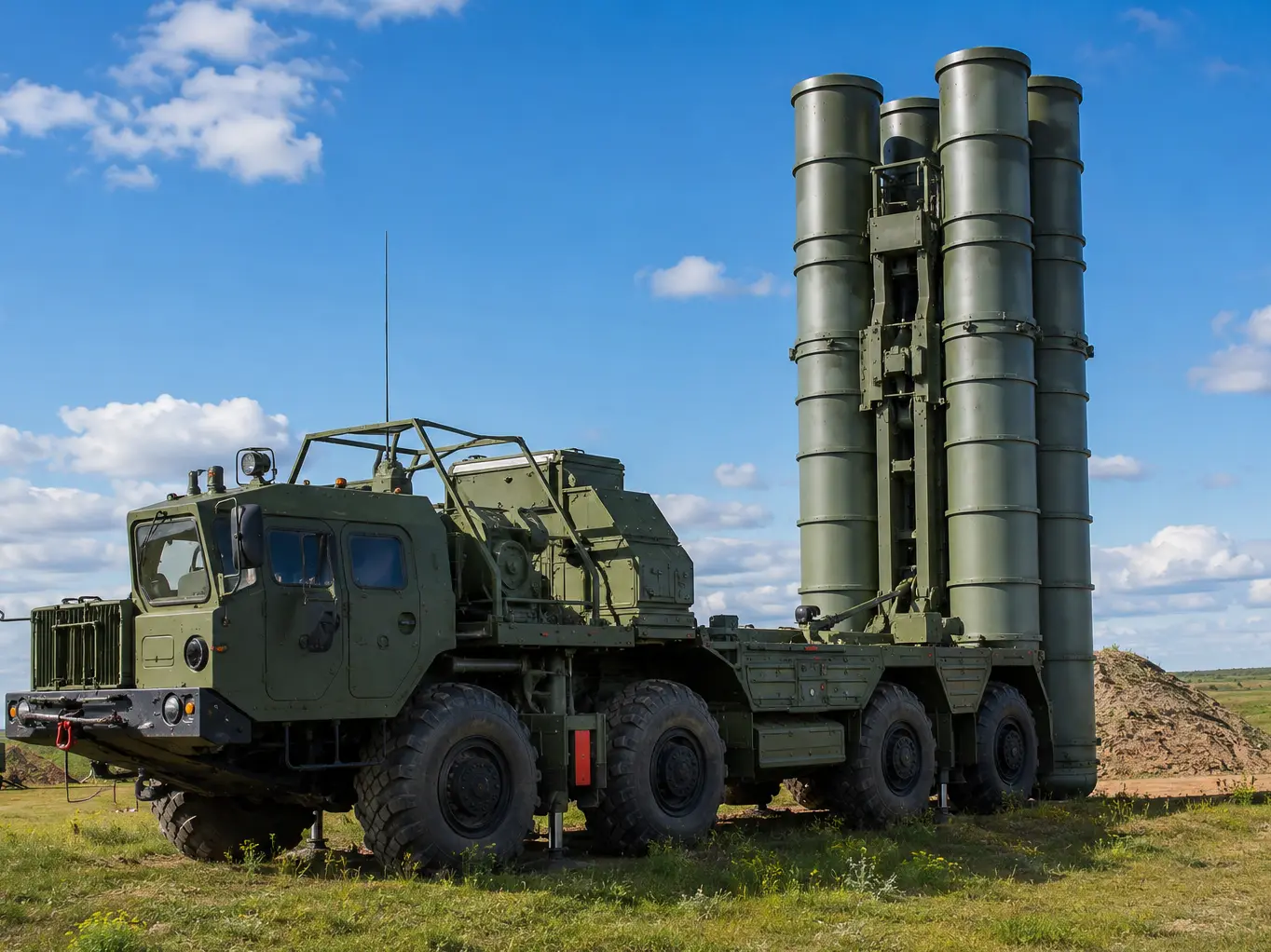
Why the specialized paint on an S-400 costs thousands of dollars per truck
)
India's foreign ministry debunks viral claim made during last week's protests
Also read: Why India may need Russian Su-57s before its indigenous AMCA project takes flight? WION decodes
Drones are an indispensable part of warfare
Commenting on the development, Saurabh Jain, CExO Energy Storage at GEON, Green Energy On, said, "India’s recent procurement of more than US$2 billion worth of military drones from local manufacturers is indeed an important move towards ensuring greater security for the nation. With drones becoming an indispensable part of warfare and security missions, there is no doubt that the technologies used to power the drones will need equal attention. Batteries and energy technologies will be crucial in the success of drone technology."
"This move by the government to procure drones from Indian manufacturers is indicative of its determination to ensure the self-sufficiency of the nation in its technology production and thereby enhancing its defence capabilities. This will be of immense benefit to India as it would give a boost to the indigenous technology industry of the nation," he added.
Labelling the batteries as the engine of the drones, Udyut Goyal, Head, Business Development, AmpereHour Energy, highlighted that the component directly influences the flight time of the drones, their recharge cycles, payload capacity, and operational capacity, helping the drones to deliver effectiveness.
“Drones play a critical role in India’s defence-tech system, where they are viewed through the lens of airframes and software, but no matter how advanced a drone is, it is imperative to remember that ultimately, its engine is the battery. India invests a lot in its defence technology, so for the optimal use and operational efficiency of drones, we have to ensure a reliable battery system powers them. Batteries directly influence the flight time of the drones, their recharge cycles, payload capacity, and operational capacity, which helps us determine the mission’s effectiveness. Batteries are not just a supporting technology here, but they are, in fact, a strategic component,” he said.
“With the growth of drone deployment in defence applications, there will be an increase in the demand for high-performance, lightweight, durable, and domestically developed energy storage solutions. This will allow India to make more innovations and strengthen its capabilities in the battery value chain and be less dependent on imported critical technologies. Beyond defence, too, India will benefit across various sectors such as electric mobility, renewable energy integration, and industrial energy storage. India’s drone push isn’t just a catalyst for defence-tech’s growth, but also for the development of a stronger, more self-reliant energy technology ecosystem, ” Goyal added.
India has over 600 companies manufacturing drones along with their components, with more than 100 focused on defence applications. The large players for these technologies include companies like Adani Group, Larsen & Toubro and Tata Advanced Systems, to startups like Dreamfly Innovations, ideaForge, Newspace Research and Asteria Aerospace. They focus on building reconnaissance, loitering munitions, logistics, precision-strike and critical component systems.
In addition, the defence ministry has also opened more areas of procurement to startups and private firms, which has eased the testing process and pushed the armed forces to add systems through repeat and interim orders that allow these firms to refine their products rapidly. The best part is that, along with a breakthrough in a drone's battery, the development directly accelerates innovations in Commercial logistics and agricultural drones, Electric vehicles (EVs) and Renewable energy storage systems (BESS).