India ends emergency restrictions on retail sale of petrol and diesel to commercial buyers from July 1

&imwidth=600&imheight=450&format=webp&quality=medium "India ends emergency restrictions on retail sale of petrol and diesel to commercial buyers from July 1")
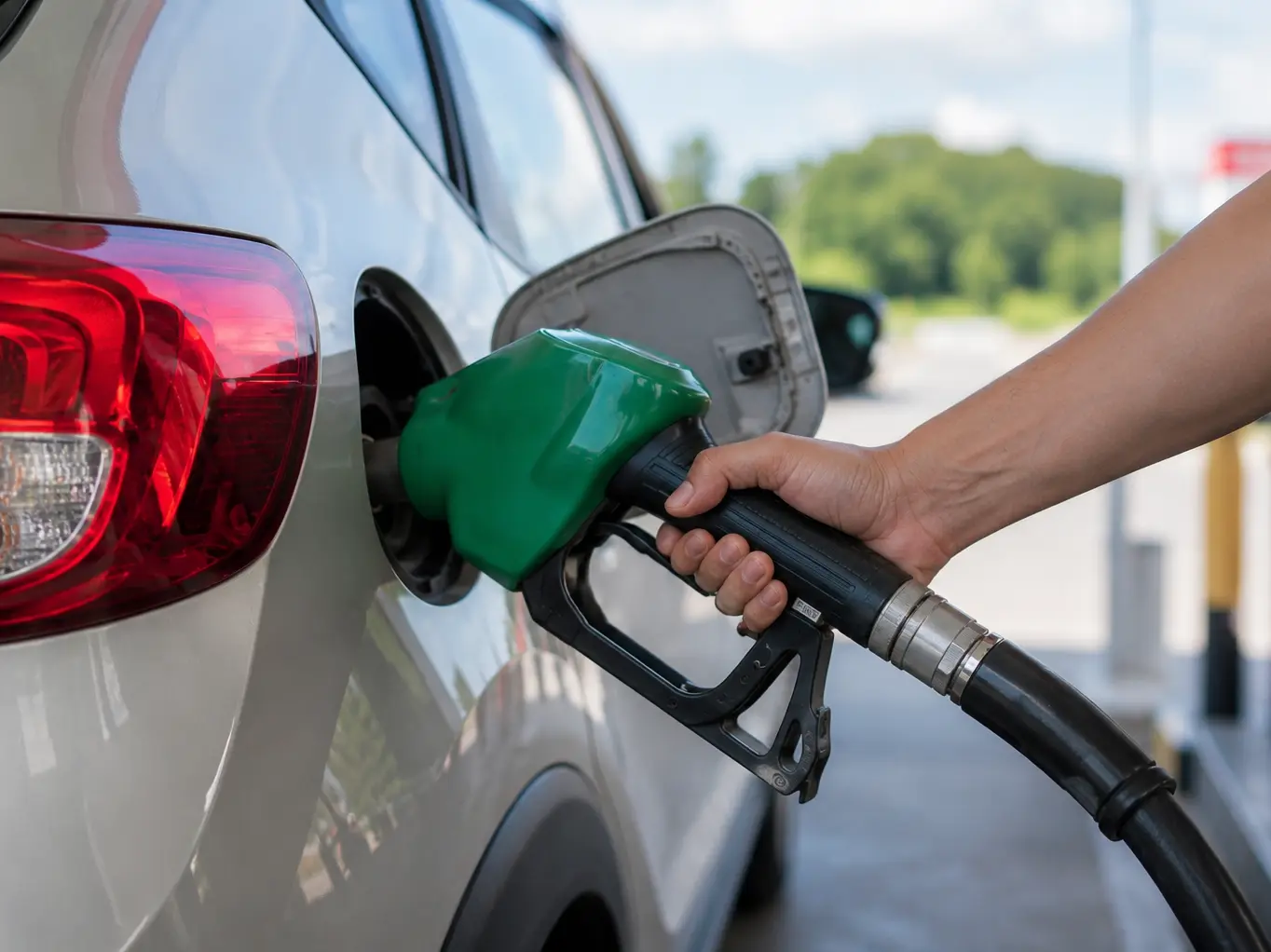
Representative image. Photograph: (AI)
The government said the curbs were intended to ensure fair distribution of petrol and diesel, prevent hoarding and diversion of supplies, and maintain uninterrupted availability of fuel at reasonable prices.
India has removed restrictions on the retail sale of petrol and diesel to commercial consumers from July 1, bringing an end to emergency measures introduced to protect domestic fuel supplies amid disruptions in global energy markets caused by tensions in the West Asia.
The restrictions, imposed in June, had prohibited commercial buyers from purchasing fuel at retail pumps and limited diesel sales to a maximum of 200 litres per vehicle or customer per day. The development followed after tensions emerged in the region, threatening supply chains and leading to fuel shortages within the country.
The government said the curbs were intended to ensure fair distribution of petrol and diesel, prevent hoarding and diversion of supplies, and maintain uninterrupted availability of fuel at reasonable prices. With market conditions now showing signs of stability, the restrictions have been lifted, allowing transport operators, industrial users, and other commercial consumers to buy fuel from retail outlets without any quantity limits.
Also read: Is India’s monsoon changing? What monsoon 2026 reveals about climate trends | WION Decodes
Rise of unequal retail demand
The decision to impose the restrictions followed a growing price difference between retail and bulk fuel supplies. As diesel remained considerably cheaper at retail outlets run by state-owned oil marketing companies, many commercial users, including transport firms, had shifted their purchases away from bulk supply channels.
Trending Stories
&imwidth=280&imheight=210&format=webp&quality=medium)
&imwidth=280&imheight=210&format=webp&quality=medium)
&imwidth=280&imheight=210&format=webp&quality=medium)
&imwidth=280&imheight=210&format=webp&quality=medium)
&imwidth=280&imheight=210&format=webp&quality=medium)
&imwidth=280&imheight=210&format=webp&quality=medium)
&imwidth=280&imheight=210&format=webp&quality=medium)
&imwidth=280&imheight=210&format=webp&quality=medium)
&imwidth=280&imheight=210&format=webp&quality=medium)
&imwidth=280&imheight=210&format=webp&quality=medium)
&imwidth=280&imheight=210&format=webp&quality=medium)
&imwidth=280&imheight=210&format=webp&quality=medium)
&imwidth=280&imheight=210&format=webp&quality=medium)
&imwidth=280&imheight=210&format=webp&quality=medium)
&imwidth=280&imheight=210&format=webp&quality=medium)
&imwidth=280&imheight=210&format=webp&quality=medium)
&imwidth=280&imheight=210&format=webp&quality=medium)
&imwidth=280&imheight=210&format=webp&quality=medium)
&imwidth=280&imheight=210&format=webp&quality=medium)
&imwidth=280&imheight=210&format=webp&quality=medium)
&imwidth=280&imheight=210&format=webp&quality=medium)
&imwidth=280&imheight=210&format=webp&quality=medium)
&imwidth=280&imheight=210&format=webp&quality=medium)
&imwidth=280&imheight=210&format=webp&quality=medium)
&imwidth=280&imheight=210&format=webp&quality=medium)
&imwidth=280&imheight=210&format=webp&quality=medium)
&imwidth=280&imheight=210&format=webp&quality=medium)
&im=FitAndFill=(700,400)&imwidth=280&imheight=210&format=webp&quality=medium)
&im=FitAndFill=(700,400)&imwidth=280&imheight=210&format=webp&quality=medium)
&imwidth=280&imheight=210&format=webp&quality=medium)
&imwidth=280&imheight=210&format=webp&quality=medium)
&imwidth=280&imheight=210&format=webp&quality=medium)
&imwidth=280&imheight=210&format=webp&quality=medium)
&imwidth=280&imheight=210&format=webp&quality=medium)
&im=FitAndFill=(700,400)&imwidth=280&imheight=210&format=webp&quality=medium)
&imwidth=280&imheight=210&format=webp&quality=medium)
Meanwhile, Diesel was sold to industrial users at nearly Rs 40 per litre more than retail prices, despite accounting for nearly 40 per cent of India's fuel demand, making an arbitrage that led to supply pressures at fuel stations in several parts of the country. The rise in retail demand unequally affected state-run retailers Indian Oil Corp, Bharat Petroleum Corp and Hindustan Petroleum Corp, which jointly operate nearly 90 per cent of India's more than 100,000 fuel stations.
WATCH:
During the period of restrictions, private fuel retailers that sold diesel at rates more aligned with market prices witnessed a sharp decline in sales, while state-owned fuel stations recorded a substantial increase in demand. As a major exporter of refined petroleum products, India had implemented temporary measures to safeguard nationwide fuel availability amid disruptions in global energy markets caused by geopolitical tensions. The decision to withdraw the restrictions indicates that the government believes domestic fuel supplies have stabilised and that such emergency measures are no longer necessary.

