

&imwidth=800&imheight=600&format=webp&quality=medium "How much will your cigarette cost from Feb 1? Beedi, pan masala to get costlier as Centre imposes new excise duty, cess")
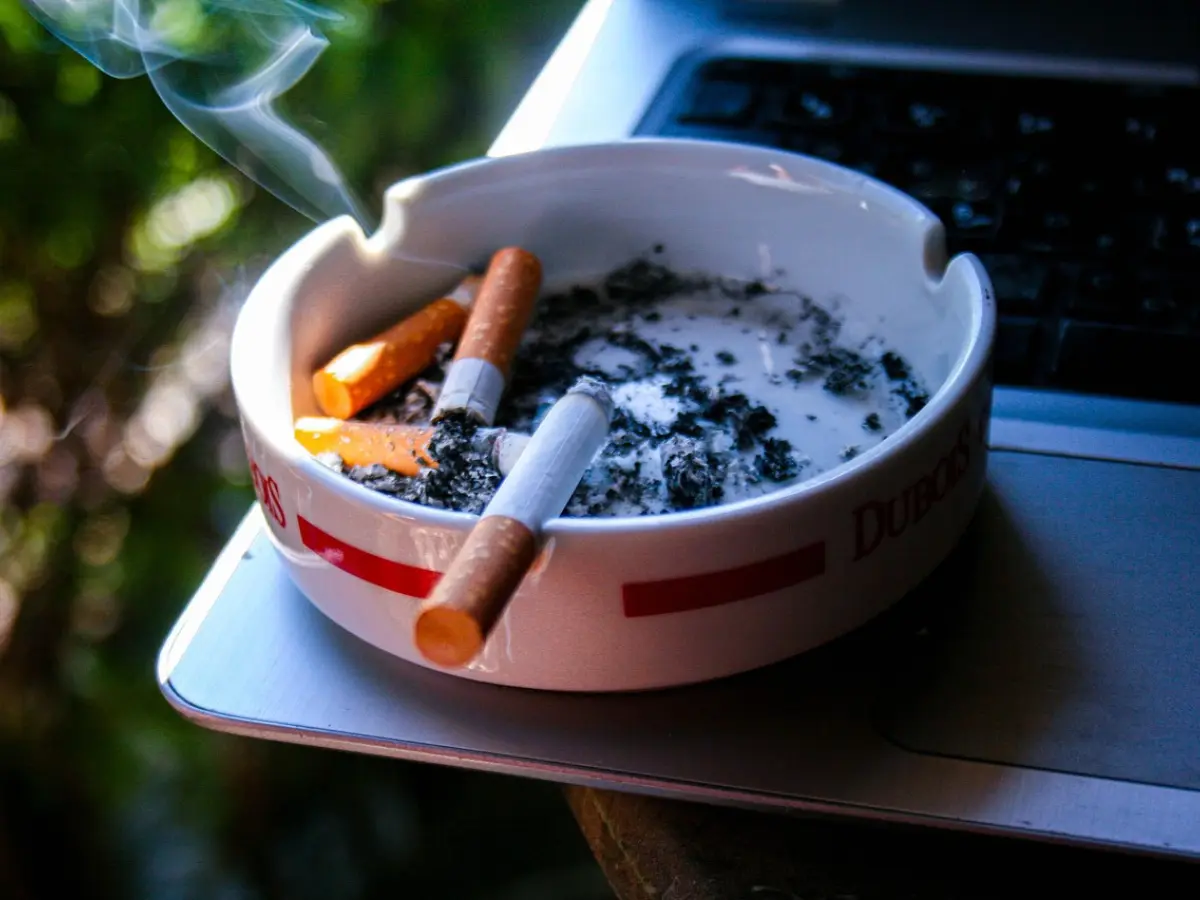
The Indian government's Ministry of Finance has notified a major revision in excise duty on cigarettes and tobacco products, effective February 1, 2026. According to the notification issued on Wednesday (Dec 31), the government has imposed additional excise duty on cigarettes in the range of Rs 2,050 to Rs 8,500 per 1,000 sticks, depending on the length and type of the product. After this, cigarettes and other tobacco products are set to become significantly more expensive from February 1, 2026. The duty will be levied over and above the existing 40 per cent Goods and Services Tax (GST) on tobacco and similar product.
This duty raise comes after the Parliament passed a Bill aimed at increasing excise duty on tobacco products and their manufacturing. The higher duties is expected to translate into sharp price increases, particularly for longer and filter cigarettes, as manufacturers pass on the additional tax costs to consumers. The basic excise duty on cigarettes had remained unchanged for nearly seven years.
The Central Excise (Amendment) Bill, 2025, passed by the Parliament, aimed at revising excise duties on tobacco and related products after the expiry of the GST compensation cess. Finance Minister Nirmala Sitharaman had said that the revenue collected will go to the divisible pool, and will be redistributed again (at the 41%) with the States. "Many members here made the comment that this is a cess. Excise is not a cess. Excise duty existed before GST. Compensation cess is reverting back to the Centre to be collected as Excise duty, which will be redistributed to the States at the 41% allocated," she had said in the parliament.
Meanwhile, prices of smokeless tobacco products are also expected to rise following the introduction of a machine-capacity-based excise levy. Chewing tobacco, jarda scented tobacco and gutkha will now be taxed based on the number, speed and output capacity of packing machines, as well as the retail sale price of the product, under the newly notified Packing Machines Rules, 2026. All changes will come into effect from February 1, 2026, giving manufacturers and distributors a limited transition period to recalibrate prices, update compliance systems and adjust production plans ahead of the expected price hikes.
What exactly will your cigarette cost?
In simple terms, once the new tax rules come into effect, a cigarette will become costlier due to higher taxes. With GST fixed at 40 per cent, the price of a cigarette that earlier cost ₹18 would first rise to around ₹19.70. On top of this, the government will levy an additional excise duty. Even if this excise duty is kept modest, at about ₹1–₹2 per cigarette, the final retail price would increase further. As a result, one cigarette is likely to cost roughly between ₹21 and ₹22 after February 1.
Trending Stories
&im=FitAndFill=(700,400)&imwidth=180&imheight=135&format=webp&quality=medium)
What is the real meaning behind Pete Hegseth's tattoos?
&imwidth=180&imheight=135&format=webp&quality=medium)
Zohran Mamdani's Garba dance goes viral as he joins Indian community's Navratri celebrations | WATCH
&imwidth=180&imheight=135&format=webp&quality=medium)
Rafale Marine fighter begins flight trials in Goa ahead of Indian Navy induction
&imwidth=180&imheight=135&format=webp&quality=medium)
Explosions heard in Iran’s Hormozgan province near Strait of Hormuz: State media
&imwidth=180&imheight=135&format=webp&quality=medium)
Shock, anger and despair in Bangladesh over the executions
&imwidth=180&imheight=135&format=webp&quality=medium)
India to develop first indigenous aviation gun for Prachand, Rudra attack helicopters, SSS Defence CEO confirms
&imwidth=180&imheight=135&format=webp&quality=medium)
Meta slapped with $25 billion fine in New Mexico over Facebook data practices, company plans appeal
&imwidth=180&imheight=135&format=webp&quality=medium)
Russia to send first tanker carrying 40,000 tonnes diesel to US after Trump-Putin deal – What we know
&imwidth=180&imheight=135&format=webp&quality=medium)
WATCH | Mysterious haze grips Ohio city as toxic chemical leak forces mass evacuation – What is happening?
&imwidth=180&imheight=135&format=webp&quality=medium)
Kim Jong Un death rumors explode | China accused of secretly sending troops to Pyongyang
&imwidth=180&imheight=135&format=webp&quality=medium)
James Bond auction: Own Daniel Craig's Skyfall suit, Ana de Armas' dress and 300+ rare 007 collectibles
&imwidth=180&imheight=135&format=webp&quality=medium)
Trump says end to Ukraine war is 'closer than ever'; Witkoff's Putin remarks spark criticism
&imwidth=180&imheight=135&format=webp&quality=medium)
Trump waves at 'empty space' in viral video,' critics claim 'mental decline getting worse' | WATCH
&imwidth=180&imheight=135&format=webp&quality=medium)
US midterms: Democrats sue Trump administration over alleged 'threats and intimidation' ahead of election, Musk issues warning to Dems
&imwidth=180&imheight=135&format=webp&quality=medium)
‘Her heart and mind in good shape’: What Helen Haines’ husband said after MP loses both legs in ‘targeted’ attack
&imwidth=180&imheight=135&format=webp&quality=medium)
Israel election 2026: Three possible scenarios after October 27 polls
&imwidth=180&imheight=135&format=webp&quality=medium)
US midterms 2026: What polls and prediction markets indicate about Congress
&imwidth=180&imheight=135&format=webp&quality=medium)
'You are a dummy, you are a stupid person': Trump loses temper with CNN, ABC reporters after questions about Russia sanctions
&imwidth=180&imheight=135&format=webp&quality=medium)
US Midterms 2026 and money: From Bloomberg to Musk, corporate donors, super PACs and lobbies, it's all about the cash
&imwidth=180&imheight=135&format=webp&quality=medium)
Ramayana promotion takes a funny turn after Ranbir Kapoor's verbal blunder, leaves fans in splits | Watch
&imwidth=180&imheight=135&format=webp&quality=medium)
US orders embassy staff, families to leave Saudi Arabia amid Houthi attacks: Report
&imwidth=180&imheight=135&format=webp&quality=medium)
Are the US and Israel preparing for another major attack on Iran? Here's what report claims
&imwidth=180&imheight=135&format=webp&quality=medium)
Priyanka Chopra celebrates Dussehra 2026 with Nick Jonas and daughter Malti Marie | See pics
&im=FitAndFill=(700,400)&imwidth=180&imheight=135&format=webp&quality=medium)
New OTT releases this week (October 19-25, 2026): Gajab Raat to Chaar Yaar-8 titles to watch during Dussehra week on Netflix, Prime Video and more
&imwidth=180&imheight=135&format=webp&quality=medium)
US business activity grows in June, but tariffs and inflation cloud outlook
&imwidth=180&imheight=135&format=webp&quality=medium)
'I’m not saying it’s extraterrestrial' - 'Mutant' creature forces Mexicans to flee their homes
&imwidth=180&imheight=135&format=webp&quality=medium)
‘I caution the president...’: Trump’s ex-press secretary warns after Zacharia’s exit
&imwidth=180&imheight=135&format=webp&quality=medium)
Hunger makes alcohol more appealing, study finds
&imwidth=180&imheight=135&format=webp&quality=medium)
Finance influencer dies by suicide in Chennai; father accuses tech CEO, who denies charge
&imwidth=180&imheight=135&format=webp&quality=medium)
Kolkata airport: CISF detects ₹1.13 crore in US dollars hidden in bags of 2 Bangkok-bound passengers
&imwidth=180&imheight=135&format=webp&quality=medium)
Feds obtain DNA evidence that could prove Ilhan Omar married her brother: Report
&imwidth=180&imheight=135&format=webp&quality=medium)
US midterms 2026: Trump's approval rating hits record low as Democrats gain ground
&imwidth=180&imheight=135&format=webp&quality=medium)
Turkey, Qatar, Pakistan and Indonesia sign 'Badr' defence cooperation pact in Doha
- GST: 40 per cent
- Additional excise duty (exact rate not notified yet)
- Adding a modest excise duty (typical range ₹1–₹2 per stick)
- ₹19.70 + ₹1.50 (average excise)= ₹21–₹22 per cigarette

