Family bids final goodbye as Mumbai seafarer cremated weeks after death

&imwidth=600&imheight=450&format=webp&quality=medium "Family bids final goodbye as Mumbai seafarer cremated weeks after death")
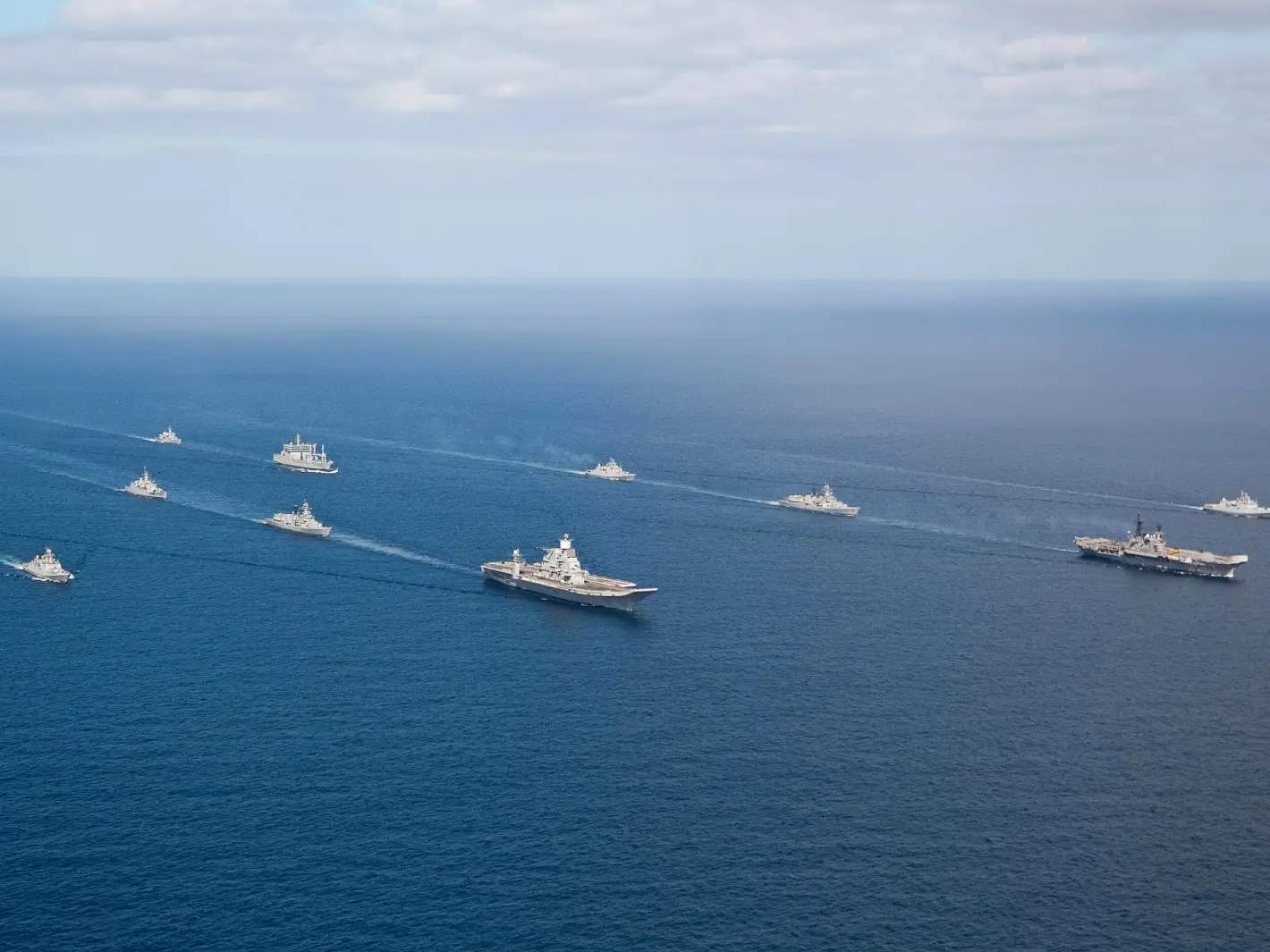
Representative Image Photograph: (Wikimedia Commons)
The last rites of Mumbai seafarer Dixit Solanki, killed in a Gulf of Oman attack, were held after weeks of delay in repatriating his remains. His death highlights the growing risks faced by Indian sailors in conflict zones
The last rites of a Mumbai-based seafarer Dixit Solanki, who was killed in a deadly attack in the Gulf of Oman, were finally performed in the city on Saturday after a prolonged and painful wait for his mortal remains. The delay of several weeks had left the family grappling with grief and uncertainty, as they awaited his return from a conflict-hit region.
Solanki, had been working aboard a commercial vessel navigating through the volatile Gulf waters when it came under attack amid escalating regional tensions. Reports indicate that the ship was struck by a missile or drone, triggering a massive explosion and a fire on board. The sudden attack left multiple crew members trapped, with limited scope for immediate rescue. Solanki sustained fatal injuries in the incident, becoming one of the victims of the strike that has raised concerns over the safety of civilian vessels operating in high-risk maritime zones. His death highlights the growing dangers faced by Indian seafarers, many of whom work in sensitive global routes to support their families back home.
Also Read: India summons Iranian envoy, lodges formal protest over gunfire on Indian vessels in Hormuz
Back in Mumbai, Solanki’s family faced an agonising wait as procedures to bring his body home stretched on for weeks. The delay was attributed to international protocols, identification processes, and coordination between authorities across countries. When his mortal remains finally reached Mumbai, relatives, friends, and members of the local community gathered to pay their final respects. The last rites were performed in accordance with local customs, bringing a sense of closure after weeks of uncertainty.
Described by family members as a hardworking and dedicated individual, Solanki was the primary breadwinner of his household. His untimely death has left the family emotionally devastated. The incident has once again drawn attention to the risks faced by seafarers working in conflict-prone areas. With geopolitical tensions impacting key shipping lanes, maritime workers often find themselves on the frontlines of crises far removed from their homes. Family members and maritime groups have called for enhanced safety measures, better protection for Indian crew members, and quicker repatriation processes in such emergencies. Authorities are expected to review existing protocols to ensure improved support systems for sailors in distress.
Trending Stories
)
)
)
)
)
)
)
)
)
)
)
)
)
)
)
&im=FitAndFill=(700,400))
)
)
)
&im=FitAndFill=(700,400))
)
)
)
)
)
)
)
)
)
)
)
)
)
)
