Explained: Here's why Javed Akhtar said 'Urdu belongs to Hindustan'

Javed Akhtar
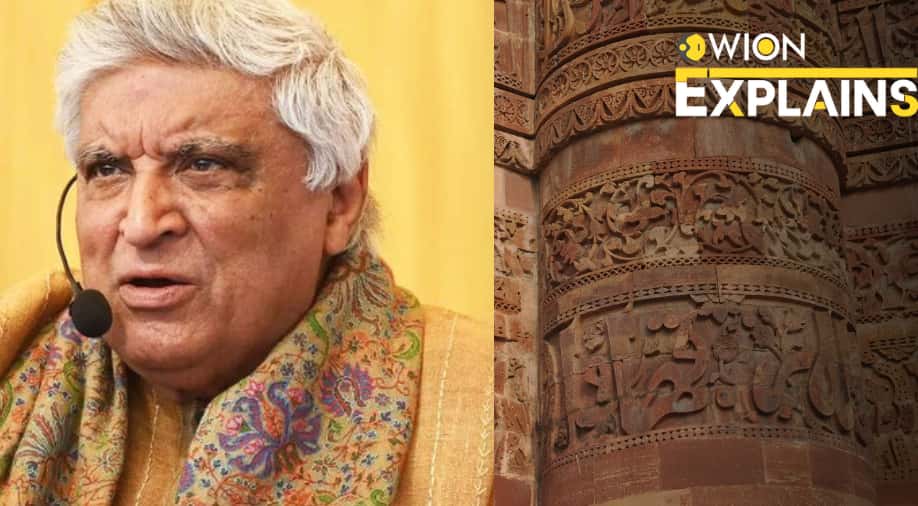
Recently, Bollywood lyricist and poet Javed Akhtar made headlines as he claimed that Urdu belongs to 'Hindustan'.
“Urdu hasn't come from any other place...it is our own language. It isn't spoken outside Hindustan...Pakistan also came into existence after partition from India, earlier it was a part of India only. So, the language isn't spoken outside Hindustan," he had said.
“Earlier it was only Hindustan - Pakistan later separated from Hindustan. Now Pakistan said that Kashmir is ours...will you believe that? I think 'No'! Likewise, Urdu is a Hindustan(i) language and it remains (so),” the lyricist said.

His words sparked debates over the birth and existence of the language which has been spoken for centuries and has remained an important part of the Indian subcontinent's cultural milieu.
ALSO READ | Poet, lyricist, screenwriter Javed Akhtar says Urdu ‘doesn’t belong to Pakistan or Egypt, but to Hindustan’
So, where was Urdu born?
&imwidth=180&imheight=135&format=webp&quality=medium)
Rahul Gandhi's plea against Election Commission delayed as Supreme Court registry flags 14 ‘defects’
&im=FitAndFill=(700,400)&imwidth=180&imheight=135&format=webp&quality=medium)
Navratri 2026: 9 days, 9 forms of Goddess Durga and 9 colours- Check the complete list
&imwidth=180&imheight=135&format=webp&quality=medium)
Korean peninsula tensions escalate as North Korea launches multiple ballistic missiles, PACOM says 'no threat to US personnel'
&imwidth=180&imheight=135&format=webp&quality=medium)
Trump weighs firing Kimberly Guilfoyle as US ambassador to Greece amid misconduct allegations: Report
&imwidth=180&imheight=135&format=webp&quality=medium)
Anti-SIR protest in Mumbai: Protestors wear black masks & ribbons in Mumbai
&imwidth=180&imheight=135&format=webp&quality=medium)
UK PM Andy Birnham renews claims of Russian meddling in Brexit vote
&imwidth=180&imheight=135&format=webp&quality=medium)
BCCI rejects venue shift reports, India vs Sri Lanka 1st ODI to remain in Delhi
&imwidth=180&imheight=135&format=webp&quality=medium)
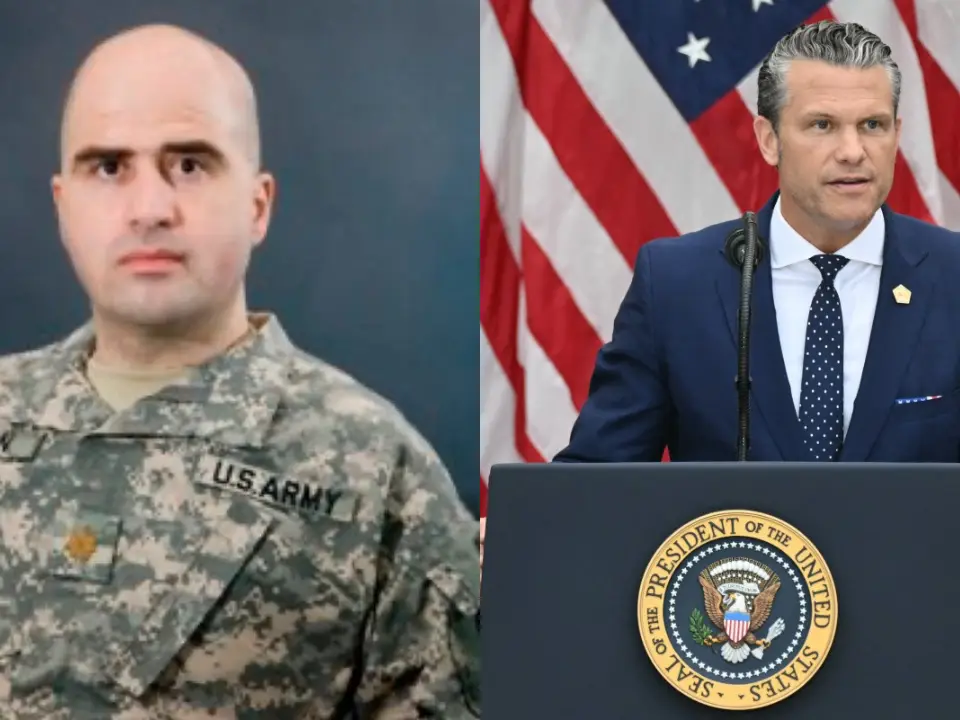
'Absolutely disgusting': Australia slams US plan to livestream Nidal Hasan's execution; Mike Johnson raises concerns, warns of terrorist propaganda
&im=FitAndFill=(700,400)&imwidth=180&imheight=135&format=webp&quality=medium)
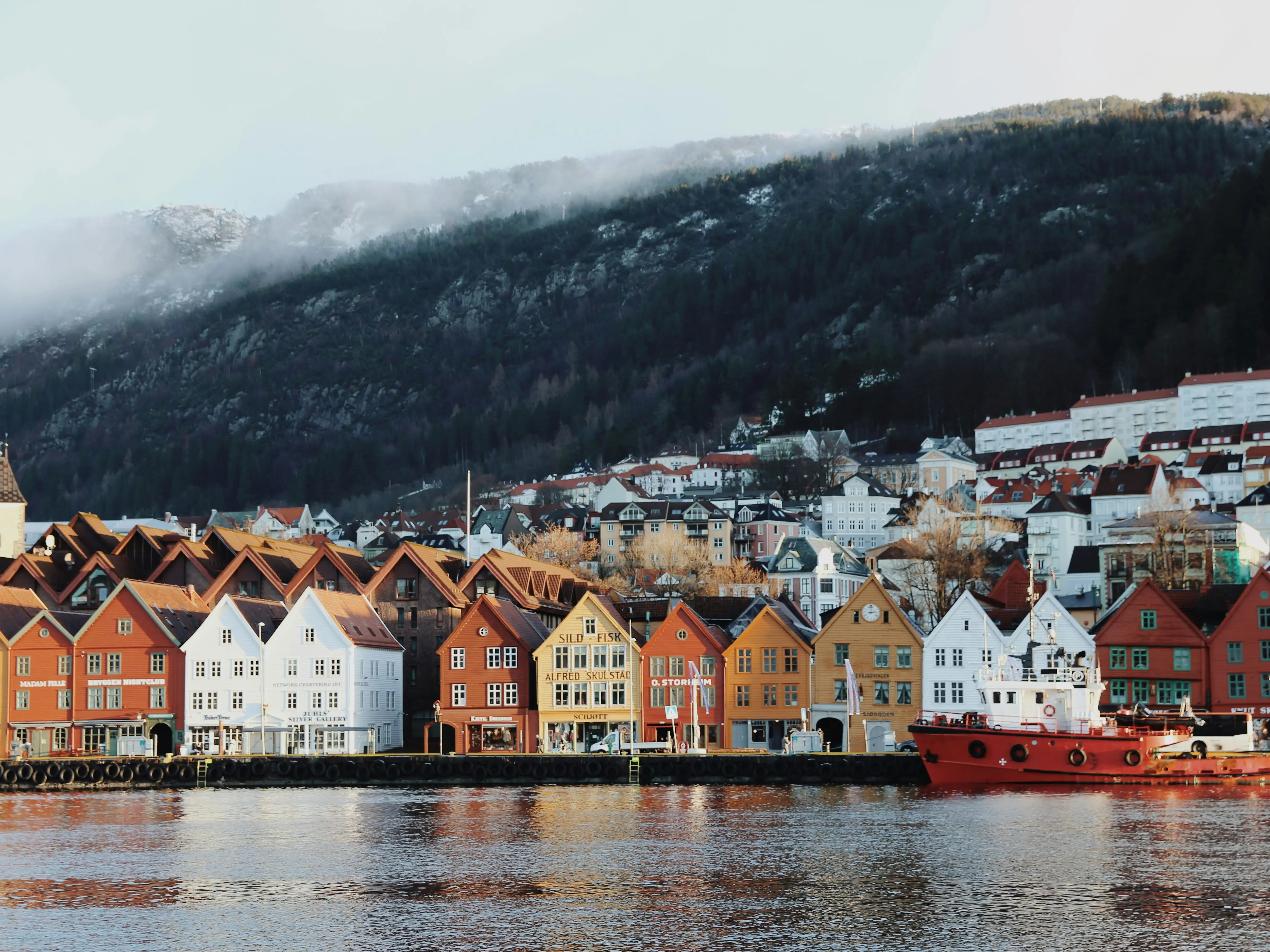
The world’s best places to live in 2026: Is your city on the list? Top 7 ranked
&imwidth=180&imheight=135&format=webp&quality=medium)
1,500 drones illuminate Mumbai sky as Cordelia Cruises unveils second ship, Cordelia Sky
&imwidth=180&imheight=135&format=webp&quality=medium)
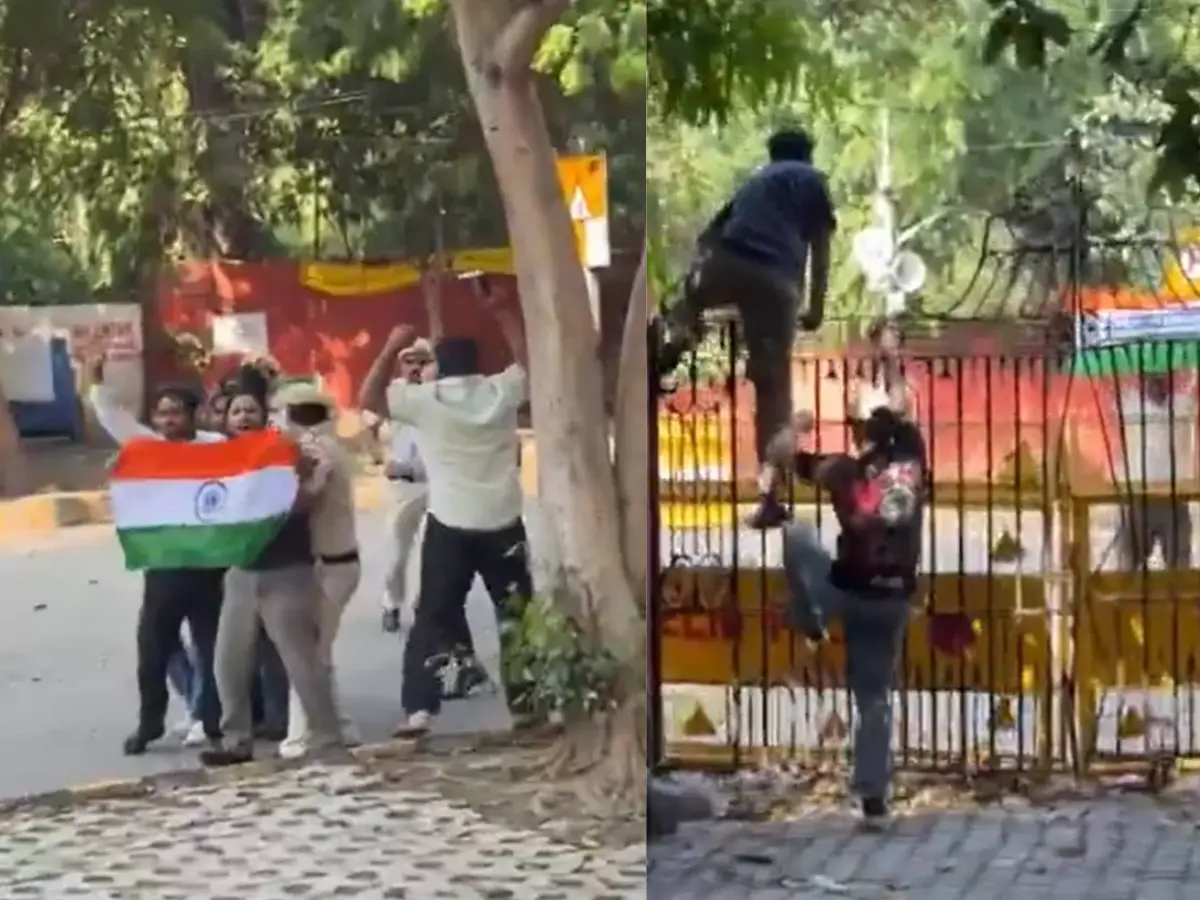
‘Fortress breached, reclaimed’: CJP leaders enter Jantar Mantar a day after loss of protest venue status | WATCH
&imwidth=180&imheight=135&format=webp&quality=medium)
Houthis warns US of 'painful response' if Washington joins Saudi war in Yemen as airlines suspend flights to Saudi Arabia
&imwidth=180&imheight=135&format=webp&quality=medium)
Congress demands action against chief election commissioner
&imwidth=180&imheight=135&format=webp&quality=medium)
'Turn approver, resign, we'll forgive you': Rahul Gandhi claims receiving messages from CEC Gyanesh Kumar
&imwidth=180&imheight=135&format=webp&quality=medium)
'I will not be silenced': Ilhan Omar alleges political intimidation after federal officers search her Washington home
&imwidth=180&imheight=135&format=webp&quality=medium)
Robotic surgery, advanced treatment: What is coming to this small Gujarat town?
&imwidth=180&imheight=135&format=webp&quality=medium)
Pakistan's government blames PTI for rise of terrorism in Khyber Pakhtunkhwa
&imwidth=180&imheight=135&format=webp&quality=medium)
‘This is just the start’: Maaya Rajeshwaran on historic ITF title, confidence boost and future goals
&imwidth=180&imheight=135&format=webp&quality=medium)
I.N.D.I.A. Bloc lists 10 requests to Supreme Court
&im=FitAndFill=(700,400)&imwidth=180&imheight=135&format=webp&quality=medium)
How does a robot decide what to do next?
&imwidth=180&imheight=135&format=webp&quality=medium)
Trump says he 'may' meet North Korean leader Kim Jong Un during upcoming Asia trip
&imwidth=180&imheight=135&format=webp&quality=medium)
'Ouch!!! That must hurt': Kangana Ranaut hails Kamal Haasan's sharp reply to Elon Musk over Starlink row
&imwidth=180&imheight=135&format=webp&quality=medium)
Sidhu Moose Wala’s younger brother wins hearts by recreating late singer’s signature move at Toronto Hologram Show
&imwidth=180&imheight=135&format=webp&quality=medium)
Girl 'dead' for 8 hours wakes up at her own funeral, dad insists she wasn't breathing
&imwidth=180&imheight=135&format=webp&quality=medium)
UK school ditches technology, shifts from screen to pen and paper for learning
&imwidth=180&imheight=135&format=webp&quality=medium)
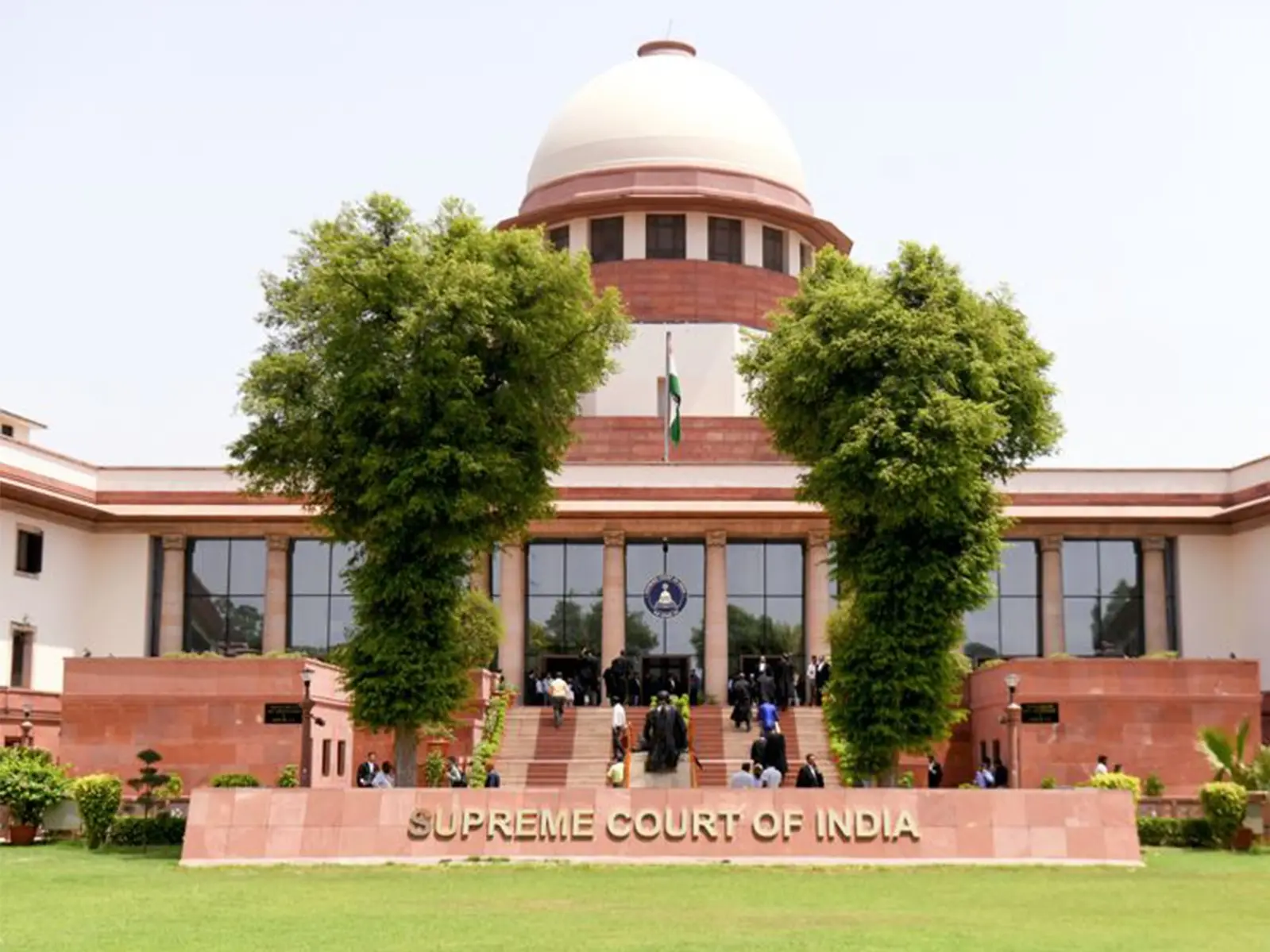
Opposition’s 10 demands in Supreme Court petition range from stay on SIR to audit of voter rolls
&imwidth=180&imheight=135&format=webp&quality=medium)
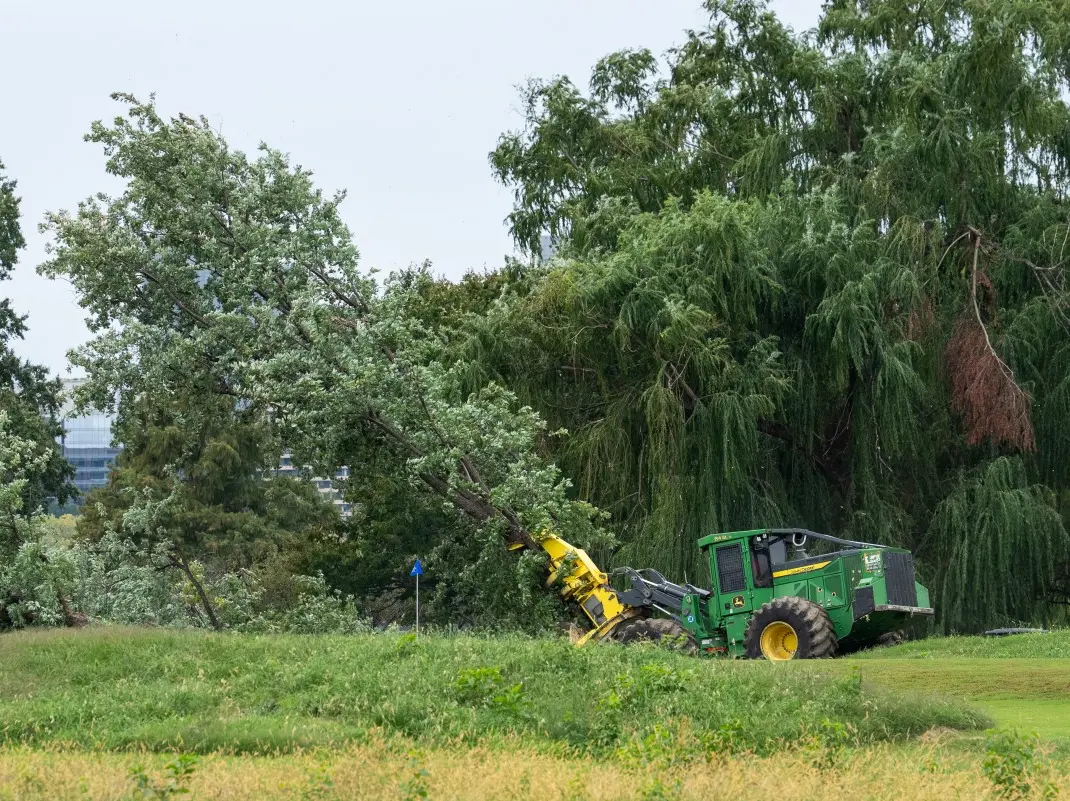
'I am thoroughly unamused': Judge slams Trump administration after 400 trees cut at Washington golf course
&im=FitAndFill=(700,400)&imwidth=180&imheight=135&format=webp&quality=medium)
New OTT releases this week (October 12-18, 2026): Sacrifice, Koffee with Karan S9, Roadies Rebirth- 6 titles coming on Netflix, JioHotstar and more
&imwidth=180&imheight=135&format=webp&quality=medium)
Delhi protest: CJI Surya Kant declines to meet India Bloc leaders
&imwidth=180&imheight=135&format=webp&quality=medium)
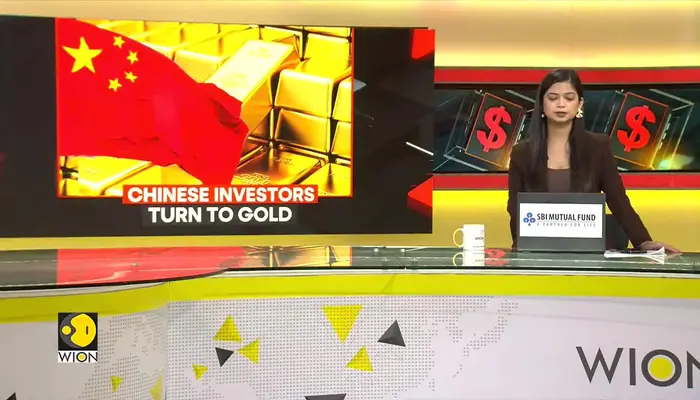
China’s gold rush puts billion in focus
&imwidth=180&imheight=135&format=webp&quality=medium)
India's Ajit Doval, Iran's Mohsen Rezaei hold talks amid escalating West Asia tensions, discuss 'issues of mutual interest'
&imwidth=180&imheight=135&format=webp&quality=medium)
New Cold War: Why is China buying more gold? Explained
&imwidth=180&imheight=135&format=webp&quality=medium)
'Almost certainly': UK Prime Minister Andy Burnham says Iran's IRGC behind RAF Fairford threat
&imwidth=180&imheight=135&format=webp&quality=medium)
Elon Musk pumps $276 million into Republican campaigns ahead of US midterm elections
If scholarly historiography is traced back, Urdu's presence can be observed in the languages of 16th-century Delhi – Hindi, Hindvi, Gujri, Dhilavi, Dakani and Rekhtah. Edward Terry, who accompanied Thomas Roe to the Mughal emperor Jahangir's court, termed the language of Delhiwalas as 'Indostan' in his work 'A Voyage to East India' (London, 1655).
Recalling the beauty of the language, Terry stated that it was powerful in nature and had major reflections of Persian and Arabic languages. Around 1780, 'Urdu' was for the first time put into use as a term representing the language of Delhi by Mushafi (1750-1824) in his divan 'Kulliyat' in which he wrote, 'Mushafi has, most surely claim of superiority in Rekhta - That is to say, he has expert knowledge of the language of Urdu.'
In the world of literature and Mughal courts, the term Urdu debuted as 'zaban-e-urdu-e mu'alla-e
shahjahanabad' (the language of the exalted city or the court of Shahjahanabad or what we today call Delhi). The terminology was soon cut down to 'zaban-e urdu-e mu'alla' and then to 'zaban-e- urdu' which meant the 'language of the camp', finally becoming the peerless 'Urdu'.
How did Urdu gain prominence in the world of politics and literature?
When Mughal emperor Shah Alam II (1759-1806) shifted to Delhi, his love for Urdu helped the language gain respect among the courtiers and become the informal language of the court. Describing the birth of Urdu in Delhi, literary historian and poet Azad called the language 'an orphan found wandering in the bazaars (markets) of Shahjahanabad'.
Soon after 1722, Urdu poetry boomed in North India and scores of poets emerged. The love for Urdu took the streets of Delhi by such a wave that even reciting of classic Urdu poetry by street urchins became a common phenomenon.
The most remarkable literary renaissance of Urdu took place under the patronage of the Mughal emperor Bahadur Shah Zafar II in the 19th century. Delhi saw the flourishing of great love poets, from Mirza Ghalib to Mughal poet laureate Sheikh Ibrahim Zauq. In 1837, the British East India Company replaced Persian with various vernaculars of the country as the court language. The officials had identified Urdu as the regional vernacular of Oudh, Bihar, Punjab and the North-Western provinces of India, and hence, it was made the government's language across North India.
WATCH | Indian lyricist Javed Akhtar takes on Pakistan on Pak soil, calls out their sponsored terrorism
How did Urdu become Pakistan's national language?
On March 24, 1948, Pakistan's founder Muhammad Ali Jinnah, in an iconic speech, stated, “In my personal opinion, Pakistan’s official language — which will become a source of communication between its different provinces — can only be one and that is Urdu. No language other than Urdu.”
That's how Urdu, once widely used in the Independence movement of India, made its presence felt to the entire nation in popular slogans (“inquilab zindabad” — “Long live the revolution”) and song (“Saare Jahaan se Accha”– “Better than the entire world”), suddenly became the national language of the neighbouring nation, post-partition.
This dynamic shift of language and Urdu getting designated as the national language of Pakistan raised eyebrows as there were hardly any native speakers of the language in 1947. Jinnah who was a westernised Muslim and whose mother tongue was Gujarati was he was not well-versed in Urdu. However, from 1938, he made it a point to address crowds in Urdu, even though he lacked fluency.
Urdu was declared as the national and official language in 1947 and 2015 respectively in Pakistan, where till now 38.78 per cent speak Punjabi, 18.24 per cent speak Pashto, 14.57 per cent speak Sindhi, 12.19 per cent speak Saraiki, 7.08 per cent speak Urdu, 3.02 per cent speak Balochi and 2.24 per cent speak Hindko.
The imposition of Urdu in East Pakistan (now Bangladesh) was seen as a major reason why the Bengali-dominated province seceded in 1971 post the Bangladesh Liberation War. Today, Urdu has become the identity of Muslim-dominated Pakistan even though it belonged to the cultural synthesis of the Ganges-Yamuna Doab in India.
You cannow write for wionews.comand be a part of the community. Share your stories and opinions with ushere.
WATCH WION LIVE HERE