

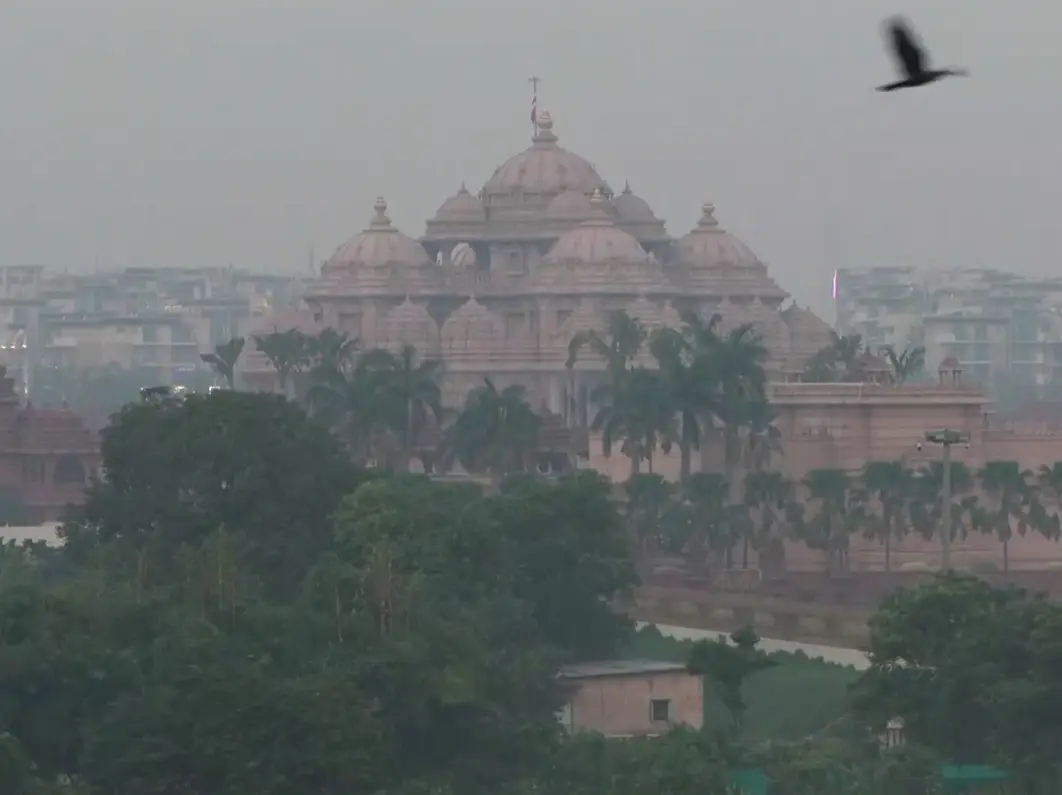
&imwidth=800&imheight=600&format=webp&quality=medium "Delhi's air quality deteriorates to 'very poor' on Diwali as pollution peaks; Grap-2 imposed")
As Delhi prepares for Diwali, the city is engulfed in thick smog and the pungent sting of pollution, prompting the Commission for Air Quality Management (CAQM) to implement Stage 2 measures under the Graded Response Action Plan (GRAP). Residents are bracing for another festive season overshadowed by toxic air. The air quality index (AQI) at 4pm was registered at 296 (poor), up from Saturday’s 268, according to the Central Pollution Control Board (CPCB). The number continued to climb post-sunset, crossing the ‘very poor’ mark and reaching 310 by 11pm. Experts predict the situation won’t improve until the week’s end. This marks the first time since February 2 that Delhi’s AQI has entered the ‘very poor’ zone.
The Air Quality Early Warning System (AQEWS) forecasts that Diwali will see AQI levels move into the 'very poor' zone, due to an increase in firecracker emissions. Experts are concerned that these pollutants, combined with local emissions and smoke from stubble fires in Punjab and Haryana, will persist in Delhi’s air throughout the week, as low surface winds hinder dispersal. Stage 2 measures under Grap include tighter controls on diesel generators, restrictions on interstate buses (except EVs, CNG, and BS-VI diesel), and hikes in parking fees to limit private vehicle use.
The toxic air is the result of multiple factors: stagnant winds, low temperatures, vehicle emissions, and the burning of firecrackers. Experts also point to crop burning in neighboring states as a significant contributor. According to the Decision Support System (DSS), Delhi’s AQI deterioration on Sunday (October 19) was largely due to pollution from surrounding NCR towns, which contributed to 67.89% of the city’s total PM2.5 levels. The remainder came from local sources. “The air quality is expected to remain ‘very poor’ on Monday, Diwali day, and will likely enter the ‘severe’ category by Tuesday due to the increase in firecracker pollution,” the AQEWS said in its report.
The CPCB’s AQI classification runs from ‘good’ (0-50) to ‘severe’ (401-500), with values above 300 marking ‘very poor’ conditions. Data on pollution sources revealed that outside Delhi, the largest contributors to pollution were categorised as ‘unaccounted sources’ (26.7%), with stubble fires accounting for only 2-3%. Without wind to disperse the pollutants, these harmful particles are trapped in the city’s air, worsening the already high levels of local emissions.
This year, Diwali arrived earlier than usual, while the peak of stubble burning tends to occur in mid-November. On Sunday, Punjab reported 67 stubble fires — the highest single-day count for the season — while Haryana saw seven. So far this season, Punjab has registered 308 farm fires, and Haryana has logged 38. Despite the Supreme Court’s permission for only ‘green’ firecrackers, the bursting of both green and traditional firecrackers was widespread in Delhi.
Trending Stories
&imwidth=180&imheight=135&format=webp&quality=medium)
Rahul Gandhi's plea against Election Commission delayed as Supreme Court registry flags 14 ‘defects’
&im=FitAndFill=(700,400)&imwidth=180&imheight=135&format=webp&quality=medium)
Navratri 2026: 9 days, 9 forms of Goddess Durga and 9 colours- Check the complete list
&imwidth=180&imheight=135&format=webp&quality=medium)
Korean peninsula tensions escalate as North Korea launches multiple ballistic missiles, PACOM says 'no threat to US personnel'
&imwidth=180&imheight=135&format=webp&quality=medium)
Trump weighs firing Kimberly Guilfoyle as US ambassador to Greece amid misconduct allegations: Report
&imwidth=180&imheight=135&format=webp&quality=medium)
Anti-SIR protest in Mumbai: Protestors wear black masks & ribbons in Mumbai
&imwidth=180&imheight=135&format=webp&quality=medium)
UK PM Andy Birnham renews claims of Russian meddling in Brexit vote
&imwidth=180&imheight=135&format=webp&quality=medium)
BCCI rejects venue shift reports, India vs Sri Lanka 1st ODI to remain in Delhi
&imwidth=180&imheight=135&format=webp&quality=medium)
'Absolutely disgusting': Australia slams US plan to livestream Nidal Hasan's execution; Mike Johnson raises concerns, warns of terrorist propaganda
&imwidth=180&imheight=135&format=webp&quality=medium)
1,500 drones illuminate Mumbai sky as Cordelia Cruises unveils second ship, Cordelia Sky
&imwidth=180&imheight=135&format=webp&quality=medium)
Houthis warns US of 'painful response' if Washington joins Saudi war in Yemen as airlines suspend flights to Saudi Arabia
&imwidth=180&imheight=135&format=webp&quality=medium)
Congress demands action against chief election commissioner
&imwidth=180&imheight=135&format=webp&quality=medium)
Robot gropes girl, makes thrusting movements in bizarre crime in Germany
&imwidth=180&imheight=135&format=webp&quality=medium)
'Turn approver, resign, we'll forgive you': Rahul Gandhi claims receiving messages from CEC Gyanesh Kumar
&imwidth=180&imheight=135&format=webp&quality=medium)
'I will not be silenced': Ilhan Omar alleges political intimidation after federal officers search her Washington home
&imwidth=180&imheight=135&format=webp&quality=medium)
Pakistan's government blames PTI for rise of terrorism in Khyber Pakhtunkhwa
&imwidth=180&imheight=135&format=webp&quality=medium)
‘This is just the start’: Maaya Rajeshwaran on historic ITF title, confidence boost and future goals
&imwidth=180&imheight=135&format=webp&quality=medium)
I.N.D.I.A. Bloc lists 10 requests to Supreme Court
&im=FitAndFill=(700,400)&imwidth=180&imheight=135&format=webp&quality=medium)
IMF World Economic Outlook: 10 economies to watch for growth in FY27 and FY28 - Where does India stand?
&im=FitAndFill=(700,400)&imwidth=180&imheight=135&format=webp&quality=medium)
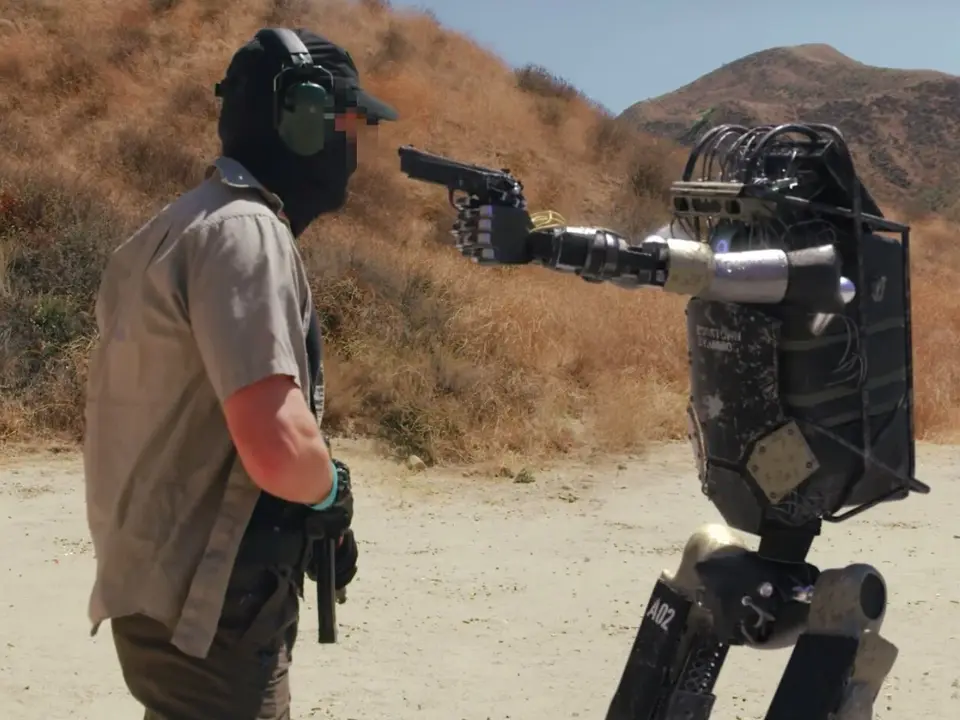
How does a robot decide what to do next?
&imwidth=180&imheight=135&format=webp&quality=medium)
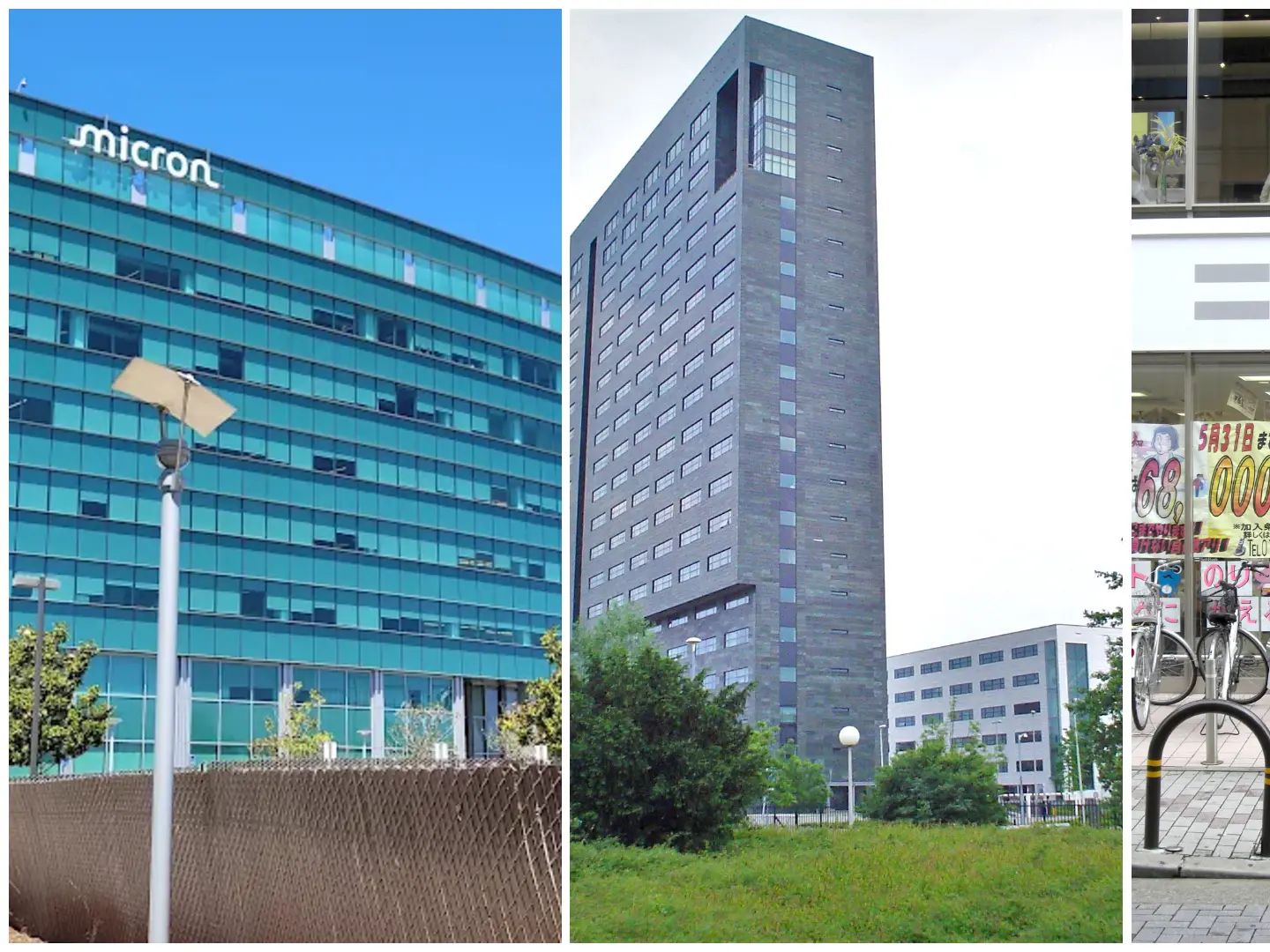
Is the AI chip boom already over? Global semiconductor stocks slide as investors question unbridled spending
&imwidth=180&imheight=135&format=webp&quality=medium)
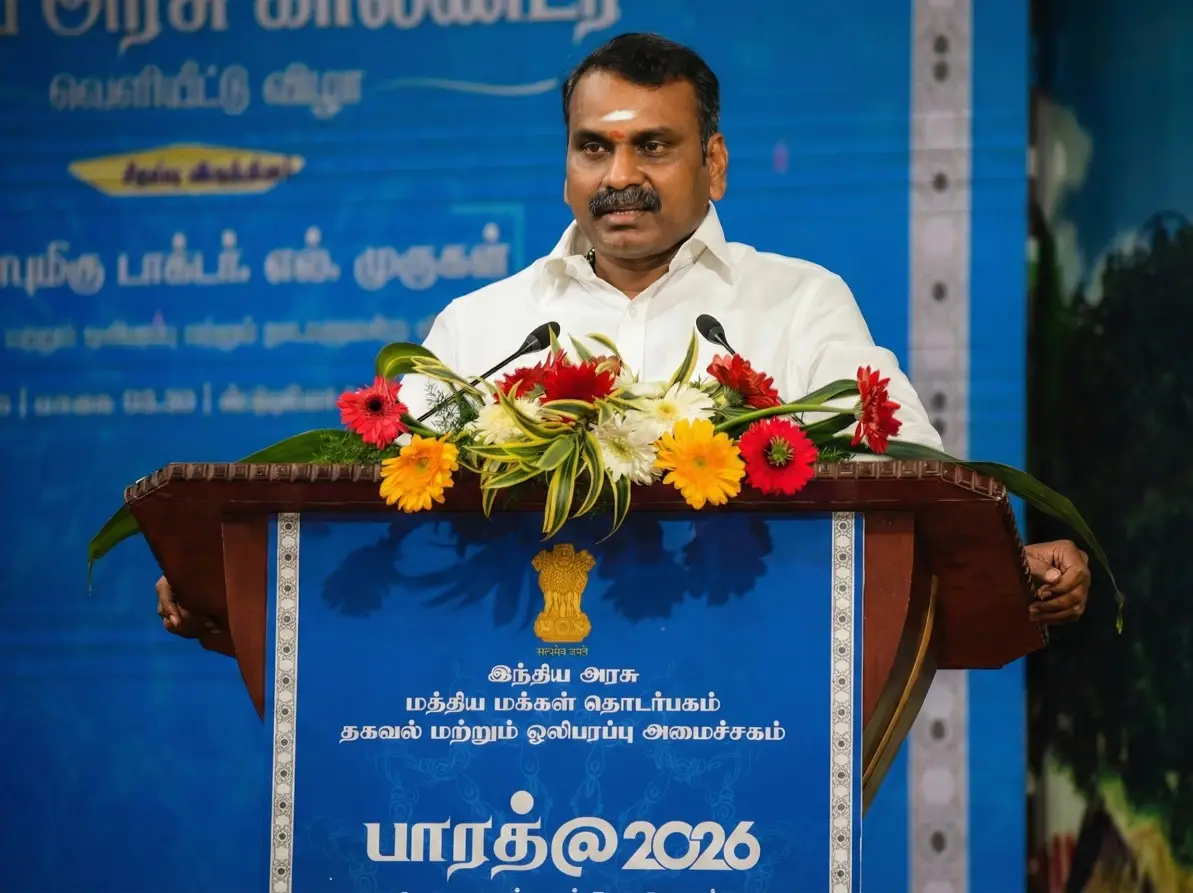
L Murugan resigns as Union Minister, expresses wish to return to grassroots
&imwidth=180&imheight=135&format=webp&quality=medium)
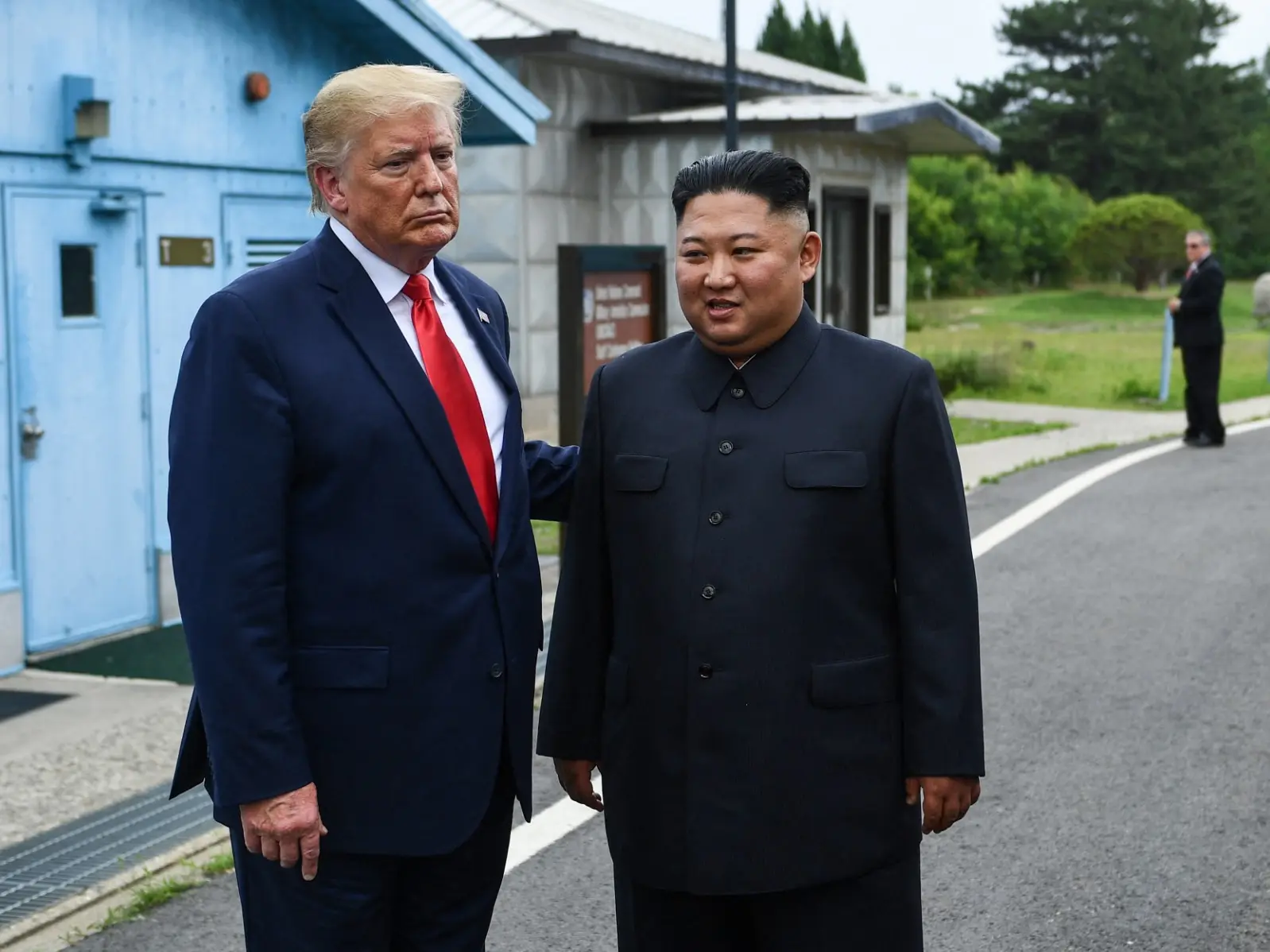
Trump says he 'may' meet North Korean leader Kim Jong Un during upcoming Asia trip
&imwidth=180&imheight=135&format=webp&quality=medium)
'Ouch!!! That must hurt': Kangana Ranaut hails Kamal Haasan's sharp reply to Elon Musk over Starlink row
&imwidth=180&imheight=135&format=webp&quality=medium)
Sidhu Moose Wala’s younger brother wins hearts by recreating late singer’s signature move at Toronto Hologram Show
&imwidth=180&imheight=135&format=webp&quality=medium)
Girl 'dead' for 8 hours wakes up at her own funeral, dad insists she wasn't breathing
&imwidth=180&imheight=135&format=webp&quality=medium)
UK school ditches technology, shifts from screen to pen and paper for learning
&imwidth=180&imheight=135&format=webp&quality=medium)
Opposition’s 10 demands in Supreme Court petition range from stay on SIR to audit of voter rolls
&imwidth=180&imheight=135&format=webp&quality=medium)
'I am thoroughly unamused': Judge slams Trump administration after 400 trees cut at Washington golf course
&im=FitAndFill=(700,400)&imwidth=180&imheight=135&format=webp&quality=medium)
New OTT releases this week (October 12-18, 2026): Sacrifice, Koffee with Karan S9, Roadies Rebirth- 6 titles coming on Netflix, JioHotstar and more
&imwidth=180&imheight=135&format=webp&quality=medium)
China’s gold rush puts billion in focus
&imwidth=180&imheight=135&format=webp&quality=medium)
India's Ajit Doval, Iran's Mohsen Rezaei hold talks amid escalating West Asia tensions, discuss 'issues of mutual interest'
&imwidth=180&imheight=135&format=webp&quality=medium)
New Cold War: Why is China buying more gold? Explained
&imwidth=180&imheight=135&format=webp&quality=medium)
Anupam Kher joins Ranbir Kapoor's Ramayana as Jatayu, new poster unveiled
&imwidth=180&imheight=135&format=webp&quality=medium)
'Almost certainly': UK Prime Minister Andy Burnham says Iran's IRGC behind RAF Fairford threat
&imwidth=180&imheight=135&format=webp&quality=medium)
Elon Musk pumps $276 million into Republican campaigns ahead of US midterm elections

