Delhi pollution: Public health emergency declared, primary schools to remain closed today


Delhi pollution
Skyrocketing pollution levels caused by a combined effect of smoke from stubble burning and moisture have turned Delhi into a 'gas chamber' forcing all primary schools in Delhi to remain closed today
Skyrocketing pollution levels caused by a combined effect of smoke from stubble burning and moisture have turned Delhi into a "gas chamber" forcing authorities to order all primary schools in the national capital to remain closed today.
The Indian Medical Association has declared a "public health emergency" and appealed to the government to stop outdoor sports and other such activities in schools to protect the health of children.
Air quality remains "severe" areas like Delhi's Lodhi Garden. Variousareasincluding Dwarka, India Gate, Dhaula Kuan and RKPuram remained covered in a thick haze.

A number of schools in Delhi suspended outdoor activities and advised parents to ensure their children wear masks.
Deputy Chief Minister Manish Sisodia announced yesterday evening that primary schools in the national capital will remain closed on Wednesday.
)
AI kill switch explained: Why shutting down a dangerous AI may not be as simple as pressing a button
)
Putin's United Russia party wins 355 seats in Duma election; 4 other parties cross threshold to enter parliament
)
US ships in Indian Ocean ‘will be attacked’ if war resumes, warns Iran
)
Delhi Air pollution: Strict crackdown on waste burning
)
SNL UK takes aim at Ed Sheeran with AI Princess Diana sketch
)
‘0% chance’: Nvidia CEO Jensen Huang dismisses AI extinction fears by 2030
)
Samay Raina-Mukesh Chhabra controversy explained: What happened over girlfriend joke on India's Got Latent?
&im=FitAndFill=(700,400))
What TSMC's 2nm technology means for Apple
)
Trump says he'll build an 'AI Force' and appoint a czar, for 'high IQ' people only
)
'Were you here to sell chickpeas?': Wasim Akram criticises Babar Azam's captaincy
)
Apple reportedly building AI server with M8 Ultra chips, may use Nvidia technology
)
TIFF 2026: Theja Rio’s Angh wins Platform Prize, puts Nagaland story on global stage
)
Glitch in the matrix caught on camera: Woman vanishes after talking to reporter
)
Samsung raises Galaxy S26 prices by Rs 20,000: Here’s what each model now costs
)
Fleming's aspirations as England Test coach include WTC, top ranking and Ashes
)
J&K Assembly Session begins amid chaos: BJP, ruling alliance clash as statehood demand dominates
)
Trump-Xi summit: US Treasury Secretary holds meeting with Chinese Vice Premier
)
Bessent meets China’s He Lifeng to prepare for Trump-Xi summit
)
S Jaishankar, former Army chief among high-profile names issued Delhi SIR notices
)
CDU suffers historic defeat in eastern Germany as AfD surges, Merz vows to stay on
)
Iran sets 7 conditions to end war with US: What are Tehran’s demands?
)
Arvind Kejriwal, family members, Delhi CM Rekha Gupta get SIR notices
)
AI actress Tilly Norwood glitches mid-interview, switches from English to Chinese | Watch
)
Saudi vs Houthis: Houthis claim missiles & drones used in attack on key Saudi sites
)
Punjab man consumes poison outside DC office; Congress, BJP target AAP government
)
Saudi Arabia exits China-led mBridge digital currency platform amid Saudi-Houthi conflict
)
'Lot of things to learn from experienced players': Jayasuriya backs Rohit, Virat for 2027 ODI World Cup
)
Chancellor Friedrich Merz vows to stay on as exit polls signal major poll setback
)
Taylor Swift has a 'proud wife' moment as Travis Kelce scores first touchdown of season: 'That’s my husband!'
)
Several petrol pumps, other businesses to refuse UPI payments above Rs 2,000 from Oct 16: Is it legal?
)
Mahabharat actor Saurav Gurjar arrested in Hyderabad, sent to 14-day judicial custody in sexual exploitation case
&im=FitAndFill=(700,400))
New OTT releases this week (September 21-27, 2026): Shaque: Trust No One, Hunkkaar, Don’t Be Shy- 5 new titles coming to Netflix, Prime Video and more
)
Noel Tata challenges Chandrasekaran’s reappointment as Tata Sons chairman. What happened at the board meeting
&im=FitAndFill=(700,400))
Kareena Kapoor birthday special: Inside her net worth, best movies, luxurious lifestyle and love story with Saif Ali Khan
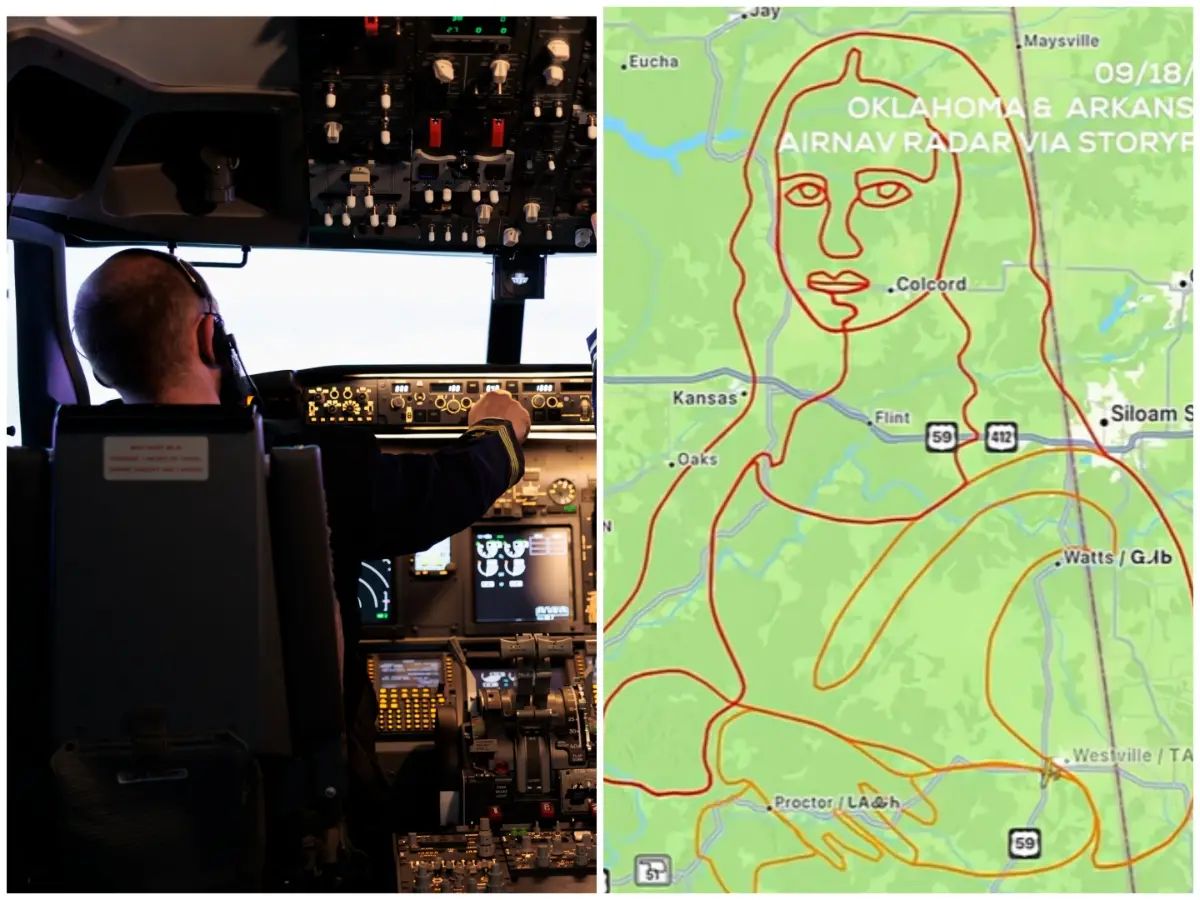)
Pilot recreates Mona Lisa in sky over Oklahoma and Arkansas in four-hour flight: VIDEO
)
Delhi: Flagged voters remain on the draft roll but face hearings
)
China now makes advanced memory chips without the machines it was banned from buying
)
Maharashtra TET paper leak: All 18 accused arrested. How alleged Agra-to-Maharashtra racket unfolded
)
Jailer 2: Vidya Balan joins Rajinikanth's upcoming film as Kantha | Watch
)
Microsoft executive called AI training the ‘largest theft of labour in human history’
)
40-foot waves crash into cruise ship in dangerous stretch near Antarctica. Watch
)
Italy moves to ban face veils in schools as Meloni pushes new integration measures
Schools under all the three municipal corporations will be closed today in view of the pollution-related heavy smog, the South Delhi Municipal Corporation said in a statement.
A number of schools in Delhi have suspended outdoor activities and advised parents to ensure their children wear masks.
The Delhi government has issued a health advisory for high-risk people, including children, the elderly, pregnant women and those suffering from asthma and heart ailments.
Schoolchildren and residents complained of itching in eyes this morning.
People were seen wearing masks to work and outside their homes.
The poor quality of air, the season's worst yesterday, has left people gasping for breath and also prompted a series of sweeping measures including a four-fold hike in parking fees.
The Central Pollution Control Board member secretary A Sudhakar informed Supreme Court mandated watchdog, the Environment Pollution (Prevention and Control) Authority, that smoke-laden air from neighbouring Punjab and Haryana and moisture-heavy winds from the eastern region had combined with local pollutants triggering the situation.
"We are not expecting a dramatic change in the next two-three days. Shallow fog is preventing the dissipation of pollutants at the ground level," Mr Sudhakar said.
CPCB air laboratory chief Dipankar Saha said the haze cannot be called smog as Delhi's air does not have the presence of gaseous pollutants such as SOx or NO2
(suplur oxides or nitrogen dioxides) beyond safe limits.
The Environment Pollution (Prevention and Control) Authority, empowered to enforce the Graded Response Action Plan (GRAP) to contain emergency levels of pollution, announced that all measures under the plan's "severe" category will be implemented across the region till further notice.
It also directed the states in the region to start preparing for implementing measures like 'odd-even' in light of the "crisis situation" and a complete ban on construction activities if pollution aggravates.
A thick blanket of haze enveloped Delhi yesterday, leading to falling visibility levels and affecting flight and train operations. The haze permeated living rooms and even the underground metro stations in the city making it difficult to breathe, turning eyes watery and producing burning sensation, PTI reported.
Poor visibility hampered flight operations, leading to delays in schedule of over 300 flights by up to two hours as only one of the three runways could be used while around 25 Delhi-bound trains were delayed.
The National Green Tribunal took the governments of Delhi, Uttar Pradesh, Punjab and Haryana to task, seeking to know why steps to prevent steps were not taken despite knowing well in advance that such a situation was likely to arise.
Chief Minister Arvind Kejriwal tweeted yesterday:
The air quality index (AQI), 448 in a scale of 500, was in the "severe" category for the second time this year. The AQI index even surpassed the level of 403 on the festival of Diwali on October 20.
The central government's System of Air Quality and Weather Forecasting And Research (SAFAR) recorded 24-hour rolling averages of PM (Particulate Matter) 2.5 and PM 10 at a staggering 406 and 645 micrograms per cubic metre, way above the permissible limits of 60 and 100.
The real-time monitors of the Delhi Pollution Control Committee (DPCC), many of which stopped working as the concentration of pollutants went through the roof, recorded PM10 over 10 times the permissible limit at several areas.
The Energy and Resources Institute (TERI) attributed huge quantities of pollutant emissions in the Delhi-NCR and upwind regions from various sources for the rising levels of pollution.
TERI suggested closure of schools, the introduction of the odd-even car rationing scheme and allowing government and private employees to work from home as measures to tackle pollution.
"We suggest stringent enforcement of the plan with emphasis on restricted entry of trucks other than those complying with BS-IV regulations... Extensive cleaning of roads using mechanised and manual mechanism," it said and added that schools be shut.
Greenpeace India said a systematic, time-bound and comprehensive action plan addressing all sources of pollution is the need of the hour.
It said the situation in Delhi-NCR is a result of the episodic event of crop biomass burning.
"Delhi remains the epicenter of the pollution debate. However, Punjab, Haryana and most parts of northern India breath even worse quality of air," said Sunil Dahiya, campaigner, Greenpeace India.
(With inputs from PTI)