Climate change impacting horticulture industry in North India, apple crop affected badly

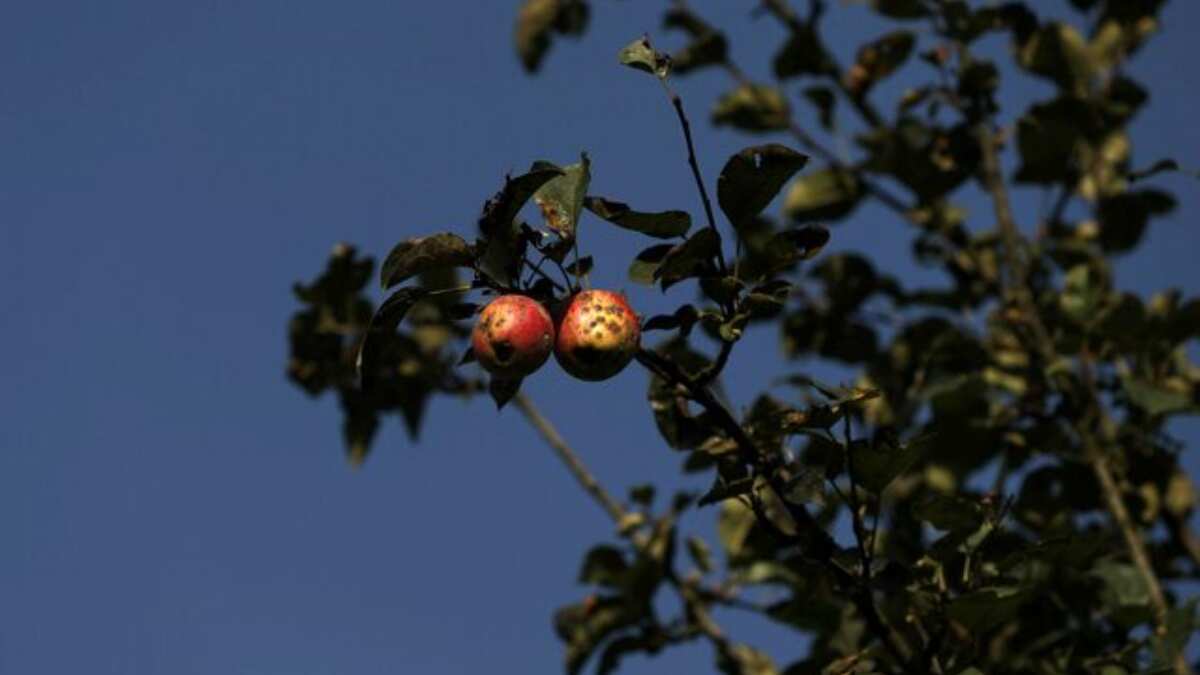
File photo.
Climate change is impacting the horticulture industry in North India. In regions like HimachalPradeshand Jammu and Kashmir, the apple industry is the backbone of their economies, and this timethefarmers are grappling with erratic weatherconditions like intense rainfall, less snow, and now sudden rise in temperatures.
This change in weather conditionsis affectingthe apple crop as it requires low temperatures for high quality. Due to the sudden heat wave across North India, the fruit orchards are being affected. The suddensharp temperature fluctuations have led to the fall of the fruit buds and the spread of infectious diseases.

Horticulture is one of themainindustriesin Jammu and Kashmir and contributes around 8 per cent to the GDP. The Kashmiriapple is among thebiggestshareholdersin the horticulture industry and apple farmers are worried that the sudden rise and dip in temperatures and erratic rains will hurt the crop.
''The climatic conditions have been erratic not only in Jammu and Kashmir but also in Himachal. Day by daywhatwe are experiencing due to global warming, the apple orchard industryis highly impacted. The fruit producethat we had in 2020 was not seen in 2021, the same as what we had in 2021, we couldn't see it in 2022andit continues. In south Kashmir, there are so many orchards in Shopian which are completely without any blossoms.We do PGR Spraysanddespite that, weare not getting the fruit produce we expect.The climate has highly impacted the fruit productionandit is veryless this year too,'' said Aamir Manzoor, an apple farmer from Shopian in South Kashmir.
One of the main reasons for thedecrease in productionislinkedtoinadequate snowfall between December and February and untimely rains.Some of the farmers are also worriedand question whether theconversion of traditional apple orchards to high-density orchards couldhave an impact on the environmenttoo.
&imwidth=180&imheight=135&format=webp&quality=medium)
'Hell of a beautiful a**': Trump compliments Nicki Minaj as rapper joins him in Michigan rally
&imwidth=180&imheight=135&format=webp&quality=medium)
'Hire the robot, fire the human': Bill Gates's words hint at a bleak future
&imwidth=180&imheight=135&format=webp&quality=medium)
Telangana unveils AI avatar of IT minister D Sridhar Babu at Hyderabad DevFest 2026
&imwidth=180&imheight=135&format=webp&quality=medium)
Who is Eyal Zamir, Israeli army chief, who reportedly clashed with Netanyahu over Iran?
&imwidth=180&imheight=135&format=webp&quality=medium)
Fire breaks out at Delhi’s North Block, thick black smoke seen | VIDEO
&im=FitAndFill=(700,400)&imwidth=180&imheight=135&format=webp&quality=medium)
Armoured vehicles vs main battle tanks: What is the real difference?
&imwidth=180&imheight=135&format=webp&quality=medium)
IND vs NZ: Tilak Varma sets world record with most T20I catches in a year
&imwidth=180&imheight=135&format=webp&quality=medium)
Harry Kane favourite to win 2026 Ballon d’Or ahead of Lamine Yamal and Kylian Mbappé
&imwidth=180&imheight=135&format=webp&quality=medium)
FIR filed against opposition MPs for ‘trespassing’ amid Jamia Millia students’ protest
&imwidth=180&imheight=135&format=webp&quality=medium)
WATCH | Virat Kohli returns to training ahead of New Zealand ODI series
&imwidth=180&imheight=135&format=webp&quality=medium)
Can Putin cheat death? All about his daughter’s billion-dollar quest for immortality
&imwidth=180&imheight=135&format=webp&quality=medium)
Daler Mehndi controversy: Mika Singh’s team confirms Subodh Uniyal’s apology
&im=FitAndFill=(700,400)&imwidth=180&imheight=135&format=webp&quality=medium)
How do army night-vision systems see in almost complete darkness?
&imwidth=180&imheight=135&format=webp&quality=medium)
Netanyahu warns Israelis of ‘existential threat’ from Iran, posts AI image of nuclear strike
&imwidth=180&imheight=135&format=webp&quality=medium)
Brazil re-elects factory worker Lula for fourth term; Indian PM Modi congratulates 'dear friend'
&imwidth=180&imheight=135&format=webp&quality=medium)
Pakistan airline PIA unveils new crew uniforms, faces online criticism
&imwidth=180&imheight=135&format=webp&quality=medium)
‘That is a miss’: Ravi Ashwin questions Sooryavanshi’s demotion to No. 3 in 2nd T20I vs NZ
&im=FitAndFill=(700,400)&imwidth=180&imheight=135&format=webp&quality=medium)
Why does this fighter jet have a golden window that looks like alien technology?
&im=FitAndFill=(700,400)&imwidth=180&imheight=135&format=webp&quality=medium)
New OTT releases this week (October 26-November 1, 2026): Baththa, Akka, The One About Matthew Perry- 7 titles coming on Netflix, Prime Video and more
&imwidth=180&imheight=135&format=webp&quality=medium)
Elon Musk’s Grok releases first AI-generated Odyssey episode, months after promising ‘historically accurate’ full-length film
&imwidth=180&imheight=135&format=webp&quality=medium)
'Already tired of his 9-to-5': Baby born with a moustache becomes internet sensation, video goes viral | Watch
&imwidth=180&imheight=135&format=webp&quality=medium)
Serbia’s student-led movement defeats Vucic’s party after 14 years in power: Why it matters
&imwidth=180&imheight=135&format=webp&quality=medium)
'I promised Gautam & Kotak Sir that...': Tilak Varma opens up on match-winning mindset against NZ
&imwidth=180&imheight=135&format=webp&quality=medium)
Maldives opposition leader demands transparency on Muizzu Govt's Pakistan defence, security deals
&im=FitAndFill=(700,400)&imwidth=180&imheight=135&format=webp&quality=medium)
Why do some fighter jets have two engines while others use one?
&imwidth=180&imheight=135&format=webp&quality=medium)
Formula 1: Mercedes' Kimi Antonelli one race and ninth spot finish away from title after US Grand Prix win
&imwidth=180&imheight=135&format=webp&quality=medium)
Delhi's new entry rules for vehicles begin November 1. Here's all you need to know about the ban
&imwidth=180&imheight=135&format=webp&quality=medium)
'Clear overkill': Putin rejects claims Russia is behind mass protests in Europe
&imwidth=180&imheight=135&format=webp&quality=medium)
'I've done my work sincerely': AR Rahman on facing backlash over Ramayana soundtrack
&imwidth=180&imheight=135&format=webp&quality=medium)
Clayface tops North American box office, Elizabeth Holmes documentary follows close behind
&imwidth=180&imheight=135&format=webp&quality=medium)
Nagpur man fails to pay rent, allegedly prints fake Rs 500 notes worth Rs 37 lakh
&imwidth=180&imheight=135&format=webp&quality=medium)
Israel elections 2026: How the country is gearing up for a crucial vote
&imwidth=180&imheight=135&format=webp&quality=medium)
Donald Trump targets Bill Maher in lengthy post after White House dinner, says ‘Don’t call anymore’
&imwidth=180&imheight=135&format=webp&quality=medium)
'He is a red flag': Ex-India strength and conditioning coach on Rohit's fitness regime
''We really need to knowthe reasonswhy global warming is happening, isit because of factories, werecently saw that Himachal is having a problem with stone fruitandthat's due to the smoke from the factories. We areourselvesresponsible for thisandscientists need to understand this and come up with a solution.We have been converting traditional apple orchards into ultra-high-density onesandweneed to know ifthat's also impactingthe environment.How right it is to convert these orchards, we need to know from the scientists.We don't have that much knowledgeandweneed to see if it's right andwhat's the future of it.If everyone is converting the land, the farmers need to know how beneficial it is with regard to the environment,'' said Manzoor.
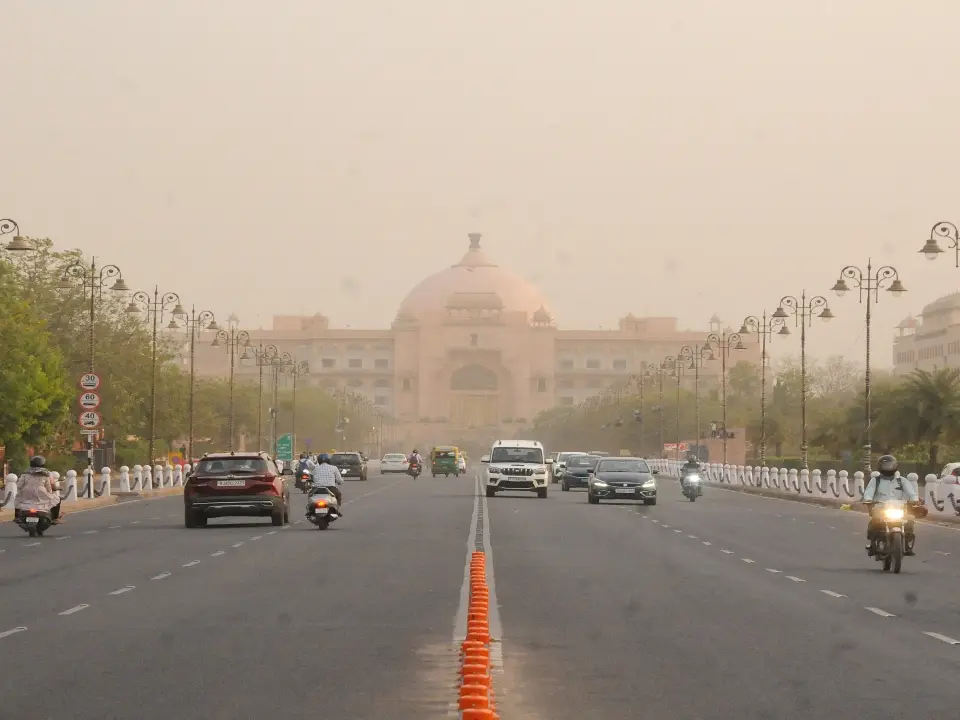
The Kashmir Valley has been witnessing a heatwave in Mayandthe MeT department says the heatwave will continue during June as well.The extreme weather changes have already led to amajordrop in the produce of the season's firstcrops, that is strawberriesand cherries.The heatwave will impact the apple crop as well.
''The whole of north India is facing a heat waveandJammu and Kashmir is also witnessing a heat wave from the lastoneweek or so. In the coming days, there will be some respite after nextweek. After 3rd June, the heat wave will continue again. The people will face inconvenience. Clear skies heat the soilandthere is no moisture. Due to this, the horticulture gets impacted a lot, afew crops like strawberry and cherry have been impacted and are facing forced maturity," said Mukhtar Ahmad, Director MeT.
The high temperatures also trigger chances of infectious diseases among the treesleading to lessproduction of the fruit.
