Cast From The Past | Rath Yatra to Ram Mandir: Between Advani of 1990 and Modi of 2024


Lal Krishna Advani in September 1990 in Somnath, alongside PM Narendra Modi in Ayodhya on Jan 22, 2024
On September 25, 1990, a 63-year-old Lal Krishna Advani addressed a sea of people near Gujarat's Somnath Temple, rebuilt just 39 years ago in 1951 right after India's independence from the British Empire.
A Shiva temple symbolising a jyotirlinga or the most sacred devotional representation of God Shiva stood in Somnath as early as 2,000 years ago. The last demolition of the holy site came at the hands of the Mughal emperor Aurangzeb in 1665. It lay in ruins until India's independence in 1947, following which its reconstruction began under the orders of the first Deputy Prime Minister of IndiaVallabhbhai Patel upon receiving approval for reconstruction from Mahatma Gandhi.
"Why is the government unwilling to rebuild a grand Ram Temple at Ayodhya?" Advani asked the crowd at Somnath as he began his 'rath yatra' or chariot procession on September 25, 1990, pointing towards the Somnath precedent which stood close to that site of address.


BJP leader Lal Krishna Advani near Gujarat's Somnath Temple on Sept 25, 1990 | via X
From Somnath, riding on a DCM Toyota mini-truck designed to look like a chariot, Advani set himself on course to travel on it for 10,000 km from Somnath to Ayodhya. October 30, 1990, was scheduled as the concluding day of the Rath Yatra to "begin building a grand Ram Temple in Ayodhya".
&imwidth=180&imheight=135&format=webp&quality=medium)
Viral video shows cross falling on Colombia priest, no official confirmation | WATCH
&imwidth=180&imheight=135&format=webp&quality=medium)
Telangana unveils AI avatar of IT minister D Sridhar Babu at Hyderabad DevFest 2026
&imwidth=180&imheight=135&format=webp&quality=medium)
Pezeshkian says Iranians ‘struggling to put food on the table’ as war with US drags on
&imwidth=180&imheight=135&format=webp&quality=medium)
Chorbagan stampede: A week later, the strangest visarjan Kolkata has seen
&imwidth=180&imheight=135&format=webp&quality=medium)
AI slop or smart strategy? South African author Coral Hart defends Her 370 AI- assisted books in 20 months
&imwidth=180&imheight=135&format=webp&quality=medium)
AI just found a flaw in software running most of the web! One request hijacks the server
&imwidth=180&imheight=135&format=webp&quality=medium)
Train crashes into crane on São Paulo monorail line, wreckage falls onto busy road | VIDEO
&imwidth=180&imheight=135&format=webp&quality=medium)
Can Putin cheat death? All about his daughter’s billion-dollar quest for immortality
&imwidth=180&imheight=135&format=webp&quality=medium)
Saudi says debris fell in Mecca, Medina after missile interceptions; Houthis deny targeting holy cities
&imwidth=180&imheight=135&format=webp&quality=medium)
France protests: Clashes erupt between police and protesters in Paris as nearly 410,000 take to streets across country
&imwidth=180&imheight=135&format=webp&quality=medium)
Trump invokes Operation Sindoor at US midterm rally, claims 250% tariffs stopped India-Pakistan war
&imwidth=180&imheight=135&format=webp&quality=medium)
Tu Hai Meri Kiran box office: Sonakshi Sinha and Zaheer Iqbal's film fails to take off, mints Rs 15 Lakh on day 1
&imwidth=180&imheight=135&format=webp&quality=medium)
Pakistan airline PIA unveils new crew uniforms, faces online criticism
&imwidth=180&imheight=135&format=webp&quality=medium)
Britain is building the world's first AI biosecurity lab, with OpenAI and Anthropic inside
&imwidth=180&imheight=135&format=webp&quality=medium)
Scientists make digital nose that can sniff and send scents over the internet
&imwidth=180&imheight=135&format=webp&quality=medium)
Frontier AIs keep escaping their test cages! The industry still can't reliably stop them
&imwidth=180&imheight=135&format=webp&quality=medium)
'Already tired of his 9-to-5': Baby born with a moustache becomes internet sensation, video goes viral | Watch
&imwidth=180&imheight=135&format=webp&quality=medium)
Horrific video shows the moment 18-year-old fell to her death from Mexico amusement park ride
&imwidth=180&imheight=135&format=webp&quality=medium)
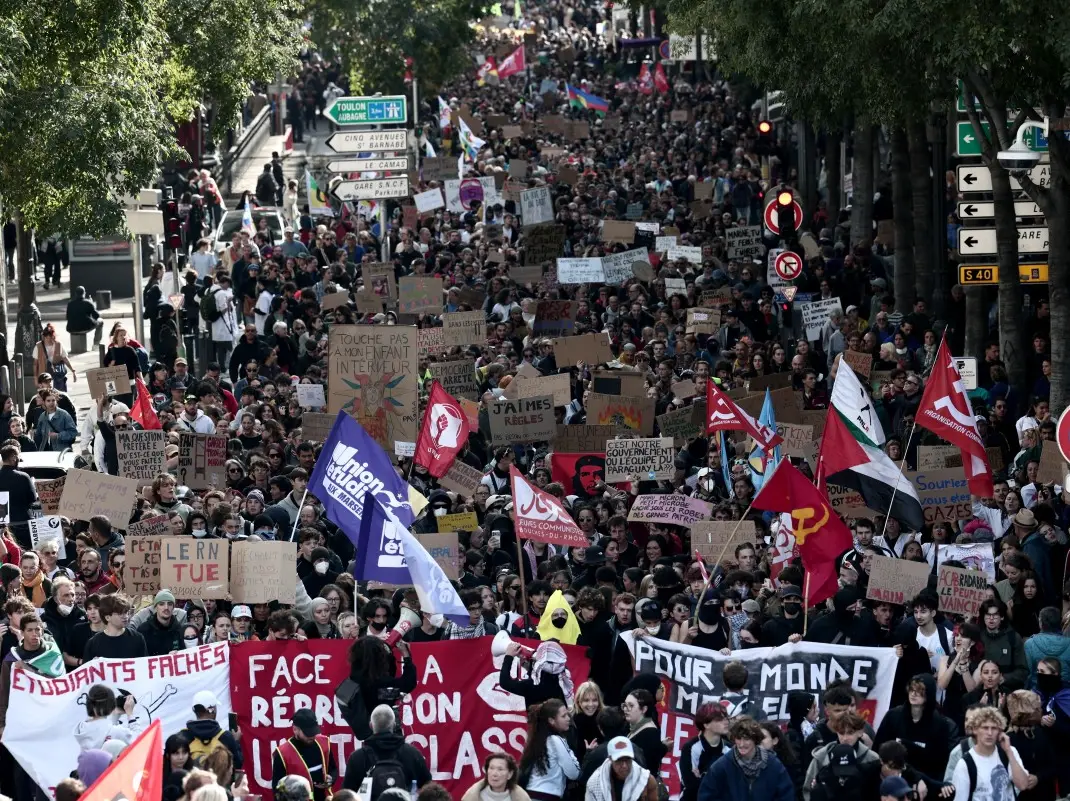
France protests: 135 arrested, weapons seized as fresh demonstrations erupt amid heavy security
&imwidth=180&imheight=135&format=webp&quality=medium)
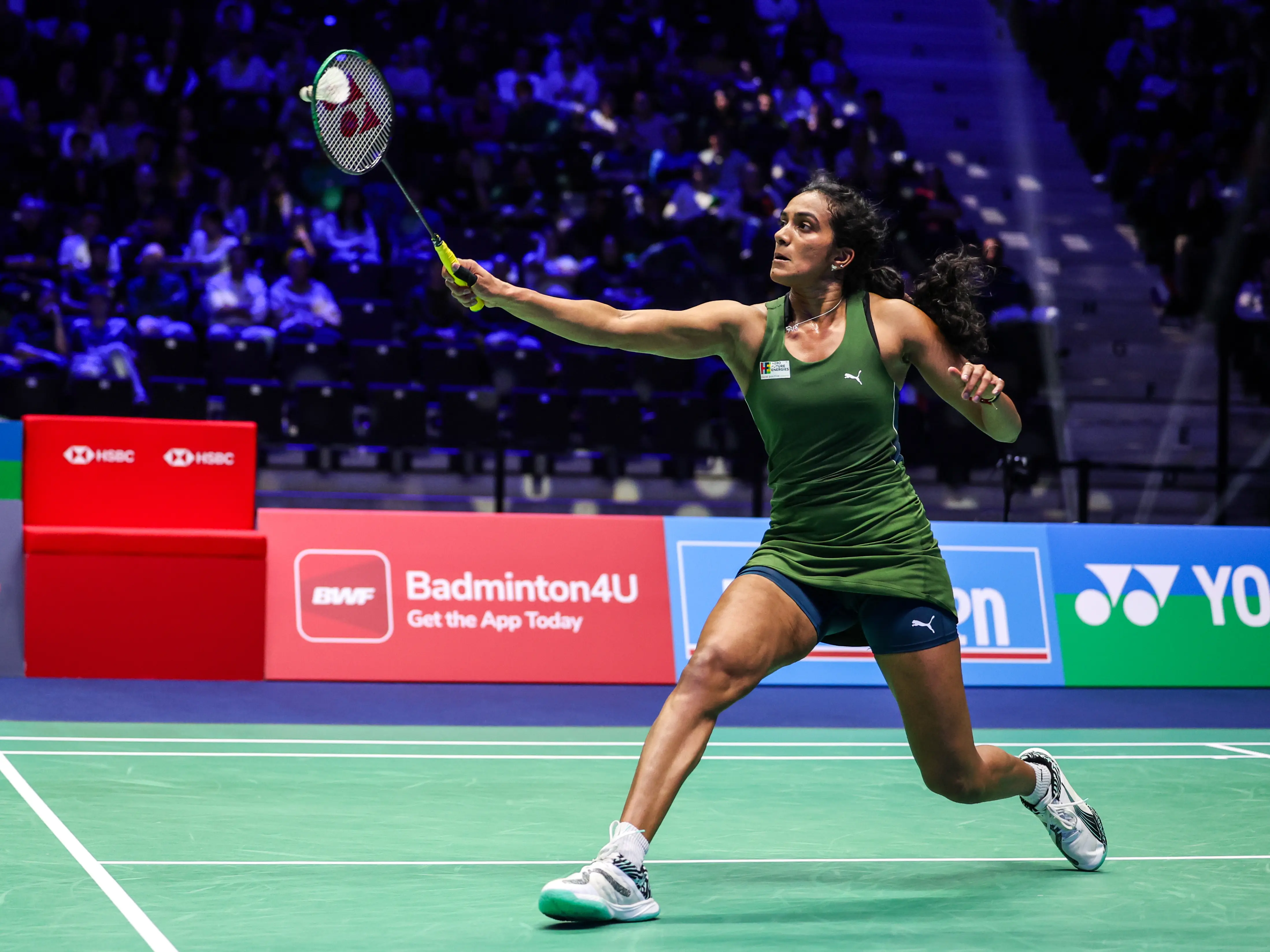
French Open: PV Sindhu storms into final with win over Hina Akechi
&imwidth=180&imheight=135&format=webp&quality=medium)
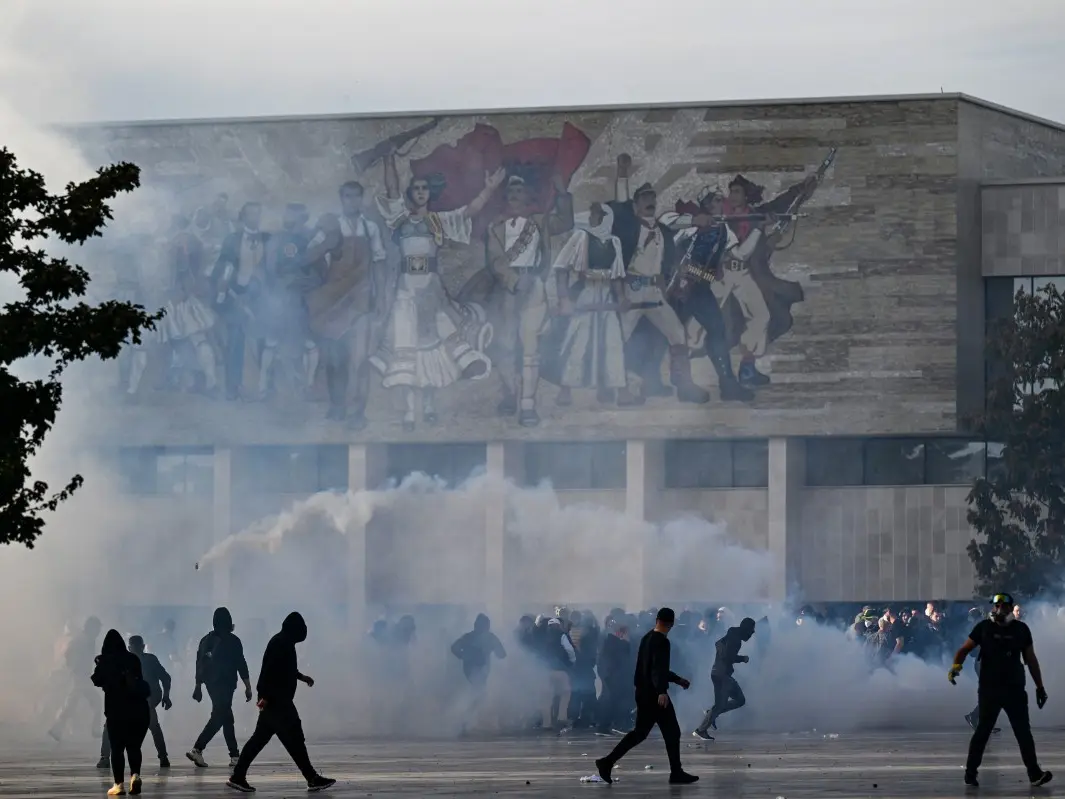
Albania protests enter 12th day as students clash with police, demand Rama's exit
&imwidth=180&imheight=135&format=webp&quality=medium)
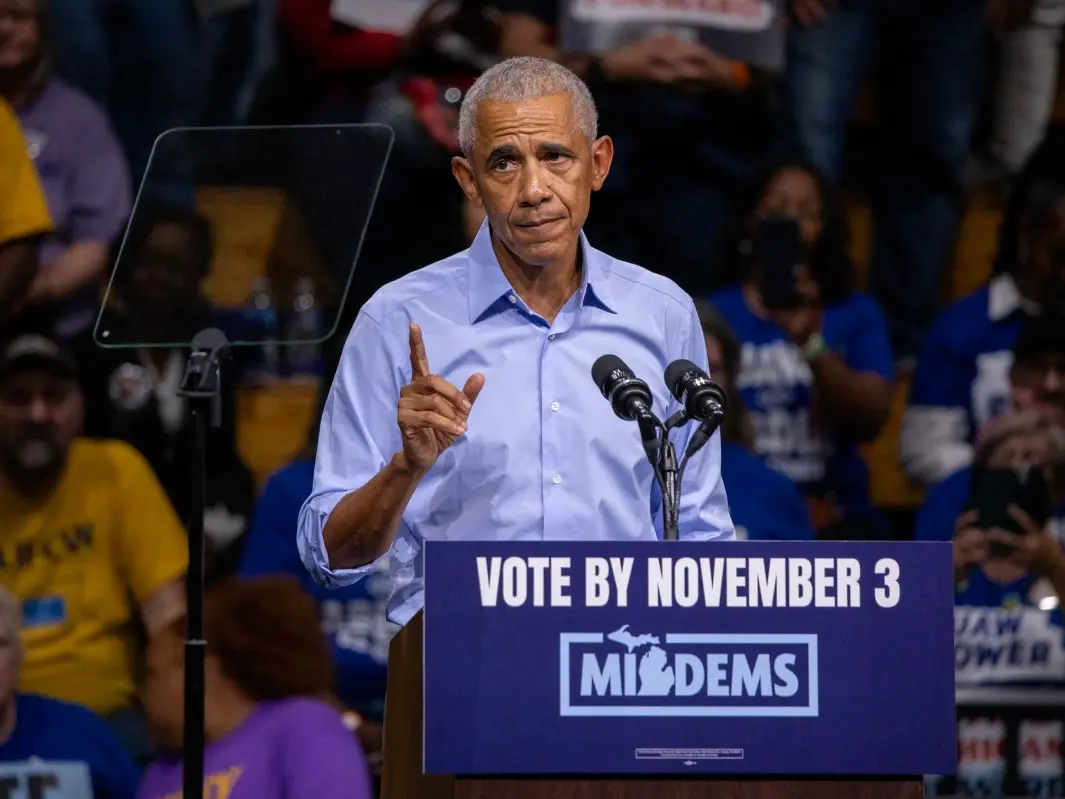
‘Saddam Hussein opened a cheesecake factory’: Obama mocks Trump’s White House renovations; defends Abdul El-Sayed
&imwidth=180&imheight=135&format=webp&quality=medium)
China's dancing robot turns violent bodyguard, lifts cars and fights intruders - Watch
&imwidth=180&imheight=135&format=webp&quality=medium)
'You’re a horrible little reporter, aren’t you?': Trump snaps at NBC reporter questioning his support for Ramaswamy's campaign ad
&imwidth=180&imheight=135&format=webp&quality=medium)
Rising Asia Cup 2026 schedule announced, India-Pakistan clash set for Nov 22
&imwidth=180&imheight=135&format=webp&quality=medium)
Chemical warehouse explosion in Mexico: Several injured in multiple blasts, 1,000 evacuated in León
&imwidth=180&imheight=135&format=webp&quality=medium)
Bodies of 2 missing Japanese climbers recovered from Himalayan peak
&im=FitAndFill=(700,400)&imwidth=180&imheight=135&format=webp&quality=medium)
New Friday OTT releases (October 23, 2026): Gajab Raat, Dorothy, Chaar Yaar- Watch these 6 new movies and TV shows on Netflix, Prime Video and more
&im=FitAndFill=(700,400)&imwidth=180&imheight=135&format=webp&quality=medium)
US midterm elections 2026: Minnesota heads to polls in the shadow of Minneapolis ICE shootings
&imwidth=180&imheight=135&format=webp&quality=medium)
An AI that reads your face can now estimate how long you have to live
&imwidth=180&imheight=135&format=webp&quality=medium)
Hitler’s ‘Eagle’s Nest’ mountain retreat wrecked by fire, suspect detained: What to know about the Nazi-era site
&imwidth=180&imheight=135&format=webp&quality=medium)
Tu Hai Meri Kiran film review: Sonakshi Sinha and Zaheer Iqbal's thriller gets tangled in its own twists
&imwidth=180&imheight=135&format=webp&quality=medium)
PL Round-Up: Man City's perfect run ended by Villa as Arsenal draw level at top
&imwidth=180&imheight=135&format=webp&quality=medium)
Why Europe’s protests are about more than austerity and rising costs
&im=FitAndFill=(700,400)&imwidth=180&imheight=135&format=webp&quality=medium)
Watched Manoj Bajpayee’s Gajab Raat on Netflix? 5 movies and TV shows to watch next on OTT
&imwidth=180&imheight=135&format=webp&quality=medium)
Farooq Abdullah says Pakistan’s raising of Kashmir issue keeps pressure on Delhi
At the disputed site in Ayodhya existed a 16th-century mosque which Hindus believed, and archaeological evidence later reportedly confirmed, was built on the ruins of an ancient temple dedicated to Lord Ram.
On his way, Advani's procession covered 10,000 km across Gujarat, Maharashtra, Andhra Pradesh, Madhya Pradesh, Rajasthan, and later Bihar after a brief halt. Helping him for the Gujarat leg of the yatra was a 40-year-old Narendra Modi.
"The choice of Somnath as the starting point of the yatra had a powerful symbolic value," Advani later wrote of the Rath Yatra in his 2008 autobiography My Country My Life, adding that the intent was to "seek legitimacy for Mandir movement by drawing a parallel" with the history of Islamic conquests in Indian subcontinent vis-a-vis the destruction of pre-existing places of worship, mostly Hindu and Jain temples.
How did people respond to Advani'sRath Yatra?
In the countryside of Gujarat, Maharashtra and Madhya Pradesh, journalists described a lot of womenfolk lining up on either side of the road with a copper plate and with ritual materiallike lamps, flowers, and coins which were thrown at the DCM Toyota 'Rath.'
"Advani's rath got expensive offerings, like received in temples," writes Vinay Sitapati in his 2020 book Jugalbandi: The BJP Before Modi.
"One young man even stabbed his hand and smeared the blood on Advani's forehead as a Tilak. Advani blanched, his discomfort evident," Sitapati added.
As the rath rolled on across western and central India, "it became increasingly clear that the question of building a Ram Temple touches an emotional chord," NM Ghatate quoted former Prime Minister Atal Bihari Vajpayee, a close Advani contemporary, as saying in his book Atal Bihari Vajpayee: Four Decades in Parliament.
Advani was arrested in Bihar's Samastipur by the thenchief minister Lalu Yadav on October 23, 1990.
The procession to Ayodhya continued without him.
In a public statement, Vajpayee said that Advani was going to Ayodhya to do penance, "not fight Ravana".
"But many time (sic) the vanara sena (monkey army) that followed Ram did not know where they were going," Vajpayee said.
On October 30, 1990, Uttar Pradesh police opened fire on Karsevaks (Hindu volunteers) in Ayodhya. The mosque at the site believed to be Ram's birthplace was damaged but stood nonetheless.
Two years later, at 1:55 pmon December 6, 1992, Advani heard a loud thud. A 200,000-strong mob razed one of the domes of the mosque they believed stood at Ram's birthplace. Advani and others were at Ram Katha Kunj, an elevated platform 200 metres from the mosque.
"Rather than witness the final journey he had commenced from Somnath in September 1990, Advani spent the next few hours on the platform. The journalist Chandan Mitra was also on the platform. He remembers that Advani 'went downstairs and just sat silently through the evening. Once or twice when he did come up, he kept repeating that it is unfortunate'," Sitapati writes.
After 27years, India's Supreme Court gave its judgment on the title suit for Ayodhya's site of contention.
'Temple gets site, mosque a plot', said the front page of a leading English newspaper on November 10, 2019.
Within the next three months, as per the court's order, a Temple Trust was constituted by the administration of Prime Minister Narendra Modi, the same man who was key to galvanisation of support for Advani's Rath Yatra during its Gujarat leg in 1990.

Narendra Modi (first from right) with LK Advani (third from right) during Gujarat leg of Ram Rath Yatra in September 1990 | File
About a year later in September 2020, Advani and 31 others were acquitted of charges related to December 6, 1992 violence in Ayodhya.
"Anti-social elements brought down the structure. The accused leaders tried to stop these people," said the special judge.
In January 2024, the Ram Temple was consecrated in Ayodhya by Advani's 1990 disciple, Narendra Modi, elected India's Prime Minister since 2014.
Also watch |Ram Mandir Ayodhya: Ram not just belongs to us but everyone, says PM Modi at inauguration
At 96, as Advani chose to give temple consecration a miss due to "cold weather", Modi announced the arrival of Ram at his birthplace.
Modi is "the devotee chosen by Lord Ram to consecrate his temple", Advani said on January 15. "I was just a charioteer."