Bridging past with present: Etching lost narratives of Indian history with translation of archives

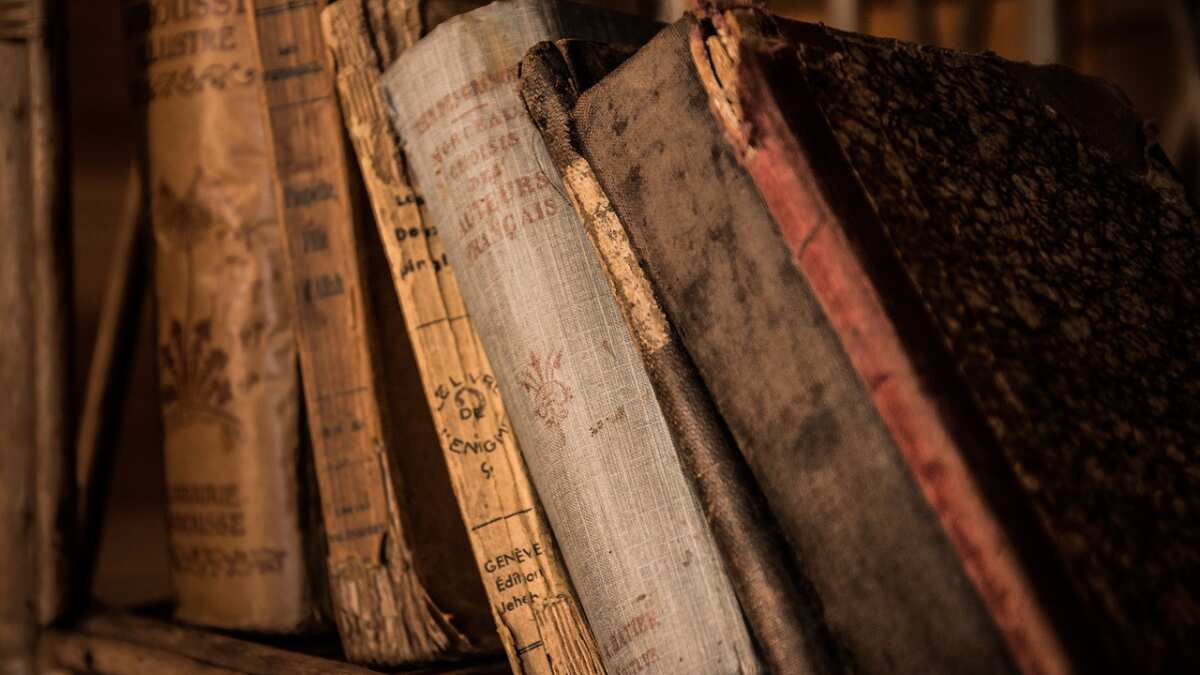
Representational image of old books kept in archives.
The world of translation in the literature of the Indian landscape – which boasts of a multitude oflanguages – found itself in the spotlight when writer Geetanjali Shree and translator Daisy Rockwell bagged the International Booker Prize for “Tomb of Sand” in 2022.
This kind of global recognition of Indian literature also brought in front of the world the increasing importance of translations in the field of literature. But what remained shrouded is how a bunch of translators have been silently working on translating historical archives to bring to light the lost narratives of the past era.
To understand history, the reader needs to be able to get access to various perspectives. Various languages in India ensure access to a diversity of opinions and help in understanding intellectual traditions in non-English languages.

The one who is bearing the flag of translating historical texts from various Indian languages to English isthe New India Foundation (NIF). The organisation has been offering fellowships for translating non-fictional texts in different Indian languages to English. The fellowships offer to cover various topics around post-independence India with an aim to expand the cultural reach of the workswhich have remained confined to one language.
Into the world of translators
&imwidth=180&imheight=135&format=webp&quality=medium)
IND-W vs ZIM-W, 2nd ODI: Harmanpreet Kaur, Vaishnavi Sharma star in India's 121-run win
&im=FitAndFill=(700,400)&imwidth=180&imheight=135&format=webp&quality=medium)
What is the real meaning behind Pete Hegseth's tattoos?
&imwidth=180&imheight=135&format=webp&quality=medium)
Telangana unveils AI avatar of IT minister D Sridhar Babu at Hyderabad DevFest 2026
&imwidth=180&imheight=135&format=webp&quality=medium)
'This is humiliation': Vijay Deverakonda under fire over controversial marriage proposal remark on Koffee With Karan 9
&im=FitAndFill=(700,400)&imwidth=180&imheight=135&format=webp&quality=medium)
Armoured vehicles vs main battle tanks: What is the real difference?
&imwidth=180&imheight=135&format=webp&quality=medium)
Pahalgam, Gulmarg record season’s first sub-zero temperatures as winter chill intensifies in Kashmir
&imwidth=180&imheight=135&format=webp&quality=medium)
Govinda breaks silence on divorce rumours with Sunita Ahuja, calls her his first love
&imwidth=180&imheight=135&format=webp&quality=medium)
Indian embassy warns nationals in Saudi Arabia against filming missile strikes
&imwidth=180&imheight=135&format=webp&quality=medium)
FIR filed against opposition MPs for ‘trespassing’ amid Jamia Millia students’ protest
&imwidth=180&imheight=135&format=webp&quality=medium)
Can Putin cheat death? All about his daughter’s billion-dollar quest for immortality
&im=FitAndFill=(700,400)&imwidth=180&imheight=135&format=webp&quality=medium)
How do army night-vision systems see in almost complete darkness?
&imwidth=180&imheight=135&format=webp&quality=medium)
Saudi says debris fell in Mecca, Medina after missile interceptions; Houthis deny targeting holy cities
&imwidth=180&imheight=135&format=webp&quality=medium)
Netanyahu warns Israelis of ‘existential threat’ from Iran, posts AI image of nuclear strike
&imwidth=180&imheight=135&format=webp&quality=medium)
Trump revives ‘shithouse countries’ slur, targets Abdul El-Sayed and Ilhan Omar at Georgia rally
&imwidth=180&imheight=135&format=webp&quality=medium)
Pakistan airline PIA unveils new crew uniforms, faces online criticism
&imwidth=180&imheight=135&format=webp&quality=medium)
'Already tired of his 9-to-5': Baby born with a moustache becomes internet sensation, video goes viral | Watch
&imwidth=180&imheight=135&format=webp&quality=medium)
Bigg Boss 20: Rohit Shetty indirectly reacts to firing at his Mumbai home
&imwidth=180&imheight=135&format=webp&quality=medium)
Tiger Shroff’s team calls report on actor’s reaction to Mumbai attack ‘completely untrue’
&imwidth=180&imheight=135&format=webp&quality=medium)
Russia-Ukraine drone attacks kill 6, injure 31 across both countries
&imwidth=180&imheight=135&format=webp&quality=medium)
'I promised Gautam & Kotak Sir that...': Tilak Varma opens up on match-winning mindset against NZ
&imwidth=180&imheight=135&format=webp&quality=medium)
‘Saddam Hussein opened a cheesecake factory’: Obama mocks Trump’s White House renovations; defends Abdul El-Sayed
&imwidth=180&imheight=135&format=webp&quality=medium)
Anthropic's leaked AI bill would act only at 50 deaths or $1bn in harm
&imwidth=180&imheight=135&format=webp&quality=medium)
China's dancing robot turns violent bodyguard, lifts cars and fights intruders - Watch
&im=FitAndFill=(700,400)&imwidth=180&imheight=135&format=webp&quality=medium)
Why do some fighter jets have two engines while others use one?
&imwidth=180&imheight=135&format=webp&quality=medium)
Byeon Woo Seok makes first public appearance as Sung Jin Woo for Solo Leveling at Netflix Korea’s 10th anniversary event
&im=FitAndFill=(700,400)&imwidth=180&imheight=135&format=webp&quality=medium)
New Friday OTT releases (October 23, 2026): Gajab Raat, Dorothy, Chaar Yaar- Watch these 6 new movies and TV shows on Netflix, Prime Video and more
&imwidth=180&imheight=135&format=webp&quality=medium)
'Clear overkill': Putin rejects claims Russia is behind mass protests in Europe
&imwidth=180&imheight=135&format=webp&quality=medium)
'If it was up to me, it wouldn't have ended like this': James Anderson opens up on Lancashire exit
&imwidth=180&imheight=135&format=webp&quality=medium)
‘Do I make a deal or finish them off’: What Trump said on resuming Iran strikes
&imwidth=180&imheight=135&format=webp&quality=medium)
Javed Akhtar backs Rashmika Mandanna after Koffee With Karan 9 accent trolling, calls out ‘linguistic superiority’
&imwidth=180&imheight=135&format=webp&quality=medium)
WATCH | Langur walks into Odisha repair shop, hugs shopkeeper; internet reacts to heartwarming video
&imwidth=180&imheight=135&format=webp&quality=medium)
Nagpur man fails to pay rent, allegedly prints fake Rs 500 notes worth Rs 37 lakh
&imwidth=180&imheight=135&format=webp&quality=medium)
Venezuelan opposition leader María Machado returns home after over 10 months in exile
&imwidth=180&imheight=135&format=webp&quality=medium)
‘Modi ka baap bhi jayega,’ Kharge loses cool at party event in Patna; BJP slams him
&imwidth=180&imheight=135&format=webp&quality=medium)
Why Europe’s protests are about more than austerity and rising costs
&imwidth=180&imheight=135&format=webp&quality=medium)
Kim Kardashian, Kris Jenner turn heads with Bold looks at All’s Fair season 2 premiere in Rome
A significant amount of historical work has remained confined to one language and has remained unheard of by the rest of the world because of the language barrier. The widespread use of English has emerged as a link to connect the two worlds with translations of the lost texts, whichcan now be shared with others after remainingin obscurity.
Speaking about how English should be seen as a linking and not a dominating language, Bengali translator and professor Iphshita Chanda, while speaking to WION, said, “English should be thought of as a link language but not as a master language donating its wealth and power to its vernacular illegitimate relatives. Speakers of different languages need to assert their power and the rethink forced supremacy of English as a saviour rather than as an instrument. Unless the mindset and vocabulary about multilingual change from the colonial to the plural, these shadows remain.”
In its translation fellowships, NIF focused on work from 1850 onwards when the political scenario of India changed drastically and the struggle for independence gained a different momentum.
Watch: Royal family's racism controversy: Rollout of new book 'Endgame' causes scandal
Emphasising the importance of making accessible all political discourses which were part of the independence movement, Chanda said, “I think all discourses regarding the independence of thought and social and political democracy from as many Indian languages as practicable, should be made accessible in the original and in translation, across Indian languages and in English.”
Preserving the soul
Translating an original text written by someone in a particular time period can pose some serious challenges, like adapting to the lens of the writer, keeping its soul intact and not letting the translator's vision overshadow the writer's originality.
“It is now common knowledge that translation involves much more than transferring meaning from one language to another. The translator’s task is to convey, as sensitively as possible, cultural specificities and nuances. Translation affirms the possibility of communication between two cultures. At the same time, one must acknowledge the distinctiveness of the source and target cultures. Therefore, the translator has to deftly negotiate between these two cultures,” said Jatin Nayak, Odia translator and professor, while speaking to WION.
But what makes NIF stand out is its efforts to bring out the lost archives of the independence movement post-1850 and the partitionto provide a different lens for the Indian diaspora to understand its past struggles.
Explaining NIF's crucial contribution in the field of translation to WION, Manish Sabharwal, Managing Trustee of the NIF, said, “The Bangla Translation Fellowship awarded in Round 1 focused on the diaries of Nirmal Kumar Bose from 1946 and 1947, at which time he was witness to key events of Independence around Bengal and the Partition there. This is just one example – it is true that the landscape of Indian Publishing changed dramatically from 1850 onwards, especially as print culture developed in Indian languages. Excavating these narratives will help us understand the progress of Indian history from a different lens, and it is to this end that the NIF Translation Fellowships are aiming to make a difference.”