

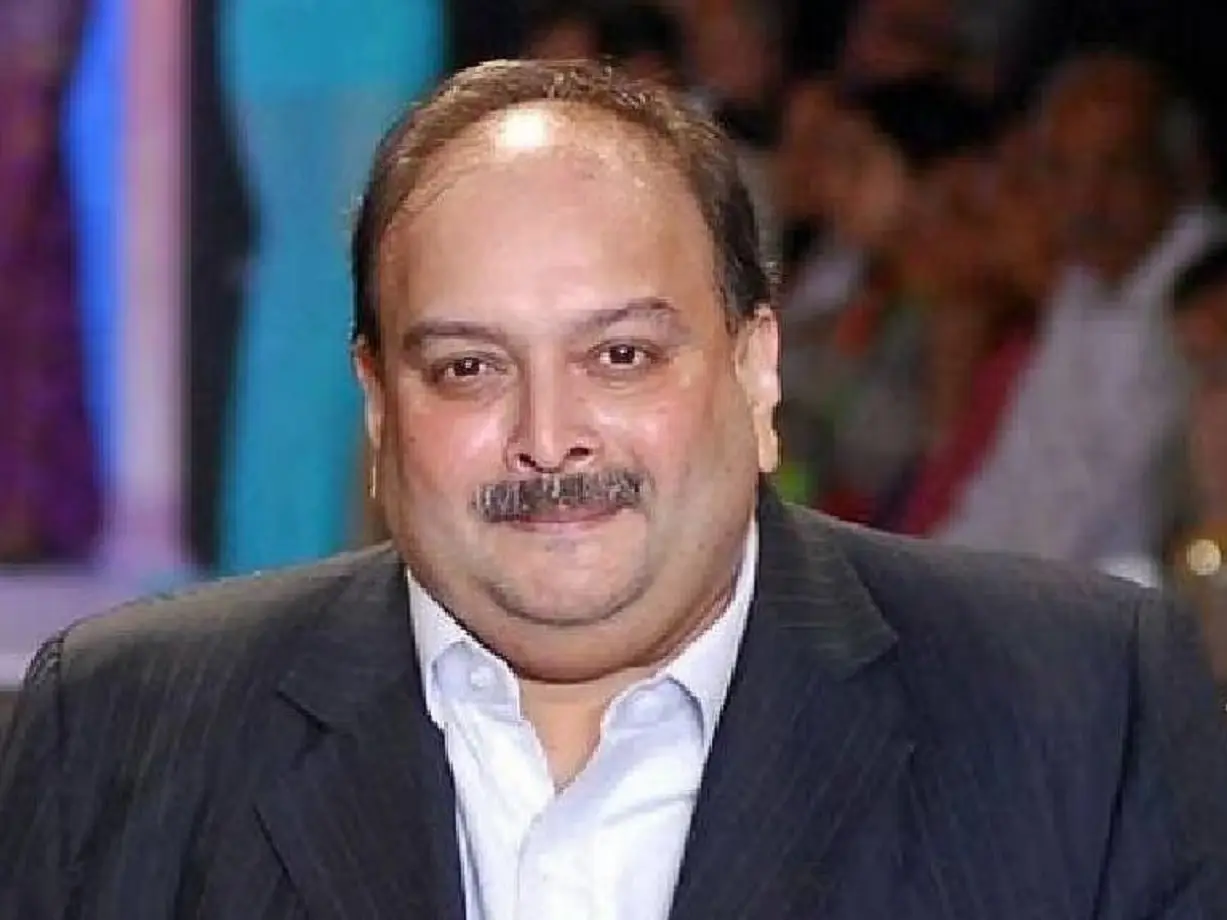
&imwidth=800&imheight=600&format=webp&quality=medium "Belgian court orders fugitive diamantaire Mehul Choksi’s extradition to India")
A Belgian court on Friday ruled in favour of India’s request for extradition of fugitive businessman Mehul Choksi to face charges in the country. A court in Antwerp cleared the extradition of fugitive diamantaire Mehul Choksi, noting that his arrest by the Belgian authorities on India’s request was valid. The order has come as a strong validation for India’s case seeking the extradition of Choksi, who still has the option of appealing against the decision in a superior court in Belgium, said officials. “The order has come in our favour. The court has termed his arrest by the Belgian authorities on India’s request valid. The first legal step in getting him extradited is now clear,” said a senior official seeking anonymity.
Choksi fled India in 2018 after allegedly defrauding the Punjab National Bank in one of the biggest financial scams in the country and had been on the run since.
Indian officials assisted Belgian prosecutors
Indian officials from the External Affairs Ministry and the CBI played a key role in assisting Belgian prosecutors. They presented detailed arguments on Choksi’s alleged involvement in a Rs 13,000 crore Punjab National Bank scam that he had orchestrated in collusion with his nephew Nirav Modi. Prosecutors told the court that Choksi continues to be a flight risk and should not be released from prison, officials added.
Though Choksi has been granted the right to challenge the decision in a higher court, which can delay his immediate transfer to India, the verdict is a boost in the long-drawn proceedings.
Choksi was arrested by Antwerp Police on April 11, following India’s formal extradition request, and has since been held in a correctional facility. His multiple bail applications were rejected due to his high risk of fleeing again.
Trending Stories
&imwidth=180&imheight=135&format=webp&quality=medium)
'Already tired of his 9-to-5': Baby born with a moustache becomes internet sensation, video goes viral | Watch
&imwidth=180&imheight=135&format=webp&quality=medium)
Microsoft offers voluntary exit packages to 60,000 employees in India, US, UK and Canada
&imwidth=180&imheight=135&format=webp&quality=medium)
Mohra re-release in 4K: Akshay Kumar, Raveena Tandon’s film to clash with Ranbir Kapoor’s Ramayana
&im=FitAndFill=(700,400)&imwidth=180&imheight=135&format=webp&quality=medium)
New OTT releases this week (October 26-November 1, 2026): Baththa, Akka, The One About Matthew Perry- 7 titles coming on Netflix, Prime Video and more
&imwidth=180&imheight=135&format=webp&quality=medium)
Student-led movement ousts Serbia's longtime leader as protests rage across Europe | GRAVITAS
&imwidth=180&imheight=135&format=webp&quality=medium)
'He is a red flag': Ex-India strength and conditioning coach on Rohit's fitness regime
&imwidth=180&imheight=135&format=webp&quality=medium)
Zimbabwe slips four places to 14th out of 29 in Africa’s Digital Rights and Inclusion ranking
&imwidth=180&imheight=135&format=webp&quality=medium)
Jordan strikes 'terrorist organisations' in Syria after deadly church attack as Damascus shuts main border crossing
&imwidth=180&imheight=135&format=webp&quality=medium)
Police called after 3-year-old scores 10 goals in 12 minutes at Florida youth soccer game
&imwidth=180&imheight=135&format=webp&quality=medium)
One dead, six injured in Elizabeth, New Jersey mass shooting; suspect flees
&imwidth=180&imheight=135&format=webp&quality=medium)
'She is a beautiful woman': Trump mocks Mexican President Sheinbaum, mimics her voice at US Midterms rally
&imwidth=180&imheight=135&format=webp&quality=medium)
Hijack scare unfolds on United flight over suspicious text message. Here is what happened
&imwidth=180&imheight=135&format=webp&quality=medium)
'I've done my work sincerely': AR Rahman on facing backlash over Ramayana soundtrack
&imwidth=180&imheight=135&format=webp&quality=medium)
‘That is a miss’: Ravi Ashwin questions Sooryavanshi’s demotion to No. 3 in 2nd T20I vs NZ
&imwidth=180&imheight=135&format=webp&quality=medium)
US Midterms 2026: Last leg polls and forecasts indicate Democratic momentum, but Senate control remains uncertain
&imwidth=180&imheight=135&format=webp&quality=medium)
Trump offers $1 million before US midterms. What is he asking Americans to report?
&imwidth=180&imheight=135&format=webp&quality=medium)
Democrats allege 'desperate efforts to cover up' Trump's involvement in Jeffrey Epstein sex crimes, release 50-page report
&imwidth=180&imheight=135&format=webp&quality=medium)
Trump’s oil and gas holdings surge to $81.6 million amid Iran war as Americans face rising fuel costs
&imwidth=180&imheight=135&format=webp&quality=medium)
'Lousy president': Trump hits back at Obama over 'cheesecake factory' White House jibe
&imwidth=180&imheight=135&format=webp&quality=medium)
Cameroon unveils school-based migration clubs to support young people’s migration choices
&imwidth=180&imheight=135&format=webp&quality=medium)
'Shove that ballroom up your a**': Trump heckled at Mississippi rally over White House ballroom renovations | WATCH
&imwidth=180&imheight=135&format=webp&quality=medium)
Uttarakhand innovator Ravi Tamta builds flying car without any formal engineering degree
&imwidth=180&imheight=135&format=webp&quality=medium)
US midterms 2026: Democrat Annie Andrews gains bipartisan backing against Trump's pick Darline Graham in South Carolina Senate race
&imwidth=180&imheight=135&format=webp&quality=medium)
Chris Brown given suspended eight-month jail term for London nightclub attack
&imwidth=180&imheight=135&format=webp&quality=medium)
'Hell of a beautiful a**': Trump compliments Nicki Minaj as rapper joins him in Michigan rally
&imwidth=180&imheight=135&format=webp&quality=medium)
Pakistan airline PIA unveils new crew uniforms, faces online criticism
&imwidth=180&imheight=135&format=webp&quality=medium)
Meta’s AI bet is getting more expensive: What its $95 billion share plan means
&imwidth=180&imheight=135&format=webp&quality=medium)
Maurene Comey, daughter of ex-FBI director James Comey, was unlawfully fired as federal prosecutor, judge rules
&imwidth=180&imheight=135&format=webp&quality=medium)
WATCH | Virat Kohli returns to training ahead of New Zealand ODI series
&imwidth=180&imheight=135&format=webp&quality=medium)
Trump accused of 'brutal' rape by ex-Miss Switzerland; Beatrice Keul alleges 'Don's best friend' Epstein facilitated assault in 1993
&imwidth=180&imheight=135&format=webp&quality=medium)
Elon Musk’s Grok releases first AI-generated Odyssey episode, months after promising ‘historically accurate’ full-length film
‘Criminal charges against him in India also punishable under Belgian law’
The Antwerp court ruled that the criminal charges pressed against him in India, including cheating, criminal conspiracy, breach of trust, destruction of evidence, and corruption, are also punishable under Belgian law and satisfy the international legal principle of “dual criminality”, a prerequisite for extradition between two countries.
India also referenced the UN Convention Against Corruption (UNCAC) and the UN Convention Against Transnational Organised Crime (UNTOC), both ratified by Belgium in the extradition trial proceedings.
The Central Bureau of Investigation (CBI) even sent multiple delegations to Belgium to present documentation and also retained a European law firm to coordinate legal proceedings and evidence submission.
WATCH: World's first hydrogen-powered race cars showcased in Saudi Arabia

