As MCC backs hybrid bats, Kashmir willow faces an identity test

&imwidth=600&imheight=450&format=webp&quality=medium "As MCC backs hybrid bats, Kashmir willow faces an identity test")
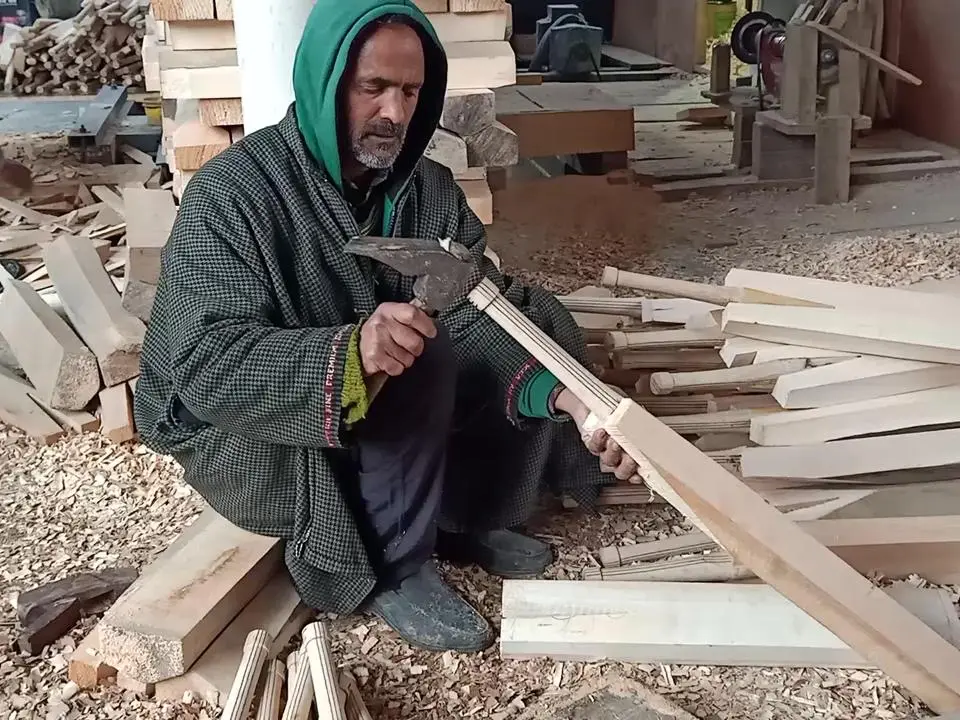
An image for representation Photograph: (WION)
MCC’s approval of hybrid cricket bats amid rising English willow costs has sparked concern in Kashmir, where manufacturers fear the move will dilute the identity and global reputation of pure Kashmir willow bats.
Amid rising costs of English willow, the Marylebone Cricket Club (MCC) has revised the laws to allow hybrid bats in amateur cricket. These laminated Type D bats, typically featuring an English willow face and a more affordable wood like Kashmir willow, aim to make the game more accessible.
While this law amendment could boost the market for Kashmir willow, bat manufacturers from the region have expressed concerns. They fear it may negatively impact the reputation of Kashmir willow bats. As a result, many have chosen to distance themselves from producing hybrid bats, worried about the potential long-term effects on their brand and the quality perception of their products.
''Introducing laminated or hybrid bats will dilute the identity of Kashmir willow. A bat made with 90 per cent Kashmir willow and 10 per cent English willow is no longer a true Kashmir willow bat. Hybrid bats may benefit manufacturers temporarily, but they will harm the game in the long run. A first-grade Kashmir willow bat costs around ₹12,000 in Kashmir, and the English Willow sells for ₹1.75 lakh. We produce world-class bats and should export them in their pure, 100% form. Laminating Kashmir willow would damage its recognition, and we strongly oppose it. We are committed to giving the world authentic Kashmir willow bats,” said Fawzul Kabiir, President of the Kashmir Cricket Bat Association and Founder of GR8 Sports.
In October 2025, the MCC held a conference at Lord's to discuss the future of bat making, focusing on the rising reliance and scarcity of English willow. Prices have tripled due to increased demand.
Meanwhile, Kashmiri manufacturers warn that hybrid bats could be made from virtually any materials, even containing metallic components, which would severely undermine the integrity of the game. They argue that Kashmir is fully capable of supplying the world with high-quality bats and that, instead of hybrid models, 100% Kashmir willow bats should be promoted, offering better quality at a lower cost.
“The ICC wants a sustainable and affordable option so cricket can be accessible worldwide. While this may reduce prices, it will also compromise quality. Over the last five to six years, Kashmir willow has proven itself among the best in the world, with achievements across international cricket, including World Cups and women’s cricket. Our bats have hit massive sixes and demonstrated exceptional quality. Earlier, progress was limited due to a lack of R&D, but today the Kashmir Valley has made remarkable advances—47 international cricketers now use Kashmir willow bats in Tests and ODIs. Even the Indian women’s team captain has visited us to promote Made in India products, '' said Fawzul Kabiir, President of the Kashmir Cricket Bat Association and Founder of GR8 Sports.
Trending Stories
)
&im=FitAndFill=(700,400))
)
)
)
)
)
)
)
)
)
)
&im=FitAndFill=(700,400))
)
)
)
)
)
)
)
)
)
)
)
)
)
)
)
)
)
)
&im=FitAndFill=(700,400))
)
)
)
)
)
)
)
)
)
The Kashmiri Bat Manufacturers Association says all manufacturing units have decided to stay away from hybrid bats, as they portray Kashmir willow in a poor light. The association believes that introducing 100% Kashmir willow bats in open-age recreational cricket would be a more sustainable and economical solution.
