80th Independence Day: 5 unsung freedom fighters you should know

&imwidth=600&imheight=450&format=webp&quality=medium "80th Independence Day: 5 unsung freedom fighters you should know")
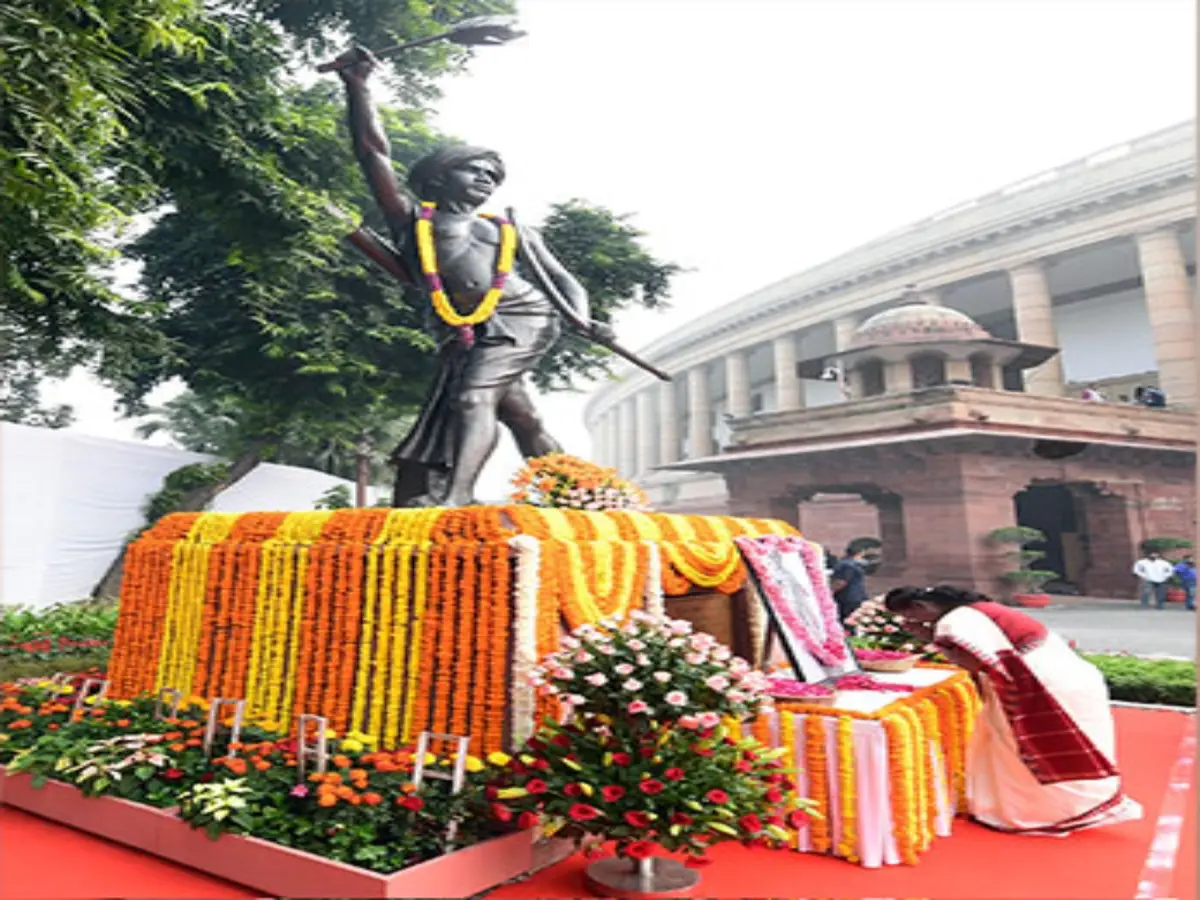
President Droupadi Murmu pays floral tributes to Bhagwan Birsa Munda at Parliament House, New Delhi Photograph: (ANI)
Babu Veer Kunwar Singh, a Rajput zamindar, was nearly 80 when the uprising of 1857 reached Bihar. Instead of staying away from the battlefield, he chose to fight the British.
On Saturday (Aug 15) India will celebrate its 80th Independence Day, marking 79 years since the country gained independence from British rule. The theme for the celebration is “Yuva Shakti for Viksit Bharat@2047”. It also commemorates Vande Mataram, honouring the national song that inspired millions of Indians during the freedom struggle.
Vande Mataram will be sung for the first time at this year's celebrations to mark 150 years of the national song. The event is expected to garner around 27,000 people that would include entrepreneurs and students.
The freedom from British rule in 1947, nearly 200 years after it won the Battle of Plassey in 1757, was a result of the sacrifice given by thousands of freedom fighters like Mahatma Gandhi, Jawaharlal Nehru, Subhash Chandra Bose, BR Ambedkar, Bhagat Singh and Chandrashekhar Azad.
But as we remember their sacrifice there are some freedom fighter that do not feature prominently during the celebrations. Here we try to refresh your memories by talking about their contribution.
Veer Kunwar Singh: The 80-Year-Old Who Took Up Arms Against the British
Babu Veer Kunwar Singh was nearly 80 when the uprising of 1857 reached Bihar. Instead of staying away from the battlefield, he chose to fight the British.
Trending Stories
)
)
)
)
)
)
)
)
)
)
)
)
)
)
)
)
)
)
)
)
)
)
)
)
)
)
)
)
)
)
)
)
)
)
&im=FitAndFill=(700,400))
)
)
)
)
Veer Kunwar Singh was a Rajput zamindar and military leader from Jagdishpur in present-day Bihar. He became one of the most important leaders of the 1857 uprising against British rule in Bihar.
One of the most famous episodes associated with Kunwar Singh occurred during his retreat across the Ganga. According to historical accounts, he was wounded by a British bullet while crossing the river. The injury severely affected his arm, and accounts of his life say that he cut off his wounded arm and offered it to the Ganga.
This episode has become one of the enduring symbols of his courage.
Birsa Munda: The Tribal Leader Who Took On The British Raj
In the late 19th century Birsa Munda also known as Dharti Aaba (Father of the Earth) appeared as a powerful leader of the Munda people of Jharkhand. His movement challenged British colonial rule as well as the exploitation of tribal communities by landlords, moneylenders and intermediaries.
Birsa's movement translated into the “Great Rebellion” or “Great Tumult,” in the late 1890s. His followers challenged colonial authority and attacked symbols of the systems they believed were exploiting their communities. The rebellion spread through parts of the Chotanagpur region spreading across large parts of Jharkhand, parts of Bihar, Odisha, Chhattisgarh and West Bengal.
Birsa was arrested by the British in 1900 and died in Ranchi Jail on 9 June 1900, aged only about 25.
Matangini Hazra — The elderly woman who refused to retreat
Matangini Hazra was a freedom fighter from Bengal who became one of the striking figures of the Quit India Movement.
In 1942, at around 73 years old, she led a large procession of about 6,000 people, predominantly women, in Tamluk. She was shot by colonial police during the protest and died holding the Tricolour.
She was popularly known as “Gandhi Buri”, or “Old Lady Gandhi,” reflecting her association with Gandhian politics.
President Droupadi Murmu has specifically remembered her among India's women freedom fighters.
Kanaklata Barua — The 17-year-old freedom fighter
Kanaklata Barua was a y freedom fighter from Assam who participated in the Quit India Movement.
On 20 September 1942, she joined a procession that was on its way to hoist the national flag at the Gohpur Police Station. When the procession reached closer with Barua in the forefront holding the tricolour shots were fired and she was killed at just 17 years of age.
The Government of India has included her among freedom fighters being commemorated at the district level.
Velu Nachiyar — The queen who fought the British
Rani Velu Nachiyar of Sivaganga in Tamil Nadu was born in 1730 and was trained in martial skills from an early age. After British-backed forces attacked Sivaganga and her husband was killed, she organised resistance and eventually fought to regain her kingdom.
She was one of the earliest Indian rulers to mount armed resistance against the East India Company.
