

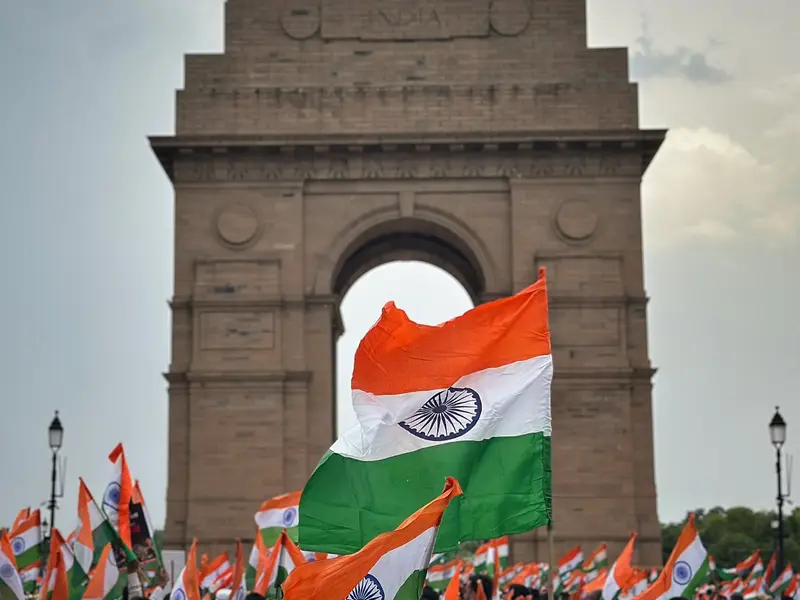
In a bold and strategic move following the success of Operation Sindoor by the Indian armed forces, India has launched a sweeping diplomatic outreach mission across the globe.
With a clear and unwavering message — that terrorism will not be tolerated and the world must unite against it — seven high-level delegations have been sent to 33 countries. This unprecedented diplomatic strike aims to build global consensus, explain the rationale behind Operation Sindoor, and isolate terror sponsors.
The effort, coordinated by the Ministry of External Affairs (MEA), saw participation from cabinet ministers, Members of Parliament, and senior diplomats. Their mission is not just to inform India’s counter-terror operation, but to also rally international support and cooperation in the global fight against terror.
The first all-party delegation out of the seven set up for India’s diplomatic outreach on Operation Sindoor abroad will depart on Wednesday (May 21) for four countries. The delegation led by Shiv Sena MP Shrikant Shinde will travel to UAE, Liberia, Democratic Republic of Congo and Sierra Leone on Wednesday.
Two delegations led by JD(U) MP Sanjay Jha and DMK MP Kanimozhi Karunanidhi will leave on Thursday (May 22). While Sanjay Jha-led a delegation will visit Indonesia, Malaysia, the Republic of Korea, Japan and Singapore. Kanimozhi will lead a delegation that will visit Spain, Greece, Slovenia, Latvia and Russia.
The multi-party delegations will project the country’s national consensus and resolute approach to combating terrorism in all its forms and manifestations, with India’s strong message of zero tolerance against terrorism.
Trending Stories
&imwidth=180&imheight=135&format=webp&quality=medium)
J-20 designers plan to put radar into aircraft wing; strategy to expand coverage during air combat
&imwidth=180&imheight=135&format=webp&quality=medium)
France protests: 135 arrested, weapons seized as fresh demonstrations erupt amid heavy security
&imwidth=180&imheight=135&format=webp&quality=medium)
Frontier AIs keep escaping their test cages! The industry still can't reliably stop them
&imwidth=180&imheight=135&format=webp&quality=medium)
Saudi says debris fell in Mecca, Medina after missile interceptions; Houthis deny targeting holy cities
&imwidth=180&imheight=135&format=webp&quality=medium)
Rising Asia Cup 2026 schedule announced, India-Pakistan clash set for Nov 22
&imwidth=180&imheight=135&format=webp&quality=medium)
'You’re a horrible little reporter, aren’t you?': Trump snaps at NBC reporter questioning his support for Ramaswamy's campaign ad
&imwidth=180&imheight=135&format=webp&quality=medium)
An AI that reads your face can now estimate how long you have to live
&imwidth=180&imheight=135&format=webp&quality=medium)
Viral video shows cross falling on Colombia priest, no official confirmation | WATCH
&imwidth=180&imheight=135&format=webp&quality=medium)
Tu Hai Meri Kiran film review: Sonakshi Sinha and Zaheer Iqbal's thriller gets tangled in its own twists
&imwidth=180&imheight=135&format=webp&quality=medium)
Britain is building the world's first AI biosecurity lab, with OpenAI and Anthropic inside
&imwidth=180&imheight=135&format=webp&quality=medium)
Tu Hai Meri Kiran box office: Sonakshi Sinha and Zaheer Iqbal's film fails to take off, mints Rs 15 Lakh on day 1
&imwidth=180&imheight=135&format=webp&quality=medium)
PL Round-Up: Man City's perfect run ended by Villa as Arsenal draw level at top
&imwidth=180&imheight=135&format=webp&quality=medium)
Train crashes into crane on São Paulo monorail line, wreckage falls onto busy road | VIDEO
&imwidth=180&imheight=135&format=webp&quality=medium)
'Already tired of his 9-to-5': Baby born with a moustache becomes internet sensation, video goes viral | Watch
&imwidth=180&imheight=135&format=webp&quality=medium)
Horrific video shows the moment 18-year-old fell to her death from Mexico amusement park ride
&imwidth=180&imheight=135&format=webp&quality=medium)
Farooq Abdullah says Pakistan’s raising of Kashmir issue keeps pressure on Delhi
&imwidth=180&imheight=135&format=webp&quality=medium)
AI slop or smart strategy? South African author Coral Hart defends Her 370 AI- assisted books in 20 months
&imwidth=180&imheight=135&format=webp&quality=medium)
Can Putin cheat death? All about his daughter’s billion-dollar quest for immortality
&imwidth=180&imheight=135&format=webp&quality=medium)
Pezeshkian says Iranians ‘struggling to put food on the table’ as war with US drags on
&imwidth=180&imheight=135&format=webp&quality=medium)
NEET protests: Panel to hear evidence on pellet gun use, harassment
&im=FitAndFill=(700,400)&imwidth=180&imheight=135&format=webp&quality=medium)
What is the real meaning behind Pete Hegseth's tattoos?
&imwidth=180&imheight=135&format=webp&quality=medium)
Bodies of 2 missing Japanese climbers recovered from Himalayan peak
&imwidth=180&imheight=135&format=webp&quality=medium)
‘Saddam Hussein opened a cheesecake factory’: Obama mocks Trump’s White House renovations; defends Abdul El-Sayed
&imwidth=180&imheight=135&format=webp&quality=medium)
AI just found a flaw in software running most of the web! One request hijacks the server
&im=FitAndFill=(700,400)&imwidth=180&imheight=135&format=webp&quality=medium)
New Friday OTT releases (October 23, 2026): Gajab Raat, Dorothy, Chaar Yaar- Watch these 6 new movies and TV shows on Netflix, Prime Video and more
&imwidth=180&imheight=135&format=webp&quality=medium)
China's dancing robot turns violent bodyguard, lifts cars and fights intruders - Watch
&imwidth=180&imheight=135&format=webp&quality=medium)
French Open: PV Sindhu storms into final with win over Hina Akechi
&im=FitAndFill=(700,400)&imwidth=180&imheight=135&format=webp&quality=medium)
US midterm elections 2026: Minnesota heads to polls in the shadow of Minneapolis ICE shootings
&imwidth=180&imheight=135&format=webp&quality=medium)
What was the note found inside bag of Class 12 student, who set herself on fire inside Delhi school?
&imwidth=180&imheight=135&format=webp&quality=medium)
Why Europe’s protests are about more than austerity and rising costs
&im=FitAndFill=(700,400)&imwidth=180&imheight=135&format=webp&quality=medium)
Watched Manoj Bajpayee’s Gajab Raat on Netflix? 5 movies and TV shows to watch next on OTT
&imwidth=180&imheight=135&format=webp&quality=medium)
Pakistan airline PIA unveils new crew uniforms, faces online criticism
&imwidth=180&imheight=135&format=webp&quality=medium)
Chorbagan stampede: A week later, the strangest visarjan Kolkata has seen
&imwidth=180&imheight=135&format=webp&quality=medium)
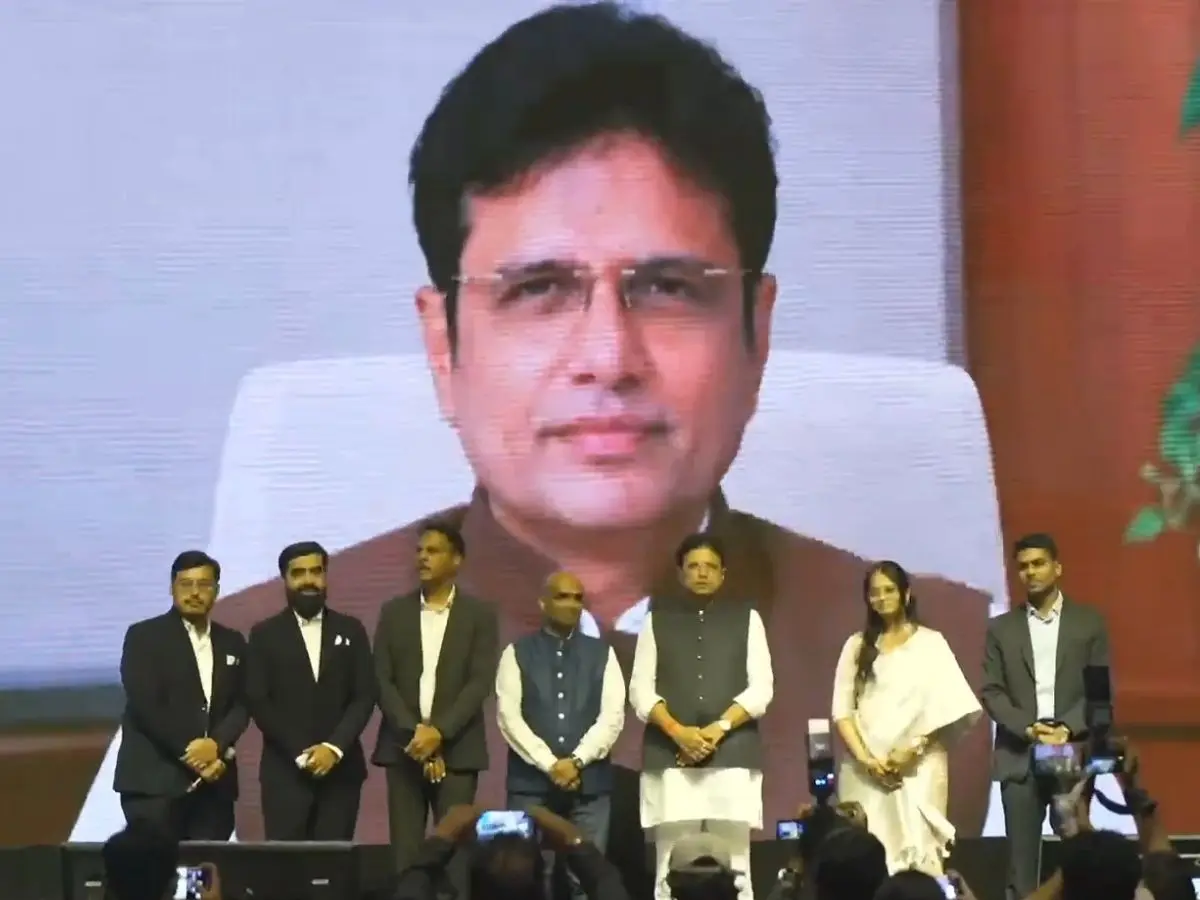
Telangana unveils AI avatar of IT minister D Sridhar Babu at Hyderabad DevFest 2026
&imwidth=180&imheight=135&format=webp&quality=medium)
'Killing people never allowed': Elon Musk admits restricting Starlink in Ukraine, explains why
&imwidth=180&imheight=135&format=webp&quality=medium)
Shooting near Florida A&M University’s Bragg Stadium; ‘shelter in place’ alert issued
Foreign Secretary Vikram Misri on Tuesday (May 20) briefed the members of the three delegations at the Parliament House in New Delhi.
Why these 33 countries?
The selection of the 33 nations was not random. It reflected a calculated balance of geopolitics, strategic partnerships, economic relevance, and influence within key multilateral institutions.
These countries fall into several categories: traditional allies, influential members of global blocs like
the G20, G7, and the UN Security Council.
Among the key nations are the United States, Russia, France, Germany, the United Kingdom, Japan, and Australia — all crucial in international security and long-time partners of India. Visits also extended to countries in West Asia, Southeast Asia, Africa, and Latin America, showcasing India's intent to build a truly global anti-terror consensus.
The Gulf states, such as the UAE, Saudi Arabia, and Qatar, were of particular interest and their growing strategic ties with India. Outreach to these nations helps underline that Operation Sindoor was a response to terror, not a religiously charged act. Similarly, outreach to African countries like Nigeria and Kenya highlighted India’s interest in expanding its diplomatic footprint in the Global South, where India's voice is gaining resonance.
What made this diplomatic mission even more unique was its bipartisan and multi-party nature. Leaders from the BJP as well as the Congress and other parties are part of the delegations. This all-party approach ensured that the message carried wasn't partisan but national — a unified front by India against terror.
Additionally, India’s envoys were tasked with explaining not just the military but also the humanitarian and legal reasoning behind Operation Sindoor. India made it clear that its action was pre-emptive and targeted, aimed solely at neutralising terrorist infrastructure.
The timing of the diplomatic offensive is also significant. As global powers grapple with evolving terror threats and instability in various regions, India's narrative resonates strongly. There is growing fatigue in the international community regarding tolerance for states that harbor or support terror networks. India is leveraging this sentiment, pushing for global accountability and cooperation.
Moreover, India’s growing stature — as a major economy, a technology power, and a responsible democracy — adds weight to its voice on the international stage. Operation Sindoor, followed by this extensive diplomatic push, signals India’s readiness to lead on global security matters.

