Modi govt 12 years: How India's infrastructure changed under his watch

&imwidth=600&imheight=450&format=webp&quality=medium "Modi govt 12 years: How India's infrastructure changed under his watch")
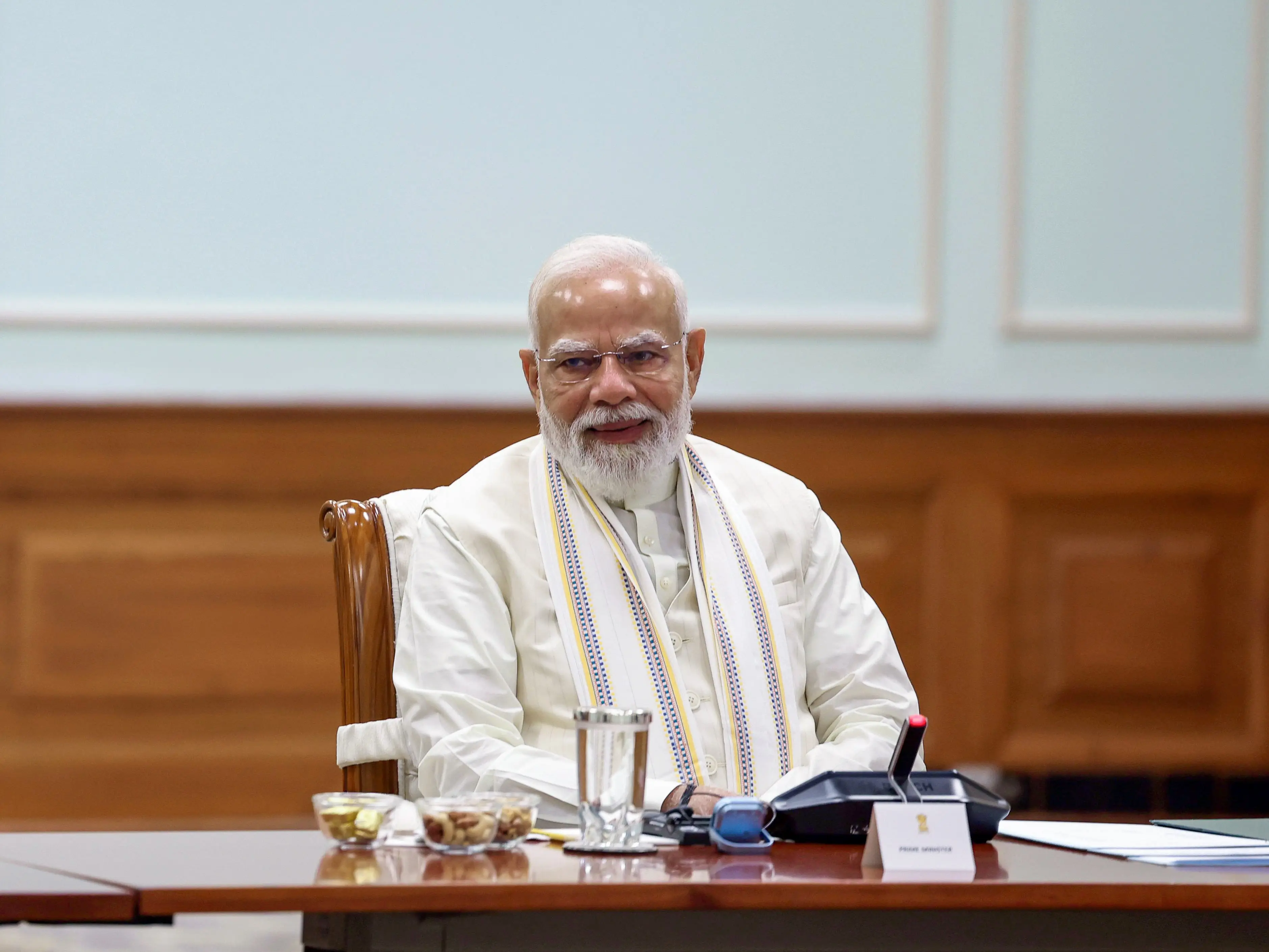
Prime Minister Narendra Modi chairs a meeting with members of the PM-Economic Advisory Council, in New Delhi on Saturday (Jun 6). Photograph: (ANI)
Narendra Modi has entered the record books as India's longest continuously serving Prime Minister, surpassing Jawaharlal Nehru's uninterrupted tenure. Take a look at the major infrastructure and development projects undertaken by his government since 2014.
Prime Minister Narendra Modi on Wednesday (Jun 10) became India's longest continuously serving Prime Minister, crossing 4,399 consecutive days in office and surpassing Jawaharlal Nehru's record for uninterrupted tenure after the first general election. Marking the milestone, Modi said that public service remains the ultimate test of good governance. Sharing a Sanskrit verse on X, the Prime Minister said humility, dedication and a commitment to public welfare are essential for earning people's trust.
"Sadanuraktprakritih prajapalantatparh. Vineetatma hi Nripatirbhuyasi Shriyamashnute (Who is always devoted to the care of the people. A king who is humble attains greater prosperity)," the post read.
How India's infrastructure changed under Modi
According to government data, India's road network has expanded to nearly 64 lakh kilometres, making it the world's second-largest. The national highway network has grown from 91,287 kilometres in 2014 to 1,46,572 kilometres in 2026, while high-speed corridors have increased from just 93 kilometres to 3,644 kilometres.
Urban transportation has also undergone significant changes. India's metro rail network now spans 1,155 kilometres, making it the third-largest in the world after China and the United States. Several cities that previously relied entirely on road transport now have operational metro systems.
Trending Stories
)
)
)
)
)
)
)
)
)
&im=FitAndFill=(700,400))
)
)
&im=FitAndFill=(700,400))
)
&im=FitAndFill=(700,400))
)
)
)
)
)
&im=FitAndFill=(700,400))
)
)
)
)
)
)
)
)
)
)
)
)
)
)
)
)
Railways have been another major focus area. The government says 99.6 per cent of the broad-gauge network has been electrified, placing India among the world's most electrified railway systems. Premium train services such as Vande Bharat, Namo Bharat and Tejas have expanded across the country, while more than 36,000 kilometres of new railway tracks have been laid since 2014.
India's ambitious engineering projects
Some of the country's most ambitious engineering projects have also taken shape during this period. As per GOI data, these include the Chenab Railway Bridge in Jammu and Kashmir, the world's highest railway arch bridge at 359 metres, and the Anji Khad Bridge, India's first cable-stayed railway bridge.
The government's infrastructure push has been backed by a sharp rise in public spending. Annual infrastructure expenditure has increased from around ₹2 lakh crore in 2014-15 to ₹12.2 lakh crore allocated for 2026-27, according to official figures.
India's high-speed bullet train project
India's first bullet train project between Mumbai and Ahmedabad is also under construction, while the number of operational airports has more than doubled from 74 in 2014 to 164 today. The government says more than 1,900 large infrastructure projects are currently underway across sectors ranging from transport and logistics to ports and energy.