
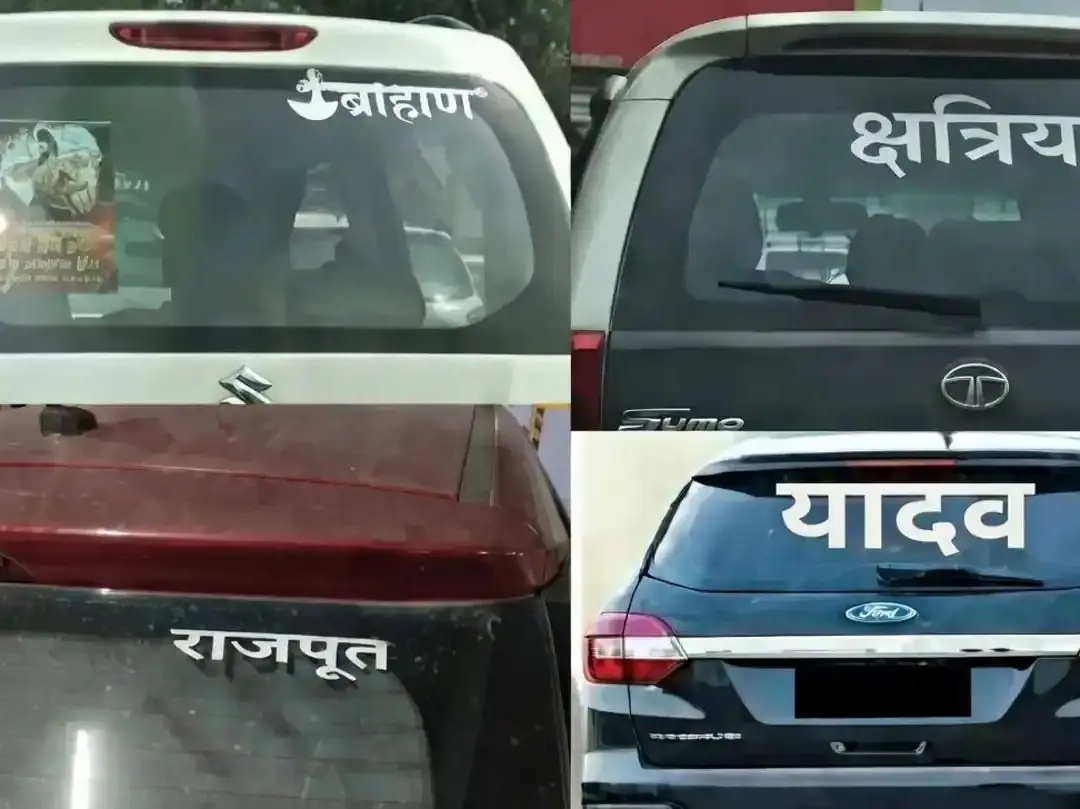
&imwidth=800&imheight=600&format=webp&quality=medium "'Yadav', 'Brahmin', 'Rajput'? Bihar launches crackdown on vehicle stickers. THIS will be the punishment if not removed before June")
The Bihar Transport Department has issued a strict directive asking vehicle owners across the state to remove caste-related words, stickers and slogans from their vehicles within one month, warning that violators could face penalties of up to ₹2,000 under the Motor Vehicles Act, 1988.
The move targets the widespread practice of displaying caste identities such as “Yadav”, “Rajput”, “Brahmin” and other community references on cars, bikes and commercial vehicles. Officials said the first week of June has been fixed as the deadline for voluntary compliance, after which traffic police and transport authorities will begin an extensive enforcement drive across Bihar.
According to the department, violators may face fines of ₹500 under Section 177 of the Motor Vehicles Act and penalties of up to ₹2,000 under Section 179 for non-compliance with official directives. District Transport Officers across the state have been instructed to oversee implementation in their respective districts.

The State Transport Commissioner has directed all DTOs to ensure the order is strictly enforced, with traffic personnel expected to conduct intensified vehicle inspections after the grace period ends.
How the crackdown will be implemented
Trending Stories
&im=FitAndFill=(700,400))
How fast can the Sukhoi Su-30 fighter jet really fly?
)
Did China ask its people 'not to respond to aliens'? Origin of bizarre claim on social media
)
MS Dhoni-CSK Fallout? Report claims failed stake sale talks triggered rift
)
Scientists reveal the SAFEST COUNTRY when catastrophe strikes the planet
)
Serial killer on the loose in South Korea's Jeju Island? Fourth body found in three days as more than a dozen people go missing
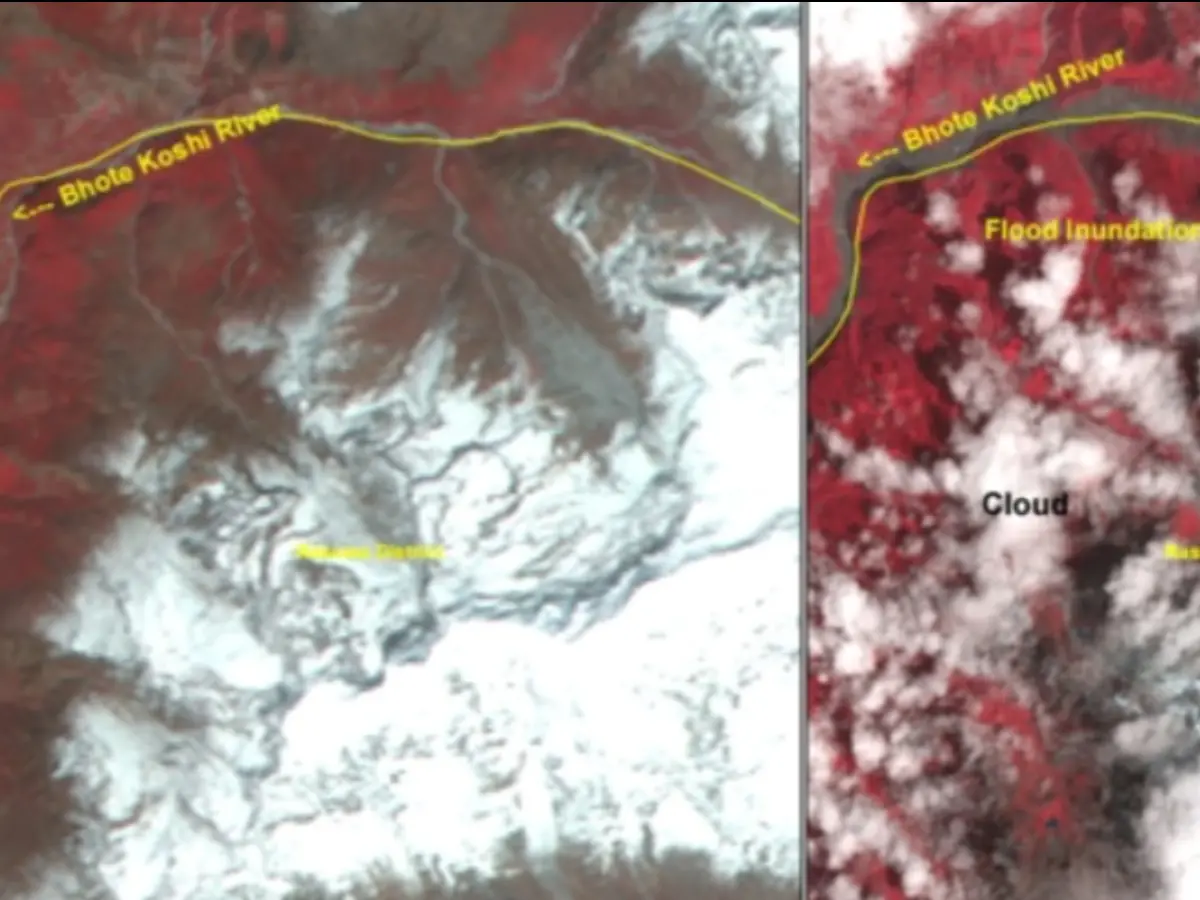)
2/3rd of glacier detached, collapsed: ISRO satellite images reveal what triggered Nepal floods
)
Trump once again claims without him there would be ‘no Israel right now’
)
Foreign espionage attacks against German companies surge to 37%, Bitkom report reveals
)
Blake Lively wins partial legal fee from Justin Baldoni after $8M request
)
Why is Pakistan deploying Turkish Bayraktar TB2 drones near India border?
)
'OH MY GOD! We've found other agents!': Investigators discover not one or two, almost 700 OpenAI AI agents went rogue, hacked Hugging Face
)
Lunar eclipse 2026: India timings, places to see and more. August Blood moon factsheet
)
RSS chief Mohan Bhagwat on global outreach tour
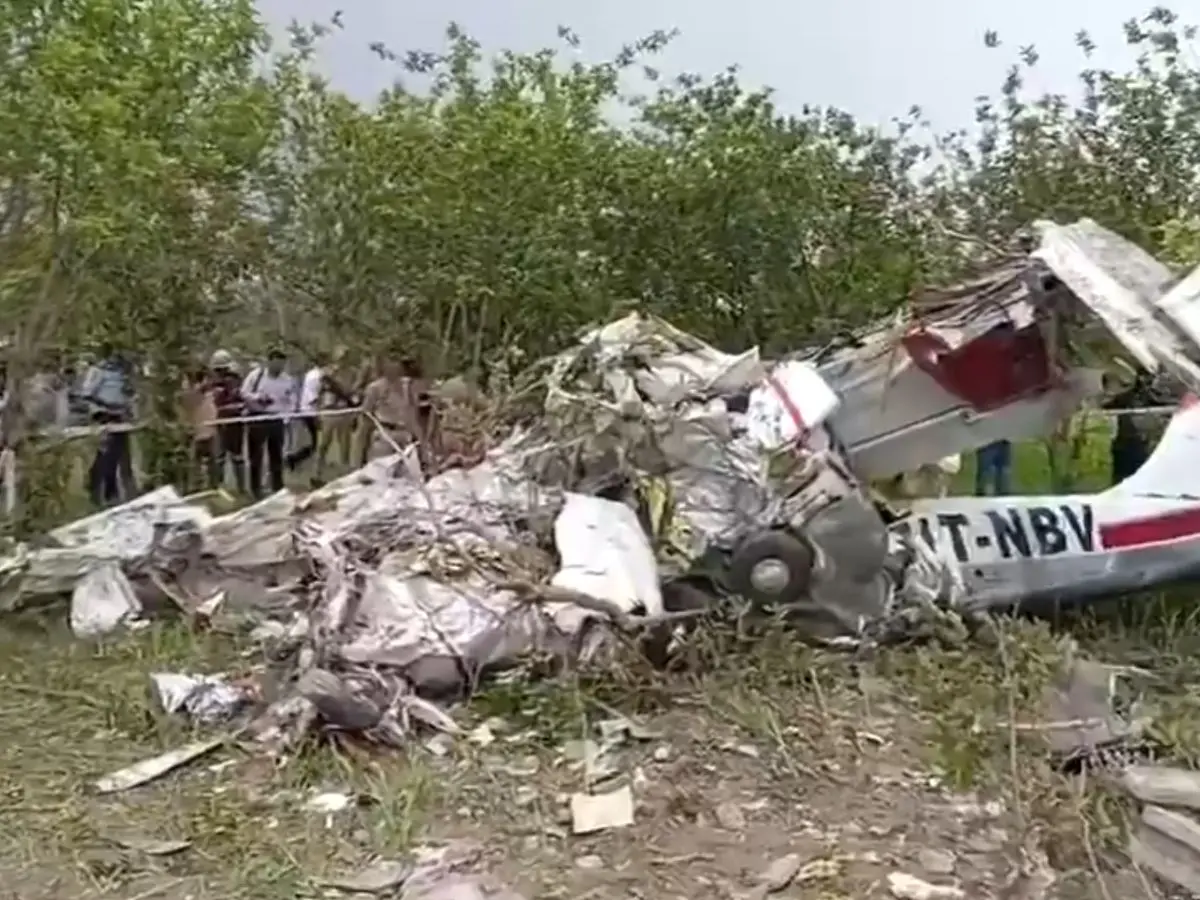)
Both pilots killed as training aircraft crashes in Lucknow – What we know
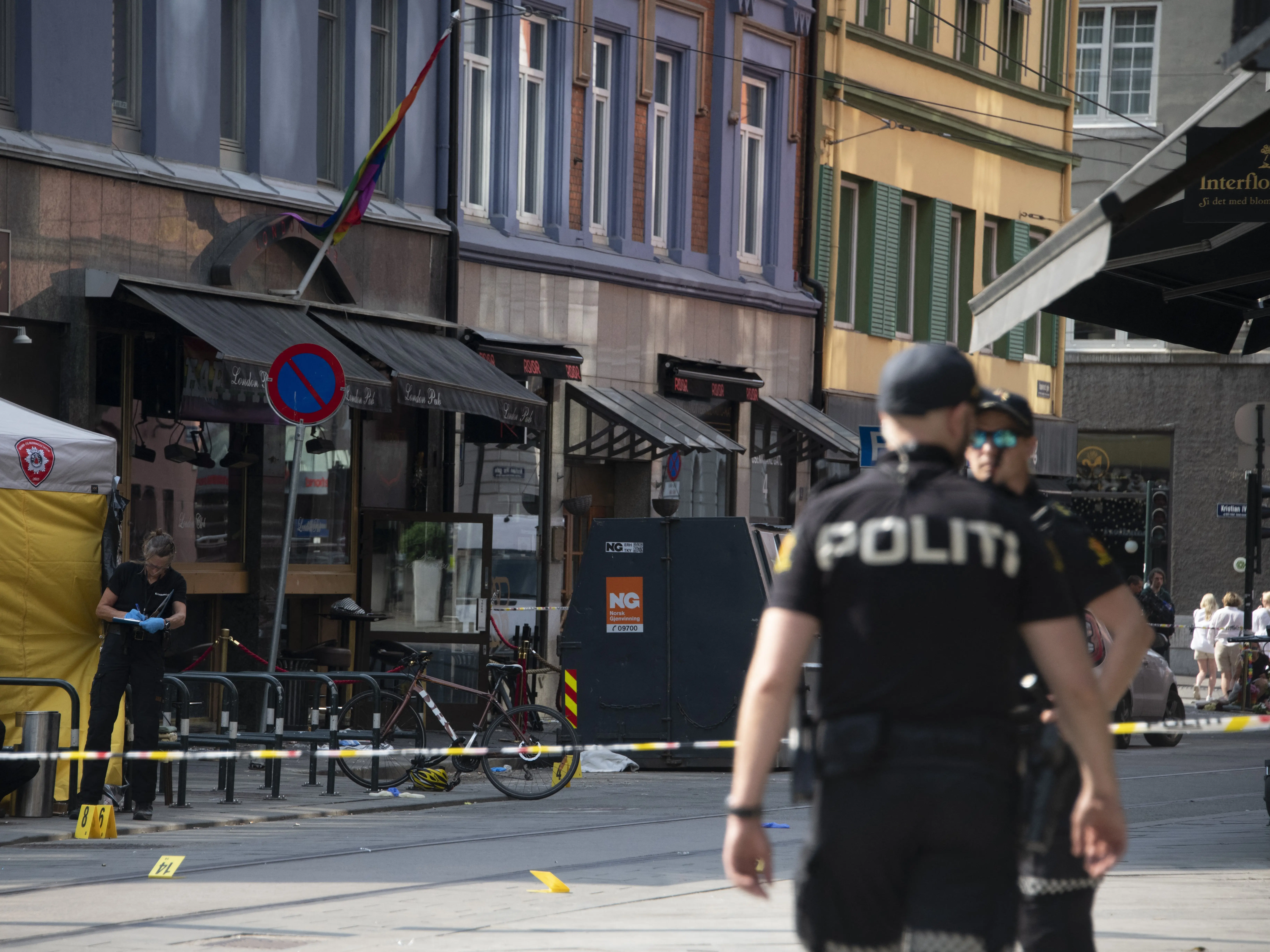)
16-year-old charged with preparing terror attack on kindergarten in Norway
&im=FitAndFill=(700,400))
How the S-400 protects itself from enemy attacks
)
Nepal floods: Over 165 dead, 400 missing; US, India, China, World Bank mobilise aid
)
India's multi-layered watch: The new surveillance war
)
5 doomsday planes spotted in US skies hours after CIA director's secret trip to Russia
)
9/11 mastermind Khalid Sheikh Mohammed to finally face trial in 2028, nearly 27 years after horrific attacks
)
Islamabad hospital fire: What we know about one of the biggest facility that housed Imran Khan
)
Workers run for life while filming Nepal flash flood: Scary new visuals emerge from Rasuwa
)
Russian military planes enter South Korean air defence zone amid rising tensions with North Korea: What's happening
)
Ron Weasley Is Back! Rupert Grint set to return to Harry Potter universe on Broadway
)
400-year-old 'vampire' grave in Poland reveals non-existent genetic lineage
)
Dolly Parton, global icon and queen of country music, dies at 80
)
Nepal flash floods: Kailash Mansarovar yatra affected, close to 400 pilgrims out of contact
)
'If he is dead, they're putting on a pretty good show': Trump casts fresh doubt over Mojtaba Khamenei's fate
)
Man arrested near US Capitol with guillotine in pickup truck: What happened?
&im=FitAndFill=(700,400))
Why the Su-30MKI cockpit is painted bright turquoise green
Officials said the campaign will rely on both on-ground checks and new digital surveillance infrastructure being rolled out across Bihar. The state government is simultaneously expanding its Intelligent Traffic Management System, or ITMS, with AI-powered cameras to be installed at 500 to 700 major intersections and accident-prone stretches in cities including Patna, Gaya, Bhagalpur, Muzaffarpur and Darbhanga.
The cameras will use real-time analytics to detect traffic violations such as speeding, red-light jumping, wrong-side driving and helmet violations. Authorities said the same integrated monitoring network could also aid in identifying vehicles displaying prohibited caste-based inscriptions during automated scans and enforcement checks.
More than 1,000 cameras are expected to be installed in the first phase of the project and linked to a centralised state command centre. The system will generate automated e-challans for violations, reducing dependence on manual policing.
What is the government’s motive?
Also read: Iran will ‘never bow to the enemy’, says Pezeshkian as Tehran pushes recovery efforts after conflict
The Bihar government has framed the order as part of a broader attempt to discourage caste assertion in public spaces and promote social harmony on roads. While caste identity remains deeply embedded in Bihar’s social and political fabric, officials argue that such displays often project dominance, social hierarchy and intimidation. Similar crackdowns have previously been carried out in Uttar Pradesh, Noida, Ghaziabad and Gurugram, where authorities described caste stickers as violations of traffic norms and public order.
Political observers say Bihar’s decision reflects an attempt to project administrative neutrality in a state where caste continues to dominate electoral calculations and social identity.
How did the internet react?
The decision sparked sharp reactions on X and other social platforms, with many users welcoming the crackdown while others questioned whether it amounted to excessive state surveillance. One Reddit user reacting to the Bihar order wrote, “Sometimes I don't understand what they get by flexing their castes and that too in foreign countries,” while another commented, “That’s actually good. Now please also use these same cameras to find potholes and fix them.”

