&imwidth=800&imheight=600&format=webp&quality=medium "Why are civilians strictly banned from stepping foot on this Andaman island?")
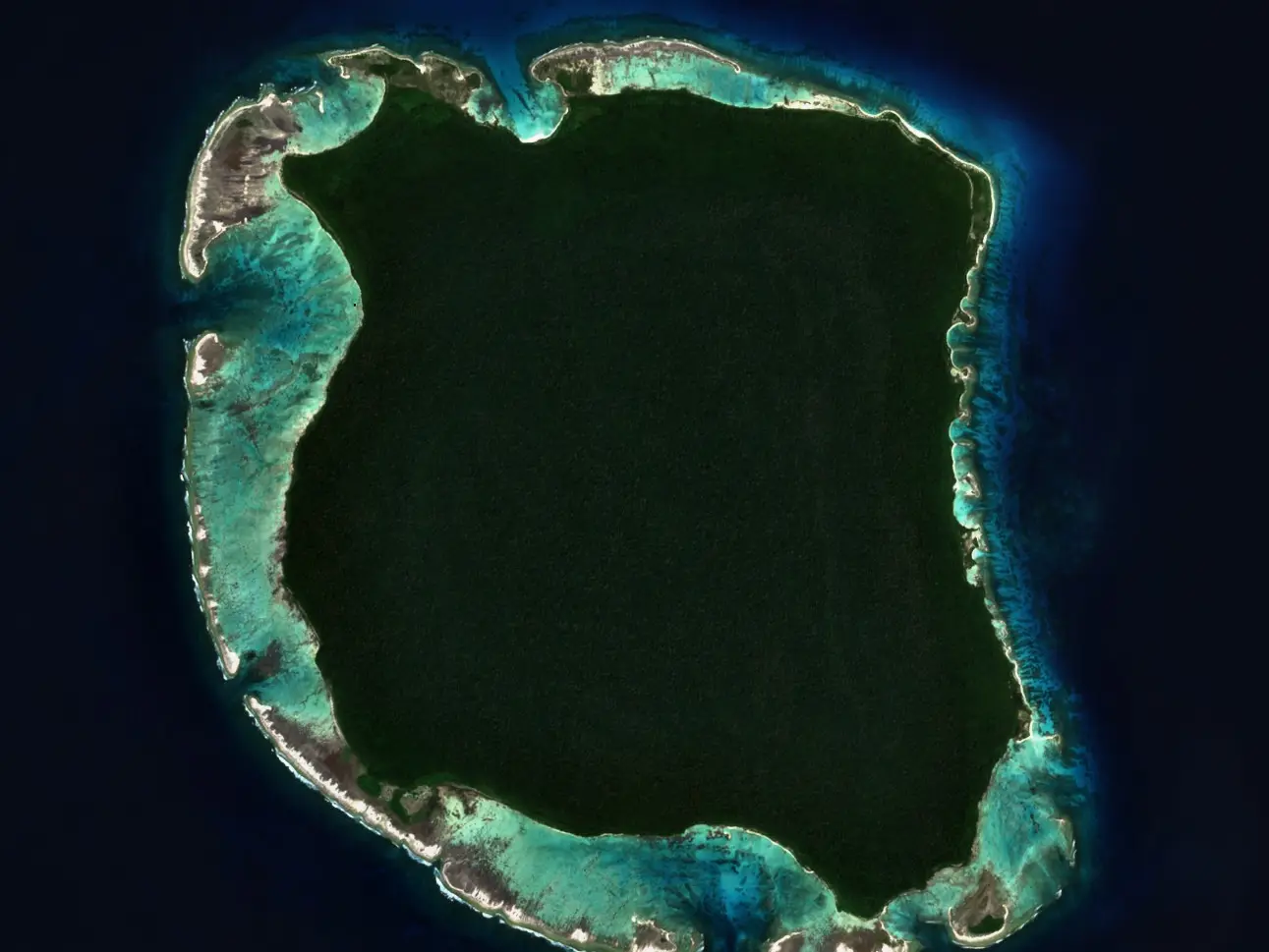
Located deep in the Bay of Bengal, North Sentinel Island appears as a pristine tropical paradise. However, it remains one of the most forbidden places on the planet. The Indian government has enforced a strict legal ban prohibiting any civilian, tourist, or researcher from stepping foot on its shores or even approaching the island by boat. The reasons for this extreme isolation involve both legal protection and physical danger.
A fierce resistance to contact
North Sentinel Island is home to the Sentinelese, an indigenous, hunter-gatherer tribe that has lived in voluntary isolation for thousands of years. They are widely considered the most isolated uncontacted tribe on Earth. Over the decades, the Sentinelese have made it abundantly clear that they reject all outside contact. Intruders are routinely met with lethal force. Individuals attempting to breach their shores, including two fishermen who drifted too close in 2006 and an American missionary in 2018, have been killed by arrows and spears. To protect both the islanders and outsiders, the government maintains a strict no-contact policy.

The threat of foreign diseases
While the physical danger to visitors is significant, the ban is primarily designed to protect the Sentinelese people. Because the tribe has remained completely disconnected from the rest of the world, their immune systems have never been exposed to common modern illnesses. A seemingly harmless viral infection, such as the flu, measles, or a common cold, could trigger a devastating epidemic. History shows that similar contact with other indigenous groups in the Andaman archipelago led to catastrophic population declines due to introduced diseases. Maintaining absolute isolation is the only way to ensure the tribe's survival.
The 1956 protection regulation
Trending Stories
)
The Royals enter the Doctor Who universe: King Charles and Queen Camilla beam into Commonwealth Games in TARDIS
)
'We were sent flying...': Minab school teacher reacts after Trump claimed Iranian school photos could be AI-generated
)
India avoids higher US tariff, secures lower 10% rate. Here's how
)
Hidden in British archives: Scientists decode 200-year-old Indian scroll that helped sailors cross one of the world's toughest seas
)
He predicted COVID-19 and 2008 economic crisis, was labeled fearmonger. Now he has another dire warning
)
Who is Abhijeet Dipke? Founder of Cockroach Janta Party leading NEET protests that triggered Dharmendra Pradhan’s resignation
)
'House raided, father picked up': UP man Mohd Junaid alleges crackdown after CJP protest; Police deny claims
)
Russia-Ukraine war: Ukraine's armed forces strike Russian warship in Caspian Sea
)
Marvel's SDCC panel unveils New Avengers: Doomsday footage, Ryan Gosling's Ghost Rider and more
)
Houthis strike Saudi oil facilities, shoot down drone in escalating tensions: VIDEO
)
ChatGPT invoked God, told pastor not to worry about his symptoms. Then pulmonary embolism hit
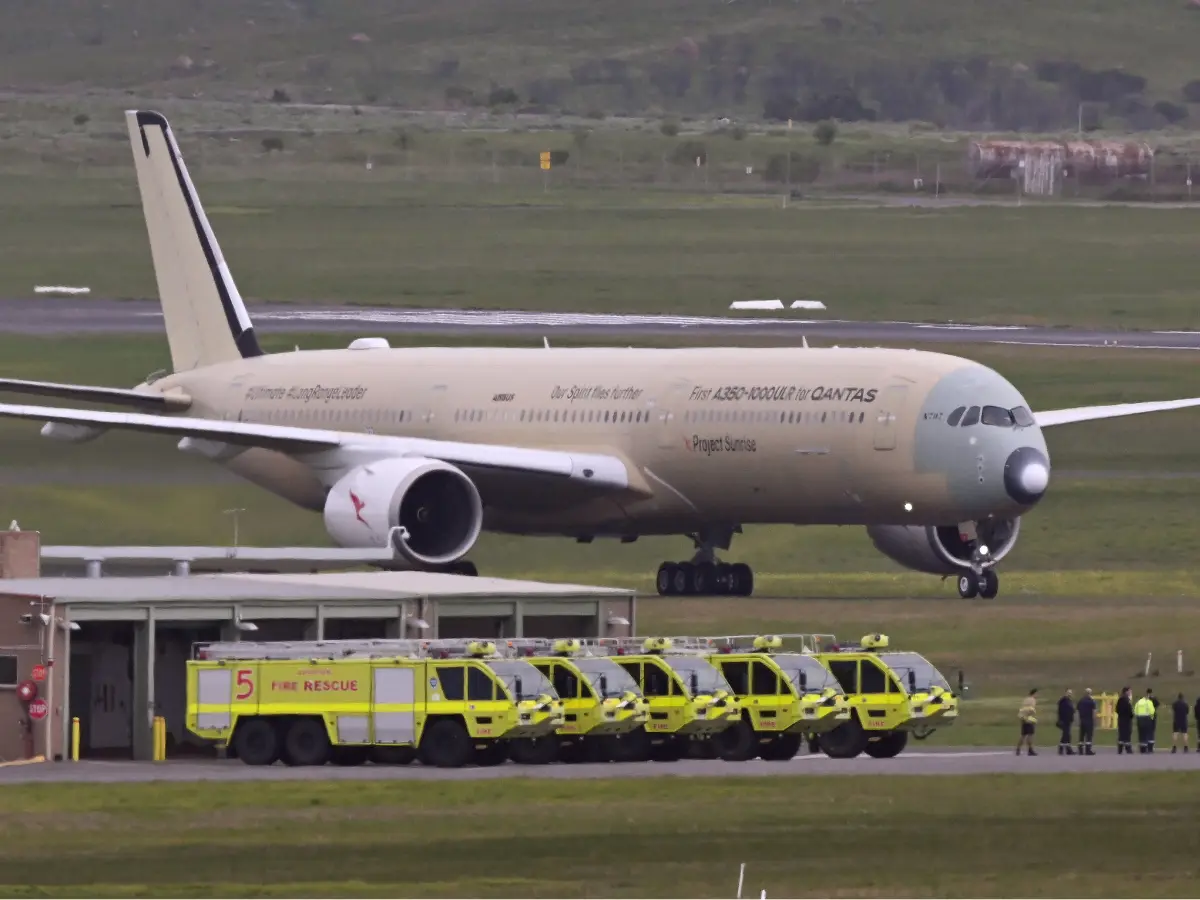)
Why more than 75,000 people watched a record Qantas flight on Flightradar24 Friday?
)
Ranbir Kapoor's Ramayana trailer leaks online again; fans urge for official release
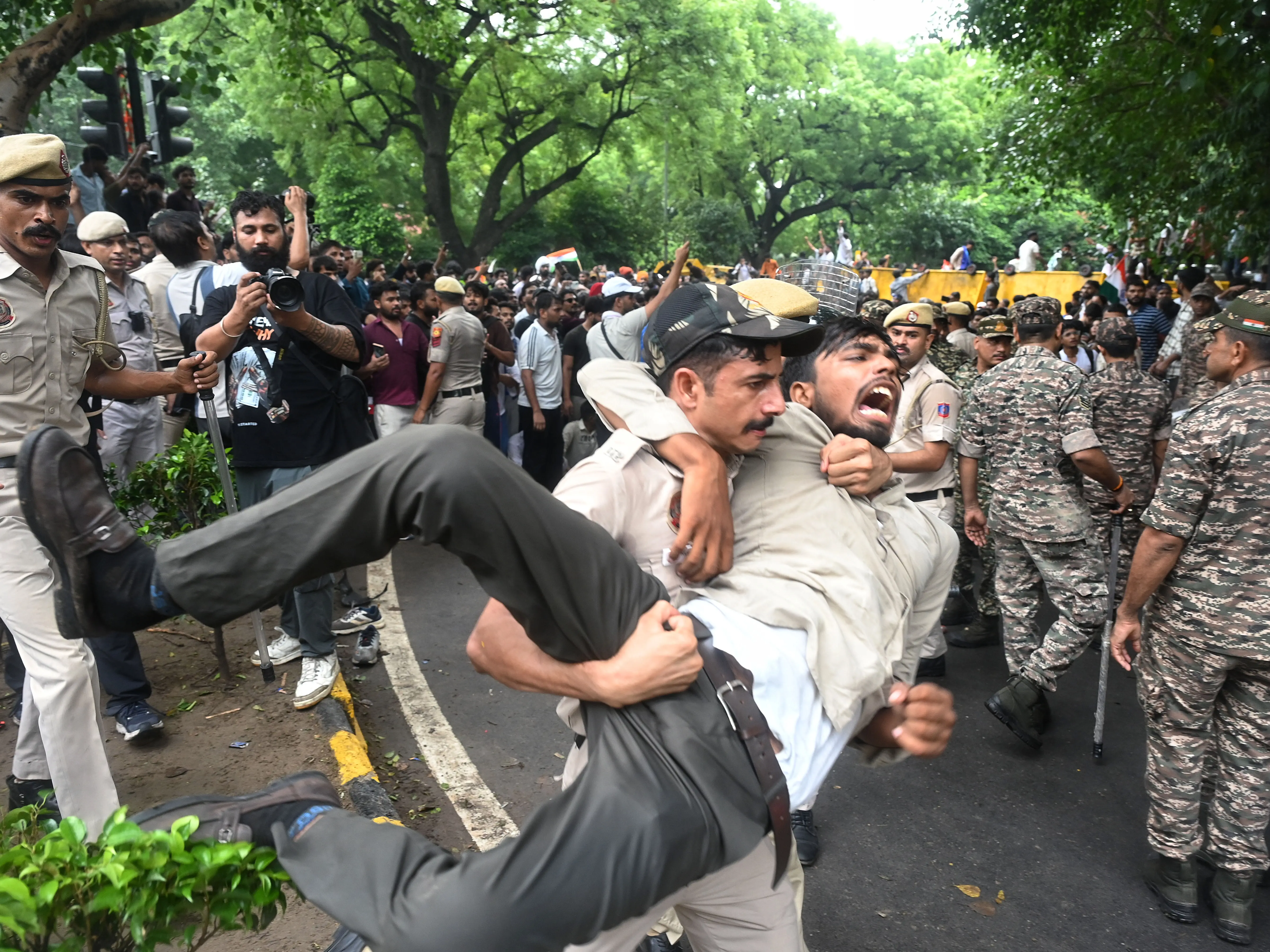)
NEET Protests riddled with misinformation? Delhi Police blocks 480 Pakistan-based handles spreading 'fake news' since Operation Sindoor
)
Comic-Con 2026: Ryan Gosling joins Marvel as Ghost Rider
)
'Proud moment for every Indian': What was PM Modi's first social media post after Dharmendra Pradhan's resignation
&im=FitAndFill=(700,400))
Meet top 5 Indian batters with most T20I runs in a calendar year
)
Commonwealth Games 2026 Day 4: India's full schedule, medal events and match timings
)
Reacher star Alan Ritchson slams US President Donald Trump over Epstein files; White House fires back
)
Trump says Iranian school bombing photos could be AI-generated - 'I don’t think...'
&im=FitAndFill=(700,400))
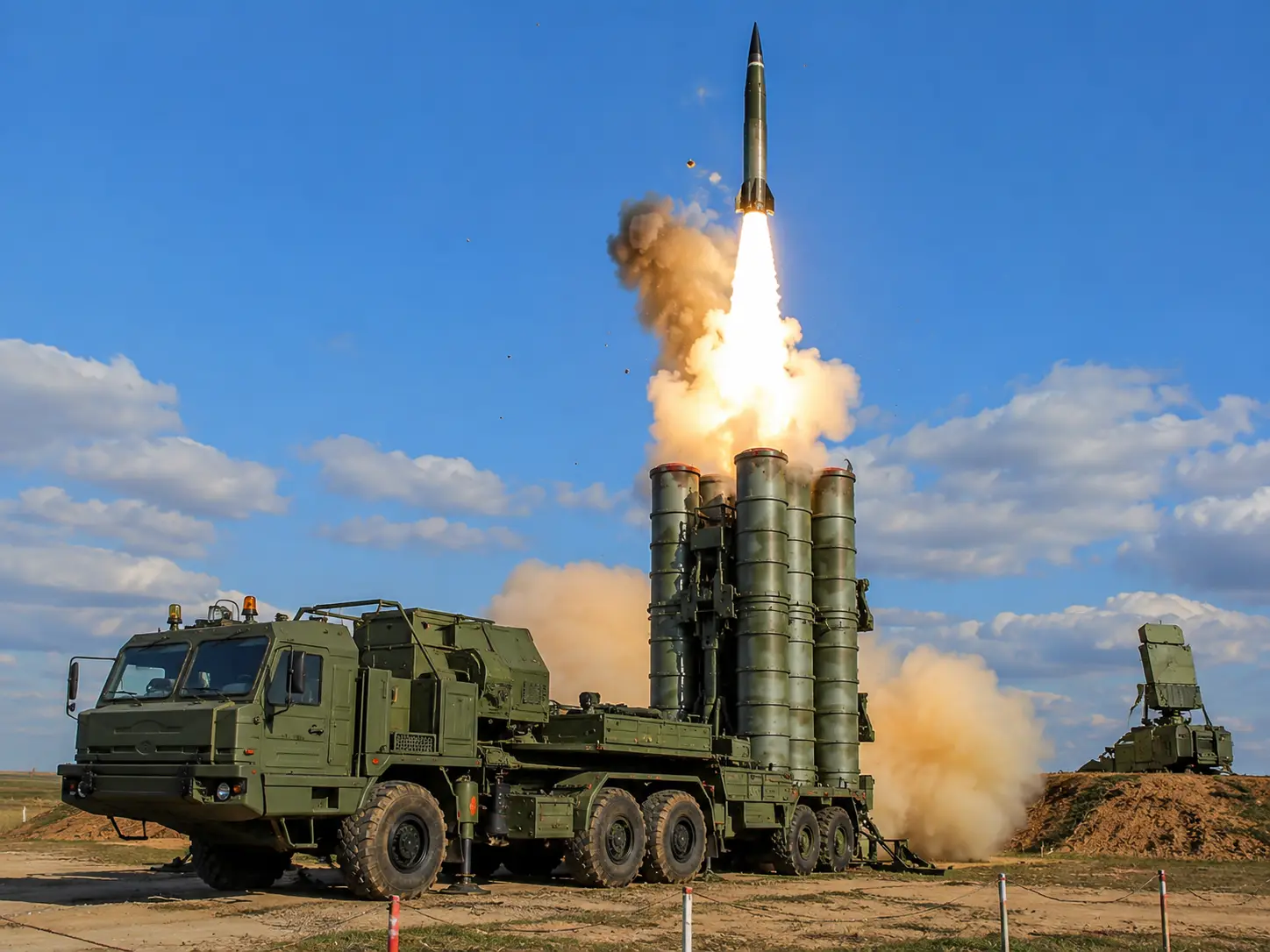
Why the S-400 fires its missiles straight up into the air
)
Google ends Play Services Support, likely to stop these Android phones from downloading apps & games
)
Another education minister resigned amid corruption row before Dharmendra Pradhan — but not in India
)
US says Turkey still barred from F-35 program until it gives up Russian S-400 system: Report
)
Van rams into crowd at Berlin Pride event, one dead; suspect 'linked to Islamist circles'
&im=FitAndFill=(700,400))
David Jonsson is the new Black Panther: Before his Marvel debut, revisit his best movies and TV shows on OTT
&im=FitAndFill=(700,400))
Why US fighter jets use seamless bubble canopies compared to Russian jets
)
Iran War Expands Beyond Red Sea? Tehran Warns Ukraine After Vessel Strike in Caspian Sea
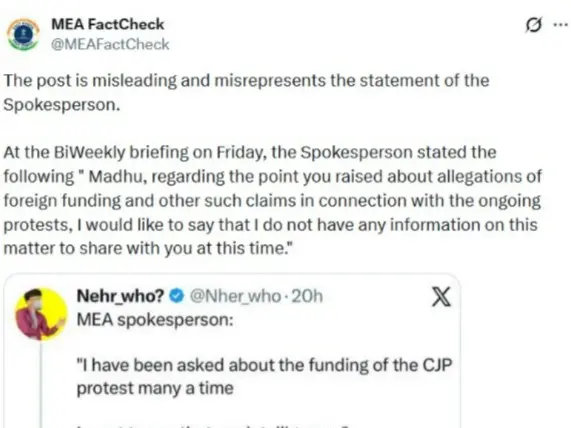)
India's foreign ministry debunks viral claim made during last week's protests
The legal framework securing this isolation is the Andaman and Nicobar Islands Protection of Aboriginal Tribes Regulation of 1956. This law officially designates North Sentinel Island as a tribal reserve. It legally prohibits any outsider from travelling within five kilometres of the island. To enforce this strict perimeter, the Indian Navy and Coast Guard conduct constant patrols in the surrounding waters. Any attempt to sneak past these maritime borders is considered a severe criminal offence under Indian law.
While modern travel allows access to nearly every corner of the globe, North Sentinel Island remains a deliberate exception. The strict ban serves as a vital protective measure, ensuring that the Sentinelese can continue their traditional way of life undisturbed by the modern world.