Could your period pain be endometriosis? Experts explain the warning signs

&imwidth=600&imheight=450&format=webp&quality=medium "Could your period pain be endometriosis? Experts explain the warning signs")
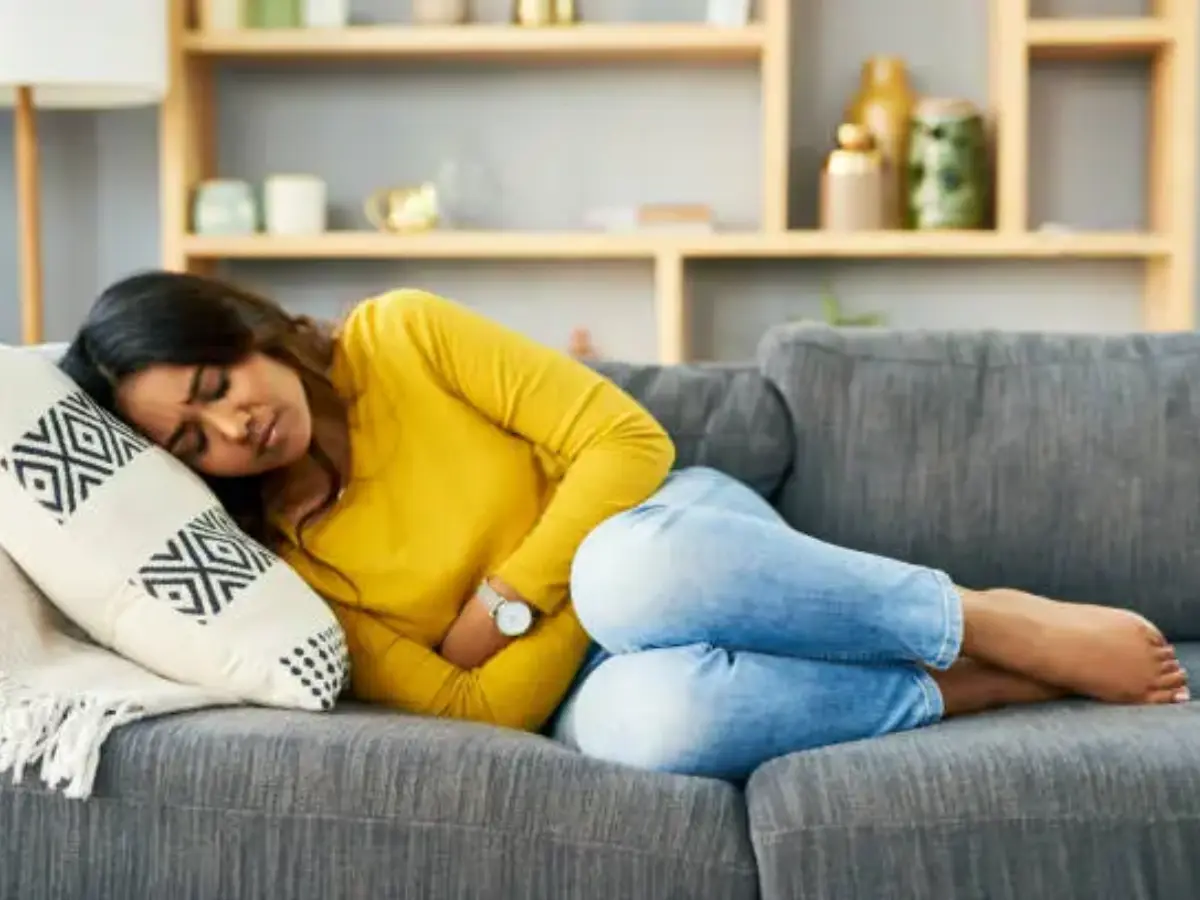
Endometriosis Photograph: (Unsplash)
Endometriosis is a very common chronic condition that has affected millions of women worldwide. But it is still widely misunderstood and often goes undiagnosed for years. Here's what experts say.
Women are often told that painful periods is something that they simply have to live with. From missing school as a teenager to taking sick leave from work as an adult, spending days in bed every month is often brushed aside as part of being a woman. But severe period pain is not always normal. Sometimes it could be a sign of something more serious, such as endometriosis.
This chronic condition has reportedly affected millions of women worldwide, but it is still widely misunderstood and often goes undiagnosed for years. Endometriosis is not just limited to causing chronic pain but can also affect fertility. To understand the condition better, WION reached out to experts, who explained its symptoms, impact and why early diagnosis is important.
What is endometriosis?
Endometriosis is a chronic gynaecological condition in which tissue similar to the lining of the uterus grows outside the uterus. According to Dr. Nirmala Chandrashekar, Consultant, Obstetrics & Gynaecology, Fortis Hospital, Nagarbhavi, Bengaluru, these tissue growths are commonly found on the ovaries, fallopian tubes and pelvic lining, and in some cases, even the bowel or bladder.
Like the lining inside the uterus, these tissues respond to hormonal changes during the menstrual cycle. But because they are outside the uterus, they may cause recurrent bleeding, inflammation, scarring and adhesions.
Trending Stories
&imwidth=280&imheight=210&format=webp&quality=medium)
&imwidth=280&imheight=210&format=webp&quality=medium)
&imwidth=280&imheight=210&format=webp&quality=medium)
&imwidth=280&imheight=210&format=webp&quality=medium)
&imwidth=280&imheight=210&format=webp&quality=medium)
&imwidth=280&imheight=210&format=webp&quality=medium)
&imwidth=280&imheight=210&format=webp&quality=medium)
&imwidth=280&imheight=210&format=webp&quality=medium)
&imwidth=280&imheight=210&format=webp&quality=medium)
&im=FitAndFill=(700,400)&imwidth=280&imheight=210&format=webp&quality=medium)
&imwidth=280&imheight=210&format=webp&quality=medium)
&imwidth=280&imheight=210&format=webp&quality=medium)
&imwidth=280&imheight=210&format=webp&quality=medium)
&imwidth=280&imheight=210&format=webp&quality=medium)
&imwidth=280&imheight=210&format=webp&quality=medium)
&imwidth=280&imheight=210&format=webp&quality=medium)
&imwidth=280&imheight=210&format=webp&quality=medium)
&imwidth=280&imheight=210&format=webp&quality=medium)
&imwidth=280&imheight=210&format=webp&quality=medium)
&imwidth=280&imheight=210&format=webp&quality=medium)
&imwidth=280&imheight=210&format=webp&quality=medium)
&imwidth=280&imheight=210&format=webp&quality=medium)
&imwidth=280&imheight=210&format=webp&quality=medium)
&imwidth=280&imheight=210&format=webp&quality=medium)
&imwidth=280&imheight=210&format=webp&quality=medium)
&imwidth=280&imheight=210&format=webp&quality=medium)
&imwidth=280&imheight=210&format=webp&quality=medium)
&imwidth=280&imheight=210&format=webp&quality=medium)
&imwidth=280&imheight=210&format=webp&quality=medium)
The exact cause of endometriosis is still not fully understood. Experts believe it may develop due to a combination of factors such as retrograde menstruation, genetic predisposition, immune system dysfunction and hormonal influences. If left untreated, the disease can gradually progress and have a major impact on a woman's quality of life.
Myths about endometriosis
One of the reasons endometriosis is often overlooked is because many women grow up believing painful periods are simply part of life.
Dr. Ghoniya Disha Rameshbhai, Consultant Obs and Gynae, Kailash Hospital, Greater Noida, A Unit of Kailash Healthcare, says, "One of the biggest myths is that really severe period pain is 'normal', and that it's just something women have to silently tolerate.
Another misconception is that endometriosis only messes with fertility or is mostly seen in older women. But actually it can impact women across reproductive ages, with chronic discomfort, digestive issues, fatigue, and a noticeable drop in daily life quality."
Why does diagnosis often take so long?
Many women spend years searching for answers before they are diagnosed.
According to Dr. Disha, "Diagnosis is often pushed back, because symptoms can look like common menstrual discomfort, irritable bowel syndrome, or even urinary problems. A lot of women end up downplaying the pain, or being told it's just menstruation doing what it does. On top of that, limited awareness and a social sort of stigma around talking about periods, plus the need for specialist evaluation, all of this adds up and delays getting the right diagnosis."
Can teenagers develop endometriosis?
A common misconception is that endometriosis only affects adult women.
Dr. Disha explains, "Yes, teenagers can develop endometriosis, and the symptoms might start fairly soon after menstruation begins. Persistent pelvic pain, periods that are painful enough to mess up school or everyday routines, and pain that doesn't respond to usual medication should be taken seriously. Early recognition and a timely intervention can really help with long term health outcomes."
How can endometriosis affect fertility?
Endometriosis is one of the leading causes of infertility, affecting around 30-50% of women who struggle to conceive.
The condition can lead to chronic inflammation, scarring and adhesions, which change the normal structure of the pelvis, says Dr Chandrashekar. This can have an impact on the ovaries, fallopian tubes, and the movement and fertilisation of eggs.
It can also make the uterus less favourable for embryo implantation.
In severe cases, endometriosis may progress to a condition known as a "frozen pelvis," where the uterus, ovaries, fallopian tubes, bowel, bladder and other pelvic organs get tightly fused together due to widespread adhesions.
This can make natural conception difficult and also make surgery more complex.
However, she stresses that not every woman with endometriosis will face infertility. Many are able to conceive naturally, especially when the condition is identified and treated early. If pregnancy does not happen naturally, fertility treatments such as IVF may be considered depending on the woman's age and the severity of the disease.
Symptoms that should never be ignored
According to Dr. Chandrashekar, women should consult a gynaecologist if they experience:
- Severe menstrual cramps that interfere with daily activities
- Chronic pelvic pain
- Pain during or after sexual intercourse
- Painful bowel movements or urination during menstruation
- Excessively heavy menstrual bleeding
- Persistent lower back pain linked to periods
- Difficulty conceiving after trying for several months
Dr. Disha also advises, "Painful periods that keep interrupting your day, you shouldn't have to just handle it quietly. If the pain is intense, getting worse, or paired with heavy bleeding, bowel or bladder discomfort, or trouble conceiving, talk to a gynaecologist. Getting checked early can support faster diagnosis, more effective treatment, and an improved quality of life."
Can lifestyle changes help?
Dr. Chandrashekar suggests regular physical activity, maintaining a healthy weight, getting adequate sleep and managing stress, which may help reduce inflammation and improve overall well-being.
Some women may benefit from a balanced diet high in fruits, vegetables, whole grains, omega-3 fatty acids and foods high in antioxidants while limiting highly processed foods and excessive alcohol.
She also notes that pelvic floor physiotherapy, yoga and relaxation techniques may help reduce chronic pelvic pain in some patients. However, these measures should support medical treatment rather than replace professional care.

