Explained | Why Musk, Apple co-founder Wozniak, others seek six-month-pause to AI race

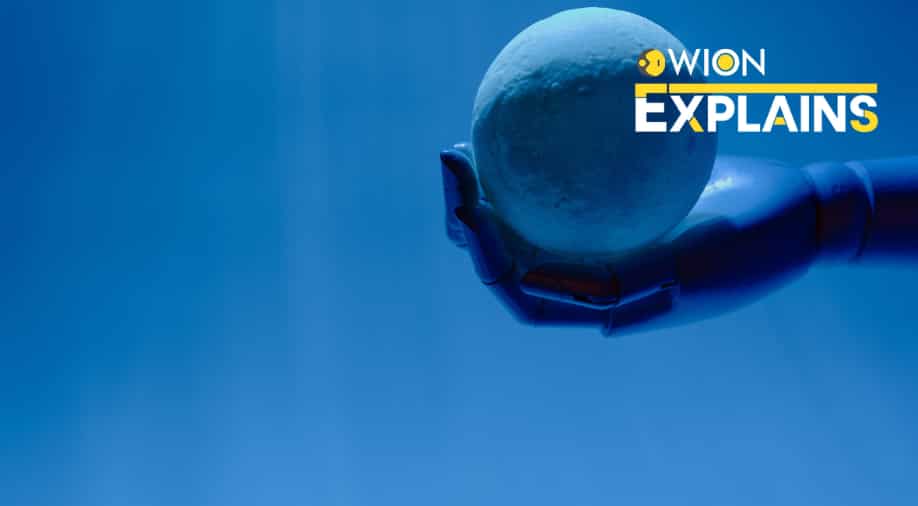
Some of the major technology companies are dedicating resources to breakthroughs in AI.
Artificial Intelligence (AI) is one of the hottest topics now, and perhaps this technology could one day outsmart human beings. Some of the major technology companies in the world including Amazon, Google, and Microsoft are dedicating resources to breakthroughs in AI. The meteoric rise of ChatGPT, developed by OpenAI and incorporated by Microsoft in its Bing search engine, opened the eyes of the world towards both the mind-boggling possibilities and pitfalls of AI. Now the question arises: are these companies moving too fast in rolling out AI? In an open letter on Wednesday (March 29), a group of prominent scientists and other tech industry notables, including Tesla and Twitterowner Elon Musk and Apple co-founder Steve Wozniak, are calling for a six-month pauseon training systems more powerful than OpenAI's newly launched model GPT-4to consider the risks.
The letter, which has been signed by more than 1,000 people, is a response to OpenAI’s recent release of GPT-4, a more advanced successor to its widely-used AI chatbot ChatGPT.
What does the letter say and why the pause?

The letter has warned that AI systems with “human-competitive intelligence can pose profound risks to society and humanity” — from flooding the internet with disinformation and automating away jobs, to more catastrophic future risks out of the realms of science fiction." The letter addedthat recent months have seen AI labs locked in an out-of-control race to develop and deploy ever more powerful digital minds that no one – not even their creators – can understand, predict, or reliably control.
The letter also said that powerful AI systems should be developed only once people are confident that their effects will be positive and their risks will be manageable.
ALSO READ |Explained | Artificial Intelligence and screening of breast cancer
&imwidth=180&imheight=135&format=webp&quality=medium)
'This is humiliation': Vijay Deverakonda under fire over controversial marriage proposal remark on Koffee With Karan 9
&imwidth=180&imheight=135&format=webp&quality=medium)
Shikhar Mohan earns maiden India A call-up, replaces KL Rahul
&imwidth=180&imheight=135&format=webp&quality=medium)
AI slop or smart strategy? South African author Coral Hart defends Her 370 AI- assisted books in 20 months
&imwidth=180&imheight=135&format=webp&quality=medium)
Two BrahMos missiles on Tejas, triple the range and 100% indigenisation, says former BrahMos CEO
&imwidth=180&imheight=135&format=webp&quality=medium)
India-China face-off continues near Arunachal’s Taksing, reveals ITBP chief in first official confirmation of tensions
&imwidth=180&imheight=135&format=webp&quality=medium)
Ilhan Omar breaks silence over alleged marriage to her brother; Trump thinks it's 'really good answer'
&imwidth=180&imheight=135&format=webp&quality=medium)
WATCH: Trump demands Ilhan Omar removal from Congress for 'using fake name to be sworn in'. So what is her real name?
&imwidth=180&imheight=135&format=webp&quality=medium)
Netanyahu dials PM Modi, invites him and Capt Smit Machchhar to light torch on Israel’s Independence Day
&imwidth=180&imheight=135&format=webp&quality=medium)
Pakistan airline PIA unveils new crew uniforms, faces online criticism
&imwidth=180&imheight=135&format=webp&quality=medium)
Christa Pike's failed execution: Tennessee team struggled to insert IV lines, lawyer says
&imwidth=180&imheight=135&format=webp&quality=medium)
Did Neha Bora call for Bangladesh-like GenZ protest, 'anarchy' in India? WION Fact-checks viral claim
&imwidth=180&imheight=135&format=webp&quality=medium)
US midterms 2026: US Supreme Court allows New Hampshire to restrict student IDs for voting
&imwidth=180&imheight=135&format=webp&quality=medium)
A secret code, a midnight escape and 300 deaths: The Russian officer who turned on Putin
&imwidth=180&imheight=135&format=webp&quality=medium)
India’s 2022 CWG silver medallist Sabbhineni Meghana announces international retirement
&imwidth=180&imheight=135&format=webp&quality=medium)
Trump ordered to answer questions under oath in BBC defamation lawsuit by December 11
&imwidth=180&imheight=135&format=webp&quality=medium)
Putin says Russia is ready to resume Ukraine-US peace talks but rejects 'short ceasefire' amid deadly attacks
&imwidth=180&imheight=135&format=webp&quality=medium)
Horrific video shows the moment 18-year-old fell to her death from Mexico amusement park ride
&imwidth=180&imheight=135&format=webp&quality=medium)
'It's a crime not to see this scene': Tehran puts Trump 'behind bars'
&imwidth=180&imheight=135&format=webp&quality=medium)
IND-W vs ZIM-W, 1st ODI: Rawal, Charani star in India’s nine-wicket win over Zimbabwe
&imwidth=180&imheight=135&format=webp&quality=medium)
Meghan Markle’s father Thomas under investigation over alleged child abuse images: Report
&imwidth=180&imheight=135&format=webp&quality=medium)
SA vs AUS 2nd Test: Temba Bavuma reveals 'Tendulkar inspiration' behind career-best 179
&imwidth=180&imheight=135&format=webp&quality=medium)
China's dancing robot turns violent bodyguard, lifts cars and fights intruders - Watch
&imwidth=180&imheight=135&format=webp&quality=medium)
Watch: India rejects ‘imprecise and unsupported’ references in UN migrant rights report
&imwidth=180&imheight=135&format=webp&quality=medium)
US to get 850 F-35 stealth fighter jets under 10-year Pentagon-Lockheed deal
&imwidth=180&imheight=135&format=webp&quality=medium)
GRAVITAS | Putin fires nuclear-capable hypersonic missiles, Zelensky ready to surrender 25% territory
&im=FitAndFill=(700,400)&imwidth=180&imheight=135&format=webp&quality=medium)
New Friday OTT releases (October 23, 2026): Gajab Raat, Dorothy, Chaar Yaar- Watch these 6 new movies and TV shows on Netflix, Prime Video and more
&im=FitAndFill=(700,400)&imwidth=180&imheight=135&format=webp&quality=medium)
Serbia elections: Nearly 150,000 people take to streets in massive rally against Aleksandar Vucic | In pics
&imwidth=180&imheight=135&format=webp&quality=medium)
BCCI’s CoE cautious over Hardik Pandya’s fitness, sets expected comeback timeline
&imwidth=180&imheight=135&format=webp&quality=medium)
First Lady Melania Trump secures ceasefire between Russia, Ukraine in Oleshky: White House
&imwidth=180&imheight=135&format=webp&quality=medium)
Finance influencer dies by suicide in Chennai; father accuses tech CEO, who denies charge
&imwidth=180&imheight=135&format=webp&quality=medium)
'Vivek should keep it up': Trump defends Ramaswamy's controversial campaign ad targeting Amy Acton
&imwidth=180&imheight=135&format=webp&quality=medium)
One man, 8 months of work, and a river dirty again: Why Bittu Tabahi may quit
&imwidth=180&imheight=135&format=webp&quality=medium)
450 villagers in UP rush to take anti-rabies shots after consuming 'charnamrit'
&imwidth=180&imheight=135&format=webp&quality=medium)
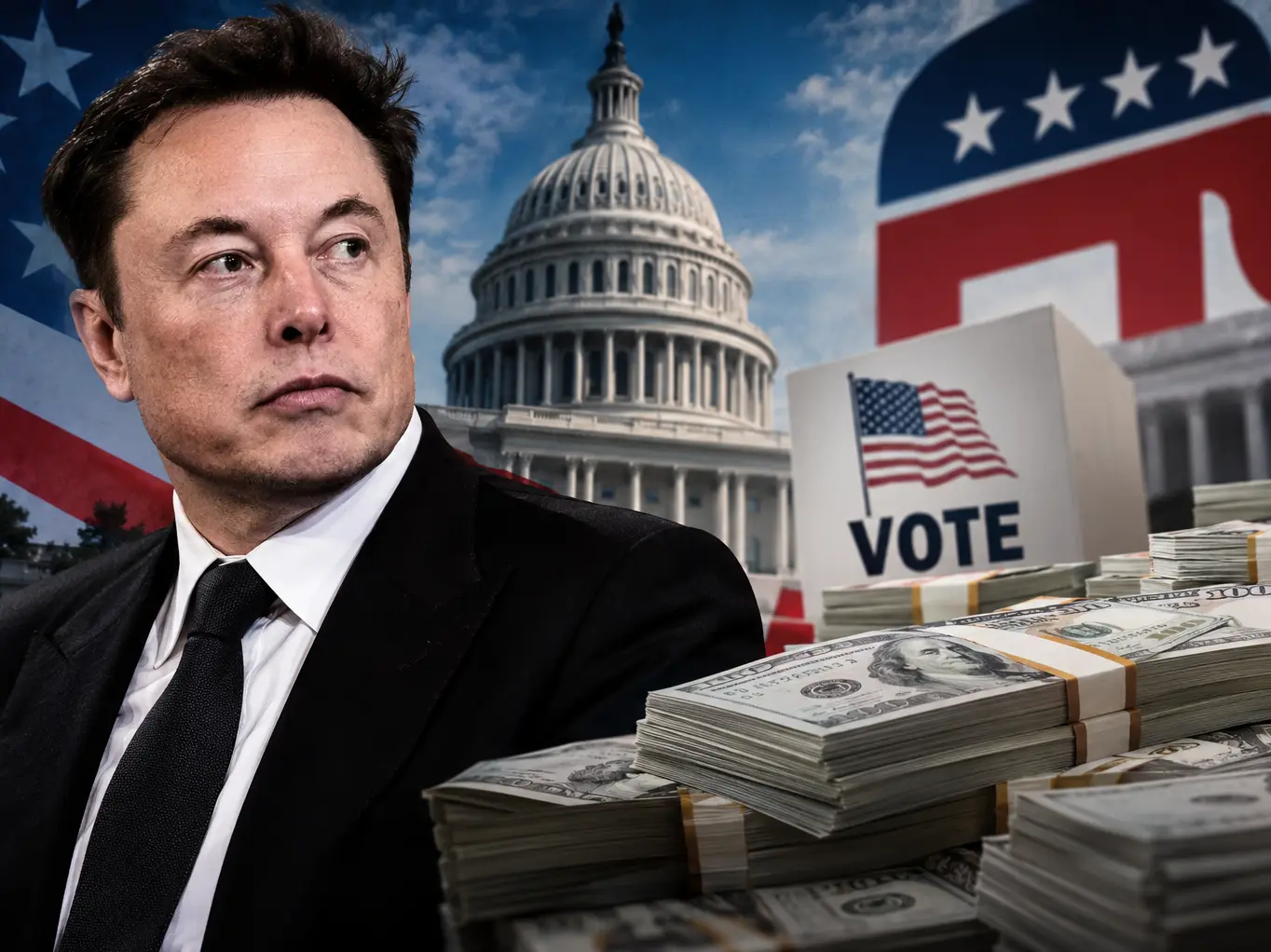
US midterms 2026: Elon Musk’s political spending hits $445 million as Republicans battle to retain Senate control
&imwidth=180&imheight=135&format=webp&quality=medium)
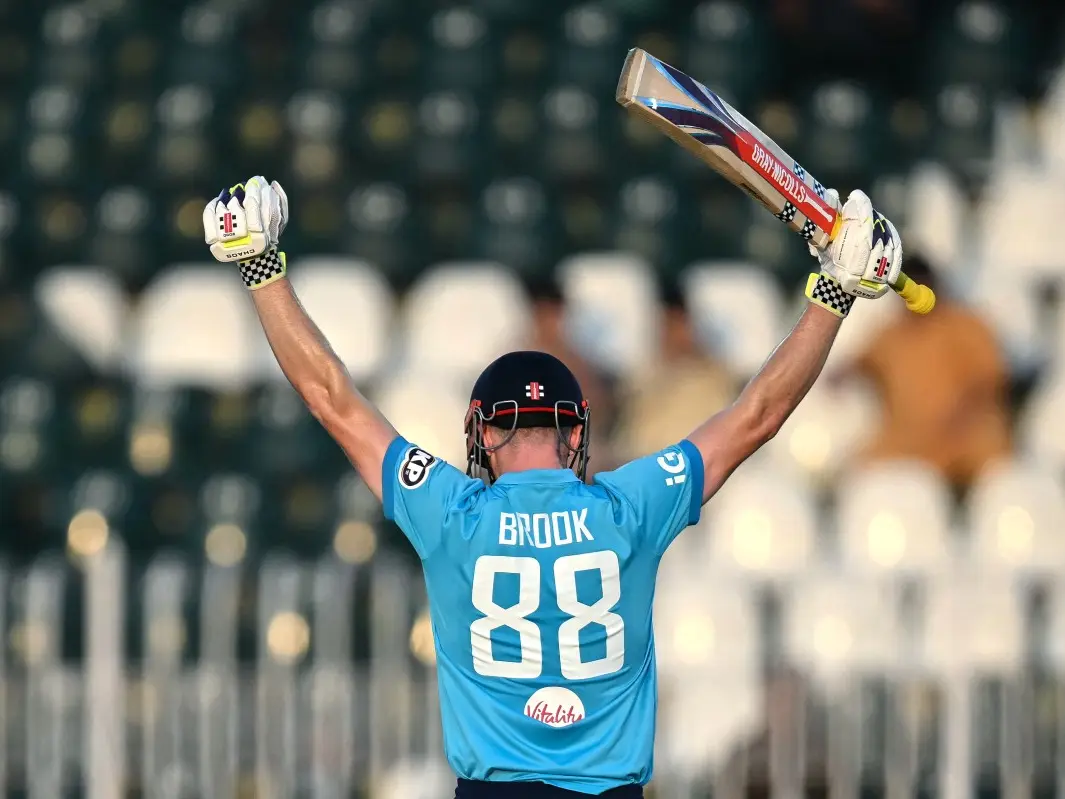
ENG vs SL: Harry Brook breaks Shubman Gill’s record for fastest ODI double century
"Should we let machines flood our information channels with propaganda and untruth? ... Should we develop nonhuman minds that might eventually outnumber, outsmart, obsolete and replace us?," the letter asked and said that such decisions must not be delegated to unelected tech leaders.
The letter further called on AI labs to immediately pause for at least six months the training of AI systems more powerful than GPT-4. “This pause should be public and verifiable and include all key actors. If such a pause cannot be enacted quickly, governments should step in and institute a moratorium,” it added.
Who has signed the letter?
The letter was issued by the Future of Life Institute and signed by more than 1,000 people including Elon Musk. The co-signatories included Stability AI's Chief Executive Officer Emad Mostaque, researchers at Alphabet-owned DeepMind, and AI heavyweights Yoshua Bengio. According to a report by the news agency Reuters on Thursday, the letter was not signed by OpenAI's CEO Sam Altman, Google CEO Sundar Pichai and Microsoft CEO Satya Nadella.
Elon Musk, who also runs Tesla and SpaceX and was an OpenAI co-founder and early investor, has long expressed concerns about AI’s existential risks. Earlier this month, Musk said, "AI stresses me out."
What has been the response to the letter?
Gary Marcus, a professor at New York University who signed the letter, said that the letter isn't perfect but the spirit is right — "We need to slow down until we better understand the ramifications." Marcus added the big players are becoming increasingly sensitive about what they are doing which makes it hard for society to defend against whatever harms may materialise, Reuters reported.
In a blog post, Marcus said that he disagrees with others who are worried about the near-term prospect of intelligent machines so smart that they could self-improve beyond humanity’s control. Marcus said he was more worried about “mediocre AI” that is widely deployed, including by criminals or terrorists to trick people or spread dangerous misinformation.
"Current technology already poses enormous risks that we are ill-prepared for. With future technology, things could well get worse," the New York University professor wrote.
James Grimmelmann, a Cornell University professor of digital and information law, said the pause on the AI race is a good idea but the letter is vague and it does not take the regulatory problems seriously.
“It is also deeply hypocritical for Elon Musk to sign on given how hard Tesla has fought against accountability for the defective AI in its self-driving cars,” Grimmelmann added.
What is GPT-4?
Earlier this month, OpenAI released GPT-4 which it says exhibits human-level performance. "We’ve created GPT-4, the latest milestone in OpenAI’s effort in scaling up deep learning. GPT-4 is a large multimodal model (accepting image and text inputs, emitting text outputs) that, while less capable than humans in many real-world scenarios, exhibits human-level performance on various professional and academic benchmarks," Open AI's website said.
In an online demo on March 14, OpenAI President Greg Brockman ran through some scenarios that showed off GPT-4′s capabilities. Brockman demonstrated how the system could quickly come up with the proper income tax deduction after being fed reams of tax code — something he couldn’t figure out himself, according to a report by the news agency Associated Press.
“It’s not perfect, but neither are you. And together it’s this amplifying tool that lets you just reach new heights,” Brockman added.
(With inputs from agencies)
WATCH WION LIVE HERE
You can now write for wionews.com and be a part of the community. Share your stories and opinions with us here.