

&imwidth=800&imheight=600&format=webp&quality=medium "Shah Bano case explained | How one woman’s fight redefined India’s legal history")
Yami Gautam and Emraan Hashmi's Haq is set to release on Nov 7, and before the movie releases in theatres, it has been making a lot of controversy over the subject that this movie addresses, which is the Shah Bano Begum case. So what it is and how it redefined India’s legal history?
Directed by Suparn Verma and written by Reshu Nath, the highly anticipated courtroom drama is inspired by two things: the 1985 Supreme Court's historic verdict on the case and the book titled Bano, Bharat Ki Beti, as said by the producer's lawyer Ajay Bagadiya in the Madhya Pradesh High Court.
The movie has been the topic of conversation as it is based on one of the landmark cases of Indian history that changed the lives of Muslim women in India forever.
Haq: Yami Gautam and Emraan Hashmi's courtroom drama
In the courtroom drama, Gautam plays the role of Shazia Bano, the woman who fought for her rights in times when even thinking of standing against one’s husband was seen as a nightmare.
Trending Stories
&imwidth=180&imheight=135&format=webp&quality=medium)
Zohran Mamdani's Garba dance goes viral as he joins Indian community's Navratri celebrations | WATCH
&imwidth=180&imheight=135&format=webp&quality=medium)
India-US ties: Marco Rubio seeks India's oil & energy co-operation Ad Ad options Learn more
&imwidth=180&imheight=135&format=webp&quality=medium)
SBI confirms data breach: 3,897 records flagged on dark web. Is your money safe?
&imwidth=180&imheight=135&format=webp&quality=medium)
India to develop first indigenous aviation gun for Prachand, Rudra attack helicopters, SSS Defence CEO confirms
&imwidth=180&imheight=135&format=webp&quality=medium)
Man marries off wife of 17 years to her lover in Uttar Pradesh
&imwidth=180&imheight=135&format=webp&quality=medium)
Boeing 737 MAX10 gets FAA certification, deliveries expected to begin in 2027
&imwidth=180&imheight=135&format=webp&quality=medium)
Shastri backs Shami comeback; lauds Bhuvi and warns Bumrah on format workload ahead of World Cup
&imwidth=180&imheight=135&format=webp&quality=medium)
US midterms 2026: Red seats once deemed safe now appear shaky as Republicans spend big on ads
&imwidth=180&imheight=135&format=webp&quality=medium)
'Tap dancing through a minefield': Musk backs SpaceX-Tesla merger as AI boom fuels rocket firm's first profit
&imwidth=180&imheight=135&format=webp&quality=medium)
Dandiya Nite ’26: Indian High Commissioner hails diaspora as bridge between India and Nigeria
&imwidth=180&imheight=135&format=webp&quality=medium)
Trump says Ilhan Omar 'could go to jail' amid federal probe, calls Somalia a 's***house'
&imwidth=180&imheight=135&format=webp&quality=medium)
Punjab CM Bhagwant Mann allegedly detained for three hours at Delhi airport, fined ₹50,000: AAP
&imwidth=180&imheight=135&format=webp&quality=medium)
Trump waves at 'empty space' in viral video,' critics claim 'mental decline getting worse' | WATCH
&imwidth=180&imheight=135&format=webp&quality=medium)
What the Mecca Joint Defence Agreement says about withdrawal and military support. Read full text of the pact here
&imwidth=180&imheight=135&format=webp&quality=medium)
IND vs NZ T20Is: Will Sooryavanshi play? Skipper Shreyas Iyer clears the air on Samson vs Vaibhav debate
&imwidth=180&imheight=135&format=webp&quality=medium)
'You are not Gen Z': Delhi HC pulls up CJP's Das, Ranka over bail bond breach after Jantar Mantar trespass
&imwidth=180&imheight=135&format=webp&quality=medium)
India vs New Zealand T20I Series 2026: Complete schedule, match timings, squads and live streaming details
&imwidth=180&imheight=135&format=webp&quality=medium)
Trump considers removing White House press corps to restore historic indoor swimming pool
&imwidth=180&imheight=135&format=webp&quality=medium)
Ukrainian soldier rescued by a drone chopped off own leg while hiding for 491 days
&imwidth=180&imheight=135&format=webp&quality=medium)
US-Iran war | Tehran: Must end port blockade, oil sanctions and regional attacks
&im=FitAndFill=(700,400)&imwidth=180&imheight=135&format=webp&quality=medium)
Priyanka Chopra to Shilpa Shetty: 6 Bollywood actresses and their fitness secrets
&imwidth=180&imheight=135&format=webp&quality=medium)
Pujara says 'Samson and Vaibhav cannot be in Playing XI' for India on NZ tour
&imwidth=180&imheight=135&format=webp&quality=medium)
'What's wrong with you? Are you a sick person?': Trump at it again as he snaps at reporters, faces backlash
&imwidth=180&imheight=135&format=webp&quality=medium)
US Midterms 2026 and money: From Bloomberg to Musk, corporate donors, super PACs and lobbies, it's all about the cash
&imwidth=180&imheight=135&format=webp&quality=medium)
‘Even legends can fall ill’: Badshah, Anupam Kher and other stars defend Daler Mehndi after Uttarakhand stage controversy
&imwidth=180&imheight=135&format=webp&quality=medium)
'UN experts is an oxymoron': Rubio mocks UN over India protests criticism, refuses to comment on India's internal matter
&im=FitAndFill=(700,400)&imwidth=180&imheight=135&format=webp&quality=medium)
New OTT releases this week (October 19-25, 2026): Gajab Raat to Chaar Yaar-8 titles to watch during Dussehra week on Netflix, Prime Video and more
&imwidth=180&imheight=135&format=webp&quality=medium)
Ukrainian drone airlifts wounded soldier in what is likely a world first
&imwidth=180&imheight=135&format=webp&quality=medium)
The Verdict | Trump, Putin and Xi: A superpower triangle that could reshape global diplomacy
&imwidth=180&imheight=135&format=webp&quality=medium)
India moves to buy 10,000 more AI chips for a national compute pool open to startups
&imwidth=180&imheight=135&format=webp&quality=medium)
'They are not even telling us' - Mysterious metallic object discovered in Minnesota field
&imwidth=180&imheight=135&format=webp&quality=medium)
Cattle-feed bran in biscuits, detergent in milk: FSSAI acts against 3 companies
&imwidth=180&imheight=135&format=webp&quality=medium)
US midterms 2026: With Republicans spending big, Bloomberg opens his wallet for Democrats. Here's how much he is pouring
&imwidth=180&imheight=135&format=webp&quality=medium)
Iran rejects US talks until demands are met, rules out moving enriched uranium out of the country
&imwidth=180&imheight=135&format=webp&quality=medium)
Feds obtain DNA evidence that could prove Ilhan Omar married her brother: Report
&imwidth=180&imheight=135&format=webp&quality=medium)
Ramayana advance booking: Ranbir Kapoor, Yash's film cross $500K ahead of Diwali release
&imwidth=180&imheight=135&format=webp&quality=medium)
French military plane crashes in northeast France, one dead
&imwidth=180&imheight=135&format=webp&quality=medium)
Delhi HC agrees to hear Neha Bora's plea against 'maintain peace' directive on 'urgent basis'
)
Still from Haq Photograph: ()
The story of the movie begins in 1967 when a young Bano Begum falls in love with Ahmad Khan, a lawyer. After years of blissful marriage, the couple’s relationship hits a rough phase when her husband gets married again. However, after she is forced to step out of her husband's house, she is soon given triple talaq. While her husband helps her financially for a period of time, he eventually stops, leaving Bano in financial distress. Soon, she moves to court, asking her husband to provide maintenance.
What was the Shah Bano case?
The Shah Bano case was a landmark legal case in India that highlighted the conflict between personal religious laws and the rights of women under secular law.
Shah Bano, a 62-year-old woman from Indore, had been married to advocate Mohammed Ahmed Khan for over four decades. Her husband divorced her and initially provided a small amount of financial support for her and their five children. However, he eventually stopped providing any maintenance, leaving Shah Bano in financial distress.
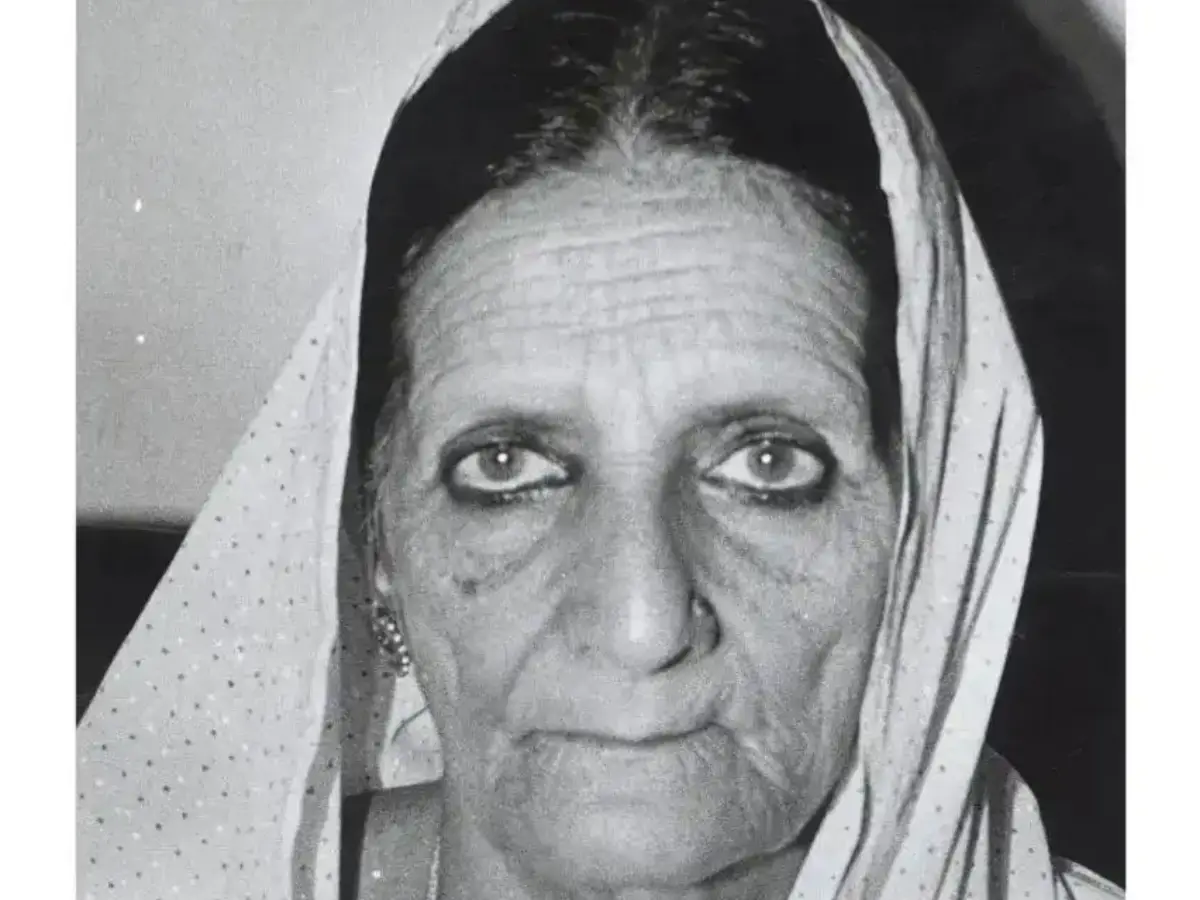)
Picture of Shah Bano Photograph: (X)
Left with no other option, in 1978, Bano filed a petition under Section 125 of the Criminal Procedure Code (CrPC), which allows a wife, child, or parent to claim maintenance from the husband or son. The legal battle become the difficulty when the religion came in between. Under Muslim personal law, a husband is required to provide maintenance to his divorced wife only during the iddat period (a waiting period of approximately a few months that a women must observe post divorce or the death of the husband). Shah Bano demanded that her husband provide maintenance beyond the iddat period for the rest of her life, saying that she's not able to sustain herself.
The trial court ruled in favor of Shah Bano, and directed her husband to pay her a monthly maintenance. Later, the amount was increase after she applied the appeal in the Madhya Pradesh High Court. However, Mohammed Ahmed Khan challenged the High Court’s decision in the Supreme Court of India, saying that under Muslim personal law, he's not obliged to pay a maintainence fee to his ex-wife. The All India Muslim Personal Law Board supported Khan’s point, stating that courts could not interfere in matters governed by Muslim Personal Law.
What Supreme Court ruled?
On April 23, 1985, the Supreme Court delivered the landmark verdict in the Mohd. Ahmed Khan v. Shah Bano Begum & Ors.
Delivered by Chief Justice Y.C. Chandrachud, the verdict upheld Shah Bano’s right to maintenance under Section 125 of the Criminal Procedure Code (CrPC), irrespective of the woman's religion. The court ordered Khan to pay a monthly maintenance of Rs 179.20 to Shah Bano.
In the landmark ruling, the Court stated that the right to maintenance is a matter of social justice, and that personal law cannot override the secular law, which applies uniformly to all religions.

