

&imwidth=800&imheight=600&format=webp&quality=medium "Interview | Karan Aujla’s Delhi show: Experts decode India’s Live entertainment boom")
India’s live entertainment industry is witnessing an unprecedented surge, with national and international stars visiting the South Asian country, performing tours, and making millions groove both off and on screen. What was once an opportunistic market, driven mostly by Bollywood singers or occasional international acts, has evolved significantly. India’s rising concert economy has now become a core revenue territory, turning the country into a major money-making market.
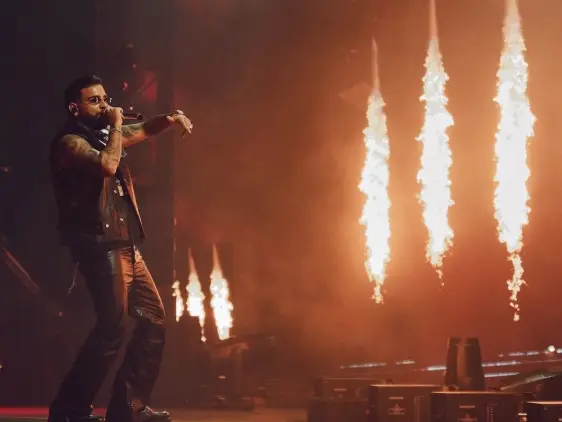
As the live entertainment market rapidly expands, global Punjabi music sensation Karan Aujla is set to launch what could be a record-shattering P-POP CULTURE India Tour with a performance at Delhi’s Jawaharlal Nehru Stadium on 28 February 2026. Just a day before the tour kicks off, expected to witness an unprecedented footfall of over 5 lakh people and generate an estimated $30 million in revenue, WION speaks to Mohit Bijlani, Founder of Team Innovation, to understand how the industry has evolved, the challenges of organizing major events, and what is driving this growth.
WION: How has the live entertainment industry in India evolved over the past decade?
Mohit Bijlani: Over the last decade and a half, India’s live entertainment industry has moved from being opportunistic to being institutional. Previously, large concerts were isolated spikes driven by either Bollywood tours or one-off international acts. Today, we are building touring circuits. India is no longer an experimental market for global or diaspora artists, it is a core revenue territory. What has truly changed is consumer behaviour. Audiences are now experience-first. They are willing to travel, pay premium prices and expect global production values. Ticketing platforms, digital marketing and data analytics have professionalised the business. We’re seeing structured advance planning, sponsorship pipelines locked months in advance and multi-city routing strategies. The industry has matured from event management to entertainment infrastructure.
WION: What are the biggest challenges you face before organising any major event?
Mohit Bijlani: The biggest challenge is scale management in a market that is growing faster than its infrastructure. India still does not have enough purpose-built concert venues, which means we convert stadiums and open grounds into world-class arenas within days. That requires enormous logistical precision. Regulatory approvals from multiple authorities, tight compliance windows and zero margin for error on safety is another critical layer. Add to that dynamic pricing strategies, ticketing fraud prevention, artist riders, international freight movement and crowd security planning. You’re essentially building a temporary city for 30,000 to 50,000 people. At this level, the real challenge is not selling tickets, it’s delivering a flawless, safe, premium experience at scale.
Trending Stories
&im=FitAndFill=(700,400)&imwidth=180&imheight=135&format=webp&quality=medium)
What is the real meaning behind Pete Hegseth's tattoos?
&imwidth=180&imheight=135&format=webp&quality=medium)
Zohran Mamdani's Garba dance goes viral as he joins Indian community's Navratri celebrations | WATCH
&imwidth=180&imheight=135&format=webp&quality=medium)
Rafale Marine fighter begins flight trials in Goa ahead of Indian Navy induction
&imwidth=180&imheight=135&format=webp&quality=medium)
SBI confirms data breach: 3,897 records flagged on dark web. Is your money safe?
&imwidth=180&imheight=135&format=webp&quality=medium)
India to develop first indigenous aviation gun for Prachand, Rudra attack helicopters, SSS Defence CEO confirms
&imwidth=180&imheight=135&format=webp&quality=medium)
Man marries off wife of 17 years to her lover in Uttar Pradesh
&imwidth=180&imheight=135&format=webp&quality=medium)
Boeing 737 MAX10 gets FAA certification, deliveries expected to begin in 2027
&imwidth=180&imheight=135&format=webp&quality=medium)
Shastri backs Shami comeback; lauds Bhuvi and warns Bumrah on format workload ahead of World Cup
&imwidth=180&imheight=135&format=webp&quality=medium)
US midterms 2026: Red seats once deemed safe now appear shaky as Republicans spend big on ads
&imwidth=180&imheight=135&format=webp&quality=medium)
'Tap dancing through a minefield': Musk backs SpaceX-Tesla merger as AI boom fuels rocket firm's first profit
&imwidth=180&imheight=135&format=webp&quality=medium)
Trump says Ilhan Omar 'could go to jail' amid federal probe, calls Somalia a 's***house'
&imwidth=180&imheight=135&format=webp&quality=medium)
Punjab CM Bhagwant Mann allegedly detained for three hours at Delhi airport, fined ₹50,000: AAP
&imwidth=180&imheight=135&format=webp&quality=medium)
Trump waves at 'empty space' in viral video,' critics claim 'mental decline getting worse' | WATCH
&imwidth=180&imheight=135&format=webp&quality=medium)
What the Mecca Joint Defence Agreement says about withdrawal and military support. Read full text of the pact here
&imwidth=180&imheight=135&format=webp&quality=medium)
IND vs NZ T20Is: Will Sooryavanshi play? Skipper Shreyas Iyer clears the air on Samson vs Vaibhav debate
&imwidth=180&imheight=135&format=webp&quality=medium)
'You are not Gen Z': Delhi HC pulls up CJP's Das, Ranka over bail bond breach after Jantar Mantar trespass
&imwidth=180&imheight=135&format=webp&quality=medium)
India vs New Zealand T20I Series 2026: Complete schedule, match timings, squads and live streaming details
&imwidth=180&imheight=135&format=webp&quality=medium)
Trump considers removing White House press corps to restore historic indoor swimming pool
&imwidth=180&imheight=135&format=webp&quality=medium)
Ukrainian soldier rescued by a drone chopped off own leg while hiding for 491 days
&imwidth=180&imheight=135&format=webp&quality=medium)
US-Iran war | Tehran: Must end port blockade, oil sanctions and regional attacks
&im=FitAndFill=(700,400)&imwidth=180&imheight=135&format=webp&quality=medium)
Priyanka Chopra to Shilpa Shetty: 6 Bollywood actresses and their fitness secrets
&imwidth=180&imheight=135&format=webp&quality=medium)
Pujara says 'Samson and Vaibhav cannot be in Playing XI' for India on NZ tour
&imwidth=180&imheight=135&format=webp&quality=medium)
'What's wrong with you? Are you a sick person?': Trump at it again as he snaps at reporters, faces backlash
&imwidth=180&imheight=135&format=webp&quality=medium)
US Midterms 2026 and money: From Bloomberg to Musk, corporate donors, super PACs and lobbies, it's all about the cash
&imwidth=180&imheight=135&format=webp&quality=medium)
‘Even legends can fall ill’: Badshah, Anupam Kher and other stars defend Daler Mehndi after Uttarakhand stage controversy
&imwidth=180&imheight=135&format=webp&quality=medium)
'UN experts is an oxymoron': Rubio mocks UN over India protests criticism, refuses to comment on India's internal matter
&im=FitAndFill=(700,400)&imwidth=180&imheight=135&format=webp&quality=medium)
New OTT releases this week (October 19-25, 2026): Gajab Raat to Chaar Yaar-8 titles to watch during Dussehra week on Netflix, Prime Video and more
&imwidth=180&imheight=135&format=webp&quality=medium)
Ukrainian drone airlifts wounded soldier in what is likely a world first
&imwidth=180&imheight=135&format=webp&quality=medium)
The Verdict | Trump, Putin and Xi: A superpower triangle that could reshape global diplomacy
&imwidth=180&imheight=135&format=webp&quality=medium)
India moves to buy 10,000 more AI chips for a national compute pool open to startups
&imwidth=180&imheight=135&format=webp&quality=medium)
'They are not even telling us' - Mysterious metallic object discovered in Minnesota field
&imwidth=180&imheight=135&format=webp&quality=medium)
Hunger makes alcohol more appealing, study finds
&imwidth=180&imheight=135&format=webp&quality=medium)
Cattle-feed bran in biscuits, detergent in milk: FSSAI acts against 3 companies
&imwidth=180&imheight=135&format=webp&quality=medium)
US midterms 2026: With Republicans spending big, Bloomberg opens his wallet for Democrats. Here's how much he is pouring
&imwidth=180&imheight=135&format=webp&quality=medium)
Iran rejects US talks until demands are met, rules out moving enriched uranium out of the country
&imwidth=180&imheight=135&format=webp&quality=medium)
Feds obtain DNA evidence that could prove Ilhan Omar married her brother: Report
&imwidth=180&imheight=135&format=webp&quality=medium)
Ramayana advance booking: Ranbir Kapoor, Yash's film cross $500K ahead of Diwali release
&imwidth=180&imheight=135&format=webp&quality=medium)
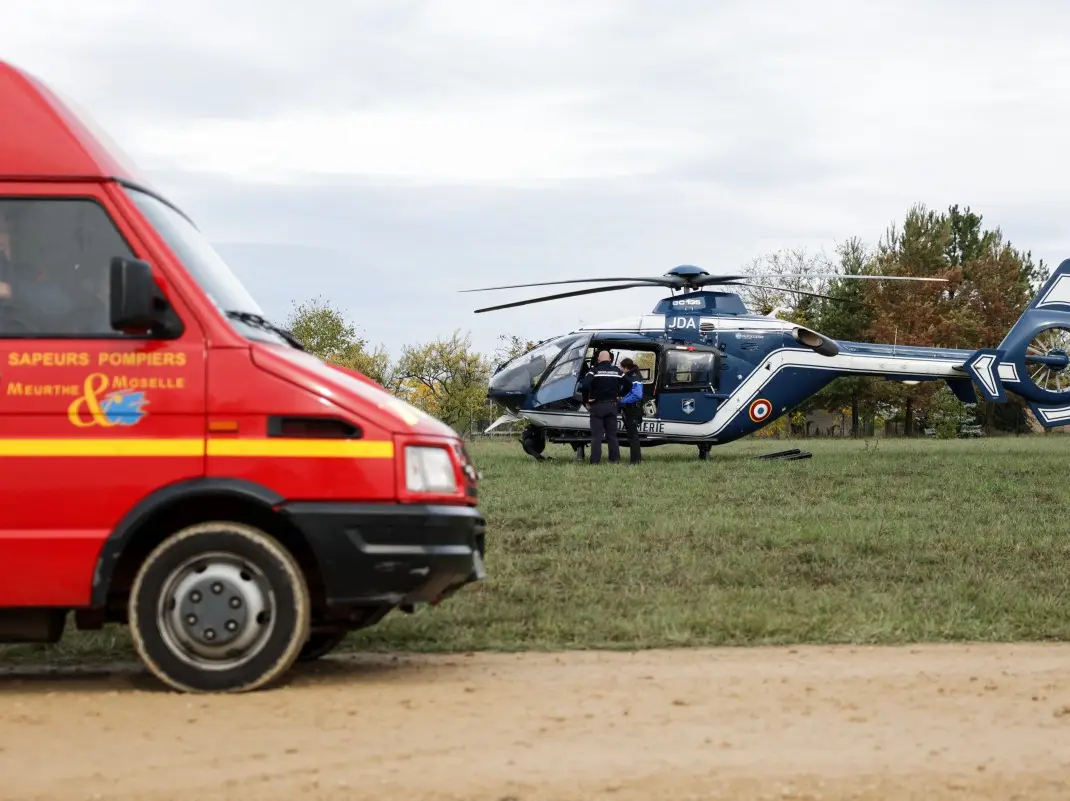
French military plane crashes in northeast France, one dead
&imwidth=180&imheight=135&format=webp&quality=medium)
Delhi HC agrees to hear Neha Bora's plea against 'maintain peace' directive on 'urgent basis'
WION: What makes the Karan Aujla tour one of the biggest projects you’ve worked on?
Mohit Bijlani: The 2026 run like the one we executed in 2024 is significant because it represents a cultural shift as much as a commercial milestone. Punjabi music has always had massive global influence, but this tour proves that a Punjabi artist can command stadium-scale, multi-city demand across India not just in traditional diaspora pockets. The velocity of ticket sales and the geographic spread of demand have been extraordinary. We’re not just doing metros; we’re building a national footprint. The production design is international-grade, the routing is aggressive and the brand integrations are strategic rather than cosmetic. This isn’t just a concert series, it’s a statement about how regional music has become mainstream India’s dominant pop culture force.
WION: The concert culture in India seems to be booming. What’s driving this growth?
Mohit Bijlani: India has one of the youngest populations in the world and this generation values experiences over assets. After demographics I’d say streaming has globalised taste. A fan in Ahmedabad listens to the same playlist as someone in Toronto or London. That translates into demand for live performances. Concert attendance today is both entertainment and identity. Social media has amplified that effect, the FOMO, the post-concert shareability adds to the perceived value of being there. When artists like Karan Aujla sell out large venues quickly, it reinforces a cycle of confidence, brands invest more, infrastructure improves and audiences get even more ambitious shows.
WION: How would you describe the current market size of the live events industry in India?
Mohit Bijlani: The organised live entertainment sector in India is now a multi-billion-dollar growth story. We have crossed the ₹20,000 crore mark and growing at 15% every year with projections to achieve 19% CAGR by 2027. But more important than size and scale is velocity. The post-pandemic rebound wasn’t gradual it was explosive. We’re also seeing a multiplier effect. Large concerts drive hospitality, aviation, F&B and local commerce. The economic footprint of a single stadium tour can ripple across an entire city’s weekend economy. So when we talk about market size, we’re talking about both direct revenue and broader economic stimulus.
Which cities are emerging as strong concert markets beyond Mumbai and Delhi?
Mohit Bijlani: Mumbai and Delhi remain anchor markets, but the real story is the rise of cities like Bengaluru, Hyderabad, Pune and Ahmedabad. These cities have young corporate populations, strong disposable incomes and increasingly sophisticated audiences. We’re also watching Tier-2 markets carefully. The appetite is there sometimes even stronger because large concerts are rarer. As logistics improve, these markets will become integral parts of national tours rather than add-ons.
WION: What are the main revenue streams for a large-scale concert?
Mohit Bijlani: Ticketing remains the backbone especially premium tiers and hospitality packages. However, sponsorship and brand partnerships are equally critical to de-risk and scale a tour. Today’s brands are not just logo placements; they want immersive integrations, digital amplification and measurable engagement. Beyond that, we have merchandise, F&B revenue share, VIP experiential upgrades and sometimes broadcast or streaming extensions. The smartest tours build a revenue ecosystem rather than rely on one stream. Ultimately, a successful large-scale concert today is a hybrid business model, part entertainment property, part brand platform, part cultural moment.

