The new Cold War: Arctic emerges as NATO-Russia flashpoint

&imwidth=600&imheight=450&format=webp&quality=medium "The new Cold War: Arctic emerges as NATO-Russia flashpoint")
Representative Image
NATO, meanwhile, is strengthening its northern flank. Seven of the eight Arctic states are now members of the alliance following Finland and Sweden’s accession.
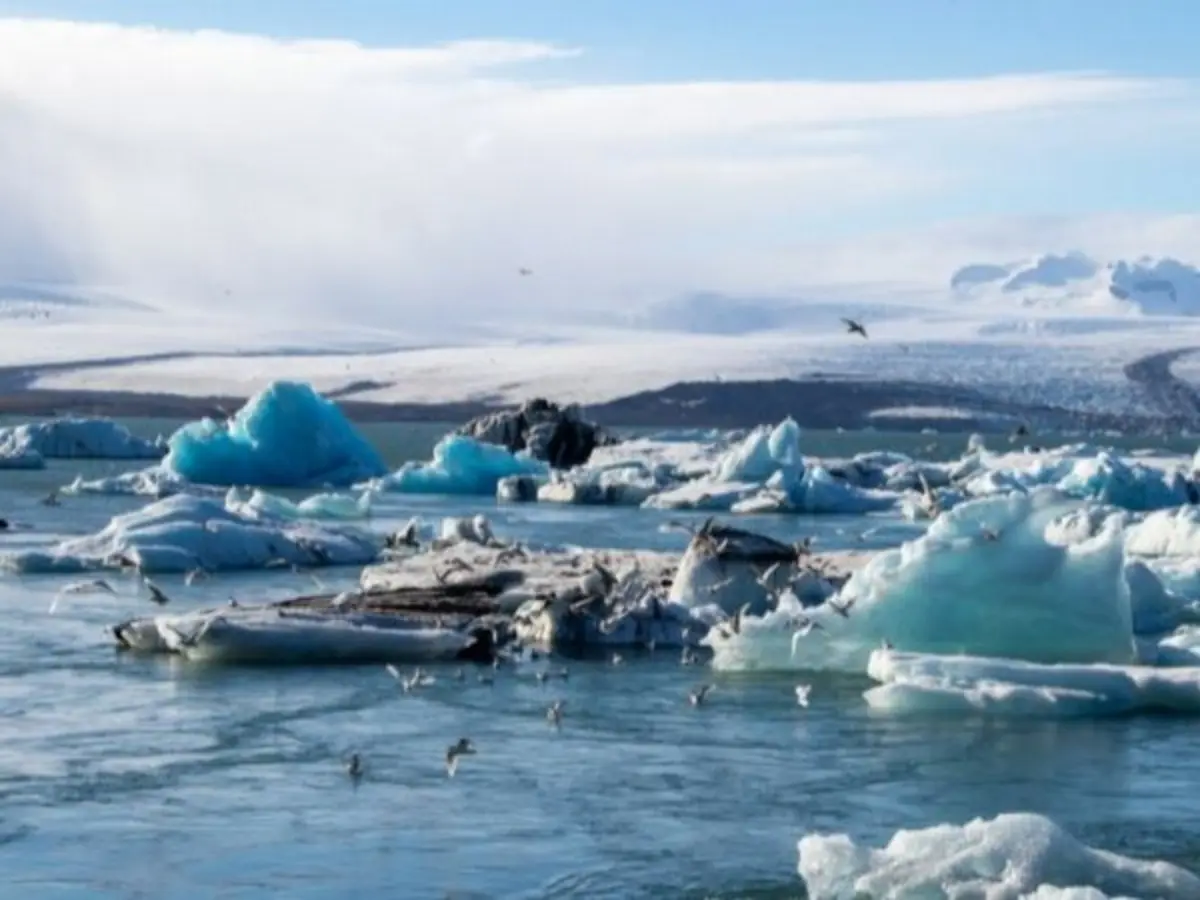
For centuries, the Arctic’s greatest defence was nature itself. Thick ice, extreme temperatures, and vast distances made the region one of the most inaccessible places on Earth. But as the ice retreats and shipping activity increases, the High North is rapidly emerging as a new arena of strategic competition.
Russia has now described NATO’s growing military presence in the Arctic as a “direct threat.” Russian Foreign Minister Sergei Lavrov has warned that increasing exercises raise the risk of incidents escalating into armed confrontation.
NATO, meanwhile, is strengthening its northern flank. Seven of the eight Arctic states are now members of the alliance following Finland and Sweden’s accession. In February, NATO launched Arctic Sentry, bringing allied activities across the region under a broader operational framework.
From September 7, around 400 military personnel from 10 NATO nations will participate in Arctic Shield 2026 in Greenland, training across land, sea, and air in harsh Arctic conditions.
The stakes extend beyond military rivalry. Melting seasonal ice is opening sea routes and increasing access to natural resources. NATO says Russia has expanded its Arctic military infrastructure, including reopening Soviet-era facilities and developing airfields and deep-water ports. Russia’s powerful nuclear submarine forces also give the region enormous strategic importance.
Trending Stories
&imwidth=280&imheight=210&format=webp&quality=medium)
&imwidth=280&imheight=210&format=webp&quality=medium)
&imwidth=280&imheight=210&format=webp&quality=medium)
&imwidth=280&imheight=210&format=webp&quality=medium)
&imwidth=280&imheight=210&format=webp&quality=medium)
&imwidth=280&imheight=210&format=webp&quality=medium)
&imwidth=280&imheight=210&format=webp&quality=medium)
&imwidth=280&imheight=210&format=webp&quality=medium)
&imwidth=280&imheight=210&format=webp&quality=medium)
&imwidth=280&imheight=210&format=webp&quality=medium)
&imwidth=280&imheight=210&format=webp&quality=medium)
&imwidth=280&imheight=210&format=webp&quality=medium)
&imwidth=280&imheight=210&format=webp&quality=medium)
&imwidth=280&imheight=210&format=webp&quality=medium)
&imwidth=280&imheight=210&format=webp&quality=medium)
&imwidth=280&imheight=210&format=webp&quality=medium)
&imwidth=280&imheight=210&format=webp&quality=medium)
&imwidth=280&imheight=210&format=webp&quality=medium)
&imwidth=280&imheight=210&format=webp&quality=medium)
&imwidth=280&imheight=210&format=webp&quality=medium)
&imwidth=280&imheight=210&format=webp&quality=medium)
&imwidth=280&imheight=210&format=webp&quality=medium)
&imwidth=280&imheight=210&format=webp&quality=medium)
&imwidth=280&imheight=210&format=webp&quality=medium)
&imwidth=280&imheight=210&format=webp&quality=medium)
&imwidth=280&imheight=210&format=webp&quality=medium)
&imwidth=280&imheight=210&format=webp&quality=medium)
&im=FitAndFill=(700,400)&imwidth=280&imheight=210&format=webp&quality=medium)
&imwidth=280&imheight=210&format=webp&quality=medium)
&imwidth=280&imheight=210&format=webp&quality=medium)
&imwidth=280&imheight=210&format=webp&quality=medium)
&imwidth=280&imheight=210&format=webp&quality=medium)
&imwidth=280&imheight=210&format=webp&quality=medium)
&imwidth=280&imheight=210&format=webp&quality=medium)
&imwidth=280&imheight=210&format=webp&quality=medium)
Finland is preparing its civilian population too. More than 2,000 people participated this week in Shelter 2026, described as Europe’s largest civil defence exercise since World War Two. The drill rehearsed responses to cyber disruption and potential missile attacks.
But John Erath, Senior Policy Director at the Center for Arms Control and Non-Proliferation, cautions against concluding that conflict is inevitable.
“There is an increase in military activity in the Arctic that parallels an increase in civilian activity,” Erath told WION, pointing particularly to growing commercial shipping.
On the nuclear danger, Erath believes Moscow’s rhetoric must also be viewed through the Ukraine conflict.
“When Russia makes threats about the Arctic, what it really means is stay out of Ukraine, stop assisting the Ukrainians, or there could be some sort of broader trouble,” he said.
While acknowledging that growing military activity is dangerous, Erath added: “I don’t see that there is imminent threat of nuclear war.”
For now, the Arctic remains far from open conflict. But the ice is retreating, trade routes are expanding and military forces are moving north.

