
&imwidth=800&imheight=600&format=webp&quality=medium "West Asia conflict triggers 'stagflation' risks for global economy; Europe, Asia to bear brunt: Fidelity Report")
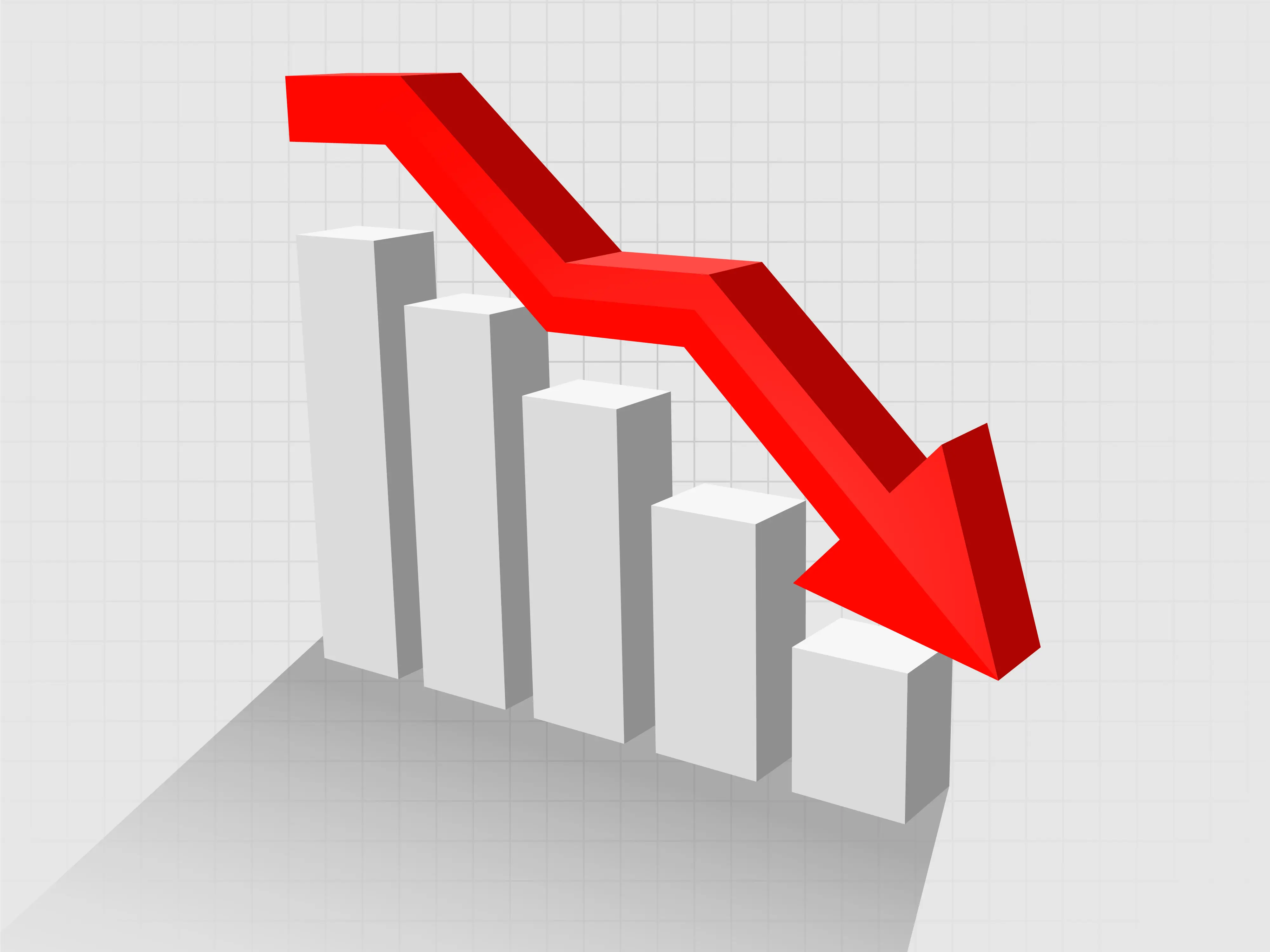
The effective closure of the Strait of Hormuz ever since the war broke out in West Asia has created a ‘stagflation risk’ for the global economy since the start of March, according to a report by Fidelity International. The report highlighted that the situation has now moved beyond mere market fears to actual supply constraints.
"The Strait of Hormuz being effectively closed since the start of March means that the mechanism has shifted from headline fear to physical constraint," the report said, underscoring the seriousness of the disruption. The report added that the continuous disruption in the Strait is likely to create a supply-side shock, and make the nations with higher inflation and weaker economic growth globally.
Europe and Asia are likely to face a greater impact

It noted that such a situation will lead to higher headline inflation via higher energy/commodity prices as well as negative growth via real income compression, margin pressure and tighter financial conditions. It further highlighted that the impact would vary across regions, with import-dependent economies expected to suffer more because of unfavourable trade conditions.
According to the report, Europe and Asia are also likely to face a greater impact, while the United States may remain relatively less affected, underscoring the risks for regions reliant on energy imports. The report also warned that the economic consequences could continue even after the conflict ends. It noted that the aftermath will not mean a complete return to normal, as oil prices are expected to retain a sustained premium in the near term, keeping pressure on global energy markets.
This outlook is consistent with its broader view of growing global fragmentation, which it describes as a medium-term scenario of “strategic fragmentation." On the policy note, the report indicated that governments and central banks also face problems if risks continue. It expects "a swift policy response focused on affordability ahead of the mid-term elections," particularly in major economies.
Trending Stories
&im=FitAndFill=(700,400))
Why the S-400 uses solid rocket fuel instead of liquid fuel
)
'Guru is the...': Indian Education Minister Dharmendra Pradhan shares message on education amid calls for his resignation
)
Salman Khan breaks silence on health concerns after viral Mumbai appearance
)
Indus treaty can no longer function in its current form, says India; plans 5,500 mw of new J&K hydro projects
&im=FitAndFill=(700,400))
New OTT releases this week (July 20-26, 2026): Musafir Cafe, Adarsh Baal Vidyalaya, 72 Hours- 5 new titles coming on Netflix, Prime Video and more
)
'What is wrong...': Anna Hazare breaks silence on Sonam Wangchuk's protest, makes an appeal to Centre
)
Student union leaders call off hunger strike at Jantar Mantar after civil society appeal, but protest continues
)
'We acted immediately...': Indian PM Modi breaks silence on paper leaks as NEET protest, calls for Education Minister's resignation grows
&im=FitAndFill=(700,400))
Why US fighter jets use seamless bubble canopies compared to Russian jets
)
'Now come to us': CJP resumes protest after Parliament march violence, calls meeting with Nadda 'waste of time'
)
UP BTech gold medalist dies by suicide after failing in nearly 50 govt job attempts, leaves note for father
&im=FitAndFill=(700,400))
FIFA World Cup 2026 team of the tournament: The best XI that ruled football’s biggest stage
&im=FitAndFill=(700,400))
Why the F-22’s cockpit glass is thicker than a standard fighter jet
)
'George Soros playbook': Understanding the foreign funding network around Sonam Wangchuk
&im=FitAndFill=(700,400))
Meet top 5 batters with most runs in India vs Zimbabwe T20Is
&im=FitAndFill=(700,400))
2026 FIFA World Cup awards: Full list of Golden Boot, Golden Ball, Golden Glove and every major winner
)
Xi Jinping's new AI bloc: China launches 'World AI Body' with Pakistan and Russia in, India out
)
Sonam Wangchuk's connection with George Soros and Ford Foundation explained!
)
Truck loaded with stones, metro stations closed: What's happening at Jantar Mantar now
)
Japan is selling a refrigerator to cool the human body for Rs 9 lakh. It is already a hit in Tokyo
)
FACT CHECK: Was Abhijit Dipke detained during CJP's Parliament march? Here's what police say
)
'There is no need for...': PM Modi takes a veiled dig at Rahul Gandhi, sends big message amid Parliament March
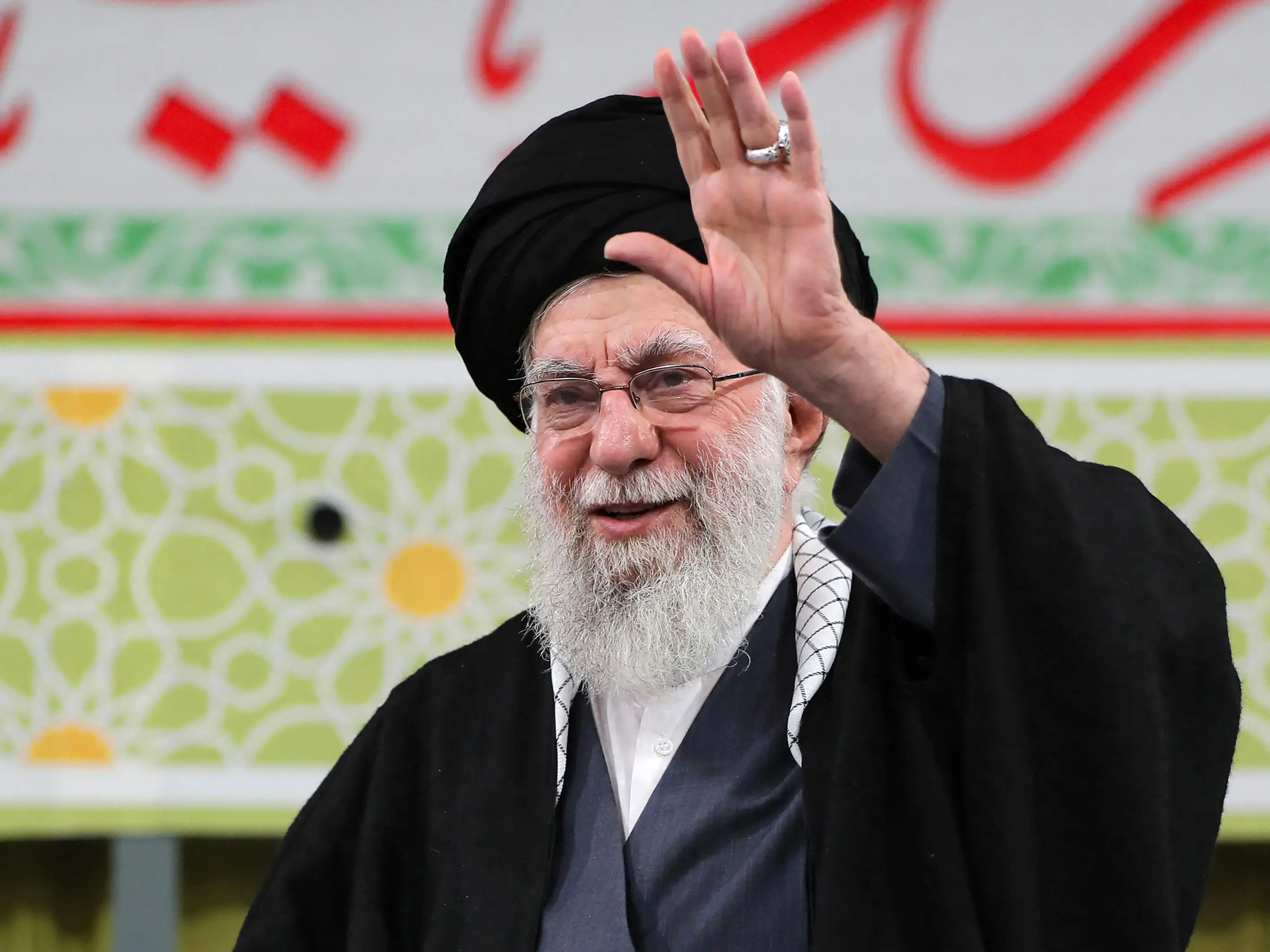)
Jail over Khamenei post: J&K youth returns home after 3 months in Saudi custody
Disclaimer: WION takes utmost care to accurately and responsibly report ongoing conflicts in West Asia involving Israel, Iran, US, Gulf nations and non-state actors like Hezbollah, Hamas, Houthis, Islamic State, and others. Claims and counterclaims, disinformation and misinformation are being made online and offline. Given this context, WION cannot independently verify the authenticity of all statements, social media posts, photos and videos.

