Volkswagen announces potential plant closures in Germany amid cost-cutting drive

Volkswagen
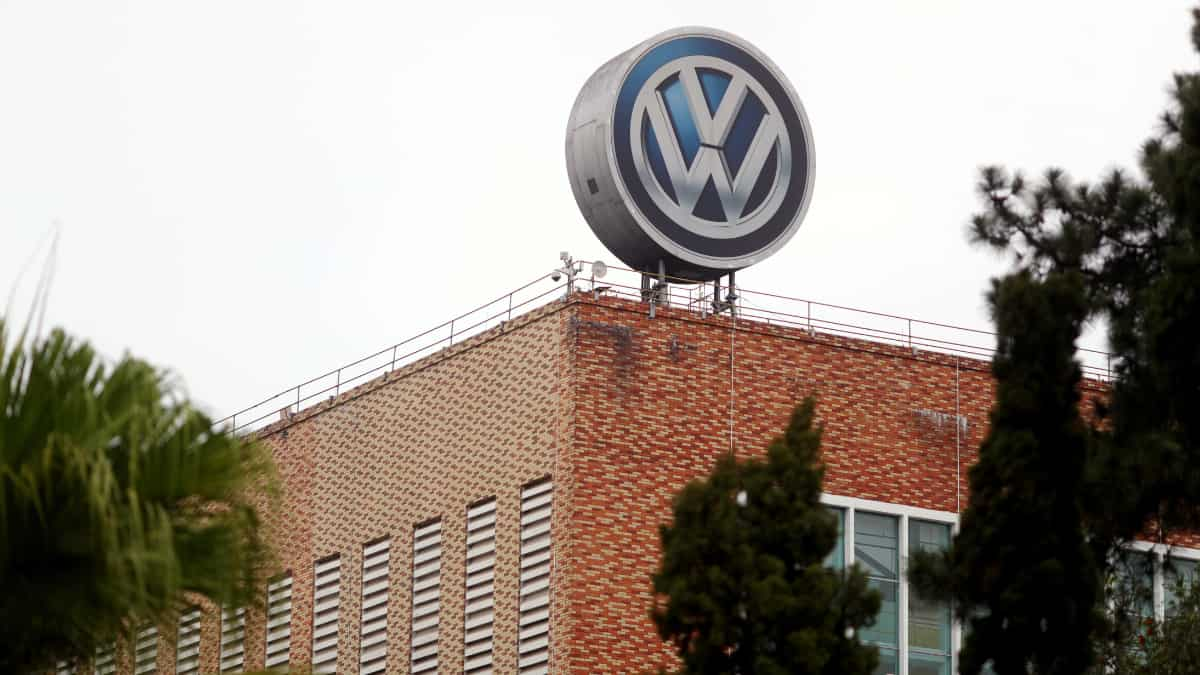
In a significant move aimed at bolstering its financial health and future competitiveness, Volkswagen has announced potential plant closures in Germany. This decision is part of a comprehensive cost-cutting strategy designed to streamline operations and adapt to the evolving challenges related to the automotive industry as detailed by Reuters in a report.
Impact of the potential plant closure on employment opportunities
The announcement has sent ripples of concern among employees and local communities, as several factories may face shutdowns. This could impact thousands of jobs, worsening economic anxieties in regions heavily reliant on the automotive sector. Volkswagen's decision points to a challenging economic environment primarily due to rising operational costs, ongoing supply chain disruptions, and increasing prices of raw materials.

The company's move to potentially close plants is a planned response to these economic challenges. By consolidating operations, Volkswagen aims to reduce overheads and allocate resources more efficiently. However, this comes at a human cost, as workers and local communities grapple with the uncertainty of job security and economic stability.
At the heart of Volkswagen's strategy is a significant shift towards electric vehicle (EV) production. This transition is seen as crucial for the company's future competitiveness in an industry increasingly driven by environmental regulations and changing consumer preferences. As the world accelerates towards electrification, Volkswagen is positioning itself to be at the forefront of this technological shift in the automobile market.
The focus on electric vehicles aligns with broader industry trends, where manufacturers are adapting to stringent environmental regulations and growing consumer demand for eco-friendly vehicles.
&imwidth=180&imheight=135&format=webp&quality=medium)
Rahul Gandhi's plea against Election Commission delayed as Supreme Court registry flags 14 ‘defects’
&im=FitAndFill=(700,400)&imwidth=180&imheight=135&format=webp&quality=medium)
Navratri 2026: 9 days, 9 forms of Goddess Durga and 9 colours- Check the complete list
&imwidth=180&imheight=135&format=webp&quality=medium)
Korean peninsula tensions escalate as North Korea launches multiple ballistic missiles, PACOM says 'no threat to US personnel'
&imwidth=180&imheight=135&format=webp&quality=medium)
Trump weighs firing Kimberly Guilfoyle as US ambassador to Greece amid misconduct allegations: Report
&imwidth=180&imheight=135&format=webp&quality=medium)
Anti-SIR protest in Mumbai: Protestors wear black masks & ribbons in Mumbai
&imwidth=180&imheight=135&format=webp&quality=medium)
UK PM Andy Birnham renews claims of Russian meddling in Brexit vote
&imwidth=180&imheight=135&format=webp&quality=medium)
BCCI rejects venue shift reports, India vs Sri Lanka 1st ODI to remain in Delhi
&imwidth=180&imheight=135&format=webp&quality=medium)
'Absolutely disgusting': Australia slams US plan to livestream Nidal Hasan's execution; Mike Johnson raises concerns, warns of terrorist propaganda
&imwidth=180&imheight=135&format=webp&quality=medium)
1,500 drones illuminate Mumbai sky as Cordelia Cruises unveils second ship, Cordelia Sky
&imwidth=180&imheight=135&format=webp&quality=medium)
Houthis warns US of 'painful response' if Washington joins Saudi war in Yemen as airlines suspend flights to Saudi Arabia
&imwidth=180&imheight=135&format=webp&quality=medium)
Congress demands action against chief election commissioner
&imwidth=180&imheight=135&format=webp&quality=medium)
Robot gropes girl, makes thrusting movements in bizarre crime in Germany
&imwidth=180&imheight=135&format=webp&quality=medium)
'Turn approver, resign, we'll forgive you': Rahul Gandhi claims receiving messages from CEC Gyanesh Kumar
&imwidth=180&imheight=135&format=webp&quality=medium)
'I will not be silenced': Ilhan Omar alleges political intimidation after federal officers search her Washington home
&imwidth=180&imheight=135&format=webp&quality=medium)
Pakistan's government blames PTI for rise of terrorism in Khyber Pakhtunkhwa
&imwidth=180&imheight=135&format=webp&quality=medium)
‘This is just the start’: Maaya Rajeshwaran on historic ITF title, confidence boost and future goals
&imwidth=180&imheight=135&format=webp&quality=medium)
I.N.D.I.A. Bloc lists 10 requests to Supreme Court
&im=FitAndFill=(700,400)&imwidth=180&imheight=135&format=webp&quality=medium)
IMF World Economic Outlook: 10 economies to watch for growth in FY27 and FY28 - Where does India stand?
&im=FitAndFill=(700,400)&imwidth=180&imheight=135&format=webp&quality=medium)
How does a robot decide what to do next?
&imwidth=180&imheight=135&format=webp&quality=medium)
Is the AI chip boom already over? Global semiconductor stocks slide as investors question unbridled spending
&imwidth=180&imheight=135&format=webp&quality=medium)
L Murugan resigns as Union Minister, expresses wish to return to grassroots
&imwidth=180&imheight=135&format=webp&quality=medium)
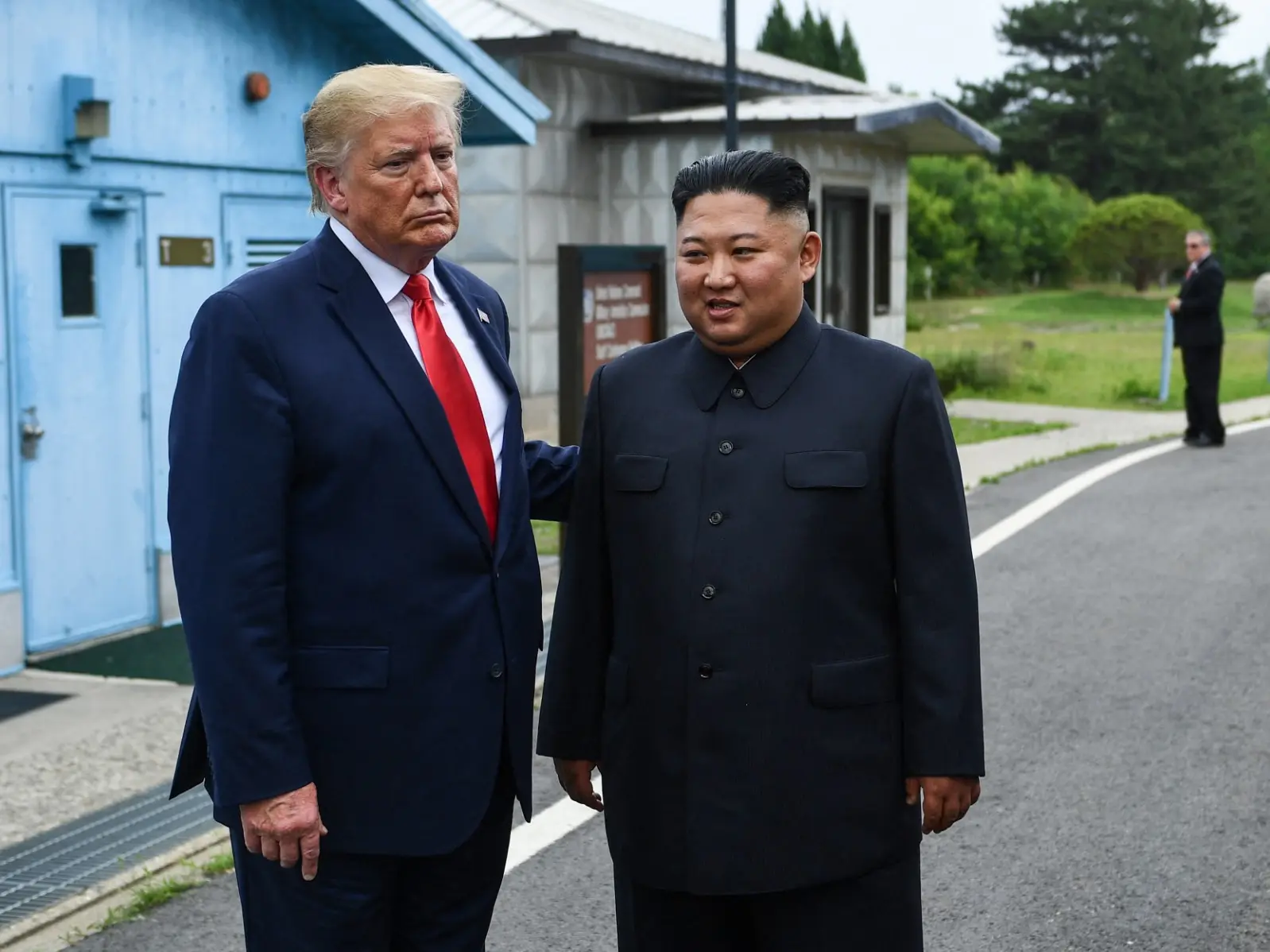
Trump says he 'may' meet North Korean leader Kim Jong Un during upcoming Asia trip
&imwidth=180&imheight=135&format=webp&quality=medium)
'Ouch!!! That must hurt': Kangana Ranaut hails Kamal Haasan's sharp reply to Elon Musk over Starlink row
&imwidth=180&imheight=135&format=webp&quality=medium)
Sidhu Moose Wala’s younger brother wins hearts by recreating late singer’s signature move at Toronto Hologram Show
&imwidth=180&imheight=135&format=webp&quality=medium)
Girl 'dead' for 8 hours wakes up at her own funeral, dad insists she wasn't breathing
&imwidth=180&imheight=135&format=webp&quality=medium)
UK school ditches technology, shifts from screen to pen and paper for learning
&imwidth=180&imheight=135&format=webp&quality=medium)
Opposition’s 10 demands in Supreme Court petition range from stay on SIR to audit of voter rolls
&imwidth=180&imheight=135&format=webp&quality=medium)
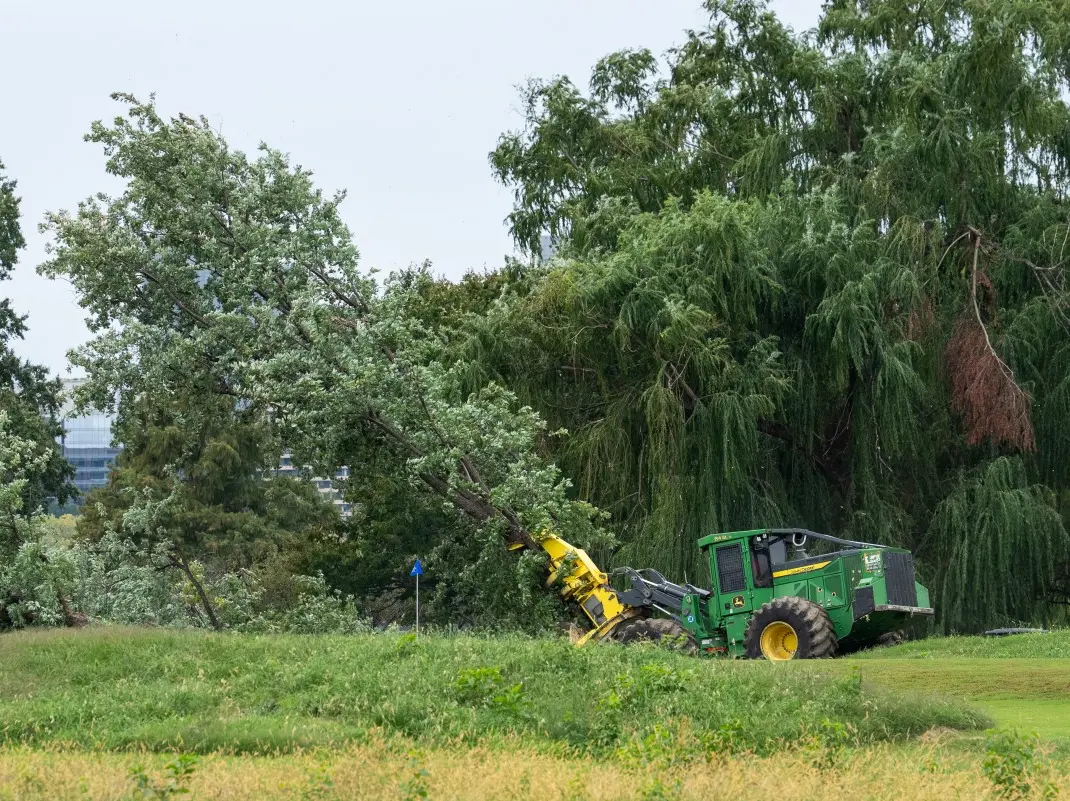
'I am thoroughly unamused': Judge slams Trump administration after 400 trees cut at Washington golf course
&im=FitAndFill=(700,400)&imwidth=180&imheight=135&format=webp&quality=medium)
New OTT releases this week (October 12-18, 2026): Sacrifice, Koffee with Karan S9, Roadies Rebirth- 6 titles coming on Netflix, JioHotstar and more
&imwidth=180&imheight=135&format=webp&quality=medium)
China’s gold rush puts billion in focus
&imwidth=180&imheight=135&format=webp&quality=medium)
India's Ajit Doval, Iran's Mohsen Rezaei hold talks amid escalating West Asia tensions, discuss 'issues of mutual interest'
&imwidth=180&imheight=135&format=webp&quality=medium)
New Cold War: Why is China buying more gold? Explained
&imwidth=180&imheight=135&format=webp&quality=medium)
Anupam Kher joins Ranbir Kapoor's Ramayana as Jatayu, new poster unveiled
&imwidth=180&imheight=135&format=webp&quality=medium)
'Almost certainly': UK Prime Minister Andy Burnham says Iran's IRGC behind RAF Fairford threat
&imwidth=180&imheight=135&format=webp&quality=medium)
Elon Musk pumps $276 million into Republican campaigns ahead of US midterm elections
Brief history of Volkswagen
Volkswagen is a German automobile manufacturer headquartered in Wolfsburg, Lower Saxony, Germany. Currently, Volkswagen is one of the top 500 companies in the world with a market capitalization of USD 56 billion.
Founded in 1937 by the German Labour Front under the Nazi Party and revived into the global brand it is known as today post-World War II by the British Army officer Ivan Hirst, it is known for the iconic Beetle and serves as the flagship brand of the Volkswagen Group, the largest automotive manufacturer by worldwide sales in 2016 and 2017.The group's biggest market is China (including Hong Kong and Macau), which delivers 40 percent of its sales and profits.
Upcoming challenges and the future of Volkswagen
The path ahead for Volkswagen is marked by both challenges and opportunities. The economic landscape, though challenging, presents opportunities for innovation and growth. Volkswagen's commitment to sustainability and technological advancement is evident in its investments in new technologies and infrastructure.
This approach is expected to helpthe company stay ahead of regulatory requirements and position it to capitalize on emerging market trends. As the automotive industry continues to evolve, Volkswagen's strategic shift towards electric vehicles and cost-cutting measures underscores its determination to remain a leader in the sector. Going ahead, analysts and investors will keenly observe the company’s moves.
