
&imwidth=800&imheight=600&format=webp&quality=medium "US-China trade talks enter day two in London as Rare Earths dominates agenda")
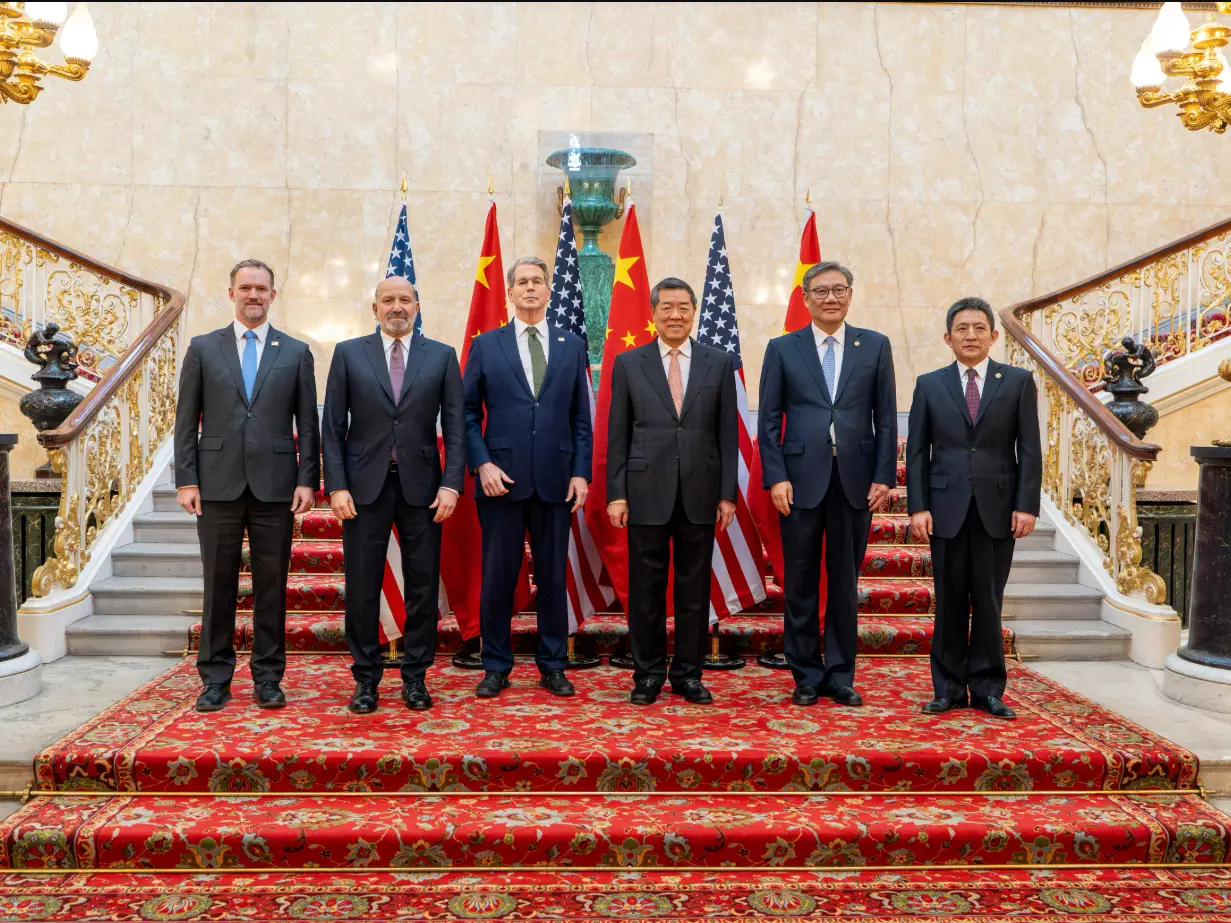
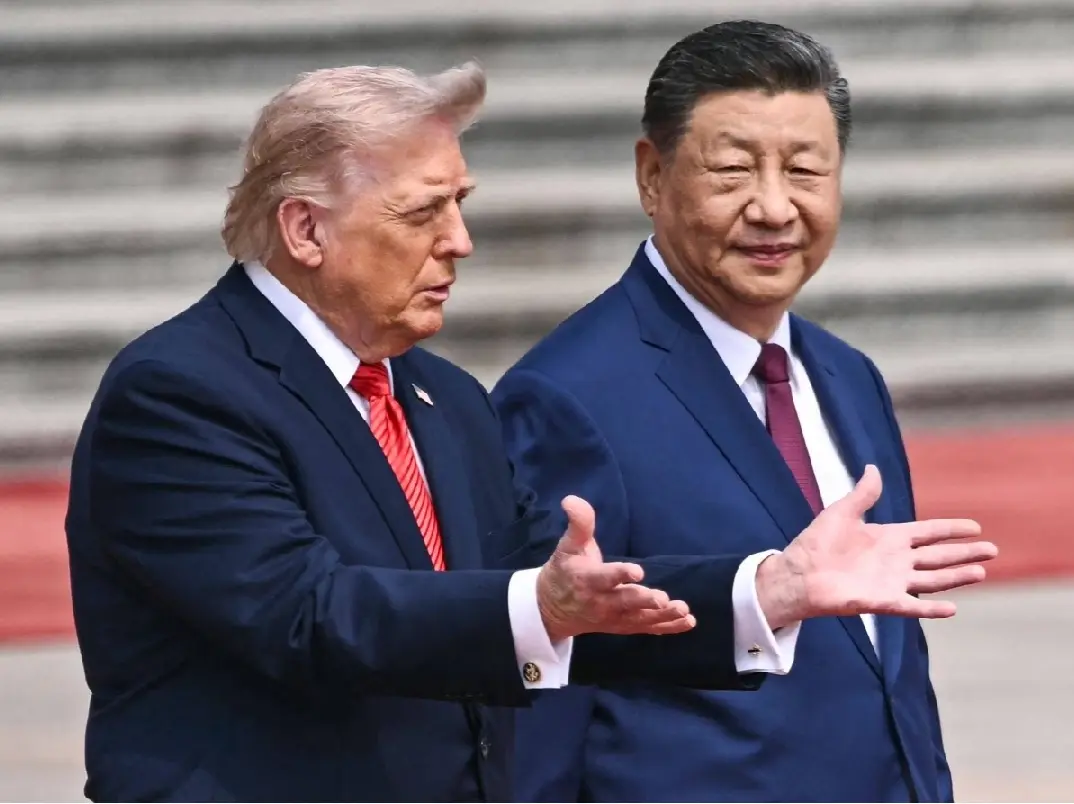
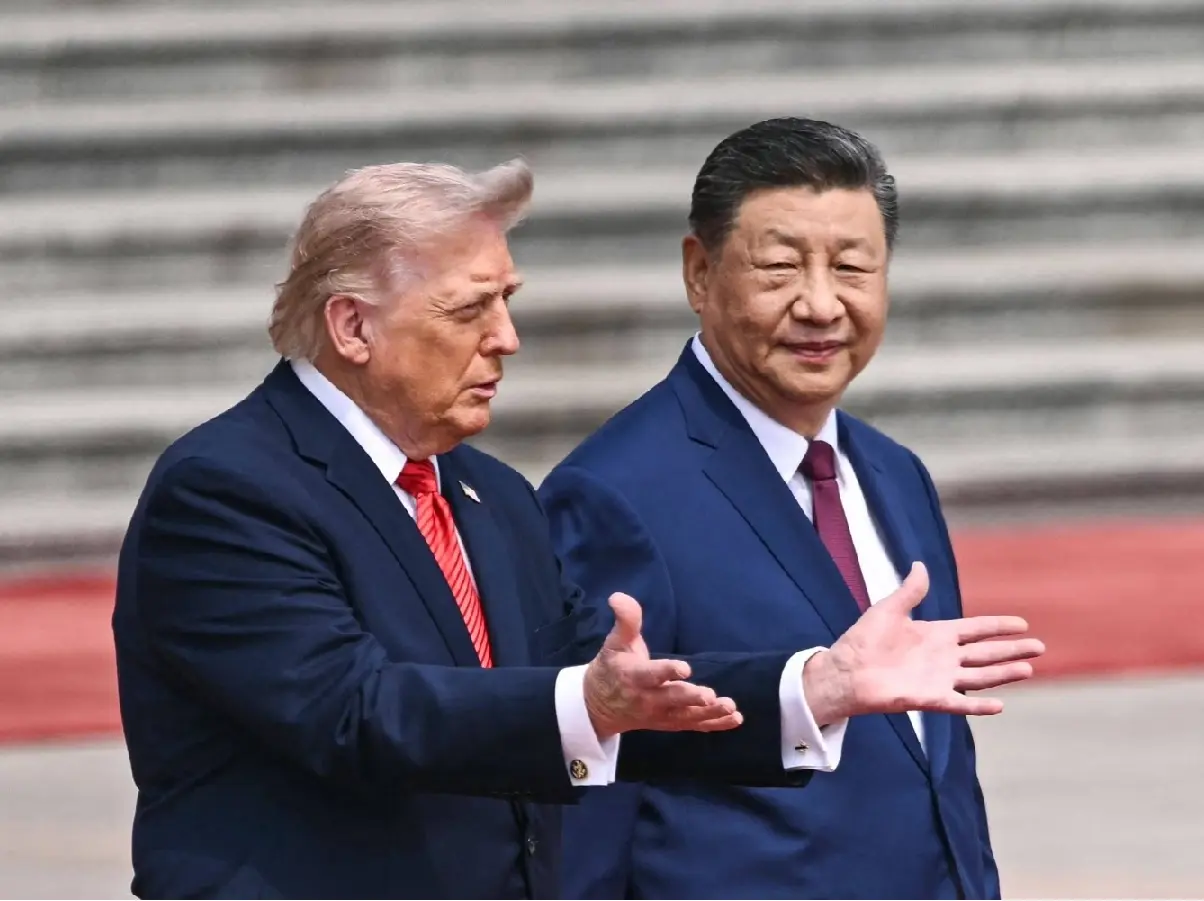
High-stakes negotiations between the world’s two largest economies moved into their second day on Tuesday at London’s Lancaster House. Rare earth minerals, semiconductor access, and student visa restrictions are reportedly on the top agenda of the meeting.
Despite no major breakthrough, US President Donald Trump struck an optimistic tone. Speaking to reporters at the White House on Monday, he said, “We are doing well with China. China’s not easy. I’m only getting good reports", as quoted by Reuters.
Leading the talks are US Treasury Secretary Scott Bessent, Commerce Secretary Howard Lutnick, and Trade Representative Jamieson Greer. On the Chinese side, Vice Premier He Lifeng is heading the delegation.

The dialogue follows a fragile truce struck in Geneva on 12 May. That deal rolled back tariffs by 115 per cent and paused further trade barriers for 90 days.
But since then, both sides have accused each other of breaking the agreement, casting doubt over any long-term resolution.
US-China trade war saga under Trump 2.0
Trending Stories
)
Over 4,200 books withdrawn from circulation in J&K colleges, 94% from Kashmir
)
'What kind of confession is this?': Pakistan PM Shehbaz Sharif’s 'terrorists would be roaming New York' remark goes viral, raises alarm online. Watch
)
WION Iconic Tourism Summit and Iconic Awards 2026: India's travel economy leaders gather in Delhi
)
Yemen clashes kill 154 people in two days as cornered Saudi battles Houthi offensive | Gravitas
)
Nor'easter could batter 13 US states this week. What you should know
&im=FitAndFill=(700,400))
National Film Awards 2026: Kartik Aaryan, Mammootty, Yami Gautam, Randeep Hooda and other key winners
)
81st UN General Assembly: Burnham announces UK-US AI defence tie-up
)
IND vs JPN T20I: How an overturned wide became point of difference between India's win and a tie
)
Gravitas | Boosting NHS productivity could save 20,600 lives in UK annually: Report
)
Forget apps: Qualcomm CEO says AI agents will change how we use smartphones
)
From Gaddafi tearing up UN Charter to Trump’s ‘escalatorgate’: Most unforgettable UNGA moments
)
Four female students raped during 'Red Zone' at California university. What we know
)
US-China tech war: Businesses in the front line
)
Bomb scare in New York amid UNGA: Suspicious suitcase found near UN headquarters
)
Justice eludes Air India 1985 bombing victims as Canada probe goes 'inactive' | Gravitas
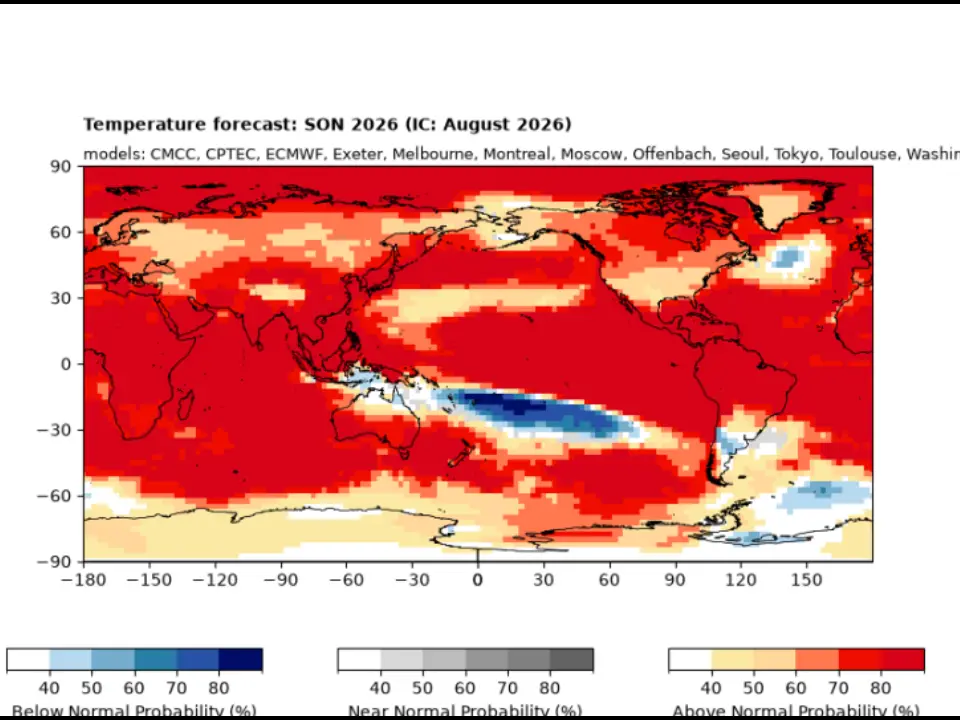)
El Niño 2026 heats up to become strongest in 1,000 years
)
WION Iconic Tourism Summit and Awards 2026: Key voices to discuss India’s tourism future
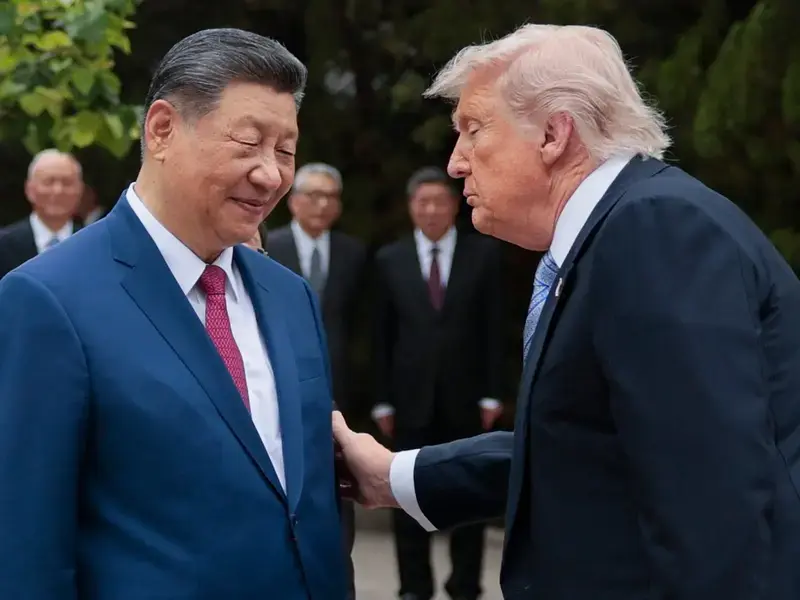)
Trump-Xi summit: From trade to Taiwan, what will the US and Chinese presidents discuss in Washington?
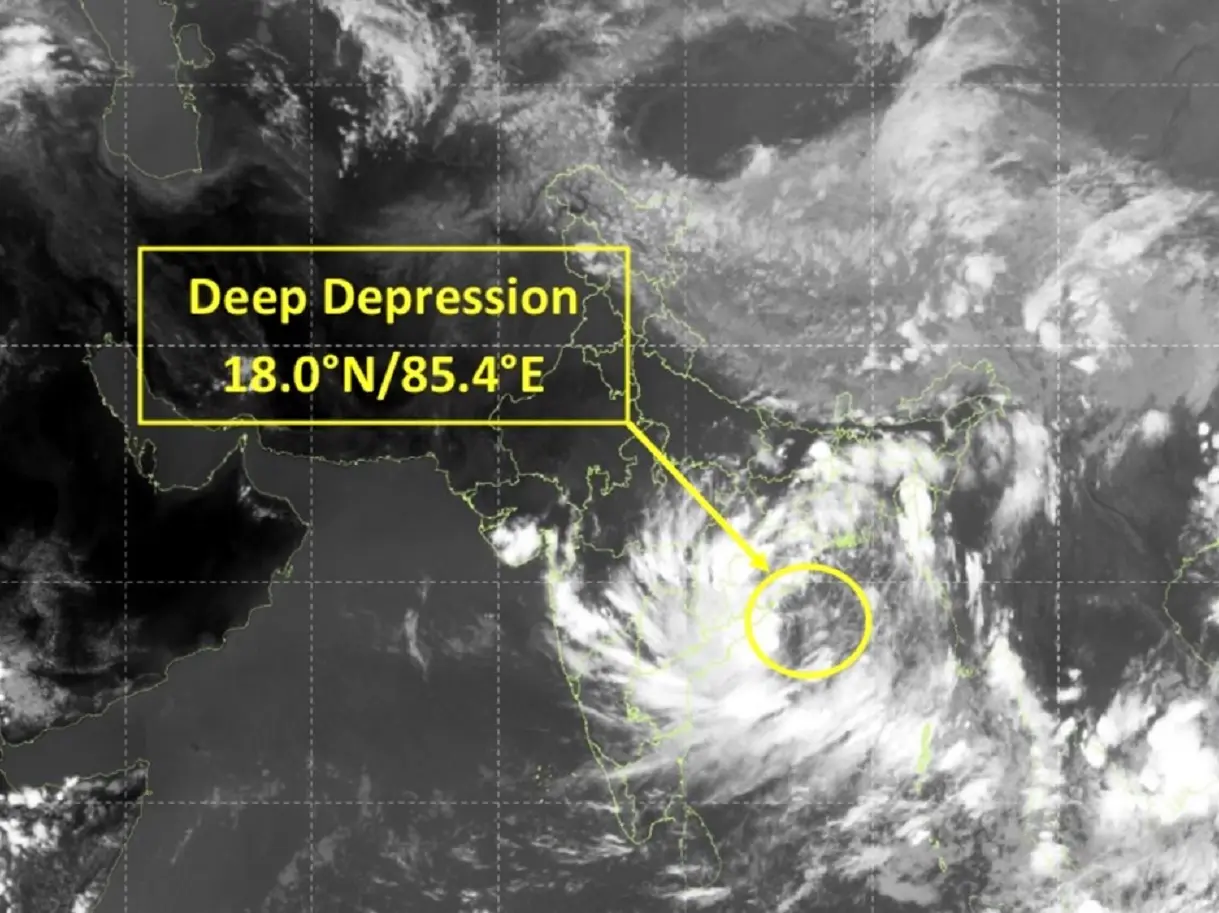)
Cyclone Arnab: Landfall expected before midnight tomorrow as IMD issues orange alerts across six states
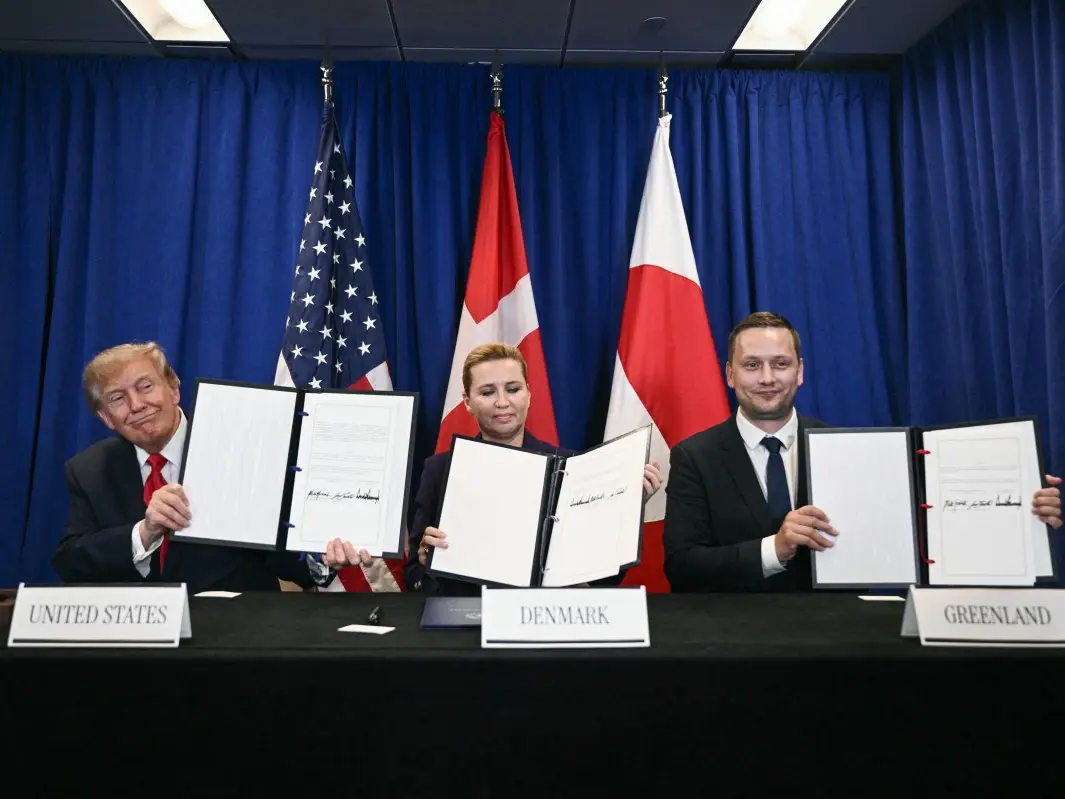)
Trump signs Greenland security deal with Denmark, paving way for two new US military bases
)
Asia prepares for record El Nino, food shock
)
Erdogan again raises Kashmir issue at UNGA, calls for dialogue under UN Charter
)
Mikel Arteta verbally agrees to three-year extension with Arsenal after title-winning Premier League season
)
Infections transmitted from pregnant woman linked to autism risk
)
Anne Hathaway to run in supporting race for Nolan's epic
)
US and China vie for AI dominance as calls grow for regulation | Gravitas
)
IND vs JPN, one-off T20I: Japan captain Kendel on pushing India to the brink - ‘It was special’
)
Trump revives India-Middle East-Europe economic corridor as India emerges central to West Asia’s future: What is it?
&im=FitAndFill=(700,400))
New OTT releases this week (September 21-27, 2026): Shaque: Trust No One, Hunkkaar, Don’t Be Shy- 5 new titles coming to Netflix, Prime Video and more
)
'Mumma’s boy from Gwalior who dared to dream': Kartik Aaryan pens long note after first National Award win
)
ICC plans T20I expansion and fewer ODIs in 2027–2031 FTP cycle: Report
)
Elephants hide behind trees, stage surprise attack on poachers targeting rhinos in South Africa
)
Major League Soccer referee sacked for sexist comment about female match referee
)
IIT Bombay professor Suryanarayana Doolla sent on leave amid Sahil Wakode death probe
)
Trump calls on nations to quit ‘rogue’ and ‘out-of-control’ International Criminal Court, rips UN
)
Explainer: Why rare-earth export licences and Board of Trade are US priorities ahead of Trump-Xi summit
Tensions have been building ever since President Trump began his second term in office. Here’s how the trade war has escalated:
It began on 1 February, when Trump signed an executive order imposing a 10 per cent tariff on Chinese imports. Heclaimed the move would tackle fentanyl smuggling. The same order scrapped the de minimis rule, which had previously allowed small Chinese parcels under $800 to enter the US duty-free.
Just days later, on 4 February, China hit back. It imposed a 15 per cent tariff on US coal and LNG, and a 10 per cent tariff on crude oil, large vehicles, and farm machinery. It also brought in export controls on key rare earth minerals, such as molybdenum and tellurium.
On 10 February, Trump added fresh tariffs on steel and aluminium imports, citing dumping by China. By 27February, he had also limited Chinese investment in sensitive sectors like technology and energy via new CFIUS guidelines.
Things worsened in March. On the 3rd, tariffs on Chinese goods were raised to 20 per cent. China responded swiftly on the 4th with new levies on US poultry, grains, and meat, and launched a WTO case challenging the US measures.
April saw dramatic escalation. On the 2nd, Trump introduced his so-called “Liberation Day” tariffs raising duties on Chinese goods to 54 per cent and permanently removing de minimis exemptions. China responded on 4 April with 34 per cent tariffs and added licensing requirements for exporting seven rare earths.
Between 8 and 9 April, Trump upped the pressure again. Tariffs were hiked first to 104 per cent, then 125, and finally to 145 per cent. China struck back with its own 84 per cent levy. By 11 April, China raised its tariffs to match the US at 125 per cent, though Trump did exempt some electronics—from countries other than China.
On 12 May, there was a brief breakthrough. Both sides agreed to a truce in Geneva, cutting tariffs to 30 per cent (US) and 10 per cent (China), and freezing further measures for 90 days.
But by 28 May, cracks were already showing. The US Court of International Trade ruled that Trump had overstepped his authority by imposing such sweeping tariffs. His administration appealed.
Then, on 30 May, Trump accused China of breaking the Geneva deal. He said Beijing had failed to relax rare earth restrictions as promised. China pushed back on 2 June, blaming Washington for imposing new controls on AI chip exports and revoking student visas.
On 5 June, Trump spoke with Xi Jinping in a 90-minute call. The US President later said they were working to “save” the Geneva deal. A day later, he named Bessent, Lutnick, and Greer as lead negotiators for the London summit.
Talks began on 9 June but hopes remains low amid growing industrial pressure and widening rifts.
How the trade tension affected both economies?
The Geneva truce may have paused the tariff hikes, but its effect on the real economy is proving limited.
According to Reuters, Chinese exports to the United States dropped by 34.5 per cent in May 2025, the sharpest year-on-year fall since early 2020. Meanwhile, foreign direct investment (FDI) into China’s high-tech and defence sectors fell by 18.2 per cent, as per data from the Chinese Ministry of Commerce.
Analysts link this to uncertainty over semiconductor access and tightening export controls.
On the American side, supply chains are under pressure, particularly in industries dependent on Chinese rare earths. A US Chamber of Commerce report confirms that several major automakers and semiconductor firms have submitted emergency requests to the White House, seeking uninterrupted access to critical raw materials.
President Trump has claimed a limited export deal is in place, but Reuters clarifies that China has only issued 30-day provisional licences, which are subject to monthly review, leaving US industries in limbo.
The International Monetary Fund (IMF) has also weighed in. In its June forecast, the IMF cut its 2025 global growth projection to 2.5 per cent, down from 3.1per cent, warning that continued US-China trade tensions could cost the global economy up to 0.6 percentage points in lost growth over the next year.
Both economies are feeling the pinch, China from falling exports and foreign investment, the US from disrupted production and growing supply bottlenecks. The longer the standoff continues, the deeper the economic scars may run.
Rare Earths at the heart of London negotiations
Commerce Secretary Lutnick’s presence in London underlines how crucial rare earths have become. China controls over 85 per cent of global output. These minerals are essential for electric vehicles, wind turbines, satellites, and guided missiles.
According to Associated Press, several European and US firms are already facing production delays due to shrinking rare earth stocks. British officials are also involved. UK Business Secretary Jonathan Reynolds and Treasury Chief Rachel Reeves held side meetings with both delegations.
A UK government statement read: “We are a nation that champions free trade and have always been clear that a trade war is in nobody’s interests.”
What lies ahead?
Formal statements from both sides are expected after Tuesday’ssession. But insiders warn that unless China loosens its rare earth export licensing and the US relaxes chip and visa restrictions, no major breakthrough is likely.
Speaking to CNBC, White House economic adviser Kevin Hassett said: “I expect a short meeting with a big, strong handshake on rare earths—but not much else.”
With more disputes surfacing on chip design tools, intellectual property, and academic ties, experts caution that these talks might only delay deeper conflict.