Union Budget 2025: From major tax cuts to job creation push | 9 key takeaways

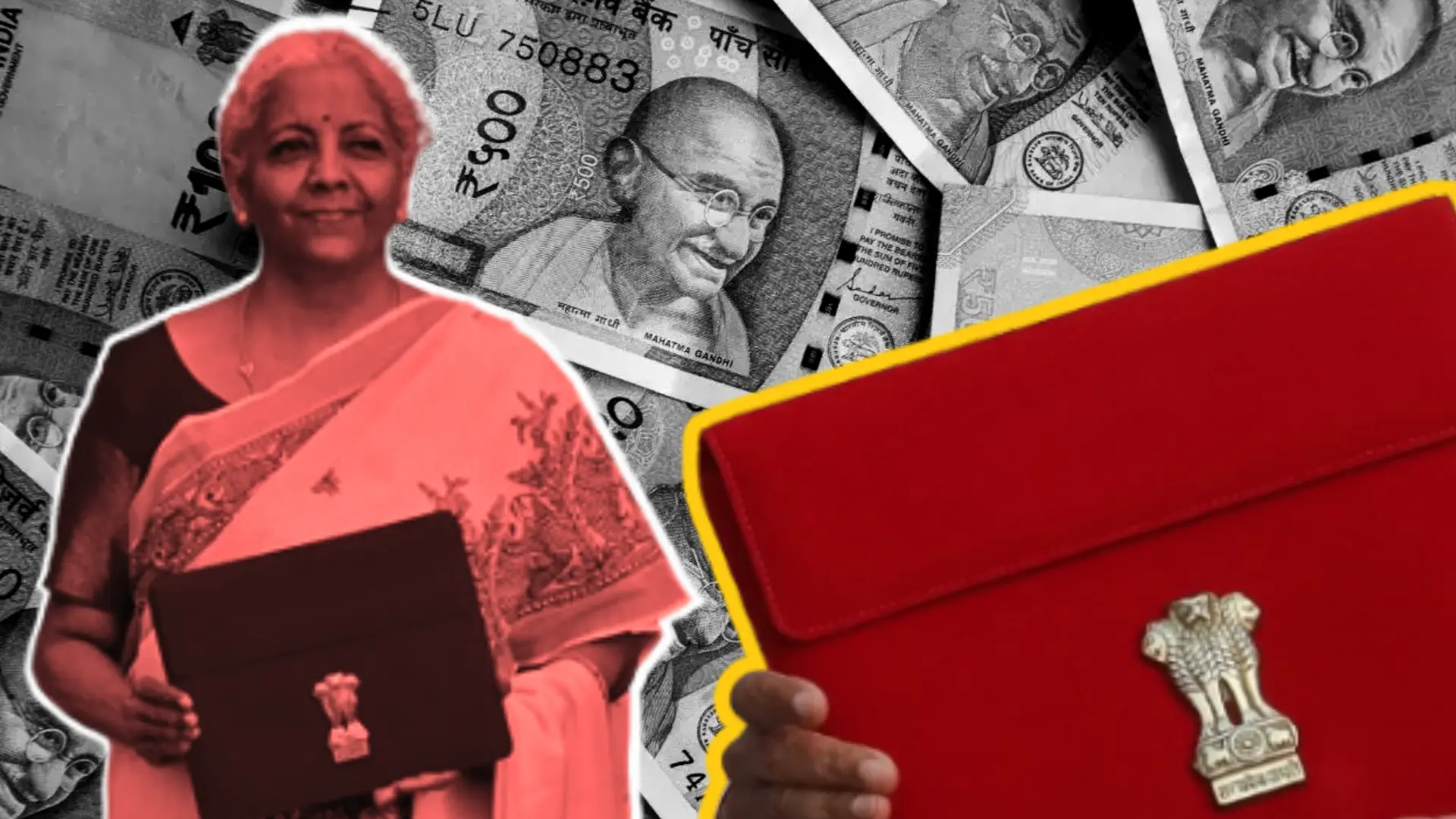
Business & Economy India News: Finance Minister Nirmala Sitharaman presented her eighth consecutive budget on Saturday (Feb 1). Here are the key takeaways from the Union Budget for the financial year 2025-26.
Finance Minister Nirmala Sitharaman presented the second Budget of Prime Minister Narendra Modi's third term on Saturday (Feb 1). This Budget outlines key financial policies for the 2025-26 fiscal year.
The first phase of Parliament’s Budget session commenced on 31st January and is scheduled to conclude on 13th February 2025. The second phase will run from 10th March to 4th April 2025.

Here are the key takeaways from the Union Budget for the financial year 2025-26:
Significant tax reductions and increased disposable income
Middle-class taxpayers had expressed concerns over excessive taxes. Addressing these concerns, the Finance Minister introduced significant income tax reductions, raising the tax rebate thresholdfrom an annual income of ₹7 lakh to ₹12 lakh.
&imwidth=180&imheight=135&format=webp&quality=medium)
US Treasury hits Bank of America with over $1.2 billion in penalties over suspicious transactions and Chinese money-laundering links
&imwidth=180&imheight=135&format=webp&quality=medium)
US Midterms 2026: In Alaska, cost-of-living anxiety meets strangest ballot in high-stakes Senate race
&imwidth=180&imheight=135&format=webp&quality=medium)
Russian woman and Bihar boy's love story goes viral after she reaches India to marry him
&imwidth=180&imheight=135&format=webp&quality=medium)
Trump accuses Houthis of driving up oil prices before US midterms, warns of consequences
&imwidth=180&imheight=135&format=webp&quality=medium)
Trump reconsidering calling off Nidal Hasan's execution livestream. Here's why
&imwidth=180&imheight=135&format=webp&quality=medium)
Netanyahu wants to join Saudi's war on Houthis, but Crown Prince denies: Report
&imwidth=180&imheight=135&format=webp&quality=medium)
Measles kills again: 6 dead in Pennsylvania as America faces its worst outbreak in decades | Gravitas
&imwidth=180&imheight=135&format=webp&quality=medium)
Anupam Kher joins Ranbir Kapoor's Ramayana as Jatayu, new poster unveiled
&im=FitAndFill=(700,400)&imwidth=180&imheight=135&format=webp&quality=medium)
Navratri 2026: 9 days, 9 forms of Goddess Durga and 9 colours- Check the complete list
&imwidth=180&imheight=135&format=webp&quality=medium)
‘My president, I mean my husband’: Trump's new press secretary Katie Zacharia's first briefing goes off the rails in 14 minutes
&imwidth=180&imheight=135&format=webp&quality=medium)
Delhi Police arrest Cockroach Janta Party's Saurav Das, Ashutosh Ranka, Ajinkya Shinde in Jantar Mantar case, to be produced before court
&imwidth=180&imheight=135&format=webp&quality=medium)
Cornell University suspends fraternity parties over 2024 gang rape allegations
&im=FitAndFill=(700,400)&imwidth=180&imheight=135&format=webp&quality=medium)
New OTT releases this week (October 12-18, 2026): Sacrifice, Koffee with Karan S9, Roadies Rebirth- 6 titles coming on Netflix, JioHotstar and more
&imwidth=180&imheight=135&format=webp&quality=medium)
New Delhi rejects Beijing’s claims and remarks on Ladakh location naming exercise
&imwidth=180&imheight=135&format=webp&quality=medium)
Marco Rubio to visit India next week, focus on energy cooperation and strategic ties
&imwidth=180&imheight=135&format=webp&quality=medium)
'Don't ever mess with nature!': Trump’s tiger attack post triggers social media backlash as victim's family issues heartbreaking tribute
&imwidth=180&imheight=135&format=webp&quality=medium)
New Cold War: Why is China buying more gold? Explained
&imwidth=180&imheight=135&format=webp&quality=medium)
'Turn approver, resign, we'll forgive you': Rahul Gandhi claims receiving messages from CEC Gyanesh Kumar
&imwidth=180&imheight=135&format=webp&quality=medium)
CMs Vijay-Naidu meet in Vijayawada, discuss water sharing, river-linking
&imwidth=180&imheight=135&format=webp&quality=medium)
Saudi Arabia strikes Yemen oil sites as Houthi missiles target Riyadh; 'limited fire' breaks out at Aramco
&imwidth=180&imheight=135&format=webp&quality=medium)
Robot gropes girl, makes thrusting movements in bizarre crime in Germany
&imwidth=180&imheight=135&format=webp&quality=medium)
France accuses Musk of ‘online harassment’ of European leaders, warns of poll interference
&imwidth=180&imheight=135&format=webp&quality=medium)
Air India Flight from Frankfurt diverted to Jaipur after hijack alert, probe on
&imwidth=180&imheight=135&format=webp&quality=medium)
UK school ditches technology, shifts from screen to pen and paper for learning
&imwidth=180&imheight=135&format=webp&quality=medium)
‘How many people did she illegally bring from Somalia?’ Trump targets Ilhan Omar, questions her net worth
&imwidth=180&imheight=135&format=webp&quality=medium)
China's counter-surveillance industry booms amid heightened espionage fears | Gravitas
&imwidth=180&imheight=135&format=webp&quality=medium)
1,500 drones illuminate Mumbai sky as Cordelia Cruises unveils second ship, Cordelia Sky
&imwidth=180&imheight=135&format=webp&quality=medium)
MI5 chief warns Russia is UK’s ‘aggressor number one’ as Iran and AI threats grow
&imwidth=180&imheight=135&format=webp&quality=medium)
Sidhu Moose Wala’s younger brother wins hearts by recreating late singer’s signature move at Toronto Hologram Show
&imwidth=180&imheight=135&format=webp&quality=medium)
Blasts heard in Sanaa as Saudi-led coalition warns civilians to evacuate; Houthis vow retaliation
&imwidth=180&imheight=135&format=webp&quality=medium)
Ken Paxton's Dubai night out with two US fugitives sparks political storm as Texas Senate race tightens
&imwidth=180&imheight=135&format=webp&quality=medium)
Pakistan to chair UN-backed global Borrowers’ Platform as its own debt burden mounts, triggers sarcastic reactions on social media
&imwidth=180&imheight=135&format=webp&quality=medium)
Girl 'dead' for 8 hours wakes up at her own funeral, dad insists she wasn't breathing
&imwidth=180&imheight=135&format=webp&quality=medium)
'Ouch!!! That must hurt': Kangana Ranaut hails Kamal Haasan's sharp reply to Elon Musk over Starlink row
The FM clarified: “To taxpayers with normal income up to ₹12 lakh (excluding special rate income such as capital gains), a tax rebate is being provided in addition to the slab rate reduction, ensuring no tax liability for them.”
The revised structure includes a nil tax rate for income up to ₹4 lakh, a 10% tax on earnings between ₹8-12 lakh, and a 15% tax on income between ₹12-16 lakh.
Additionally, adjustments to tax slabs mean the highest tax rate of 30% will now only apply to individuals earning ₹24 lakh per annum or more.
Additional benefits for senior citizens and renters
The tax deduction limit for senior citizens has been doubled from ₹50,000 to ₹1 lakh. The annual TDS limit on rental income has been raised from ₹2.40 lakh to ₹6 lakh.
Capital expenditure and job creation
The budget estimates for capital expenditure (capex) in 2025-26 stand at ₹11.21 lakh crore, a slight increase from ₹11.11 lakh crore in the previous fiscal year. A significant shift in focus has been towards employment generation.
In response to criticisms regarding previous policies prioritising capital-intensive industries over job creation, the Budget introduces steps to stimulate employment in sectors such as textiles and leather, which traditionally generate higher employment for similar levels of GDP contribution. The Modi government has set a target of creating 22 lakh jobs through a dedicated employment scheme.
UDAN: Expansion of regional air connectivity
The ‘UDAN’ scheme has been revised to enhance regional air connectivity. Under the modified programme, 120 new destinations will be linked, aiming to transport four crore passengers over the next decade. The initiative will also support helipads and smaller airports in hilly and underdeveloped regions, including the North East.
Development of Bihar’s makhana industry and airports
To boost Bihar’s Makhana industry, the government announced the establishment of a dedicated Makhana Board. This body will focus on enhancing production, processing, value addition, and marketing of the crop.
Additionally, it announced the development of greenfield airports in Bihar to accommodate future demand. These projects will add to the expansion of Patna Airport and the development of a brownfield airport at Bihta.
Promotion of tourism
The government has outlined plans to develop 50 top tourist destinations in collaboration with state governments. These sites will be selected through a competitive process to ensure high-quality infrastructure and tourism potential.
Boosting self-reliance in pulses
To enhance self-sufficiency in pulse production, the government has launched a six-year initiative focusing on tur, urad, and masoor. This programme prioritises the development of climate-resilient seeds, increased protein content, and enhanced productivity.
Support for first-time entrepreneurs
A new initiative will be introduced to assist five lakh first-time entrepreneurs, including women and individuals from Scheduled Castes and Scheduled Tribes. Under this scheme, term loans of up to ₹2 crore will be available over the next five years.
Increase in medical college seats
An additional 10,000 medical seats will be introduced in colleges and hospitals within the next year, contributing towards a larger goal of 75,000 new seats over the next five years.
(With inputs from agencies)
