Unilever food business signed deal to join McCormick in $45 billion mega deal

&imwidth=600&imheight=450&format=webp&quality=medium "Unilever food business signed deal to join McCormick in $45 billion mega deal")
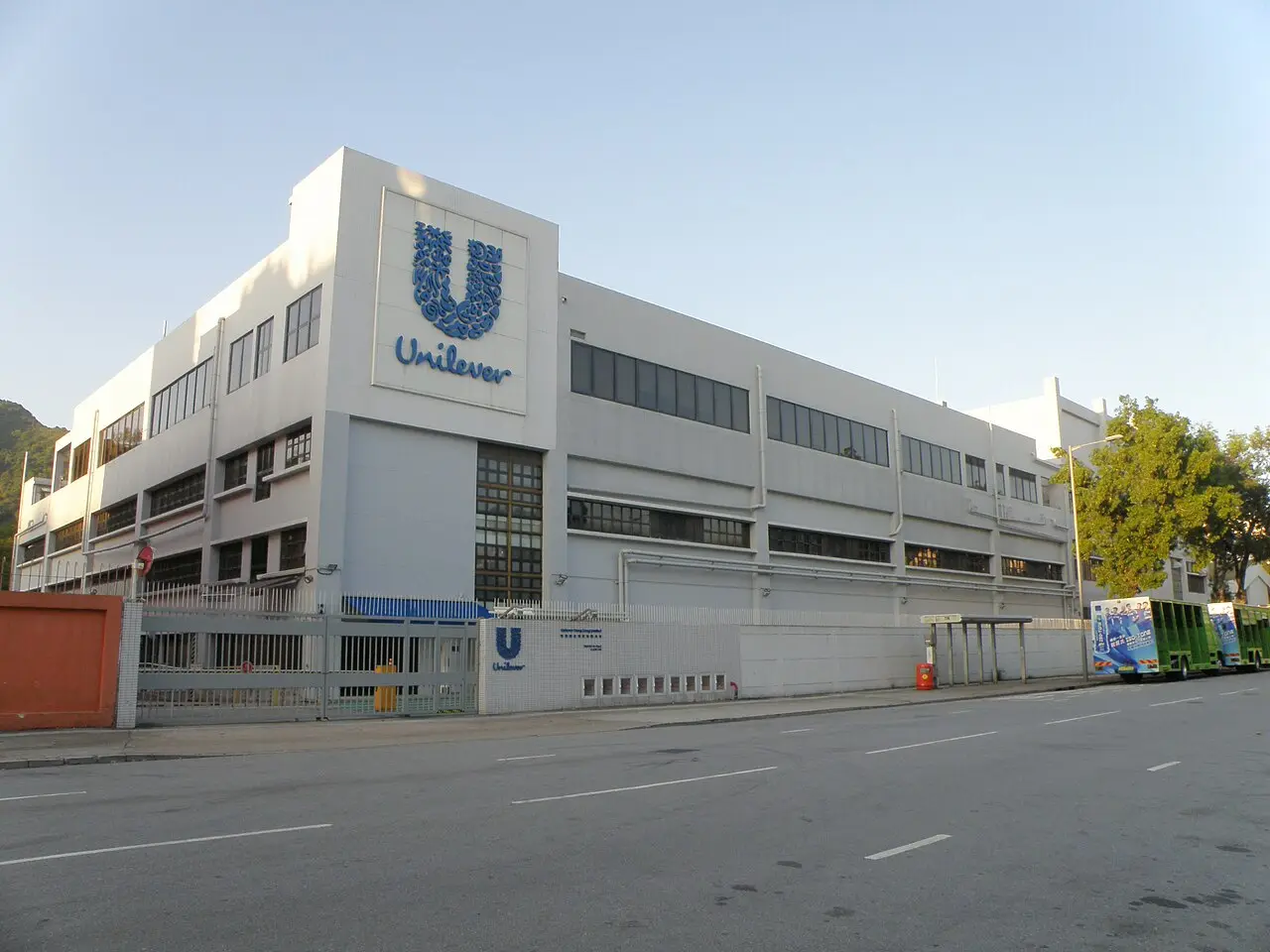
Representative image. Photograph: (Wikimedia Commons)
The acquisition is expected to significantly boost McCormick’s annual revenue and broaden its presence in spreads and condiments. The company already owns brands such as Frank’s RedHot, Cholula, and French’s mustard.
McCormick is set to buy the food business of Unilever for a combination of cash and equity, with a value of the Unilever unit at around $45 billion. McCormick will pay $15.7 billion in cash to acquire most of Unilever Foods’ portfolio, including brands like Hellmann’s Mayo and UK favourite Marmite. Following the deal, Unilever shareholders will own 55.1 per cent of the merged entity, while Unilever itself will retain a 9.9 per cent stake.
The acquisition is expected to significantly boost McCormick’s annual revenue and broaden its presence in spreads and condiments. The company already owns brands such as Frank’s RedHot, Cholula, and French’s mustard. A large portion of Unilever Foods’ revenue, around 70 per cent, comes from key brands like Hellmann’s and Knorr.
For Unilever, selling a major part of its food business allows the company to concentrate on its fast-growing personal care business. In December, it had also spun off its ice cream unit, now operating separately as Magnum Ice Cream Company.
The deal is anticipated to close by mid-2027, subject to approvals. Unilever will nominate four members to the 12-member board, including one executive for the first two years. McCormick intends to keep its global headquarters in Hunt Valley, Maryland, while establishing an international headquarters in the Netherlands, which has long served as the base for Unilever Foods. The merged entity will also pursue a secondary stock listing in Europe.
This deal reflects a wider trend in the food industry, where major packaged food and beverage companies are streamlining operations through divestitures and spin-offs as consumer demand declines. In 2024, divestitures accounted for nearly half of all mergers and acquisitions activity in the consumer products sector, according to Bain.
In early trading, McCormick’s shares rose by about 1 per cent, while Unilever’s stock remained largely unchanged, indicating cautious investor sentiment toward the large-scale merger.
Trending Stories
)
)
)
)
)
)
)
)
)
)
)
)
)
)
)
)
)
)
&im=FitAndFill=(700,400))
)
)
)
&im=FitAndFill=(700,400))
)
&im=FitAndFill=(700,400))
&im=FitAndFill=(700,400))
)
“We acknowledge the significant strategic merit and likely compelling [earnings per share] accretion from this potential transaction, but also concede the hefty likely deal value, execution risk, and resultant majority ownership of the combined entity by Unilever shareholders could dampen initial investor enthusiasm,” Barclays analyst Andrew Lazar wrote in a note to clients on March 20.

