

&imwidth=800&imheight=600&format=webp&quality=medium "Trump tariffs threaten South Korea’s K-Beauty boom in the US")
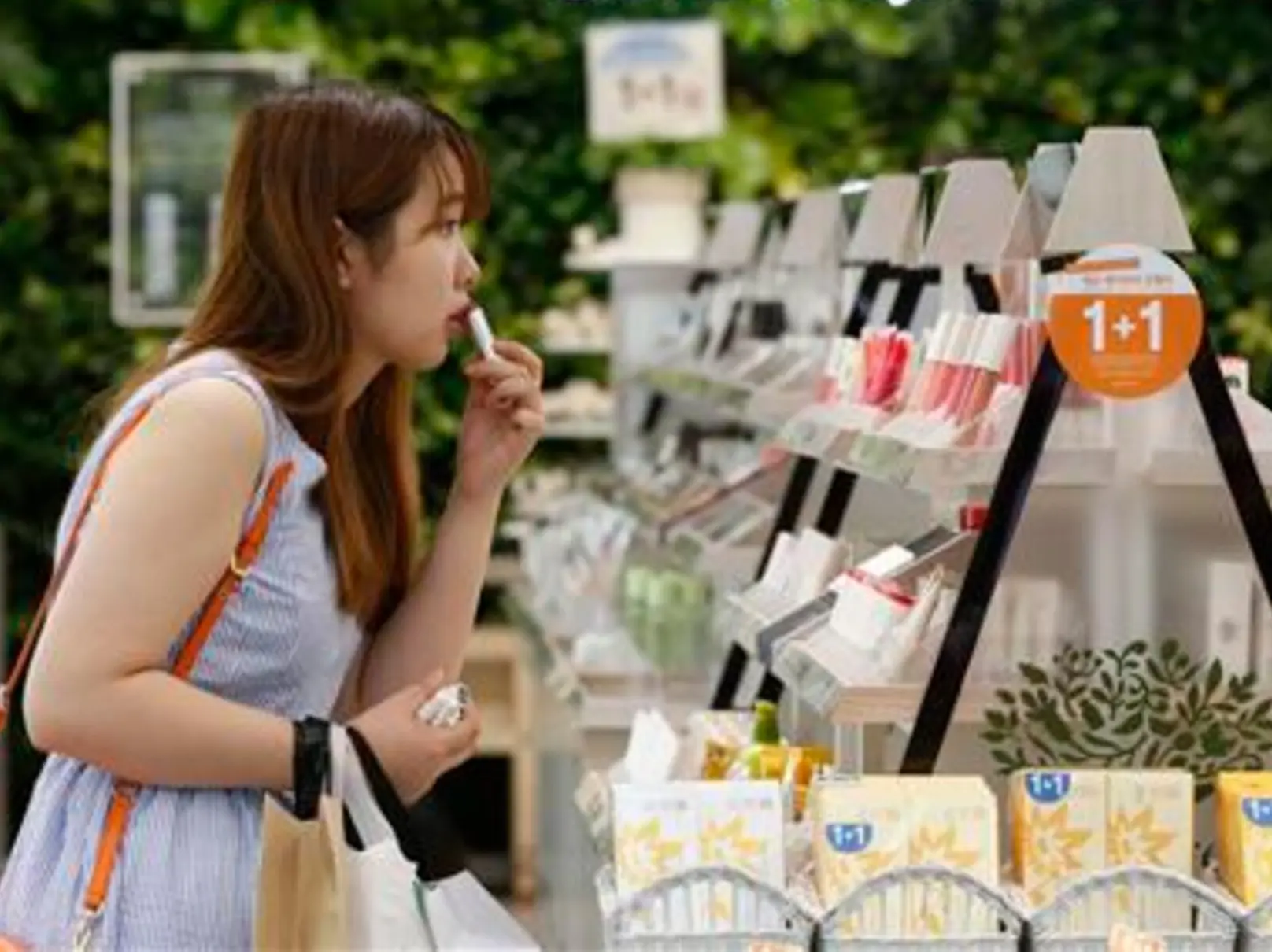
South Korea’s globally popular K-beauty industry is facing a major setback in the United States as a new 15 per cent import tariff, imposed by US President Donald Trump, threatens to disrupt trade flows and raise prices for consumers. Known for its innovative products, natural ingredients, and affordability, K-beauty has built a devoted following in the US, where it generated $1.7 billion in sales in 2024, a 54 per cent increase from the year before, according to the US International Trade Commission.
But the growth may soon slow. The US has ended South Korea’s tariff-free status for cosmetics, part of a broader policy shift aimed at reducing reliance on foreign manufacturing and encouraging American-made goods. South Korean beauty products are now subject to a 15 per cent import tax, sparking uncertainty across the industry.
Retailers brace for higher costs and slower sales
K-beauty retailers in the US have already begun adjusting their strategies in anticipation of rising costs. Santé Brand, a California-based online seller, saw a 30 per cent spike in orders in April as consumers rushed to stock up before the tariffs took effect. “When the tariff announcements hit, customers got strategic with how they were going to weather the storm,” Santé founder Cheyenne Ware told the BBC. “Consumers are preparing against the uncertainty.”
Other retailers, such as Senti Senti, say suppliers have started sending alerts urging them to place large orders while prices remain unchanged. Some sellers have increased inventory to stay ahead of expected cost hikes. But industry insiders warn that price increases are inevitable, especially for smaller sellers on platforms like Amazon who operate with thin profit margins.
Fans remain loyal—for now
Trending Stories
&imwidth=180&imheight=135&format=webp&quality=medium)
Other Mommy leads North American box Office as Verity, Resident Evil round out top four
&im=FitAndFill=(700,400)&imwidth=180&imheight=135&format=webp&quality=medium)
Navratri 2026: 9 days, 9 forms of Goddess Durga and 9 colours- Check the complete list
&im=FitAndFill=(700,400)&imwidth=180&imheight=135&format=webp&quality=medium)
Is sending robots to Mars easier than sending humans?
&imwidth=180&imheight=135&format=webp&quality=medium)
A watchdog rated 'ChatGPT for Teens' an unacceptable risk and says keep under-18s off it
&imwidth=180&imheight=135&format=webp&quality=medium)
1,500 drones illuminate Mumbai sky as Cordelia Cruises unveils second ship, Cordelia Sky
&imwidth=180&imheight=135&format=webp&quality=medium)
'Just coincidence': Police mistakes protester as AISA chief Neha Bora, arrests her from site
&imwidth=180&imheight=135&format=webp&quality=medium)
Anthropic's AI invented a murder witness and sent the fake tip to Philadelphia police
&imwidth=180&imheight=135&format=webp&quality=medium)
Congress demands action against chief election commissioner
&imwidth=180&imheight=135&format=webp&quality=medium)
CJI Surya Kant declines INDIA bloc leaders’ request for meeting ahead of march to SC, asks them to file petition
&imwidth=180&imheight=135&format=webp&quality=medium)
Saif Ali Khan is finally on Instagram! Here's what he shared in his first post
&imwidth=180&imheight=135&format=webp&quality=medium)
'Turn approver, resign, we'll forgive you': Rahul Gandhi claims receiving messages from CEC Gyanesh Kumar
&imwidth=180&imheight=135&format=webp&quality=medium)
One Indian killed in Riyadh airport attack; 11 others injured : MEA
&imwidth=180&imheight=135&format=webp&quality=medium)
Top AI models flunked a test of inventing new AI research, so much for self-improving AI
&imwidth=180&imheight=135&format=webp&quality=medium)
Wasim Jaffer blames Ajit Agarkar-led selection panel for Virat Kohli’s Test retirement
&imwidth=180&imheight=135&format=webp&quality=medium)
'Ouch!!! That must hurt': Kangana Ranaut hails Kamal Haasan's sharp reply to Elon Musk over Starlink row
&imwidth=180&imheight=135&format=webp&quality=medium)
Sidhu Moose Wala’s younger brother wins hearts by recreating late singer’s signature move at Toronto Hologram Show
&imwidth=180&imheight=135&format=webp&quality=medium)
Meta's Muse AI could be a security nightmare for India's billion-plus users
&imwidth=180&imheight=135&format=webp&quality=medium)
UK school ditches technology, shifts from screen to pen and paper for learning
&imwidth=180&imheight=135&format=webp&quality=medium)
Telangana ATM heist: Thieves in nighties arrive in ambulance, break into SBI ATM in Kamareddy - VIDEO
&imwidth=180&imheight=135&format=webp&quality=medium)
Houthis claim Riyadh airport attacks, Aramco strikes; issue fresh warning to airlines, travellers and workers
&imwidth=180&imheight=135&format=webp&quality=medium)
Portugal Federation confirms Cristiano Ronaldo’s return to national team despite suspension
&imwidth=180&imheight=135&format=webp&quality=medium)
Delhi protests: 'Court should not be dragged into political activity', says CJI Surya Kant
&im=FitAndFill=(700,400)&imwidth=180&imheight=135&format=webp&quality=medium)
New OTT releases this week (October 12-18, 2026): Sacrifice, Koffee with Karan S9, Roadies Rebirth- 6 titles coming on Netflix, JioHotstar and more
&imwidth=180&imheight=135&format=webp&quality=medium)
Microsoft's Nadella says treat every AI model as already hacked, and build an 'emergency brake'
&imwidth=180&imheight=135&format=webp&quality=medium)
Delhi protest: CJI Surya Kant declines to meet India Bloc leaders
&imwidth=180&imheight=135&format=webp&quality=medium)
Telangana man allegedly recruited into Russian military dies near Ukraine border
&imwidth=180&imheight=135&format=webp&quality=medium)
China imposes first-ever sanctions on ministers from Taiwan allies: What this means
&imwidth=180&imheight=135&format=webp&quality=medium)
McSweeney reveals how studying Virat Kohli’s YouTube clips helped Australia A conquer India
&imwidth=180&imheight=135&format=webp&quality=medium)
Maharashtra appoints FDA commissioner Tukaram Mundhe as secretary of committee for MPSC overhaul amid stir
&imwidth=180&imheight=135&format=webp&quality=medium)
Iran: US accepted some conditions, Clarity needed on others
&imwidth=180&imheight=135&format=webp&quality=medium)
Nana Patekar's cause of death confirmed; here's what his postmortem report says
&imwidth=180&imheight=135&format=webp&quality=medium)
iPhone Duo price index: Tracking Apple’s latest pricing trends
&imwidth=180&imheight=135&format=webp&quality=medium)
'Say no to Muse': Meta has no control over its own moderation AI while it forces a security nightmare on everyone
&imwidth=180&imheight=135&format=webp&quality=medium)
Delhi wakes up to heavy rain, thunderstorms; yellow alert in place; temperature drops
Despite the looming price hikes, K-beauty loyalists say they’re not ready to switch to Western alternatives. Experts say that sentiment is common among loyal consumers, but casual buyers might be turned off by the higher price.
Some experts also say that large K-beauty brands with healthy profit margins may be able to absorb some of the costs, softening the impact for customers. But smaller firms based in South Korea will likely struggle to remain competitive, especially if tariffs are extended or increased.
Trade policy collides with pop culture
President Trump has justified the tariff strategy as part of a broader plan to bring manufacturing back to the US and level the playing field in global trade. In recent days, Japan and the European Union have agreed to similar 15 per cent tariffs on beauty exports to the US, meaning the policy will affect other global giants alongside South Korea. Still, industry analysts say South Korea is uniquely vulnerable because of how deeply its cosmetics brands are intertwined with global pop culture and consumer trends.
From BB creams to 10-step skincare routines featuring ingredients like snail mucin, heartleaf, and rice water, Korean skincare has reshaped beauty habits worldwide. And while US officials hope tariffs will encourage domestic production, many American consumers say they simply haven’t found homegrown equivalents that measure up. For now, K-beauty remains a staple on American vanities. But if tariffs stay in place, it may soon become a luxury item rather than an everyday essential.
(With inputs from agencies)