Trump delays tariff hike to August 1, urges quick trade deals

&imwidth=600&imheight=450&format=webp&quality=medium "Trump delays tariff hike to August 1, urges quick trade deals")
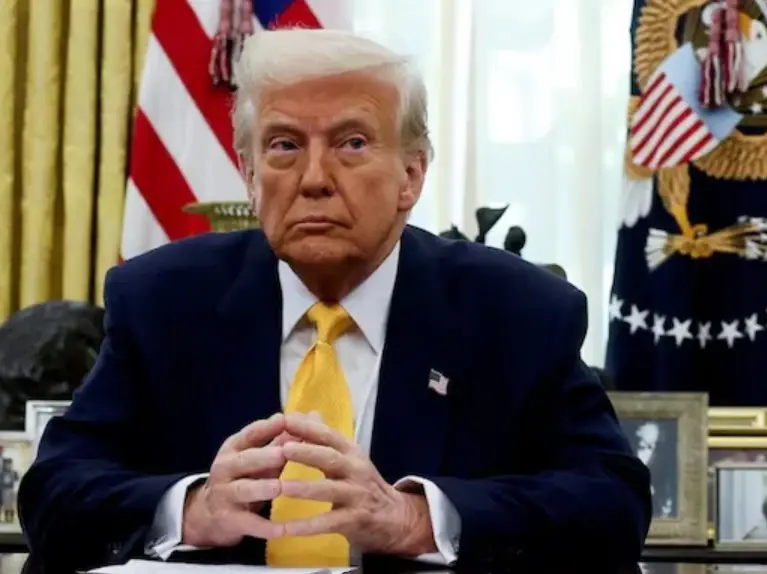
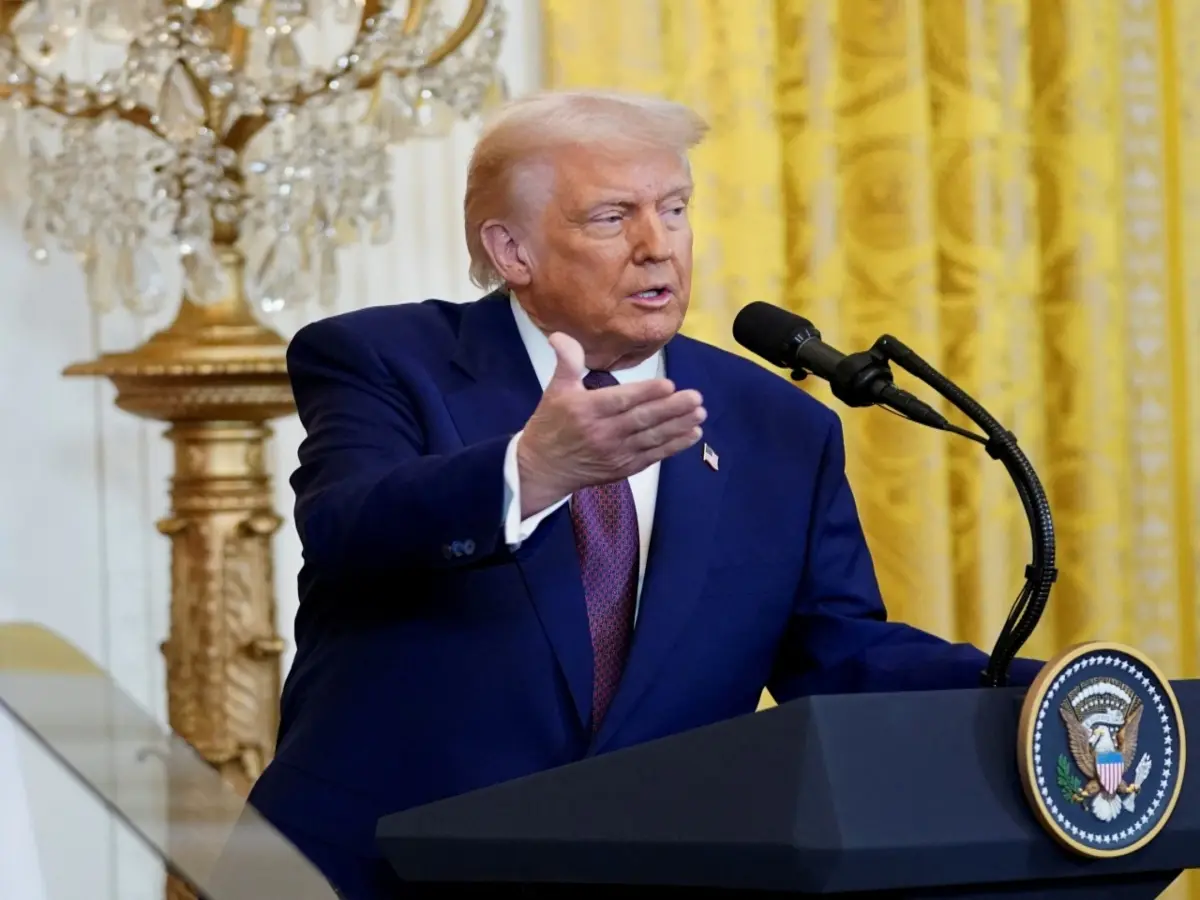
US President Donald Trump. Photograph: (Reuters)
The US has delayed its tariff hike to August 1, using the threat of steep duties to pressure global partners into swift trade concessions.
The United States has extended its deadline for higher tariffs to take effect, offering a narrow window for its trading partners to finalise new trade agreements and avoid steep duties. President Donald Trump announced on Sunday that the tariff increase would now begin on 1 August, giving countries until 9 July to complete negotiations.
As per Reuters, Trump said several trade deals were “close” to being wrapped up in the coming days. The move is part of Washington’s strategy to pressure partners into making concessions while threatening significant economic consequences if talks stall.
Tariffs as bargaining tool
Trump’s tariff policy includes a 10 per cent base rate on most countries, with surcharges reaching as high as 50 per cent. While announced in April, those higher rates were postponed to allow time for negotiations. The new deadline, however, signals the White House’s impatience with what officials have described as slow progress.
Commerce Secretary Howard Lutnick told reporters the 1 August start date for higher rates remains in place, but added that Trump is “setting the rates and the deals right now.” This flexible approach is designed to keep trading partners off balance and eager to sign before penalties kick in, as per Reuters.
Letters warn over 100 countries
Trending Stories
)
)
)
)
)
)
)
)
)
)
)
)
)
)
)
)
)
)
&im=FitAndFill=(700,400))
)
)
)
&im=FitAndFill=(700,400))
)
&im=FitAndFill=(700,400))
&im=FitAndFill=(700,400))
)
US Treasury Secretary Scott Bessent said on CNN that the administration would soon send letters to over 100 countries, warning them they could face tariff rates originally set in April but suspended until now.
According to Reuters, Bessent predicted a flurry of trade announcements soon, noting that talks with the European Union had made solid progress. The threat of returning to April’s tariff levels is meant to force countries to finalise deals quickly to avoid renewed trade tensions.
Flexibility for willing partners
White House National Economic Council head Kevin Hassett signalled that there could be “wiggle room” for countries negotiating in good faith. Speaking to CBS News, Hassett suggested Trump might offer extra time to partners prepared to make meaningful concessions.
Stephen Miran, chairman of the White House Council of Economic Advisers, echoed this optimism in an interview with ABC News. He highlighted positive signals from discussions with Europe and India, saying countries demonstrating goodwill could secure more favourable tariff terms or even a delay in the deadline.
Focus on key trade partners
As per Reuters, the Trump administration is prioritising negotiations with 18 major trading partners accounting for 95 per cent of the US trade deficit. But smaller economies are also being pressed to strike deals quickly.
Thailand, for example, is scrambling to avoid a 36 per cent tariff. The country’s finance minister told Bloomberg News it will offer greater market access for US agricultural and industrial goods, while promising increased purchases of US energy and Boeing jets.
India deal seen nearing conclusion
India is also racing to finalise an agreement. According to CNBC-TV18, India and the United States could announce a mini trade deal within the next two days. The average tariff on Indian goods shipped to the US is expected to settle at around 10 per cent if the deal is concluded, potentially sparing both economies deeper disruption.
White House officials are pointing to framework deals with Britain and Vietnam as models for these negotiations. Hassett argued these arrangements show Trump’s tariff threats are pushing manufacturing and investment back to the United States.
High-stakes strategy
Miran praised the deal with Vietnam as highly favourable to the United States. He described it as “extremely one-sided,” allowing Washington to impose significant tariffs on Vietnamese exports while enjoying near-zero tariffs on American goods in return. Trump’s approach, combining aggressive deadlines with the promise of tailored deals, is classic high-stakes negotiation. By delaying the tariff hike while warning of its swift return, the White House message is clear: sign now or pay later.
Whether this strategy will deliver durable agreements or provoke fresh trade tensions remains to be seen. For now, the world’s major economies have just weeks to avoid the next phase of Washington’s tariff escalation.
(With inputs from the agencies)