Trump administration broadens steel & aluminium tariffs to hundreds more goods

&imwidth=600&imheight=450&format=webp&quality=medium "Trump administration broadens steel & aluminium tariffs to hundreds more goods")
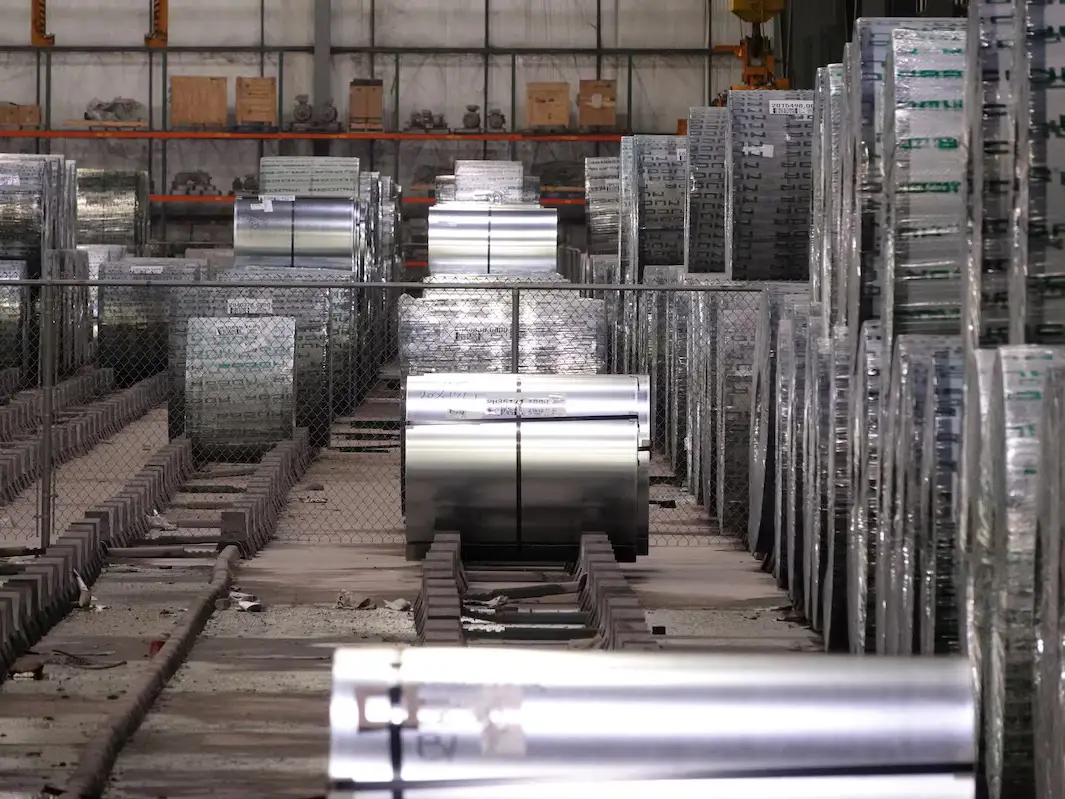
A general view of interior of a Nucor steel factory in Blytheville, Arkansas, US. Photograph: (Reuters)
The US Commerce Department has expanded 50% tariffs on steel and aluminium to include 407 new derivative items effective August 18. This move follows the Section 232 inclusions process aimed at preventing circumvention of tariffs.
The US Commerce Department has significantly expanded the scope of its 50% tariffs on steel and aluminium products, targeting hundreds of additional derivative items. According to a Federal Register notice on Friday, the Bureau of Industry and Security (BIS) added 407 new product codes to the Harmonised Tariff Schedule, bringing a surge of goods now subject to import duties tied to their steel and aluminium content. Effective August 18, these newly listed products will face the same hefty levies. While the metal portions of those items fall under the 50% tariff, non-metal components will continue to be taxed at regular rates based on their originating countries.
A broader push under section 232
This expansion builds on the Section 232 “inclusions” process, introduced by the Commerce Department in April to widen the breadth of existing steel and aluminium tariffs. That framework allowed for the inclusion of derivative articles into the tariff net, ensuring that items containing steel or aluminium couldn’t bypass duties.
With this latest announcement, Washington is clearly doubling down on its protectionist strategy, tightening controls over a broader swath of downstream industrial goods.
Political timing & broader trade strategy
The timing of this initiative aligns with President Trump’s active political calendar. Speaking aboard Air Force One en route to his summit in Alaska with Russian President Vladimir Putin, Trump hinted that further announcements, including new tariffs on semiconductor imports, are on the way.
Trending Stories
&imwidth=280&imheight=210&format=webp&quality=medium)
&im=FitAndFill=(700,400)&imwidth=280&imheight=210&format=webp&quality=medium)
&im=FitAndFill=(700,400)&imwidth=280&imheight=210&format=webp&quality=medium)
&imwidth=280&imheight=210&format=webp&quality=medium)
&imwidth=280&imheight=210&format=webp&quality=medium)
&imwidth=280&imheight=210&format=webp&quality=medium)
&imwidth=280&imheight=210&format=webp&quality=medium)
&imwidth=280&imheight=210&format=webp&quality=medium)
&imwidth=280&imheight=210&format=webp&quality=medium)
&imwidth=280&imheight=210&format=webp&quality=medium)
&imwidth=280&imheight=210&format=webp&quality=medium)
&imwidth=280&imheight=210&format=webp&quality=medium)
&imwidth=280&imheight=210&format=webp&quality=medium)
&imwidth=280&imheight=210&format=webp&quality=medium)
&imwidth=280&imheight=210&format=webp&quality=medium)
&imwidth=280&imheight=210&format=webp&quality=medium)
&imwidth=280&imheight=210&format=webp&quality=medium)
&imwidth=280&imheight=210&format=webp&quality=medium)
&imwidth=280&imheight=210&format=webp&quality=medium)
&imwidth=280&imheight=210&format=webp&quality=medium)
&imwidth=280&imheight=210&format=webp&quality=medium)
&imwidth=280&imheight=210&format=webp&quality=medium)
&imwidth=280&imheight=210&format=webp&quality=medium)
&im=FitAndFill=(700,400)&imwidth=280&imheight=210&format=webp&quality=medium)
&imwidth=280&imheight=210&format=webp&quality=medium)
&imwidth=280&imheight=210&format=webp&quality=medium)
&imwidth=280&imheight=210&format=webp&quality=medium)
&imwidth=280&imheight=210&format=webp&quality=medium)
&imwidth=280&imheight=210&format=webp&quality=medium)
&imwidth=280&imheight=210&format=webp&quality=medium)
&imwidth=280&imheight=210&format=webp&quality=medium)
&imwidth=280&imheight=210&format=webp&quality=medium)
&imwidth=280&imheight=210&format=webp&quality=medium)
&imwidth=280&imheight=210&format=webp&quality=medium)
Reuters notes that this phased approach to tariffs, initially lower rates, escalating later, mirrors his method applied to pharmaceutical duties. It underscores a strategic push to incentivise domestic production by gradually raising the economic cost of imports.
Sharpened fallout and market implications
Economic and trade analysts warn that these expanded tariffs may ripple through global supply chains, pushing up costs across manufacturing industries. With new areas falling under steep tariffs, importers and intermediaries may be forced to recalibrate strategies, potentially favouring domestic suppliers or shifting sourcing routes.
Moreover, this moves sits amid a longer pattern of aggressive tariff policies under Trump’s “America First” agenda. Earlier in 2025, tariffs on steel and aluminium were raised from 25% to 50%, and coverage was extended to appliances and derivative items.
Simultaneously, reciprocal tariffs and sector-specific levies on copper, autos, and semiconductors are also being deployed, adding complexity to U.S. trade policy.
What this means?
- For businesses: Expect higher compliance costs as more products fall under tariff obligations. Strategic sourcing and supply chain adaptation will be critical.
- For global trade: More tariff exposure may prompt slower trade flows, localised sourcing, or trade negotiations aimed at carve-outs.
- For markets and consumers: Higher input costs could translate into elevated prices for consumers, especially in manufacturing-heavy sectors.
The aim is clear: the administration is escalating pressure on foreign producers while encouraging domestic manufacturing seeding, now using a broader enforcement net.
(With inputs from the agencies)