Sustainability reporting gets a makeover: EU unveils bold standards to woo green investors

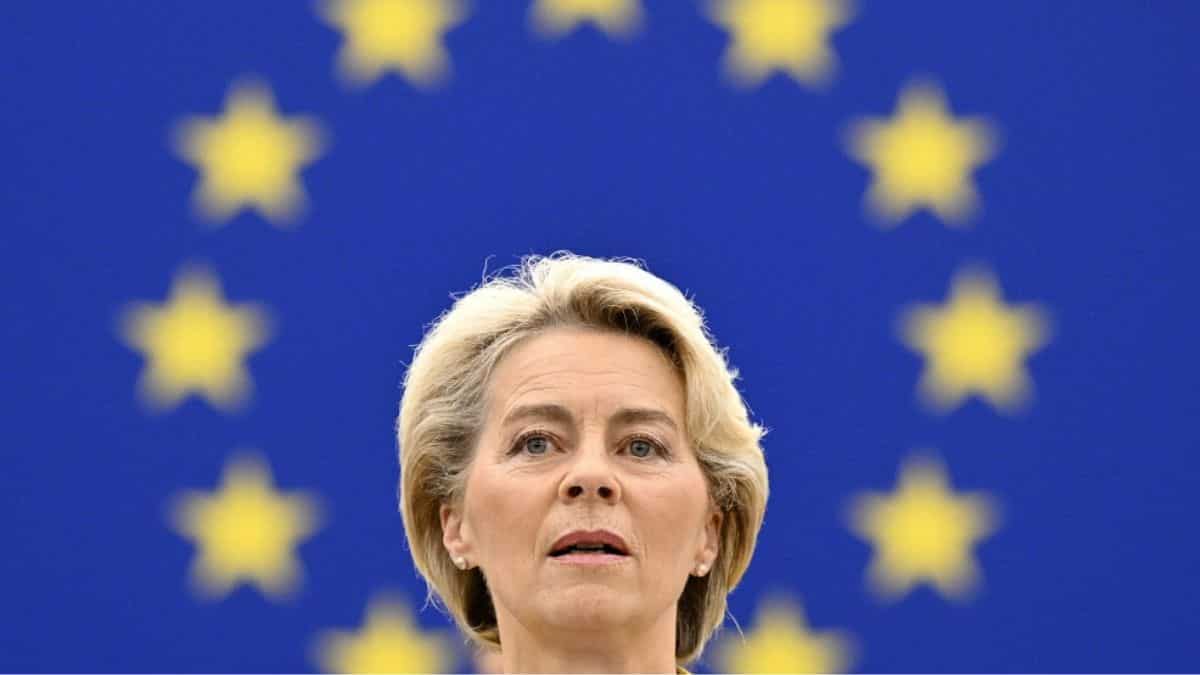
European Commission President Ursula von der Leyen
The European Commission achieved a significant milestone on July 31, 2023, by adopting the European Sustainability Reporting Standards (ESRS), a crucial step towards implementing the EU's upcoming Corporate Sustainable Reporting Directive (CSRD). These standards will require companies to report on sustainability-related impacts, opportunities, and risks. The CSRD is set to take effect from the beginning of 2024, and reporting will commence for some companies during the 2024 financial year.
While the announcement was welcomed by many, sustainability-focused investor groups raised concerns about the EU Commission's decision to ease certain aspects of the new rules, particularly the removal of the mandatory nature of many sustainability disclosures, which remained in the adopted ESRS. The CSRD aims to update the current EU sustainability reporting framework, the 2014 Non-Financial Reporting Directive (NFRD), and will significantly expand the number of companies required to provide sustainability disclosures from around 12,000 to over 50,000. The new rules will also introduce more detailed reporting requirements on environmental impacts, human rights, social standards, and sustainability-related risks.
The European Financial Reporting Advisory Group (EFRAG) was tasked by the European Commission in June 2020 to develop new EU sustainability reporting standards. In November 2022, EFRAG submitted its final ESRS draft, making modifications to reduce administrative burdens on companies and cut the number of reporting requirements in half.

In June 2023, the European Commission released a proposed version of the final ESRS, introducing its own changes. Notably, the Commission proposed that all disclosure requirements, except for a set of general disclosures, undergo materiality assessments. This would allow companies to focus reporting on sustainability factors they consider significant to their businesses. The changes also involved phasing in certain reporting requirements, such as Scope 3 emissions and biodiversity-related topics, as well as 'own workforce' disclosures for companies with fewer than 750 employees in their first year of applying the standards.
However, investment and finance groups expressed concerns, stating that the amendments would impact their ability to obtain crucial sustainability-related information required for investment decisions. It would also hinder their ability to meet reporting requirements, including those under the EU's Sustainable Finance Disclosure Regulation (SFDR).
In response to investor concerns, the Commission published a Q&A following the adoption of the ESRS. It clarified that 'disclosure requirements subject to materiality are not voluntary' and emphasised that information must be disclosed if deemed material. The materiality assessment process would also be subject to external assurance. Companies deciding not to report on climate change, for instance, would need to provide a detailed explanation for their decision due to the widespread and systemic impacts of climate change across the economy.
&imwidth=180&imheight=135&format=webp&quality=medium)
Delhi Police arrest Cockroach Janta Party's Saurav Das, Ashutosh Ranka, Ajinkya Shinde in Jantar Mantar case, to be produced before court
&imwidth=180&imheight=135&format=webp&quality=medium)
‘How many people did she illegally bring from Somalia?’ Trump targets Ilhan Omar, questions her net worth
&im=FitAndFill=(700,400)&imwidth=180&imheight=135&format=webp&quality=medium)
New OTT releases this week (October 12-18, 2026): Sacrifice, Koffee with Karan S9, Roadies Rebirth- 6 titles coming on Netflix, JioHotstar and more
&imwidth=180&imheight=135&format=webp&quality=medium)
CMs Vijay-Naidu meet in Vijayawada, discuss water sharing, river-linking
&imwidth=180&imheight=135&format=webp&quality=medium)
Pakistan to chair UN-backed global Borrowers’ Platform as its own debt burden mounts, triggers sarcastic reactions on social media
&imwidth=180&imheight=135&format=webp&quality=medium)
Girl 'dead' for 8 hours wakes up at her own funeral, dad insists she wasn't breathing
&imwidth=180&imheight=135&format=webp&quality=medium)
US Midterms 2026: In Alaska, cost-of-living anxiety meets strangest ballot in high-stakes Senate race
&imwidth=180&imheight=135&format=webp&quality=medium)
Saudi Arabia strikes Yemen oil sites as Houthi missiles target Riyadh; 'limited fire' breaks out at Aramco
&imwidth=180&imheight=135&format=webp&quality=medium)
Trump reconsidering calling off Nidal Hasan's execution livestream. Here's why
&imwidth=180&imheight=135&format=webp&quality=medium)
Blasts heard in Sanaa as Saudi-led coalition warns civilians to evacuate; Houthis vow retaliation
&imwidth=180&imheight=135&format=webp&quality=medium)
L Murugan resigns as Union Minister, expresses wish to return to grassroots
&imwidth=180&imheight=135&format=webp&quality=medium)
Robot gropes girl, makes thrusting movements in bizarre crime in Germany
&imwidth=180&imheight=135&format=webp&quality=medium)
‘My president, I mean my husband’: Trump's new press secretary Katie Zacharia's first briefing goes off the rails in 14 minutes
&imwidth=180&imheight=135&format=webp&quality=medium)
Ranabaali: Vijay Deverakonda, Rashmika Mandanna film gets U/A certificate with zero cuts
&imwidth=180&imheight=135&format=webp&quality=medium)
OpenAI employee arrested by FBI after allegedly hiding recording device in office
&imwidth=180&imheight=135&format=webp&quality=medium)
New Delhi rejects Beijing’s claims and remarks on Ladakh location naming exercise
&imwidth=180&imheight=135&format=webp&quality=medium)
'Turn approver, resign, we'll forgive you': Rahul Gandhi claims receiving messages from CEC Gyanesh Kumar
&imwidth=180&imheight=135&format=webp&quality=medium)
MI5 chief warns Russia is UK’s ‘aggressor number one’ as Iran and AI threats grow
&imwidth=180&imheight=135&format=webp&quality=medium)
Measles kills again: 6 dead in Pennsylvania as America faces its worst outbreak in decades | Gravitas
&imwidth=180&imheight=135&format=webp&quality=medium)
Suicidal man survives jump from 11th floor in Japan, could now be tried for murder
&imwidth=180&imheight=135&format=webp&quality=medium)
China's counter-surveillance industry booms amid heightened espionage fears | Gravitas
&imwidth=180&imheight=135&format=webp&quality=medium)
Marco Rubio to visit India next week, focus on energy cooperation and strategic ties
&imwidth=180&imheight=135&format=webp&quality=medium)
Cornell University suspends fraternity parties over 2024 gang rape allegations
&imwidth=180&imheight=135&format=webp&quality=medium)
Is the AI chip boom already over? Global semiconductor stocks slide as investors question unbridled spending
&imwidth=180&imheight=135&format=webp&quality=medium)
Anupam Kher joins Ranbir Kapoor's Ramayana as Jatayu, new poster unveiled
&imwidth=180&imheight=135&format=webp&quality=medium)
France accuses Musk of ‘online harassment’ of European leaders, warns of poll interference
&im=FitAndFill=(700,400)&imwidth=180&imheight=135&format=webp&quality=medium)
Navratri 2026: 9 days, 9 forms of Goddess Durga and 9 colours- Check the complete list
&imwidth=180&imheight=135&format=webp&quality=medium)
'Don't ever mess with nature!': Trump’s tiger attack post triggers social media backlash as victim's family issues heartbreaking tribute
&imwidth=180&imheight=135&format=webp&quality=medium)
Sidhu Moose Wala’s younger brother wins hearts by recreating late singer’s signature move at Toronto Hologram Show
&imwidth=180&imheight=135&format=webp&quality=medium)
1,500 drones illuminate Mumbai sky as Cordelia Cruises unveils second ship, Cordelia Sky
&imwidth=180&imheight=135&format=webp&quality=medium)
UK school ditches technology, shifts from screen to pen and paper for learning
&imwidth=180&imheight=135&format=webp&quality=medium)
Ken Paxton's Dubai night out with two US fugitives sparks political storm as Texas Senate race tightens
&imwidth=180&imheight=135&format=webp&quality=medium)
Trump accuses Houthis of driving up oil prices before US midterms, warns of consequences
&imwidth=180&imheight=135&format=webp&quality=medium)
Pope Leo XIV diagnosed with lung cancer after surgery, Vatican says 'successful surgery and recovering'
&imwidth=180&imheight=135&format=webp&quality=medium)
'Ouch!!! That must hurt': Kangana Ranaut hails Kamal Haasan's sharp reply to Elon Musk over Starlink row
The Commission also highlighted the high level of interoperability between the ESRS and other sustainability reporting standards from the International Sustainability Standards Board (ISSB) and the Global Reporting Initiative (GRI). Companies required to report under ESRS on climate change would largely report the same information as those using the ISSB standard on climate-related disclosures.
With the adoption of the new sustainability reporting rules, the Commission's ESRS delegated act will be reviewed by the EU Parliament and Council during a two-month scrutiny period. Both bodies have the authority to reject the act but cannot amend it.
Once implemented, companies previously subject to the NFRD and large non-EU listed companies with more than 500 employees will need to start reporting under ESRS for the financial year 2024, with the first reports issued in 2025. Other large companies will begin reporting a year later. Listed SMEs, including non-EU-listed SMEs, will start issuing their first ESRS sustainability statements in 2027, with the option to opt-out for up to two years. Additionally, non-EU companies generating over €150 million of revenue annually in the EU and having a branch in the EU with revenue over €40 million or a subsidiary that is a large company or a listed SME will begin reporting from the financial year 2028 with the first reports due in 2029.
Mairead McGuinness, Commissioner for Financial Services, Financial Stability, and Capital Markets Union, praised the ambitious standards, emphasizing their role in supporting the EU's sustainable finance agenda. As per her, the standards strike a balance between minimising the reporting burden on companies and enabling them to showcase their efforts to meet the Green Deal Agenda, providing access to sustainable finance opportunities.